Patrick S.D. McCartney – författare
Visar alla böcker från författaren Patrick S.D. McCartney. Handla med fri frakt och snabb leverans.
7 produkter
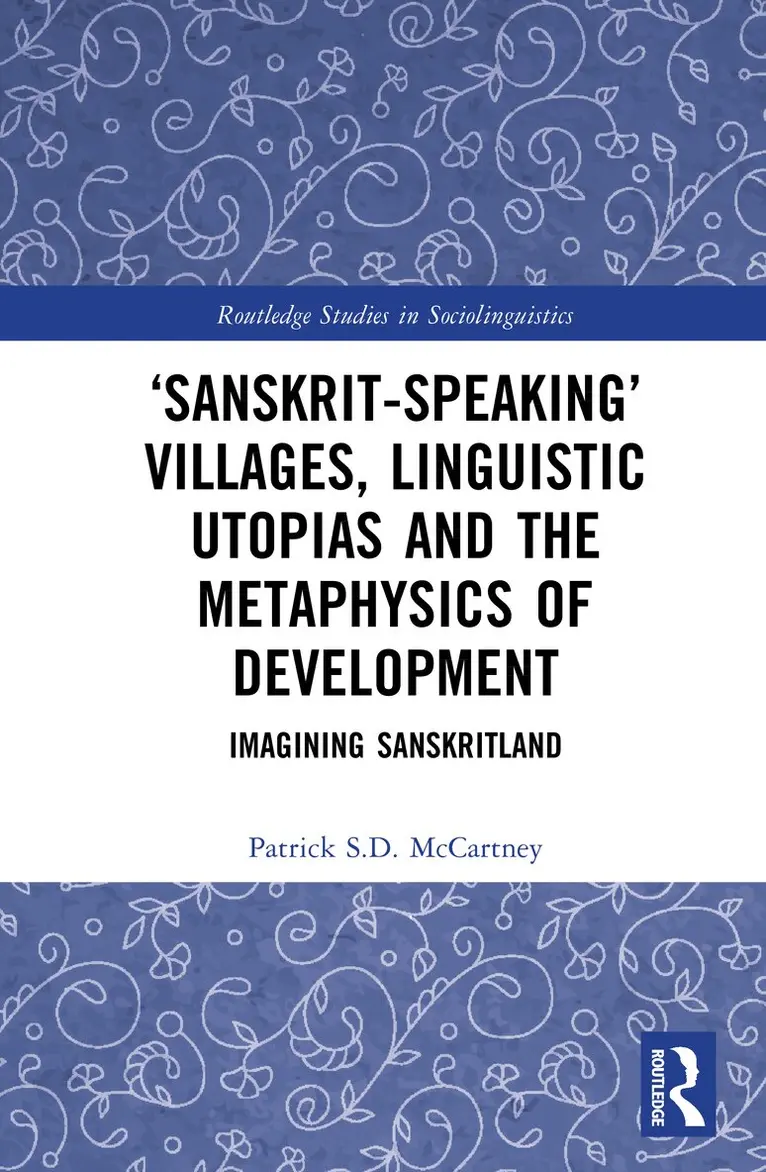
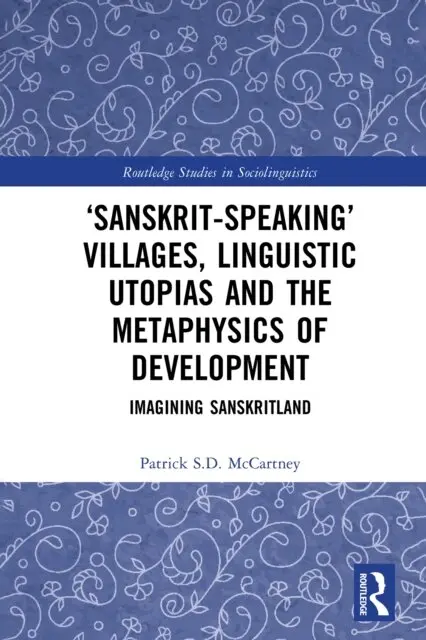
‘Sanskrit-speaking’ Villages, Linguistic Utopias and the Metaphysics of Development
Imagining Sanskritland
Inbunden, 2026
2510 kr
Lägg i varukorg
This book is a recollection of McCartney’s journey across ‘Sanskritland,’ which is the term coined to refer to the utopian landscape within which the ‘Language of the Gods’ is thought to be spoken.There are three destinations on the author’s journey. The first includes understanding how Sanskrit …
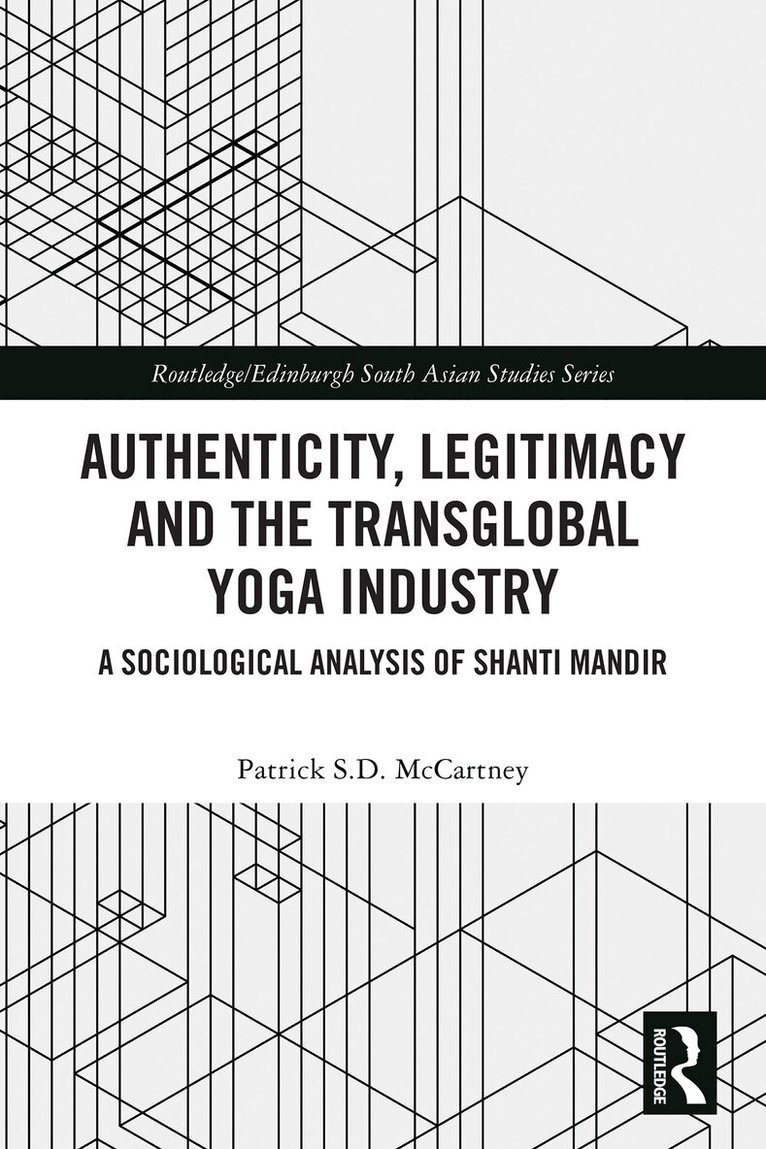
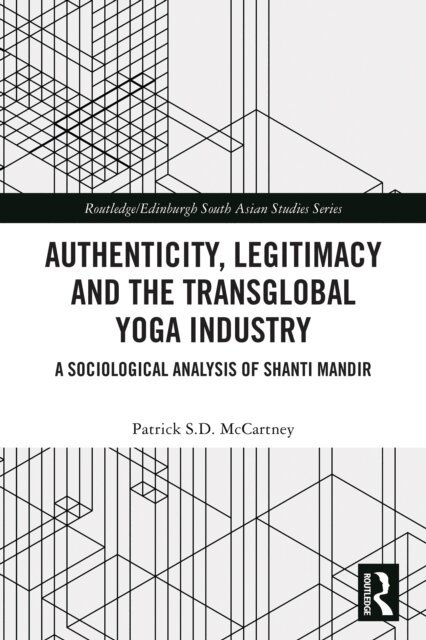
Authenticity, Legitimacy and the Transglobal Yoga Industry
A Sociological Analysis of Shanti Mandir
Häftad, 2026
705 kr
Lägg i varukorg
This book is a sociological study of knowledge and knowers and explores the production and perceived value of ‘yogic knowledge,’ how distinction is curated, and how access to this knowledge is gained.The book focuses on the organization Shanti Mandir (SM) in India, a new religious movement, which …
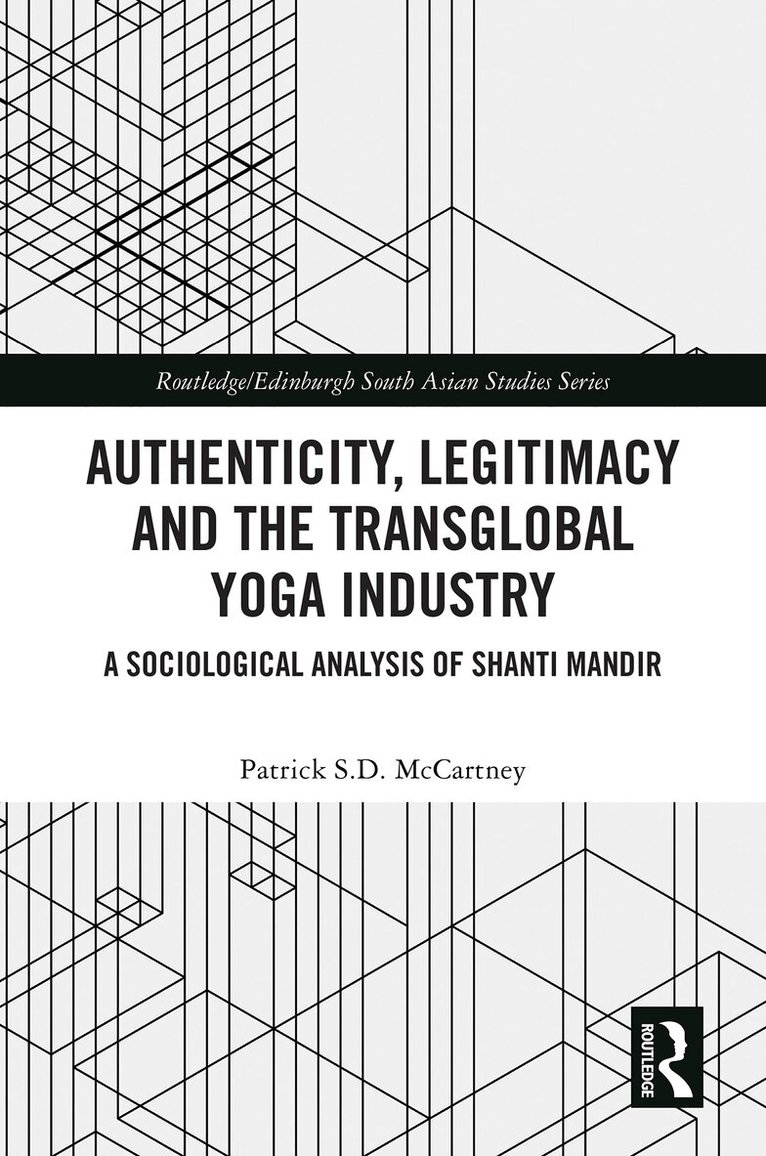
Authenticity, Legitimacy and the Transglobal Yoga Industry
A Sociological Analysis of Shanti Mandir
Inbunden, 2025
2510 kr
Lägg i varukorg
This book is a sociological study of knowledge and knowers and explores the production and perceived value of ‘yogic knowledge,’ how distinction is curated, and how access to this knowledge is gained.The book focuses on the organization Shanti Mandir (SM) in India, a new religious movement, which …
Authenticity, Legitimacy and the Transglobal Yoga Industry
A Sociological Analysis of Shanti Mandir
E-bok, 2025
813 kr
Lägg i varukorg
This book is a sociological study of knowledge and knowers and explores the production and perceived value of 'yogic knowledge,' how distinction is curated, and how access to this knowledge is gained.The book focuses on the organization Shanti Mandir (SM) in India, a new religious movement, which …
Authenticity, Legitimacy and the Transglobal Yoga Industry
A Sociological Analysis of Shanti Mandir
E-bok, 2025
813 kr
Lägg i varukorg
This book is a sociological study of knowledge and knowers and explores the production and perceived value of 'yogic knowledge,' how distinction is curated, and how access to this knowledge is gained.The book focuses on the organization Shanti Mandir (SM) in India, a new religious movement, which …
'Sanskrit-speaking' Villages, Linguistic Utopias and the Metaphysics of Development
Imagining Sanskritland
E-bok, 2026
831 kr
Lägg i varukorg
This book is a recollection of McCartney's journey across 'Sanskritland,' which is the term coined to refer to the utopian landscape within which the 'Language of the Gods' is thought to be spoken.There are three destinations on the author's journey. The first includes understanding how Sanskrit …
'Sanskrit-speaking' Villages, Linguistic Utopias and the Metaphysics of Development
Imagining Sanskritland
E-bok, 2026
813 kr
Lägg i varukorg
This book is a recollection of McCartney's journey across 'Sanskritland,' which is the term coined to refer to the utopian landscape within which the 'Language of the Gods' is thought to be spoken.There are three destinations on the author's journey. The first includes understanding how Sanskrit …