Paul A. Cantor – författare
316 kr
Skickas inom 5-8 vardagar
583 kr
Läs direkt efter köp
258 kr
Skickas inom 5-8 vardagar
379 kr
Skickas inom 7-10 vardagar
1 232 kr
Skickas inom 7-10 vardagar
621 kr
Skickas inom 3-6 vardagar
149 kr
Läs direkt efter köp
516 kr
Läs direkt efter köp
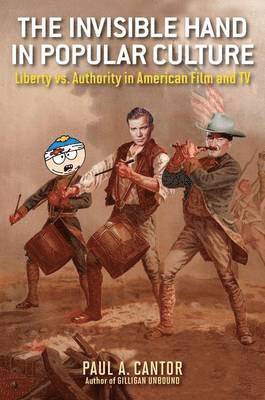
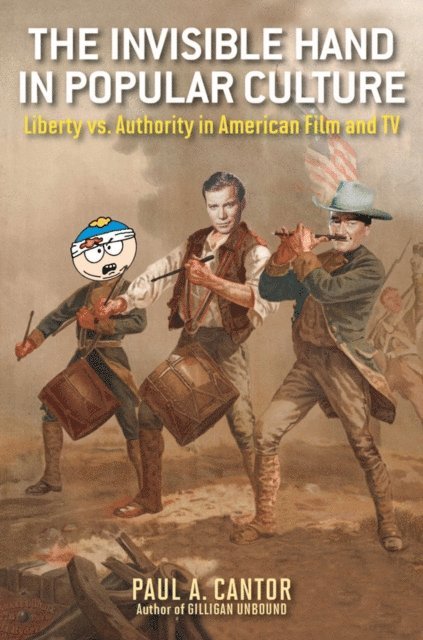
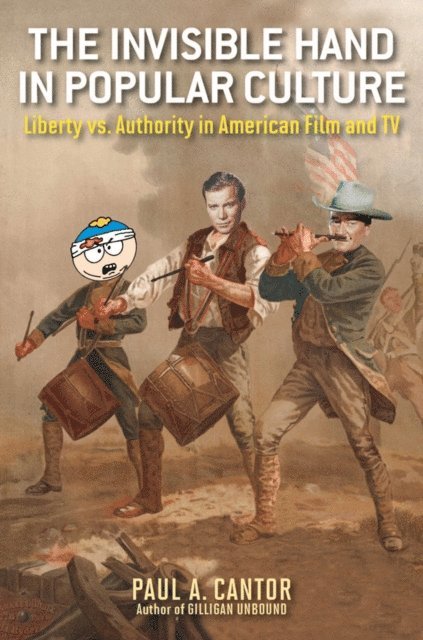
Popular culture often champions freedom as the fundamentally American way of life and celebrates the virtues of independence and self-reliance. But film and television have also explored the tension between freedom and other core values, such as order and political stability. What may look like healthy, productive, and creative freedom from one point of view may look like chaos, anarchy, and a source of destructive conflict from another. Film and television continually pose the question: Can Americans deal with their problems on their own, or must they rely on political elites to manage their lives?
In this groundbreaking work, Paul A. Cantor explores the ways in which television shows such as Star Trek, The X-Files, South Park, and Deadwood and films such as The Aviator and Mars Attacks! have portrayed both top-down and bottom-up models of order. Drawing on the works of John Locke, Adam Smith, Alexis de Tocqueville, and other proponents of freedom, Cantor contrasts the classical liberal vision of America -- particularly its emphasis on the virtues of spontaneous order -- with the Marxist understanding of the "culture industry" and the Hobbesian model of absolute state control.
The Invisible Hand in Popular Culture concludes with a discussion of the impact of 9/11 on film and television, and the new anxieties emerging in contemporary alien-invasion narratives: the fear of a global technocracy that seeks to destroy the nuclear family, religious faith, local government, and other traditional bulwarks against the absolute state.
486 kr
Skickas inom 3-6 vardagar
445 kr
Läs direkt efter köp
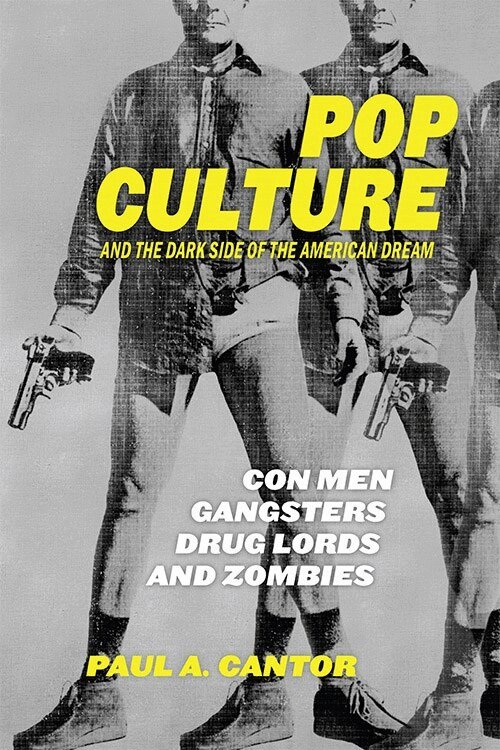
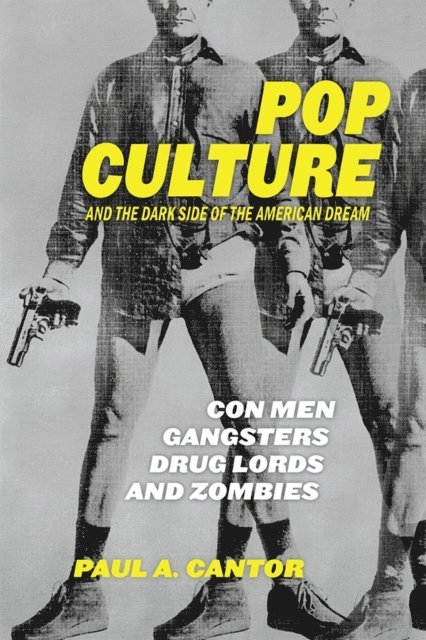
The many con men, gangsters, and drug lords portrayed in popular culture are examples of the dark side of the American dream. Viewers are fascinated by these twisted versions of heroic American archetypes, like the self-made man and the entrepreneur. Applying the critical skills he developed as a Shakespeare scholar, Paul A. Cantor finds new depth in familiar landmarks of popular culture. He invokes Shakespearean models to show that the concept of the tragic hero can help us understand why we are both repelled by and drawn to figures such as Vito and Michael Corleone or Walter White.
Beginning with Huckleberry Finn and ending with The Walking Dead, Cantor also uncovers the link between the American dream and frontier life. In imaginative variants of a Wild West setting, popular culture has served up disturbing -- and yet strangely compelling -- images of what happens when people move beyond the borders of law and order. Cantor demonstrates that, at its best, popular culture raises thoughtful questions about the validity and viability of the American dream, thus deepening our understanding of America itself.
494 kr
Läs direkt efter köp
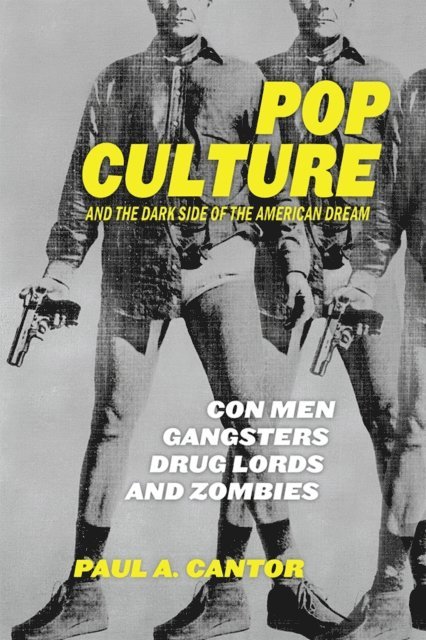
The many con men, gangsters, and drug lords portrayed in popular culture are examples of the dark side of the American dream. Viewers are fascinated by these twisted versions of heroic American archetypes, like the self-made man and the entrepreneur. Applying the critical skills he developed as a Shakespeare scholar, Paul A. Cantor finds new depth in familiar landmarks of popular culture. He invokes Shakespearean models to show that the concept of the tragic hero can help us understand why we are both repelled by and drawn to figures such as Vito and Michael Corleone or Walter White.
Beginning with Huckleberry Finn and ending with The Walking Dead, Cantor also uncovers the link between the American dream and frontier life. In imaginative variants of a Wild West setting, popular culture has served up disturbing -- and yet strangely compelling -- images of what happens when people move beyond the borders of law and order. Cantor demonstrates that, at its best, popular culture raises thoughtful questions about the validity and viability of the American dream, thus deepening our understanding of America itself.