Paul A. Gilje – författare
Visar alla böcker från författaren Paul A. Gilje. Handla med fri frakt och snabb leverans.
14 produkter
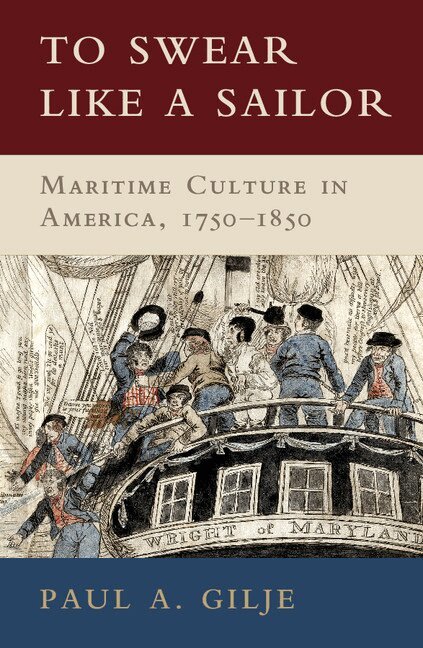
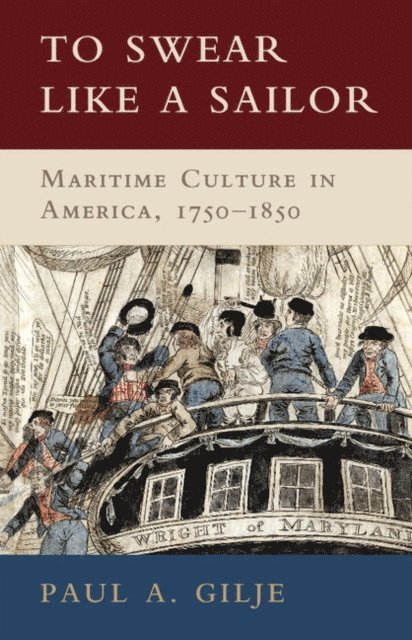
To Swear like a Sailor
Maritime Culture in America, 1750-1850
Häftad, 2016
502 kr
Lägg i varukorg
Anyone could swear like a sailor! Within the larger culture, sailors had pride of place in swearing. But how they swore and the reasons for their bad language were not strictly wedded to maritime things. Instead, sailor swearing, indeed all swearing in this period, was connected to larger …
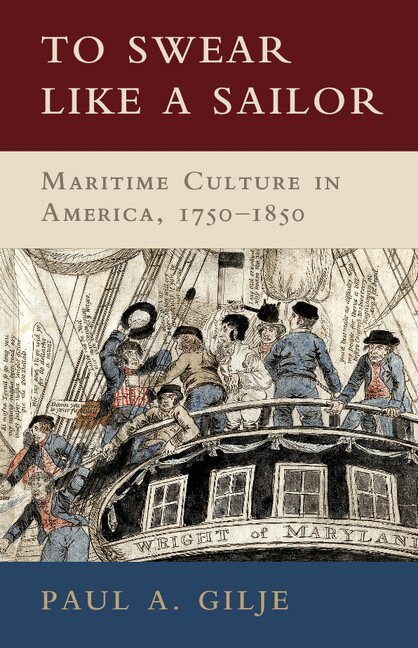
To Swear like a Sailor
Maritime Culture in America, 1750-1850
Inbunden, 2016
1458 kr
Lägg i varukorg
Anyone could swear like a sailor! Within the larger culture, sailors had pride of place in swearing. But how they swore and the reasons for their bad language were not strictly wedded to maritime things. Instead, sailor swearing, indeed all swearing in this period, was connected to larger …
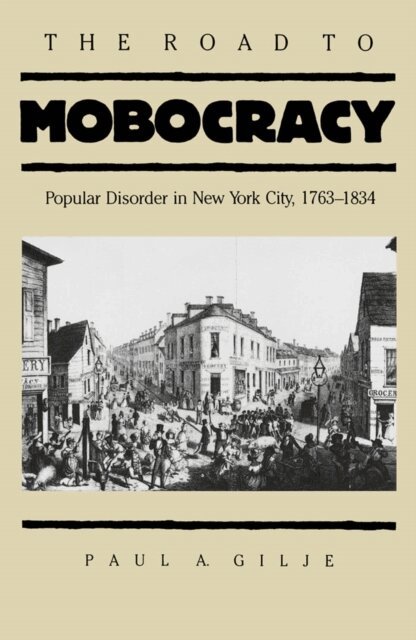
Road to Mobocracy
Popular Disorder in New York City, 1763-1834
Häftad, 1987
587 kr
Lägg i varukorg
The Road to Mobocracy is the first major study of public disorder in New York City from the Revolutionary period through the Jacksonian era. During that time, the mob lost its traditional, institutional role as corporate safety valve and social corrective, tolerated by public officials. It became …
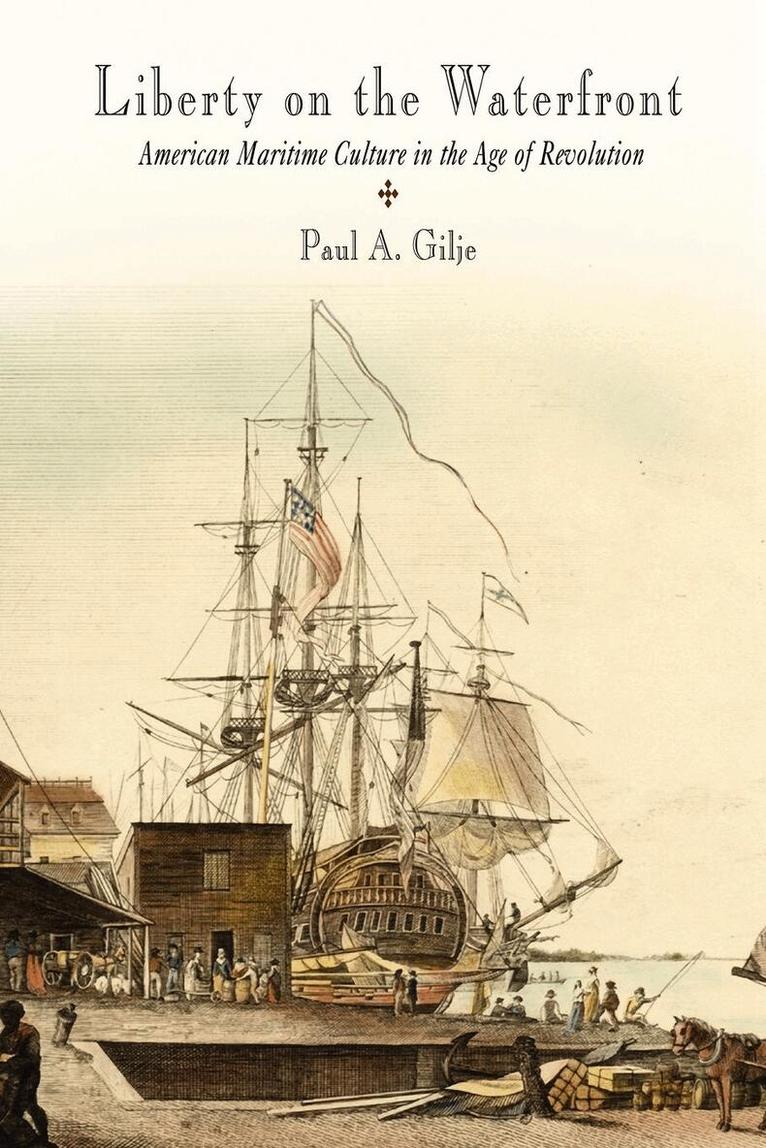
Liberty on the Waterfront
American Maritime Culture in the Age of Revolution
E-bok, 2012
504 kr
Lägg i varukorg
Through careful research and colorful accounts, historian Paul A. Gilje discovers what liberty meant to an important group of common men in American society, those who lived and worked on the waterfront and aboard ships. In the process he reveals that the idealized vision of liberty associated with …
Liberty on the Waterfront
American Maritime Culture in the Age of Revolution
Häftad, 2007
399 kr
Lägg i varukorg
Through careful research and colorful accounts, historian Paul A. Gilje discovers what liberty meant to an important group of common men in American society, those who lived and worked on the waterfront and aboard ships. In the process he reveals that the idealized vision of liberty associated with …
Wages of Independence
Capitalism in the Early American Republic
Häftad, 1997
471 kr
Lägg i varukorg
America between the Revolution and the Civil War was a society in full adolescence. Vibrant, cocky, feeling its own strength, and ready to take on the world, America was driven by an upstart economy and a capitalist bravado. The early republic, argues Paul Gilje in his cogent introduction, was the …
Free Trade and Sailors' Rights in the War of 1812
Inbunden, 2013
1509 kr
Lägg i varukorg
On 2 July 1812, Captain David Porter raised a banner on the USS Essex proclaiming 'a free trade and sailors rights', thus creating a political slogan that explained the War of 1812. Free trade demanded the protection of American commerce, while sailors' rights insisted that the British end the …
Free Trade and Sailors' Rights in the War of 1812
Häftad, 2013
586 kr
Lägg i varukorg
On 2 July 1812, Captain David Porter raised a banner on the USS Essex proclaiming 'a free trade and sailors rights', thus creating a political slogan that explained the War of 1812. Free trade demanded the protection of American commerce, while sailors' rights insisted that the British end the …
To Swear like a Sailor
Maritime Culture in America, 1750–1850
E-bok, 2016
487 kr
Lägg i varukorg
Anyone could swear like a sailor! Within the larger culture, sailors had pride of place in swearing. But how they swore and the reasons for their bad language were not strictly wedded to maritime things. Instead, sailor swearing, indeed all swearing in this period, was connected to larger …
To Swear like a Sailor
Maritime Culture in America, 1750–1850
E-bok, 2016
487 kr
Lägg i varukorg
Anyone could swear like a sailor! Within the larger culture, sailors had pride of place in swearing. But how they swore and the reasons for their bad language were not strictly wedded to maritime things. Instead, sailor swearing, indeed all swearing in this period, was connected to larger …
Road to Mobocracy
Popular Disorder in New York City, 1763-1834
E-bok, 2014
410 kr
Lägg i varukorg
The Road to Mobocracy is the first major study of public disorder in New York City from the Revolutionary period through the Jacksonian era. During that time, the mob lost its traditional, institutional role as corporate safety valve and social corrective, tolerated by public officials. It became …
American Artisans
Crafting Society Identity, 1750-1850
Av Howard B. Rock, Paul A. Gilje m. fl.
Häftad, 1996
262 kr
Tillfälligt slut
Given the fundamental changes that transformed American society in the years between Benjamin Franklin's apprenticeship in a printer's shop and mid-19th-century efforts to organize labouring men and women, no social group offers a more interesting spectacle than skilled tradesmen or artisans. They …
Pirates, Jack Tar and Memory
New Directions in American Maritime History
Av Paul a Gilje, William Pencak
Inbunden, 2007
295 kr
Tillfälligt slut