
Paul Barolsky – författare
Visar alla böcker från författaren Paul Barolsky. Handla med fri frakt och snabb leverans.
4 produkter
4 produkter
859 kr
Skickas
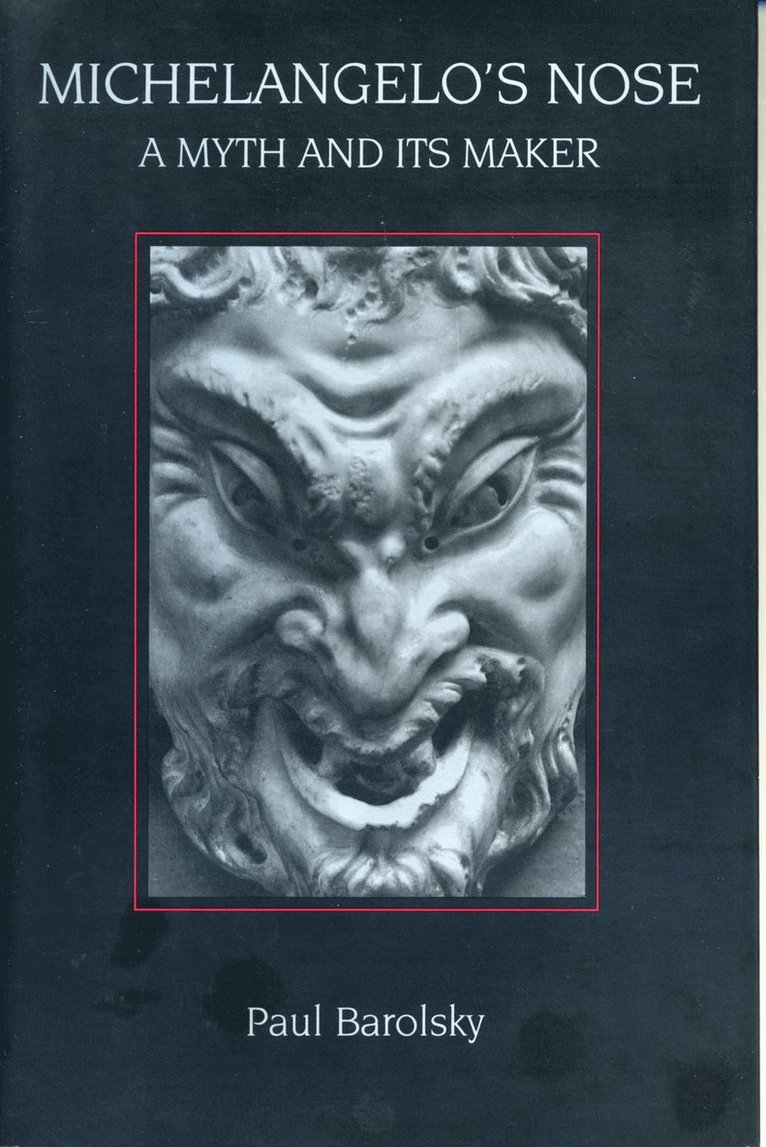
An exploration of the ways in which Michelangelo created himself.
387 kr
Skickas inom 7-10 vardagar
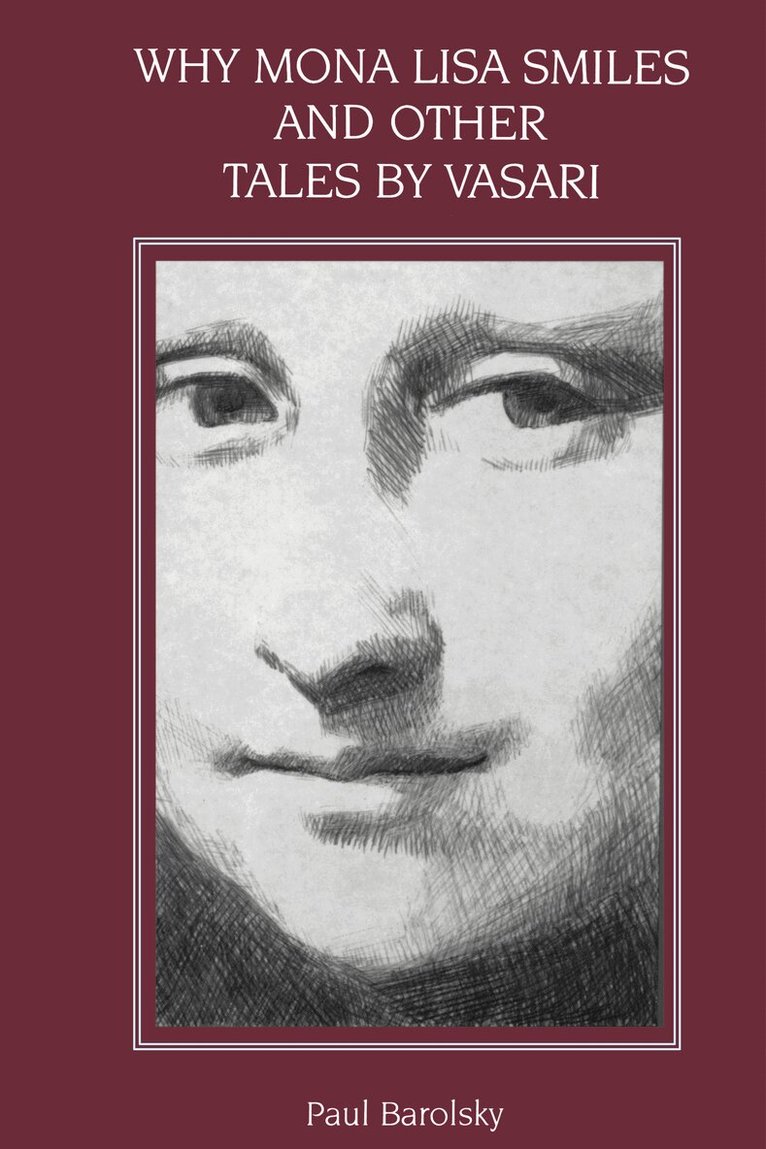
Art history as we know it would not exist without Vasari, and Barolsky shows us that something of the same claim should be made for literary history. He demonstrates the ways in which a literary approach to Vasari's book deepens our understanding of its historical, art-historical, and imaginative character. Why Mona Lisa Smiles discusses Vasari's shrewd, witty, intimate awareness of Dante, Petrarch, and Boccaccio and relates the Lives to the works of Castiglione, Aretino, Cellini, and Rabelais. Barolsky reveals the unexpected fantasy of Vasari, who imagined and then invented artists and works of art, totally fabricating the lives of artists about whom he knew little or nothing. Barolsky traces the myth of Pygmalion through the Lives, demonstrating that Vasari was himself a Pygmalion in words and showing how he wittily played on the names of artists, revealing these poetical fantasies as part of the very iconography of Renaissance art. By approaching the Lives as a combination of genres—biography, history, novella, autobiography, novel, and literary banquet—Barolsky connects Vasari's highly fictionalized history to the modern historical novel. The fictional character of Vasari's book should not be ignored or dismissed by art historians, Barolsky insists, since it is itself a historical document—the record of how a painter and writer of extraordinary sensibility beheld works of art at a particular moment in history. Barolsky's unique approach to the Lives makes this study a valuable contribution to the history of the reception of art.
607 kr
Skickas inom 5-8 vardagar
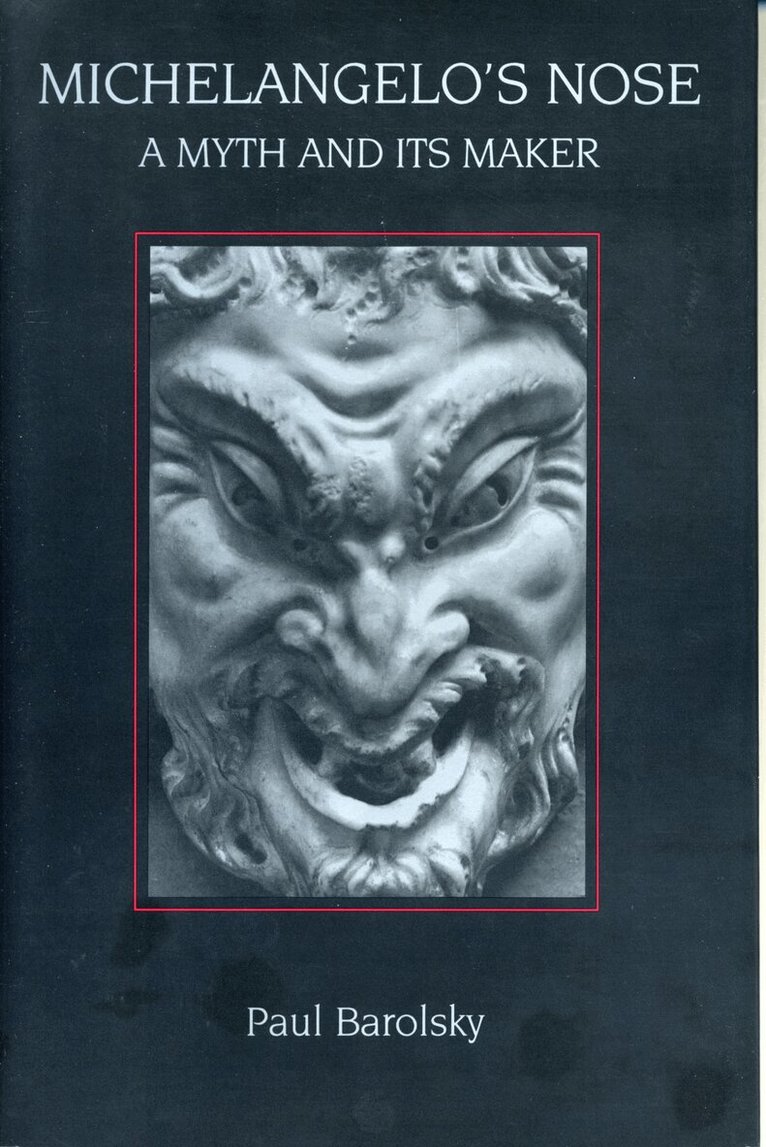
An exploration of the ways in which Michelangelo created himself.
300 kr
Skickas inom 7-10 vardagar
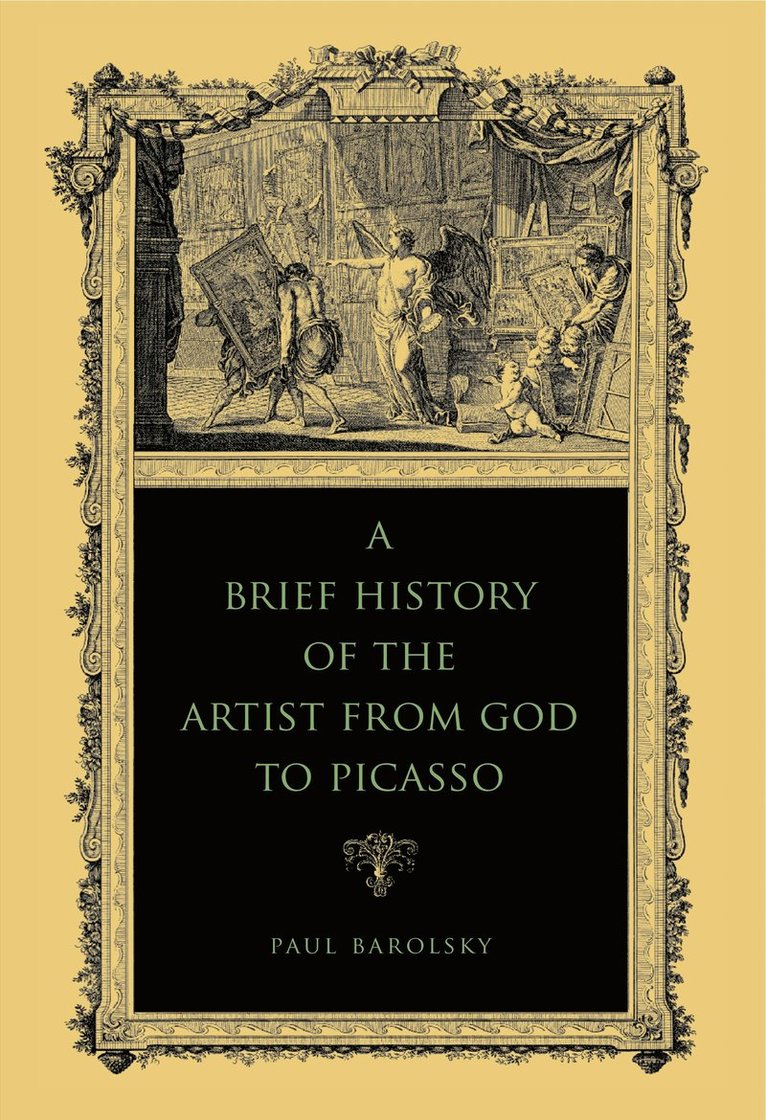
In A Brief History of the Artist from God to Picasso, Paul Barolsky explores the ways in which fiction shapes history and history informs fiction. It is a playful book about artistic obsession, about art history as both tragedy and farce, and about the heroic and the mock-heroic. The book demonstrates that the modern idea of the artist has deep roots in the image of the epic poet, from Homer to Ovid to Dante. Barolsky’s major claim is that the history of the artist is inseparable from historical fiction about the artist and that fiction is essential to the reality of the artist’s imagination.