Paul Bew – författare
Visar alla böcker från författaren Paul Bew. Handla med fri frakt och snabb leverans.
14 produkter
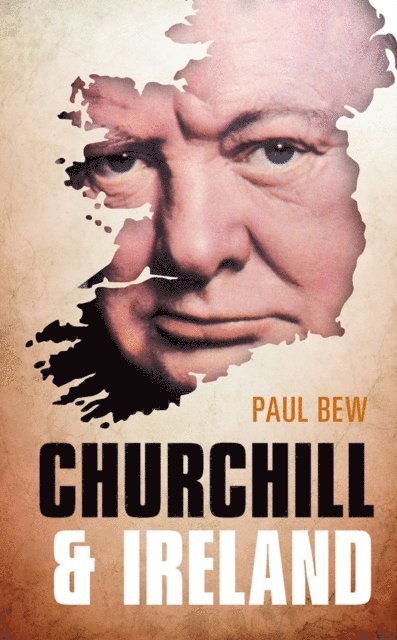
Churchill and Ireland
Av Paul Bew
E-bok, 2016
101 kr
Lägg i varukorg
Winston Churchill spent his early childhood in Ireland, had close Irish relatives, and was himself much involved in Irish political issues for a large part of his career. He took Ireland very seriously -- and not only because of its significance in the Anglo-American relationship. Churchill, in …
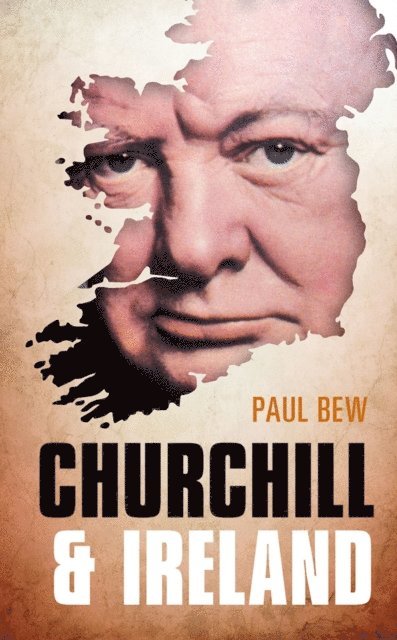
Churchill and Ireland
Av Paul Bew
E-bok, 2016
101 kr
Lägg i varukorg
Winston Churchill spent his early childhood in Ireland, had close Irish relatives, and was himself much involved in Irish political issues for a large part of his career. He took Ireland very seriously -- and not only because of its significance in the Anglo-American relationship. Churchill, in …
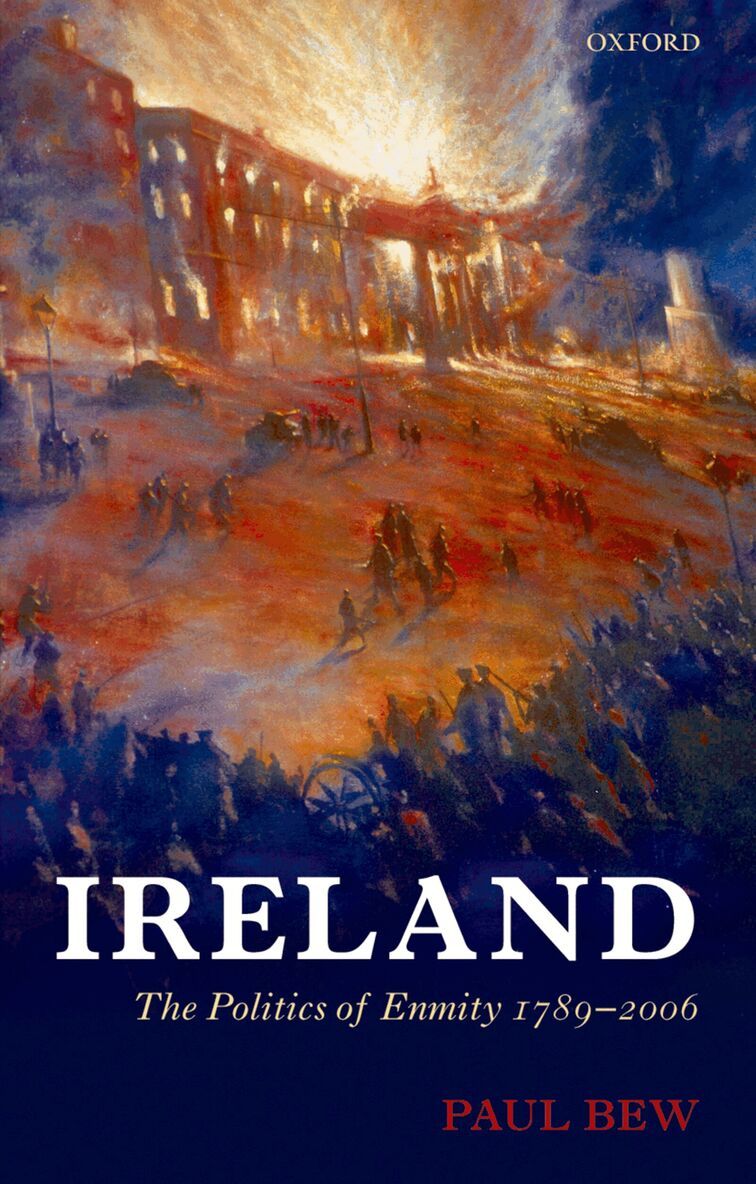
Ireland
The Politics of Enmity 1789-2006
Av Paul Bew
E-bok, 2007
638 kr
Lägg i varukorg
The French revolution had an electrifying impact on Irish society. The 1790s saw the birth of modern Irish republicanism and Orangeism, whose antagonism remains a defining feature of Irish political life. The 1790s also saw the birth of a new approach to Ireland within important elements of the …
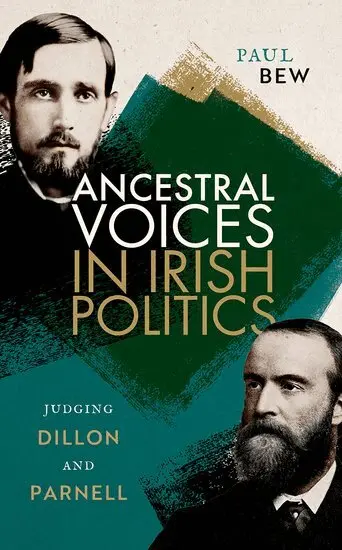
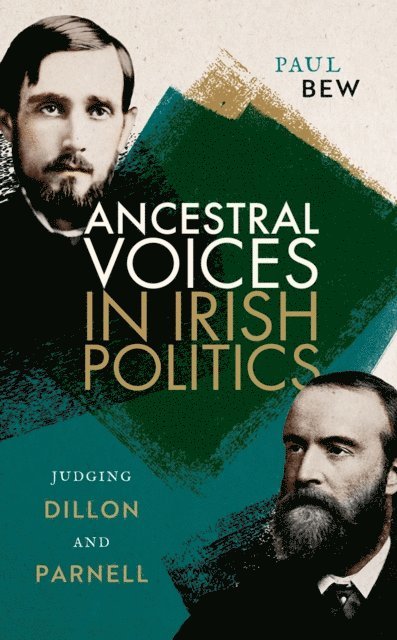
Ancestral Voices in Irish Politics
Judging Dillon and Parnell
Av Paul Bew
Inbunden, 2023
404 kr
Lägg i varukorg
The story of Charles Stewart Parnell, one of the greatest Irish leaders of the nineteenth century and also one of the most renowned figures of the 1880s on the international stage, and John Dillon, the most celebrated of Parnell's lieutenants. As Paul Bew shows, the differences between the two men …
Ancestral Voices in Irish Politics
Judging Dillon and Parnell
Av Paul Bew
E-bok, 2023
319 kr
Lägg i varukorg
The story of Charles Stewart Parnell, one of the greatest Irish leaders of the nineteenth century and also one of the most renowned figures of the 1880s on the international stage, and John Dillon, the most celebrated of Parnell''s lieutenants. As Paul Bew shows, the differences between the two men …
Ancestral Voices in Irish Politics
Judging Dillon and Parnell
Av Paul Bew
E-bok, 2023
319 kr
Lägg i varukorg
The story of Charles Stewart Parnell, one of the greatest Irish leaders of the nineteenth century and also one of the most renowned figures of the 1880s on the international stage, and John Dillon, the most celebrated of Parnell''s lieutenants. As Paul Bew shows, the differences between the two men …
Ireland
The Politics of Enmity 1789-2006
Av Paul Bew
Inbunden, 2007
1777 kr
Lägg i varukorg
The French revolution had an electrifying impact on Irish society. The 1790s saw the birth of modern Irish republicanism and Orangeism, whose antagonism remains a defining feature of Irish political life. The 1790s also saw the birth of a new approach to Ireland within important elements of the …
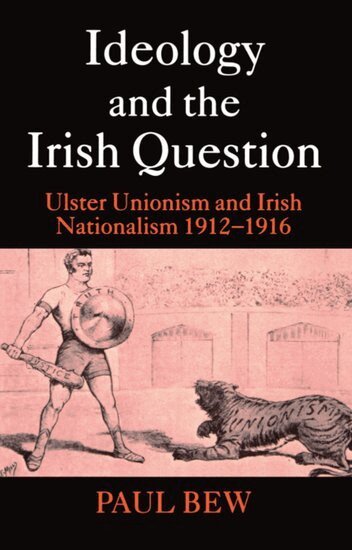
Ideology and the Irish Question
Ulster Unionism and Irish Nationalism 1912-1916
Av Paul Bew
Häftad, 1998
1110 kr
Lägg i varukorg
Going right to the heart of the Irish Question, Paul Bew offers a new interpretation of Irish politics in the critical 1912-1916 period. He re-examines the issues at stake in the home rule crisis of 1912-14, arguing that the then leader of constitutional nationalism, John Redmond, possessed a …
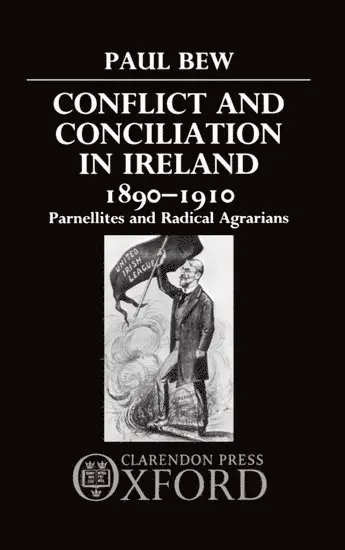
Conflict and Conciliation in Ireland 1890-1910
Parnellites and Radical Agrarians
Av Paul Bew
Inbunden, 1987
2215 kr
Lägg i varukorg
This book explores the dilemma of Irish constitutional nationalism in the period from the fall of Parnell to the rise of Sinn Fein, when the two competing wings of conciliators and militants, struggled for control of the movement.By laying stress on the grass roots dimensions and divisions of Irish …
Churchill and Ireland
Av Paul Bew
Inbunden, 2016
149 kr
Lägg i varukorg
Winston Churchill spent his early childhood in Ireland, had close Irish relatives, and was himself much involved in Irish political issues for a large part of his career. He took Ireland very seriously - and not only because of its significance in the Anglo-American relationship. Churchill, in …
Churchill and Ireland
Av Paul Bew
Häftad, 2018
149 kr
Lägg i varukorg
Winston Churchill spent his early childhood in Ireland, had close Irish relatives, and was himself much involved in Irish political issues for a large part of his career. He took Ireland very seriously -- and not only because of its significance in the Anglo-American relationship. Churchill, in …
Ireland
The Politics of Enmity 1789-2006
Av Paul Bew
Häftad, 2009
905 kr
Lägg i varukorg
The French revolution had an electrifying impact on Irish society. The 1790s saw the birth of modern Irish republicanism and Orangeism, whose antagonism remains a defining feature of Irish political life. The 1790s also saw the birth of a new approach to Ireland within important elements of the …
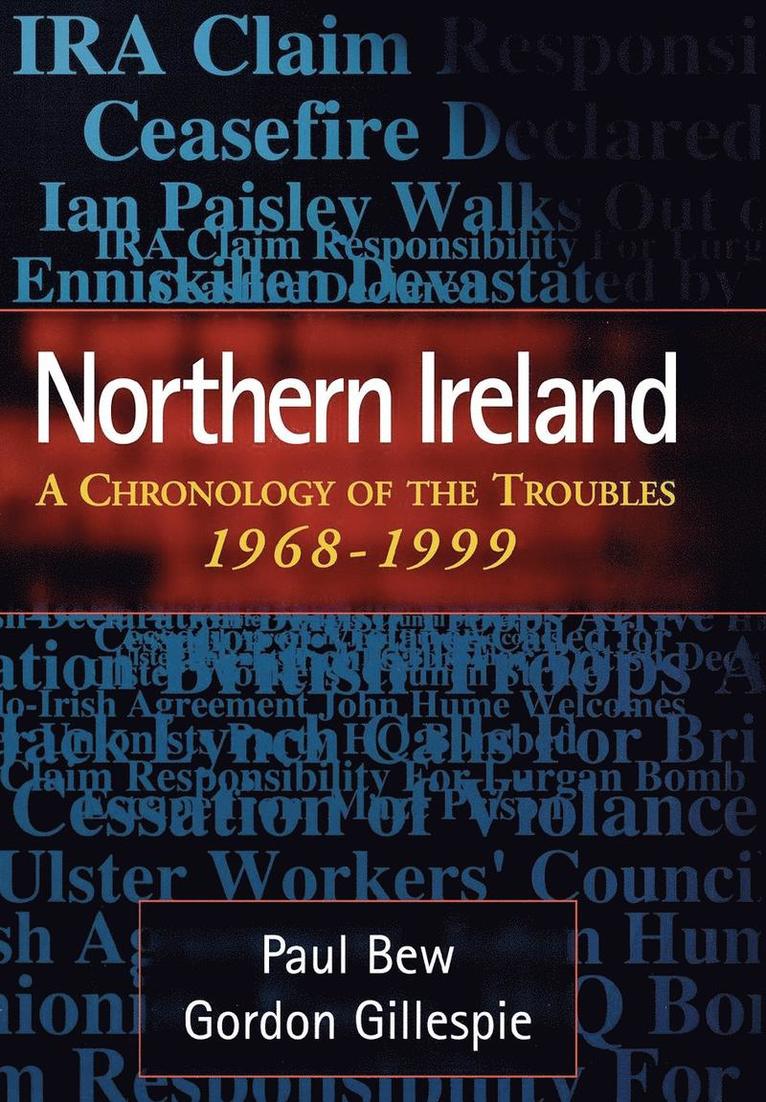
Northern Ireland
A Chronology of the Troubles, 1968-1999
Inbunden, 1999
2001 kr
Lägg i varukorg
This outstandingly successful work of reference is now brought up to date to mark the hoped-for end of the Northern Ireland Troubles. The book is a detailed account, in diary form, of the thirty-year development of civil and political unrest in Northern Ireland. It also contains a number of short …
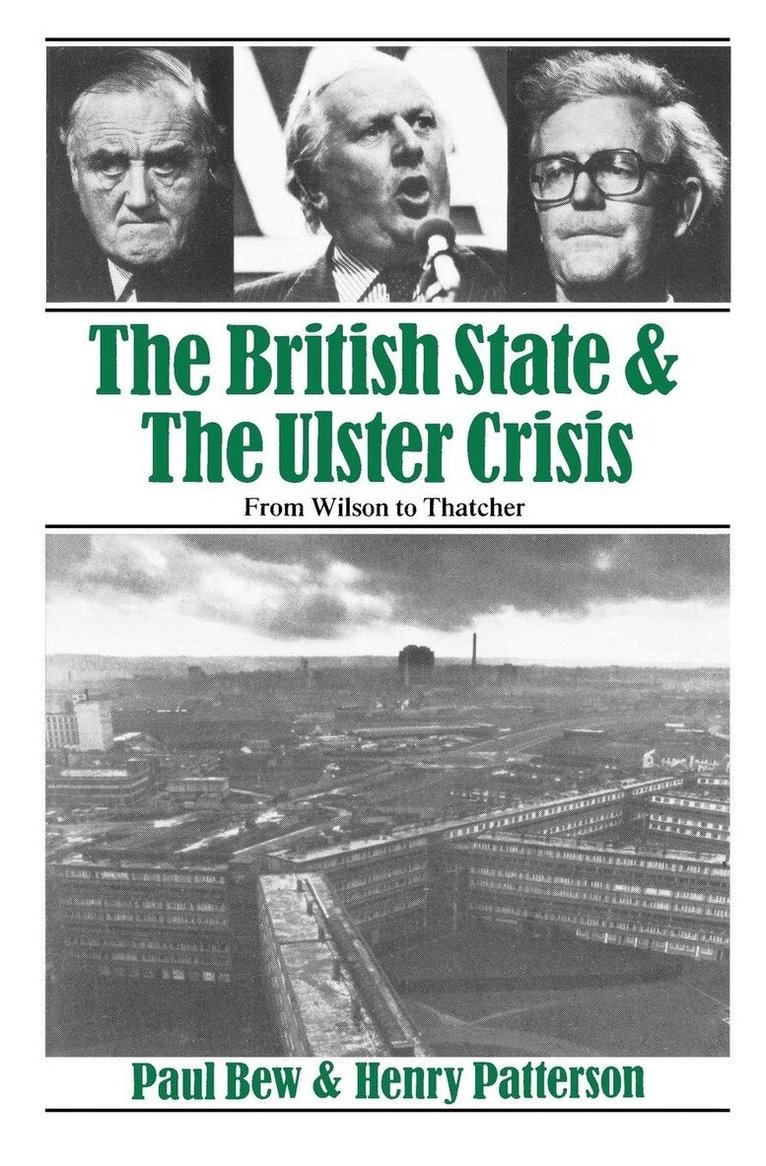
British State and the Ulster Crisis
From Wilson to Thatcher
Häftad, 1985
276 kr
Lägg i varukorg
It is widely argued that Britain has always followed a coherent imperialist strategy in Northern Ireland. Paul Bew and Henry Patterson take issue with this assumption in the first serious study of British policy towards Ulster over the past twenty years. They demonstrate, through a detailed …