Paul Bushkovitch – författare
Visar alla böcker från författaren Paul Bushkovitch. Handla med fri frakt och snabb leverans.
15 produkter
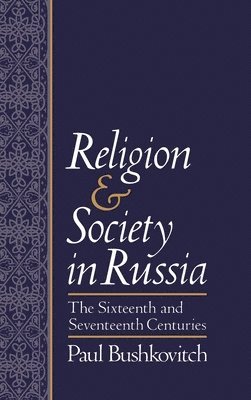
Religion and Society in Russia
The Sixteenth and Seventeenth Centuries
Inbunden, 1992
1755 kr
Lägg i varukorg
Bushkovitch's book traces the evolution of religious attitudes in this important transitional period in Russian history. The sixteenth and seventeenth centuries in Russia saw the gradual decline of monastic spirituality, the rise of miracle cults, and ultimately the birth of a more personal and …
Religion and Society in Russia
The Sixteenth and Seventeenth Centuries
E-bok, 1992
1171 kr
Lägg i varukorg
This book traces the evolution of religious attitudes in an important transitional period in Russian history. The sixteenth and seventeenth centuries in Russia saw the gradual decline of monastic spirituality, the rise of miracle cults, and ultimately the birth of a more personal and private faith …
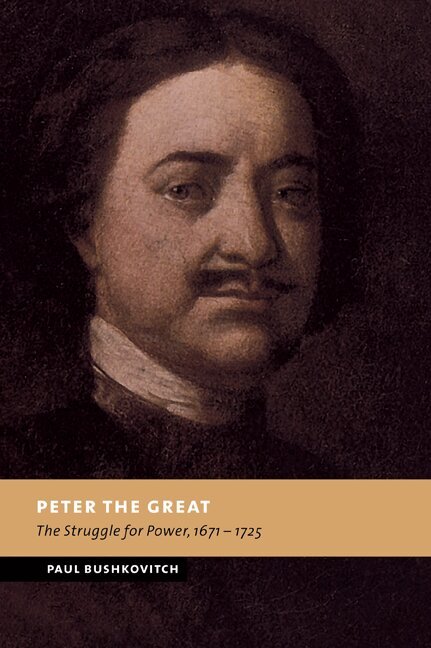
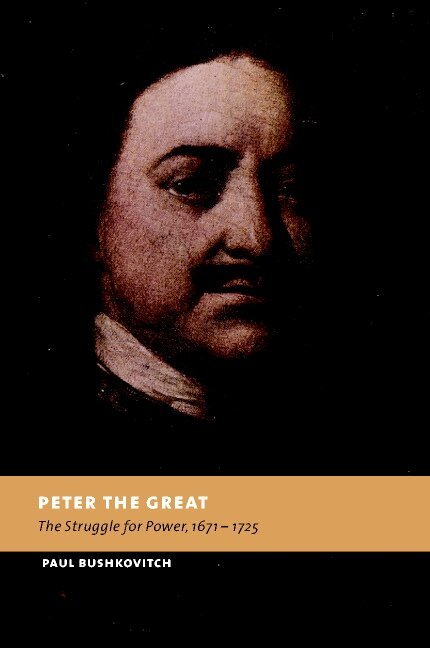
Peter the Great
The Struggle for Power, 1671-1725
Häftad, 2007
918 kr
Lägg i varukorg
A narrative of the fifty years of political struggles at the Russian court, 1671-1725. This book shows how Peter the Great was not the all-powerful tsar working alone to reform Russia, but that he colluded with powerful and contentious aristocrats in order to achieve his goals. After the early …
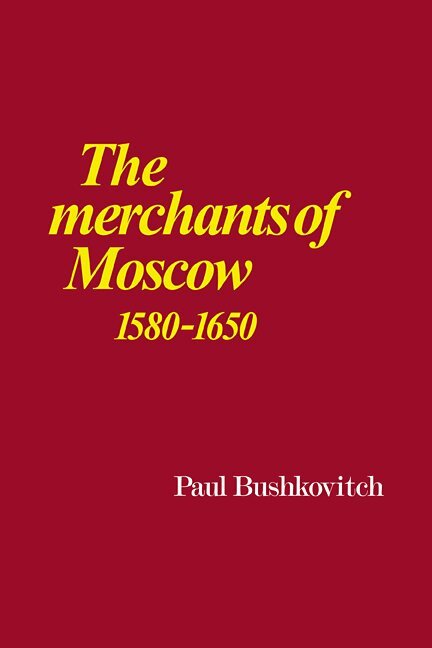
The Merchants of Moscow 1580-1650
Häftad, 2008
586 kr
Lägg i varukorg
Using evidence drawn from archives in Moscow, Professor Bushkovitch challenges conventional analyses of trade and industry during this period. The Merchants of Moscow 1580-1650 examines the formation of the merchant class in Russia before the reforms of Peter the Great, focusing on the role of the …
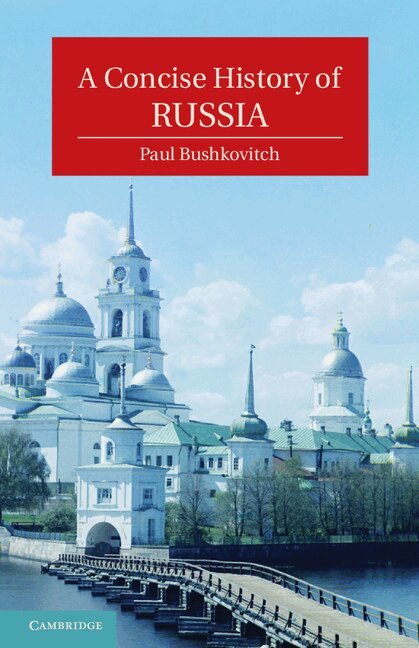
A Concise History of Russia
Häftad, 2011
403 kr
Lägg i varukorg
Accessible to students, tourists and general readers alike, this book provides a broad overview of Russian history since the ninth century. Paul Bushkovitch emphasizes the enormous changes in the understanding of Russian history resulting from the end of the Soviet Union in 1991. Since then, new …
Peter the Great
The Struggle for Power, 1671-1725
Inbunden, 2001
2091 kr
Lägg i varukorg
A narrative of the fifty years of political struggles at the Russian court, 1671-1725. This book shows how Peter the Great was not the all-powerful tsar working alone to reform Russia, but that he colluded with powerful and contentious aristocrats in order to achieve his goals. After the early …
A Concise History of Russia
Inbunden, 2011
1526 kr
Lägg i varukorg
Accessible to students, tourists and general readers alike, this book provides a broad overview of Russian history since the ninth century. Paul Bushkovitch emphasizes the enormous changes in the understanding of Russian history resulting from the end of the Soviet Union in 1991. Since then, new …
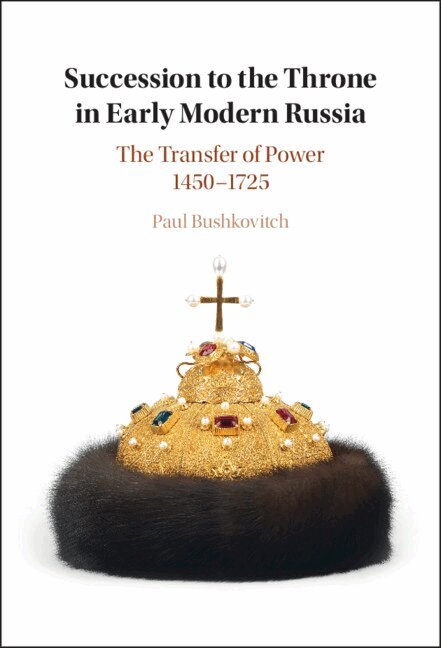
Succession to the Throne in Early Modern Russia
The Transfer of Power 1450-1725
Inbunden, 2021
2314 kr
Lägg i varukorg
This revisionist history of succession to the throne in early modern Russia, from the Moscow princes of the fifteenth century to Peter the Great, argues that legal primogeniture never existed: the monarch designated an heir that was usually the eldest son only by custom, not by law. Overturning …
Succession to the Throne in Early Modern Russia
The Transfer of Power 1450-1725
Häftad, 2024
451 kr
Lägg i varukorg
This revisionist history of succession to the throne in early modern Russia, from the Moscow princes of the fifteenth century to Peter the Great, argues that legal primogeniture never existed: the monarch designated an heir that was usually the eldest son only by custom, not by law. Overturning …
Succession to the Throne in Early Modern Russia
The Transfer of Power 1450–1725
E-bok, 2021
427 kr
Lägg i varukorg
This revisionist history of succession to the throne in early modern Russia, from the Moscow princes of the fifteenth century to Peter the Great, argues that legal primogeniture never existed: the monarch designated an heir that was usually the eldest son only by custom, not by law. Overturning …
Succession to the Throne in Early Modern Russia
The Transfer of Power 1450–1725
E-bok, 2021
427 kr
Lägg i varukorg
This revisionist history of succession to the throne in early modern Russia, from the Moscow princes of the fifteenth century to Peter the Great, argues that legal primogeniture never existed: the monarch designated an heir that was usually the eldest son only by custom, not by law. Overturning …
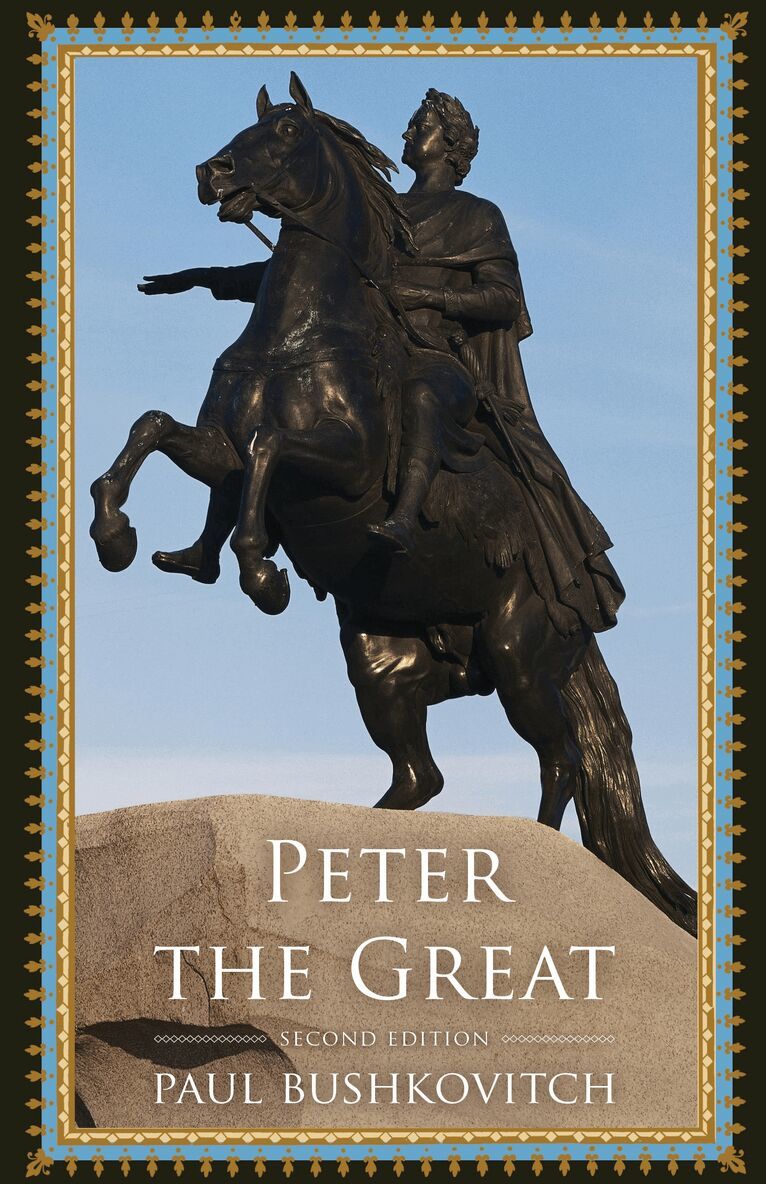
Peter the Great
Inbunden, 2016
1286 kr
Lägg i varukorg
Centuries after he ruled Russia from 1689 to 1725, Peter the Great remains one of the most revered and enigmatic leaders in world history. Now in a new edition, this penetrating study by noted Yale historian Paul Bushkovitch casts new light on Peter and his times, and demonstrates why it is …
Peter the Great
Häftad, 2016
489 kr
Lägg i varukorg
Centuries after he ruled Russia from 1689 to 1725, Peter the Great remains one of the most revered and enigmatic leaders in world history. Now in a new edition, this penetrating study by noted Yale historian Paul Bushkovitch casts new light on Peter and his times, and demonstrates why it is …
Peter the Great
E-bok, 2016
530 kr
Lägg i varukorg
Centuries after he ruled Russia from 1689 to 1725, Peter the Great remains one of the most revered and enigmatic leaders in world history. Now in a new edition, this penetrating study by noted Yale historian Paul Bushkovitch casts new light on Peter and his times, and demonstrates why it is …
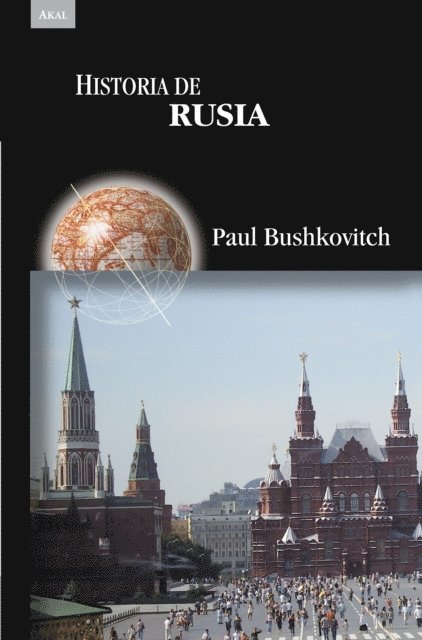
Historia de Rusia
E-bok, 2013
170 kr
Lägg i varukorg
Mediante una impactante e imparcial panorámica de la historia rusa desde el siglo ix, Paul Bushkovitch nos ofrece un profundo y objetivo análisis de la evolución política de una de las mayores potencias mundiales, así como los cambios habidos en su literatura, arte y ciencia. Dejando de lado a …