Paul Chaat Smith - Böcker
Visar alla böcker från författaren Paul Chaat Smith. Handla med fri frakt och snabb leverans.
2 produkter
2 produkter
232 kr
Skickas inom 7-10 vardagar
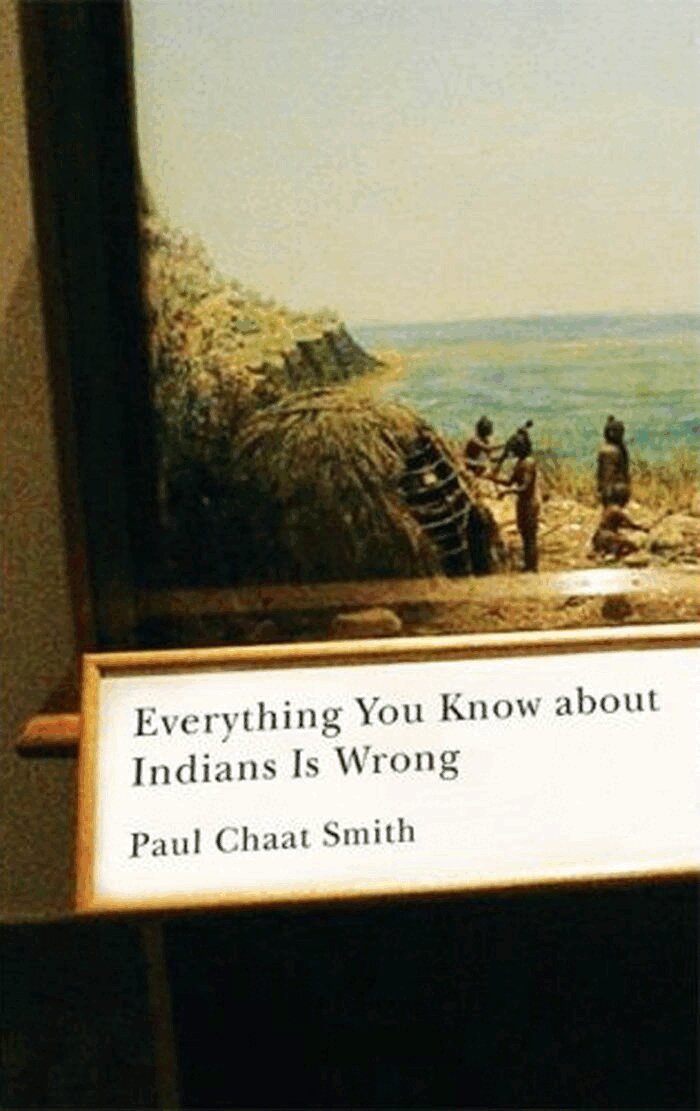
In this sweeping work of memoir and commentary, leading cultural critic Paul Chaat Smith illustrates with dry wit and brutal honesty the contradictions of life in “the Indian business.” Raised in suburban Maryland and Oklahoma, Smith dove head first into the political radicalism of the 1970s, working with the American Indian Movement until it dissolved into dysfunction and infighting. Afterward he lived in New York, the city of choice for political exiles, and eventually arrived in Washington, D.C., at the newly minted National Museum of the American Indian (“a bad idea whose time has come”) as a curator. In his journey from fighting activist to federal employee, Smith tells us he has discovered at least two things: there is no one true representation of the American Indian experience, and even the best of intentions sometimes ends in catastrophe. Everything You Know about Indians Is Wrong is a highly entertaining and, at times, searing critique of the deeply disputed role of American Indians in the United States. In “A Place Called Irony,” Smith whizzes through his early life, showing us the ironic pop culture signposts that marked this Native American’s coming of age in suburbia: “We would order Chinese food and slap a favorite video into the machine-the Grammy Awards or a Reagan press conference-and argue about Cyndi Lauper or who should coach the Knicks.” In “Lost in Translation,” Smith explores why American Indians are so often misunderstood and misrepresented in today’s media: “We’re lousy television.” In “Every Picture Tells a Story,” Smith remembers his Comanche grandfather as he muses on the images of American Indians as “a half-remembered presence, both comforting and dangerous, lurking just below the surface.” Smith walks this tightrope between comforting and dangerous, offering unrepentant skepticism and, ultimately, empathy. “This book is called Everything You Know about Indians Is Wrong, but it’s a book title, folks, not to be taken literally. Of course I don’t mean everything, just most things. And ‘you’ really means we, as in all of us.”

197 kr
Skickas inom 5-8 vardagar
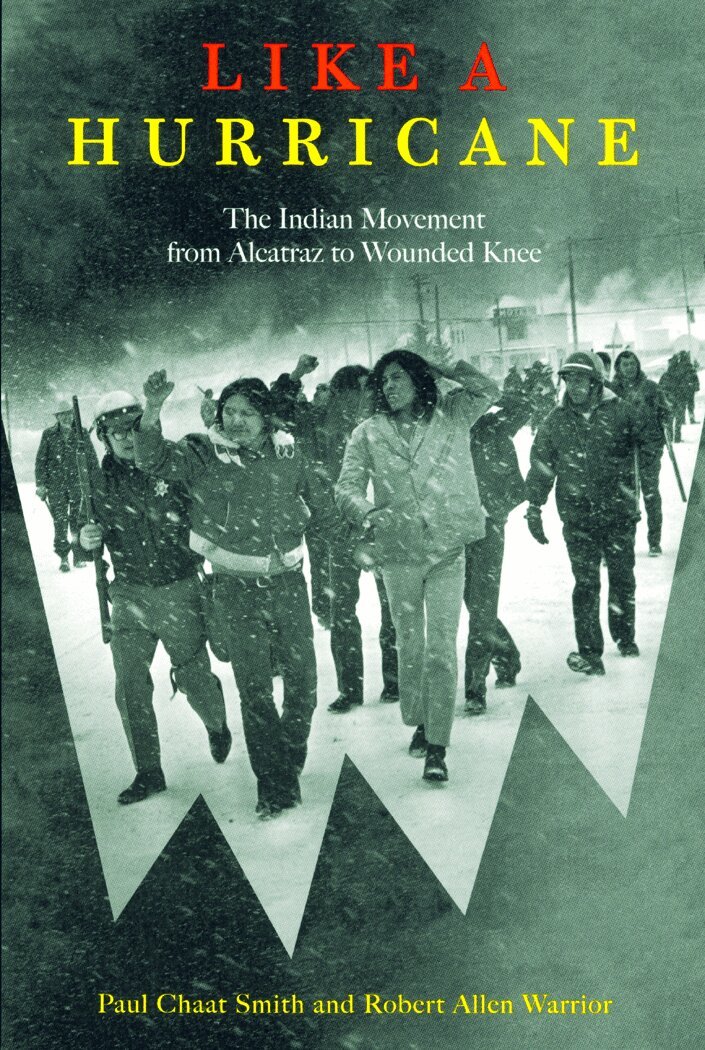
It's the mid-1960s, and everyone is fighting back. Black Americans are fighting for civil rights, the counterculture is trying to subvert the Vietnam War, and women are fighting for their liberation. Indians were fighting, too, though it's a fight too few have documented, and even fewer remember. At the time, newspapers and television broadcasts were filled with images of Indian activists staging dramatic events such as the seizure of Alcatraz in 1969, the storming of the Bureau of Indian Affairs building on the eve of Nixon's re-election in 1972, and the American Indian Movement (AIM)-supported seizure of Wounded Knee by the Oglala Sioux in 1973. Like a Hurricane puts these events into historical context and provides one of the first narrative accounts of that momentous period.Unlike most other books written about American Indians, this book does not seek to persuade readers that government policies were cruel and misguided. Nor is it told from the perspective of outsiders looking in. Written by two American Indians, Paul Chaat Smith and Robert Allen Warrior, Like a Hurricane is a gripping account of how for a brief, but brilliant season Indians strategized to change the course and tone of American Indian-U.S. government interaction. Unwaveringly honest, it analyzes not only the period's successes but also its failures.Smith and Warrior have gathered together the stories of both the leaders and foot soldiers of AIM, conservative tribal leaders, top White House aides, and the ordinary citizens caught up in the maelstrom of activity that would shape a new generation of political thought. Here are insider accounts of how local groups coalesced to form a national movement for change. Here, too, is a clear-eyed assessment of the period's key leaders: the fancy dance revolutionary Clyde Warrior, the enigmatic Hank Adams, and AIM leaders Dennis Banks and Russell Means. The result is a human story of drama, sacrifice, triumph, and tragedy that gives a ground-level view of events that forever changed the lives of Americans, particularly American Indians.