Paul Djupe - Böcker
Visar alla böcker från författaren Paul Djupe. Handla med fri frakt och snabb leverans.
9 produkter
9 produkter
942 kr
Skickas inom 11-20 vardagar
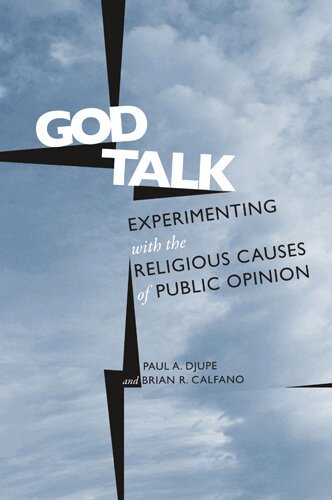
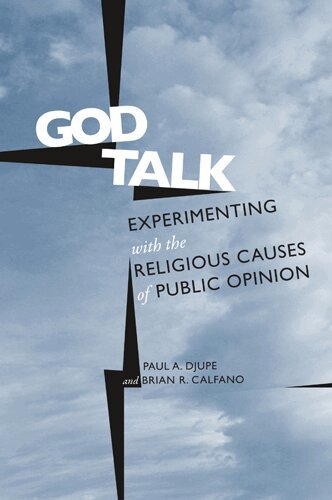
Religion’s influence on public opinion, politics, and candidates has been widely discussed in political science for a generation. God Talk isthe first volume that uses experimental methodology to establish whether and how that influence works. Paul Djupe and Brian Calfano provide an unprecedented look at how religious cues, values, and identity-driven appeals impact candidate selection, trust, interest group support, and U.S. public opinion about tolerance, the environment, foreign policy, and related issues. By situating their disparate, randomly assigned interventions within the broader framework of elite-based influence, the authors apply their new methodology to three questions: How do clergy affect congregation members? How are religious elites and groups and their public arguments evaluated? With what effect do political elites use religion? The results of their research provide a compelling framework for understanding the links between religion and politics.In the series The Social Logic of Politics, edited by Scott McClurg
309 kr
Skickas inom 11-20 vardagar
Religion’s influence on public opinion, politics, and candidates has been widely discussed in political science for a generation. God Talk isthe first volume that uses experimental methodology to establish whether and how that influence works. Paul Djupe and Brian Calfano provide an unprecedented look at how religious cues, values, and identity-driven appeals impact candidate selection, trust, interest group support, and U.S. public opinion about tolerance, the environment, foreign policy, and related issues. By situating their disparate, randomly assigned interventions within the broader framework of elite-based influence, the authors apply their new methodology to three questions: How do clergy affect congregation members? How are religious elites and groups and their public arguments evaluated? With what effect do political elites use religion? The results of their research provide a compelling framework for understanding the links between religion and politics.In the series The Social Logic of Politics, edited by Scott McClurg
912 kr
Skickas inom 7-10 vardagar
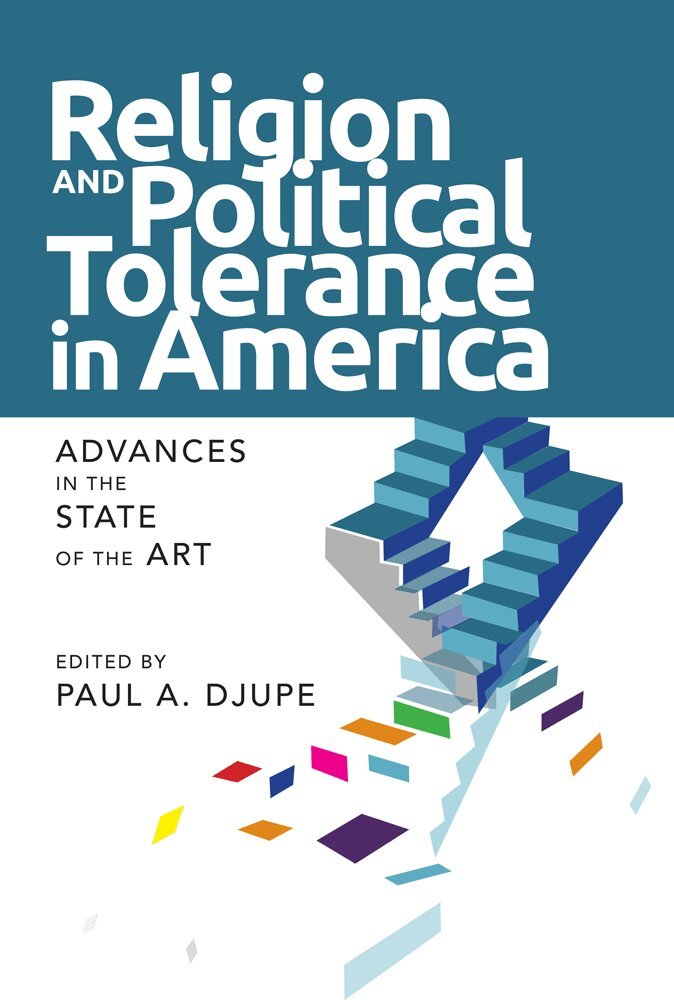
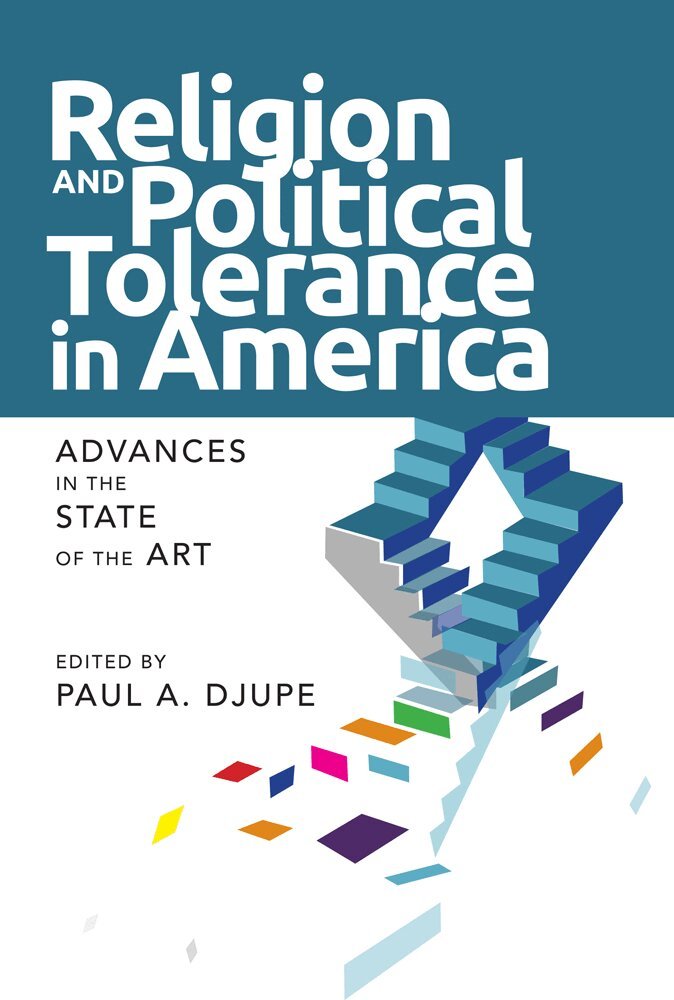
Religious institutions are often engaged in influencing the beliefs and values that individuals hold. But religious groups can also challenge how people think about democracy, including the extension of equal rights and liberties regardless of viewpoint, or what is commonly called political tolerance.The essays in Religion and Political Tolerance in America seek to understand how these elements interrelate. The editor and contributors to this important volume present new and innovative research that wrestles with the fundamental question of the place of religion in democratic society. They address topics ranging from religious contributions to social identity to the political tolerance that religious elites (clergy) hold and advocate to others, and how religion shapes responses to intolerance.The conclusion, by Ted Jelen, emphasizes that religion’s take on political tolerance is nuanced and that they are not incompatible; religion can sometimes enhance the tolerance of ordinary citizens.
335 kr
Skickas inom 7-10 vardagar
Religious institutions are often engaged in influencing the beliefs and values that individuals hold. But religious groups can also challenge how people think about democracy, including the extension of equal rights and liberties regardless of viewpoint, or what is commonly called political tolerance.The essays in Religion and Political Tolerance in America seek to understand how these elements interrelate. The editor and contributors to this important volume present new and innovative research that wrestles with the fundamental question of the place of religion in democratic society. They address topics ranging from religious contributions to social identity to the political tolerance that religious elites (clergy) hold and advocate to others, and how religion shapes responses to intolerance.The conclusion, by Ted Jelen, emphasizes that religion’s take on political tolerance is nuanced and that they are not incompatible; religion can sometimes enhance the tolerance of ordinary citizens.
1 109 kr
Skickas inom 7-10 vardagar
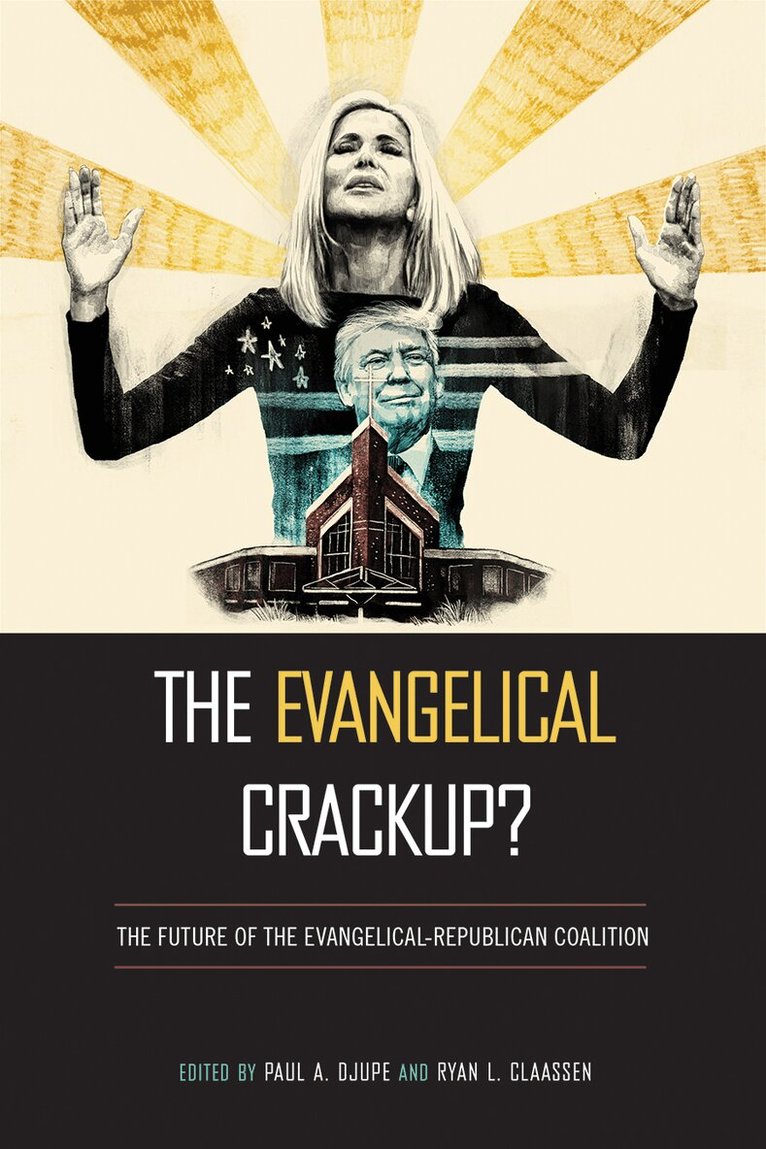
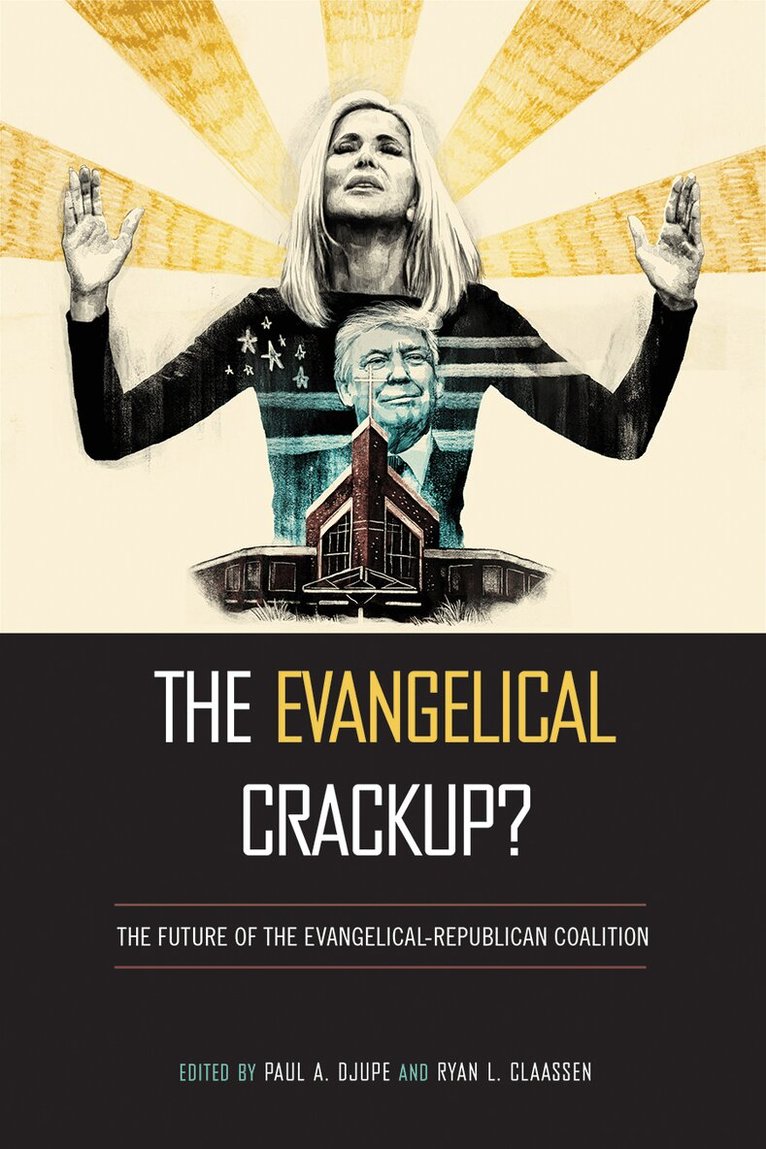
Why did Donald Trump attract a record number of white evangelical voters without unified support-and despite nontrivial antipathy from evangelical leaders? The editors and leading scholars that contribute to the timely volume The Evangelical Crackup? answer this question and provide a comprehensive assessment of the status of evangelicals and the Christian Right in the Republican coalition.The expected “crackup” with the Republican Party never happened. Each chapter in this cogent volume includes analyses of the 2016 election to explain why-and why that is critical. Chapters examine policy priorities, legal advocacy, and evangelical loyalty to the Republican Party; rhetoric, social networks, and evangelical elite influence; and the political implications of movements within evangelicalism, such as young evangelicals, Hispanics, and the Emergent Church movement.Contributors include: Daniel Bennett, Mark Brockway, Ryan P. Burge, Brian R. Calfano, Jeremy Castle, Kimberly Conger, Daniel A. Cox, Kevin den Dulk, Sarah Allen Gershon, Tobin Grant, Robert P. Jones, Geoffrey Layman, Andrew R. Lewis, Ronald J. McGauvran, Joshua Mitchell, Juhem Navarro-Rivera, Jacob R. Neiheisel, Elizabeth Oldmixon, Adrian D. Pantoja, David Searcy, Anand Edward Sokhey, J. Benjamin Taylor, Robert Wuthnow, and the editors.
387 kr
Skickas inom 7-10 vardagar
Why did Donald Trump attract a record number of white evangelical voters without unified support-and despite nontrivial antipathy from evangelical leaders? The editors and leading scholars that contribute to the timely volume The Evangelical Crackup? answer this question and provide a comprehensive assessment of the status of evangelicals and the Christian Right in the Republican coalition.The expected “crackup” with the Republican Party never happened. Each chapter in this cogent volume includes analyses of the 2016 election to explain why-and why that is critical. Chapters examine policy priorities, legal advocacy, and evangelical loyalty to the Republican Party; rhetoric, social networks, and evangelical elite influence; and the political implications of movements within evangelicalism, such as young evangelicals, Hispanics, and the Emergent Church movement.Contributors include: Daniel Bennett, Mark Brockway, Ryan P. Burge, Brian R. Calfano, Jeremy Castle, Kimberly Conger, Daniel A. Cox, Kevin den Dulk, Sarah Allen Gershon, Tobin Grant, Robert P. Jones, Geoffrey Layman, Andrew R. Lewis, Ronald J. McGauvran, Joshua Mitchell, Juhem Navarro-Rivera, Jacob R. Neiheisel, Elizabeth Oldmixon, Adrian D. Pantoja, David Searcy, Anand Edward Sokhey, J. Benjamin Taylor, Robert Wuthnow, and the editors.
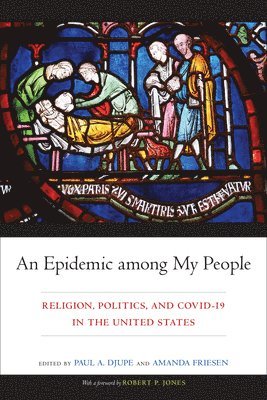
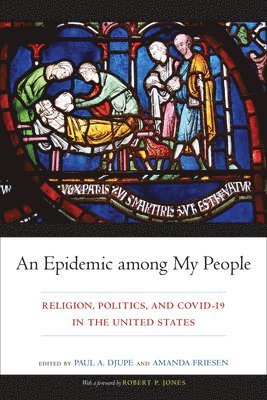
Epidemic Among My People
Religion, Politics, and COVID-19 in the United States
Inbunden, Engelska, 2023
905 kr
Skickas
The pandemic presented religion as a paradox: faith is often crucial for helping people weather life’s troubles and make difficult decisions, but how can religion continue to deliver these benefits and provide societal structure without social contact? The topical volume, An Epidemic among My People explains how the COVID-19 pandemic stress tested American religious communities and created a new politics of religion centered on public health.The editors and contributorsconsider how the virus and government policy affected religion in America. Chapters examine the link between the prosperity gospel and conspiracy theories, the increased purchase of firearms by evangelicals, the politics of challenging public health orders as religious freedom claims, and the reactions of Christian nationalists, racial groups, and female clergy to the pandemic (and pandemic politics). As sharp lines were drawn between people and their governments during this uncertain time, An Epidemic among My People provides a comprehensive portrait of religion in American public life.
414 kr
Skickas inom 7-10 vardagar
The pandemic presented religion as a paradox: faith is often crucial for helping people weather life’s troubles and make difficult decisions, but how can religion continue to deliver these benefits and provide societal structure without social contact? The topical volume, An Epidemic among My People explains how the COVID-19 pandemic stress tested American religious communities and created a new politics of religion centered on public health.The editors and contributorsconsider how the virus and government policy affected religion in America. Chapters examine the link between the prosperity gospel and conspiracy theories, the increased purchase of firearms by evangelicals, the politics of challenging public health orders as religious freedom claims, and the reactions of Christian nationalists, racial groups, and female clergy to the pandemic (and pandemic politics). As sharp lines were drawn between people and their governments during this uncertain time, An Epidemic among My People provides a comprehensive portrait of religion in American public life.
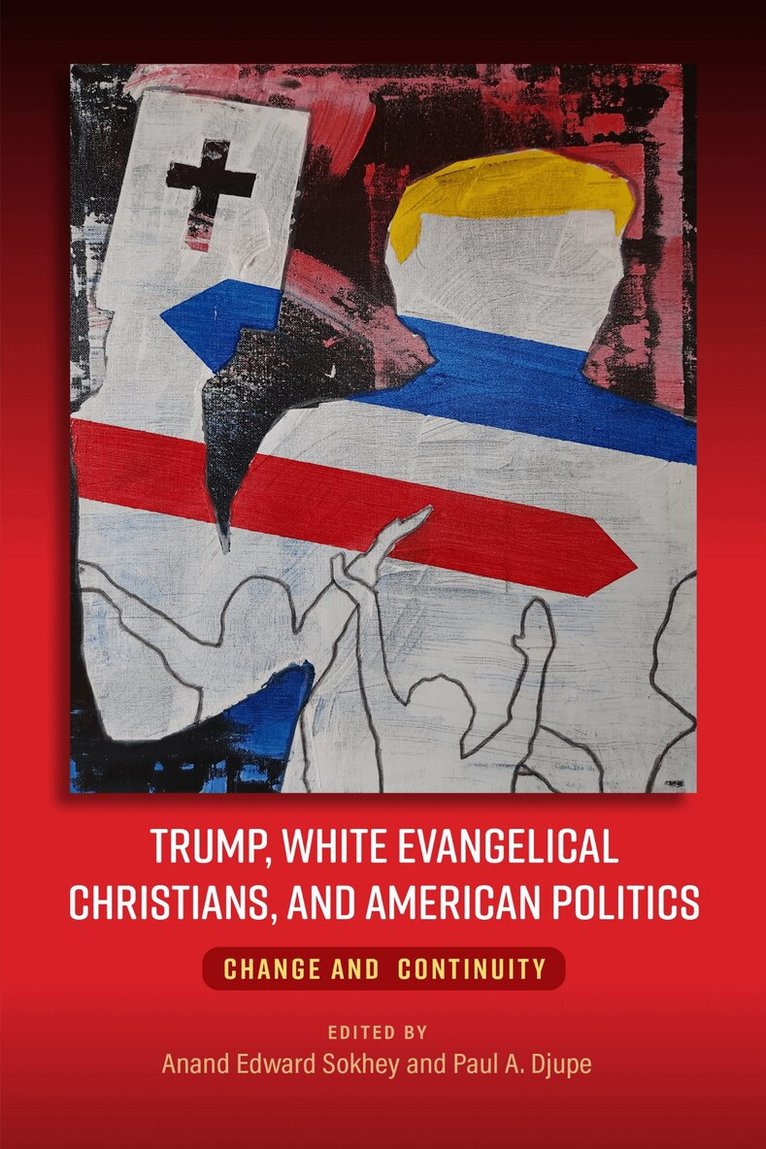
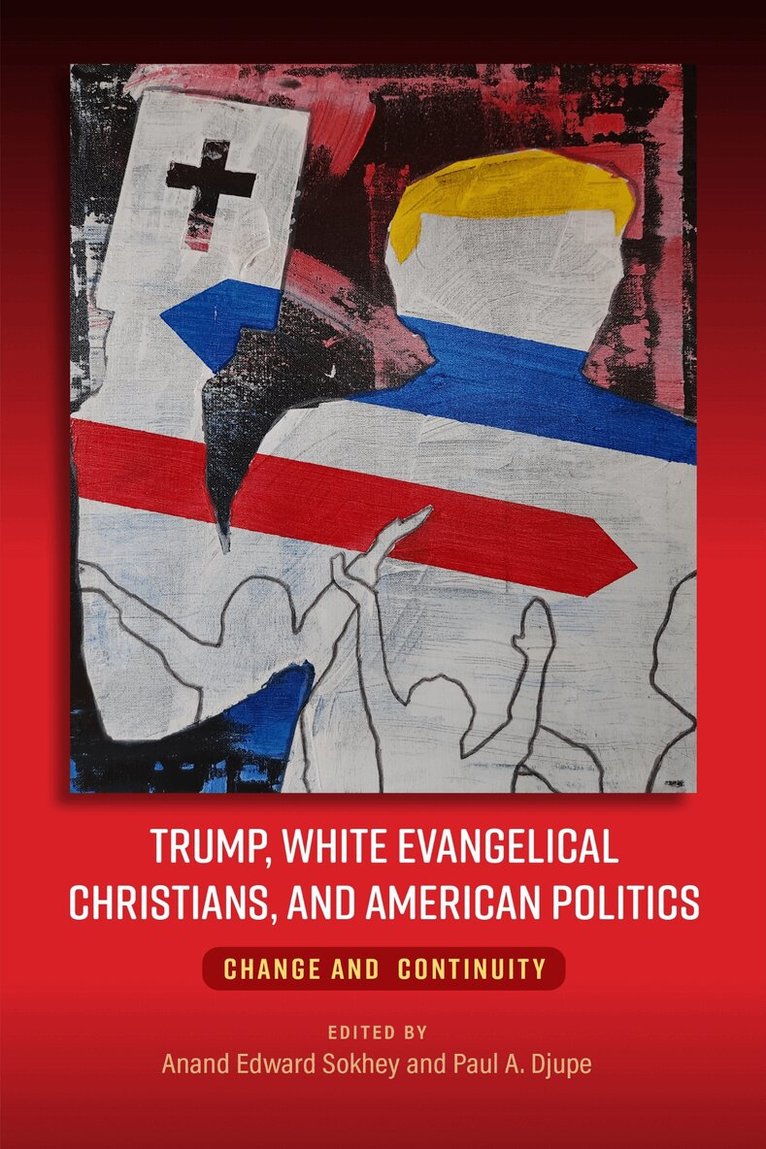
Trump, White Evangelical Christians, and American Politics
Change and Continuity
Inbunden, Engelska, 2024
637 kr
Skickas inom 7-10 vardagar
In Trump, White Evangelical Christians, and American Politics, political scientists Anand Edward Sokhey and Paul A. Djupe bring together a wide range of scholars and writers to examine the relationship between former President Donald Trump and white American evangelical Christians. They argue that, while this relationship—which saw evangelicals supporting a famously unfaithful, materialistic, and irreligious candidate despite self-defining in opposition to these characteristics—prompted many to wonder if Trump himself transformed American evangelical religion in politics, this alliance reflected both change and the outcome of dynamics that were in place or building for decades.Contributors contextualize the Trump presidency within the story of religious demographic change, the growth of politicized religion, nationalistic religious expression, and the ways religion and politics in the United States are enmeshed in the politics of race. These investigations find that the idea of religious "transformation" is not accurate. Instead, the years 2015 to 2022 saw mainly minor changes to the ways religion appeared in public life—but these changes ultimately complemented and advanced an existing white evangelical strategy to increase political and social power as they became a demographic minority in the United States. Taken together, this collection reveals new insights for readers seeking to understand the religious dimensions of Trump's rise, the reasons evangelicals become political activists, and the multifaceted alliances between secular politicians and conservative religious subcultures.Contributors: Abraham Barranca, Ruth Braunstein, Ryan P. Burge, David E. Campbell, Jeremiah J. Castle, Paul A. Djupe, John C. Green, Sarah Heise, Geoffrey C. Layman, Andrew R. Lewis, Gerardo Martí, Eric L. McDaniel, Napp Nazworth, Shayla F. Olson, Enrique Quezada-Llanes, Kaylynn Sims, Anand Edward Sokhey, Hilde Løvdal Stephens, Kyla K. Stepp, Allan Tellis.