Paul F. Lurquin - Böcker
Visar alla böcker från författaren Paul F. Lurquin. Handla med fri frakt och snabb leverans.
4 produkter
4 produkter
503 kr
Skickas inom 5-8 vardagar
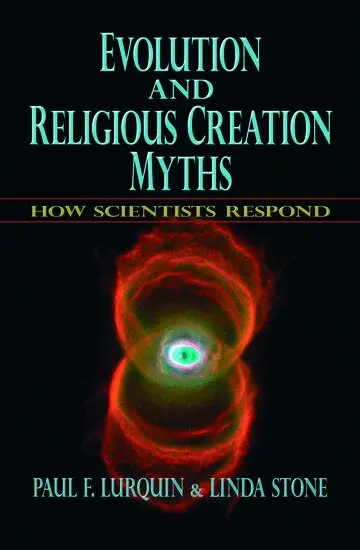
Relying mostly on modern genetic science, this book exposes how various forms of creationism - including intelligent design - fail to provide testable models for the appearance and evolution of life. On the contrary, science has been very successful in the description of the unguided processes that led to the creation of the universe and one of its consequences, the appearance of life forms, including humans.
1 609 kr
Skickas inom 5-8 vardagar
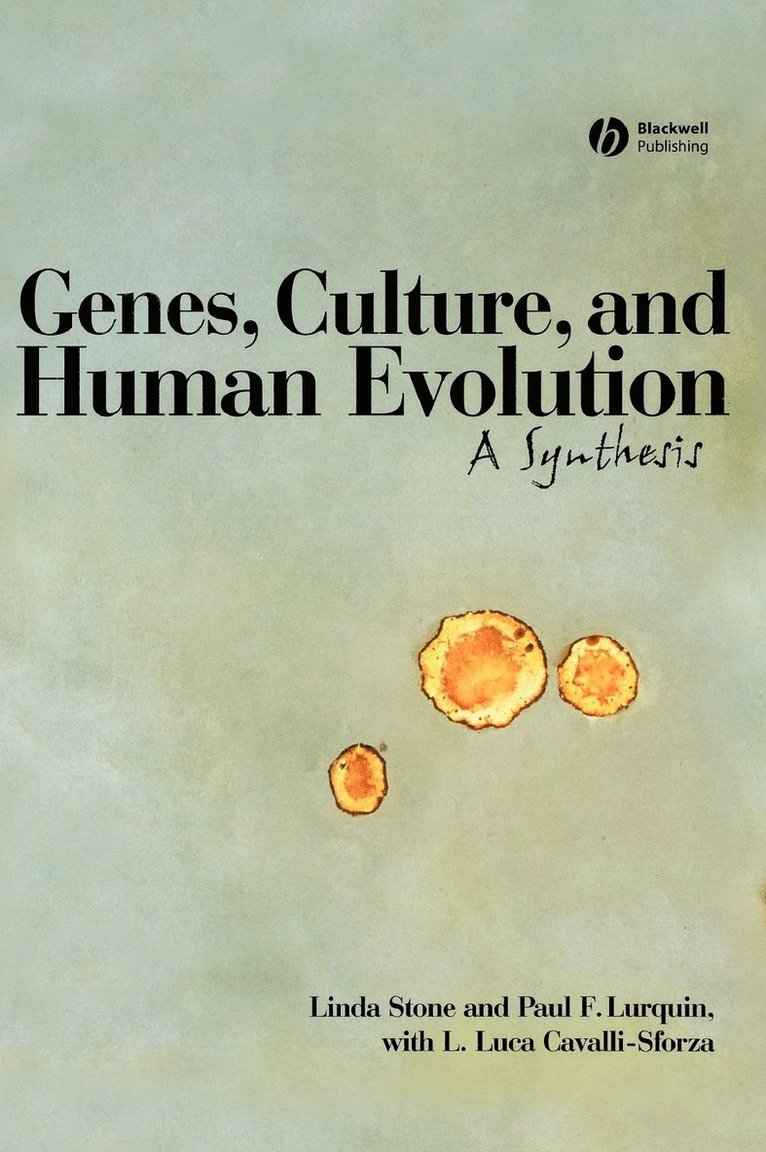
Genes, Culture, and Human Evolution: A Synthesisis a textbook on human evolution that offers students a unique combination of cultural anthropology and genetics. Written by two geneticists—including a world-renowned scientist and founder of the Human Genome Diversity Project—and a socio-cultural anthropologist.Based on recent findings in genetics and anthropology that indicate the analysis of human culture and evolution demands an integration of these fields of study.Focuses on evolution—or, rather, co-evolution—viewed from the standpoint of genes and culture, and their inescapable interactions.Unifies cultural and genetic concepts rather than rehashing nonempirical sociobiological musings.Demonstrates that empirical genetic evidence, based on modern DNA analysis and population studies, provides an excellent foundation for understanding human cultural diversity.
653 kr
Skickas inom 5-8 vardagar
1 092 kr
Skickas inom 10-15 vardagar
This book includes the proceedings of a NATO Advanced Study Institute held at Washington State University, Pullman, Washington from July 26 until August 6, 1982. Although genetic engineering in eukaryotes is best developed in yeast and mammalian cells, the reader will find that some emphasis has been put on plant systems. Indeed, it was our position that the development of plant cell genetic transformation would benefit from the interactions between a comparatively smaller number of fungal and animal cell experts and a larger number of plant cell specialists representing various aspects of plant molecular genetic research. On the other hand, it is clear that the ultimate achievements of plant genetic engineering will have a tremendous ~pact on, among other things, food production without generating the problems of ethics encountered when one contempla-tes the genetic modification of human beings. Therefore, this slight bias in favor of the plant kingdom simply reflects our belief that a "second green revolution" will benefit mankind to a greater extent than any other kind of genetic engine ering. The keynote lecture of the Institute was delivered by Dr. John Slaughter, Director of the National Science Foundation, whom we deeply thank for his words of encouragement and commitment to the genetic manipulation of plants.