Paul Gilroy - Böcker
Visar alla böcker från författaren Paul Gilroy. Handla med fri frakt och snabb leverans.
19 produkter
19 produkter
334 kr
Skickas
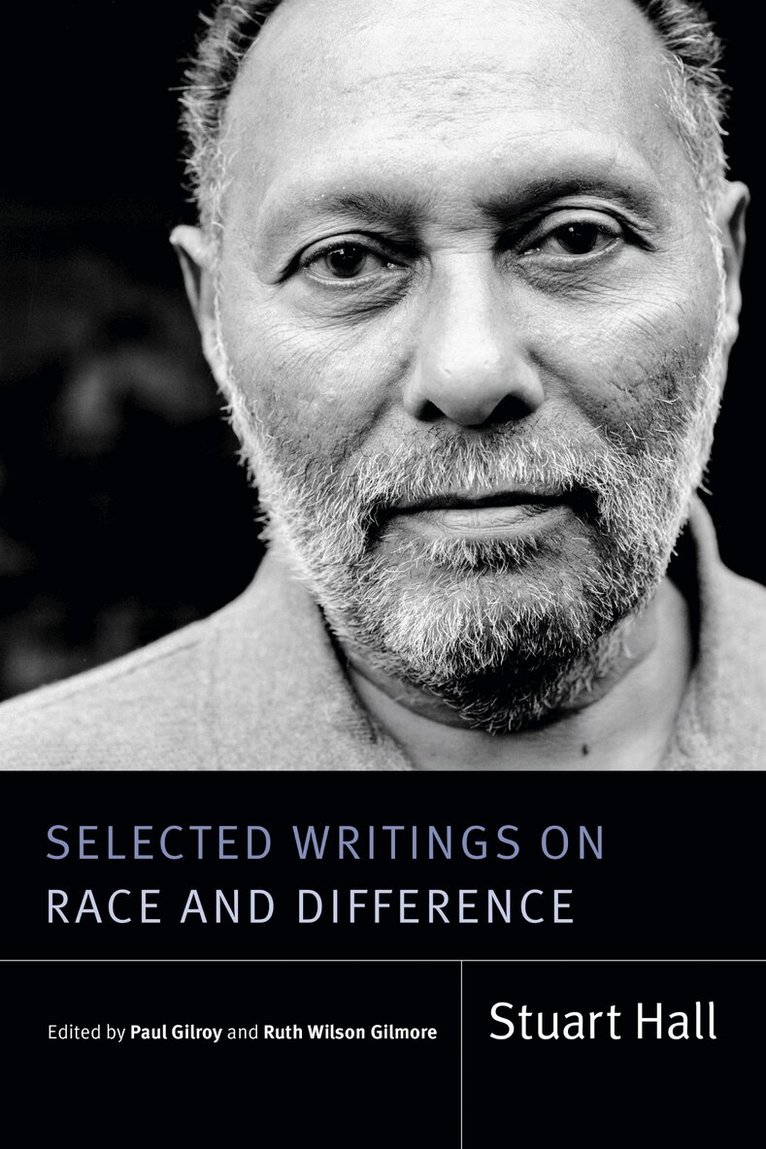
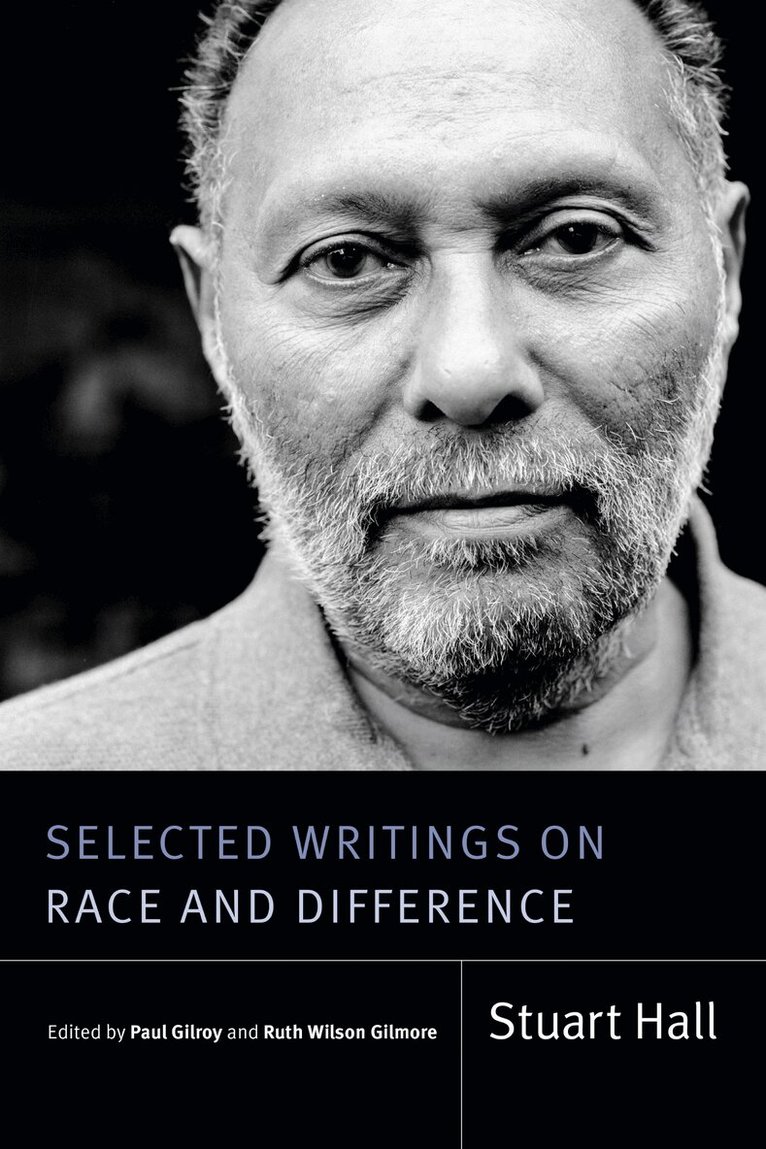
In Selected Writings on Race and Difference, editors Paul Gilroy and Ruth Wilson Gilmore gather more than twenty essays by Stuart Hall that highlight his extensive and groundbreaking engagement with race, representation, identity, difference, and diaspora. Spanning the whole of his career, this collection includes classic theoretical essays such as “The Whites of Their Eyes” (1981) and “Race, the Floating Signifier” (1997). It also features public lectures, political articles, and popular pieces that circulated in periodicals and newspapers, which demonstrate the breadth and depth of Hall's contribution to public discourses of race. Foregrounding how and why the analysis of race and difference should be concrete and not merely descriptive, this collection gives organizers and students of social theory ways to approach the interconnections of race with culture and consciousness, state and society, policing and freedom.
265 kr
Skickas
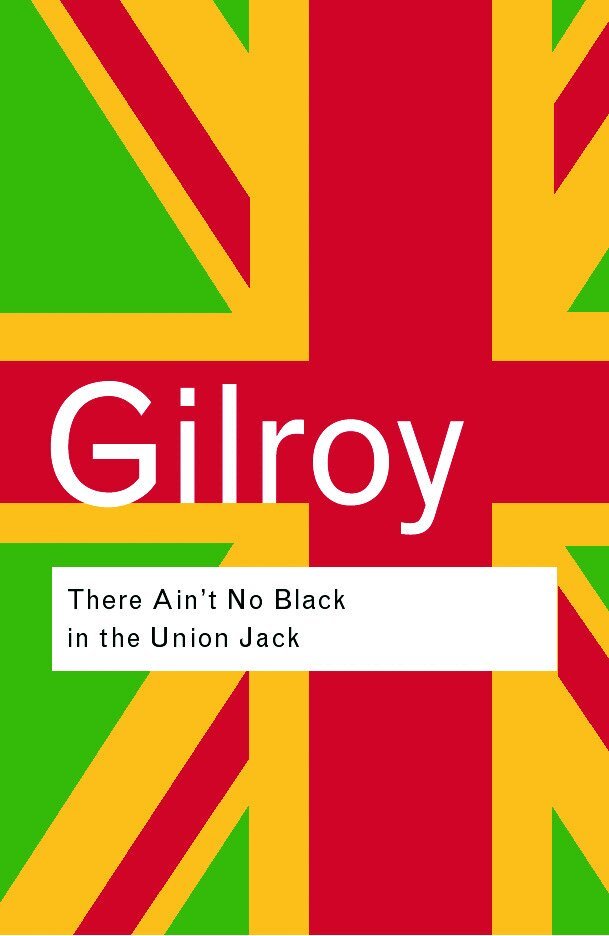
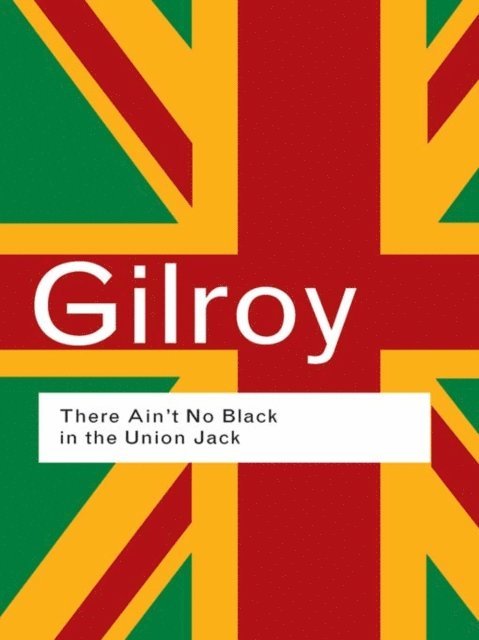
This classic book is a powerful indictment of contemporary attitudes to race. By accusing British intellectuals and politicians on both sides of the political divide of refusing to take race seriously, Paul Gilroy caused immediate uproar when this book was first published in 1987. A brilliant and explosive exploration of racial discourses, There Ain’t No Black in the Union Jack provided a powerful new direction for race relations in Britain. Still dynamite today and as relevant as ever, this Routledge Classics edition includes a new introduction by the author.
1 543 kr
Skickas inom 3-6 vardagar
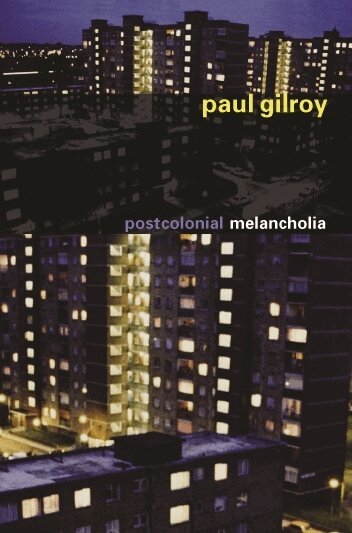
In an effort to deny the ongoing effect of colonialism and imperialism on contemporary political life, the death knell for a multicultural society has been sounded from all sides. That's the provocative argument Paul Gilroy makes in this unorthodox defense of the multiculture. Gilroy's searing analyses of race, politics, and culture have always remained attentive to the material conditions of black people and the ways in which blacks have defaced the "clean edifice of white supremacy." In Postcolonial Melancholia, he continues the conversation he began in the landmark study of race and nation 'There Ain't No Black in the Union Jack' by once again departing from conventional wisdom to examine-and defend-multiculturalism within the context of the post-9/11 "politics of security." This book adapts the concept of melancholia from its Freudian origins and applies it not to individual grief but to the social pathology of neoimperialist politics.The melancholic reactions that have obstructed the process of working through the legacy of colonialism are implicated not only in hostility and violence directed at blacks, immigrants, and aliens but in an inability to value the ordinary, unruly multiculture that has evolved organically and unnoticed in urban centers. Drawing on the seminal discussions of race begun by Frantz Fanon, W. E. B. DuBois, and George Orwell, Gilroy crafts a nuanced argument with far-reaching implications. Ultimately, Postcolonial Melancholia goes beyond the idea of mere tolerance to propose that it is possible to celebrate the multiculture and live with otherness without becoming anxious, fearful, or violent.
265 kr
Skickas inom 3-6 vardagar
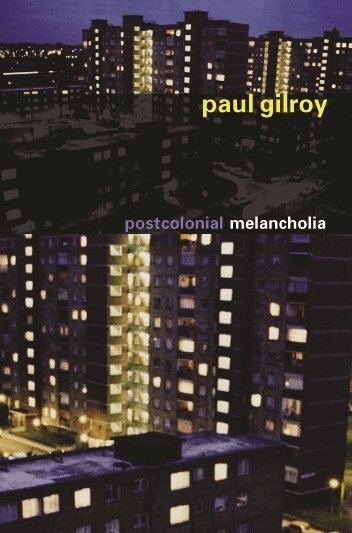
In an effort to deny the ongoing effect of colonialism and imperialism on contemporary political life, the death knell for a multicultural society has been sounded from all sides. That's the provocative argument Paul Gilroy makes in this unorthodox defense of the multiculture. Gilroy's searing analyses of race, politics, and culture have always remained attentive to the material conditions of black people and the ways in which blacks have defaced the "clean edifice of white supremacy." In Postcolonial Melancholia, he continues the conversation he began in the landmark study of race and nation 'There Ain't No Black in the Union Jack' by once again departing from conventional wisdom to examine-and defend-multiculturalism within the context of the post-9/11 "politics of security." This book adapts the concept of melancholia from its Freudian origins and applies it not to individual grief but to the social pathology of neoimperialist politics.The melancholic reactions that have obstructed the process of working through the legacy of colonialism are implicated not only in hostility and violence directed at blacks, immigrants, and aliens but in an inability to value the ordinary, unruly multiculture that has evolved organically and unnoticed in urban centers. Drawing on the seminal discussions of race begun by Frantz Fanon, W. E. B. DuBois, and George Orwell, Gilroy crafts a nuanced argument with far-reaching implications. Ultimately, Postcolonial Melancholia goes beyond the idea of mere tolerance to propose that it is possible to celebrate the multiculture and live with otherness without becoming anxious, fearful, or violent.
1 345 kr
Skickas inom 10-15 vardagar
This classic book is a powerful indictment of contemporary attitudes to race. By accusing British intellectuals and politicians on both sides of the political divide of refusing to take race seriously, Paul Gilroy caused immediate uproar when this book was first published in 1987. A brilliant and explosive exploration of racial discourses, There Ain’t No Black in the Union Jack provided a powerful new direction for race relations in Britain. Still dynamite today and as relevant as ever, this Routledge Classics edition includes a new introduction by the author.
567 kr
Skickas inom 10-15 vardagar
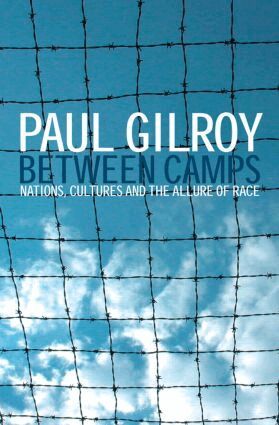
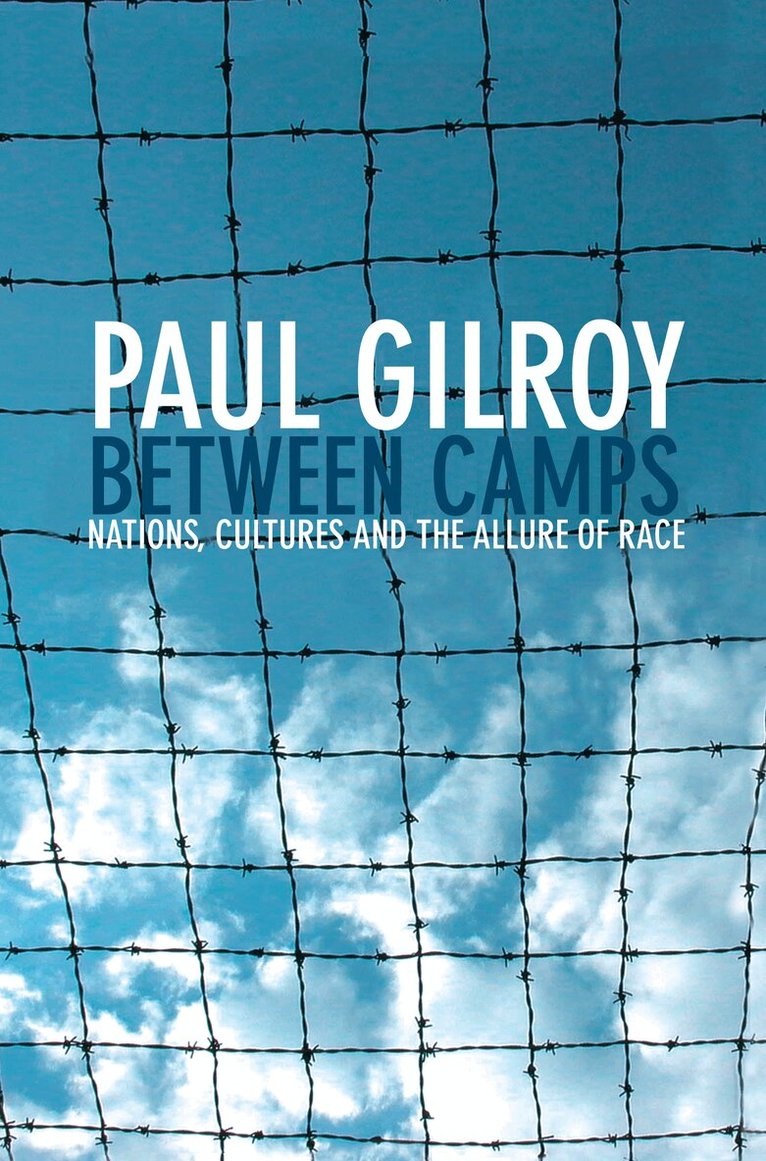
In this provocative book, now reissued with a new introduction, Paul Gilroy contends that race-thinking has distorted the finest promises of modern democracy. He compels us to see that fascism was the principal political innovation of the twentieth century - and that its power to seduce did not die in a bunker in Berlin.Between Camps addresses questions such as:* Why do we still divide humanity into different identity groups based on skin colour? * Did all the good done by the Civil Rights Movement and the decolonization of the Third World have such little lasting effect? Gilroy examines the ways in which media and commodity culture have become pre-eminent in our lives in the years since the 1960s and especially in the 1980s with the rise of hip-hop and other militancies. With this trend, he contends, much that was valuable about black culture has been sacrificed in the service of corporate interests and new forms of cultural expression tied to visual technologies. He argues that the triumph of the image spells death to politics and reduces people to mere symbols.At its heart, Between Camps is a Utopian project calling for the renunciation of race. Gilroy champions a new humanism, global and cosmopolitan, and he offers a new political language and a new moral vision for what was once called 'anti-racism'.
338 kr
Skickas inom 3-6 vardagar
263 kr
Skickas inom 7-10 vardagar
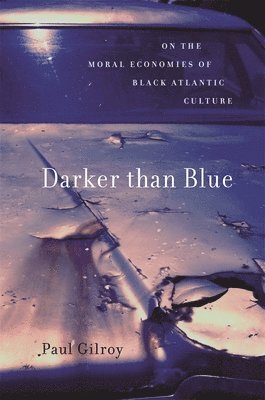
Paul Gilroy seeks to awaken a new understanding of W. E. B. Du Bois’s intellectual and political legacy. At a time of economic crisis, environmental degradation, ongoing warfare, and heated debate over human rights, how should we reassess the changing place of black culture?Gilroy considers the ways that consumerism has diverted African Americans’ political and social aspirations. Luxury goods and branded items, especially the automobile—rich in symbolic value and the promise of individual freedom—have restratified society, weakened citizenship, and diminished the collective spirit. Jazz, blues, soul, reggae, and hip hop are now seen as generically American, yet artists like Jimi Hendrix, Chuck Berry, and Bob Marley, who questioned the allure of mobility and speed, are not understood by people who have drained their music of its moral power.Gilroy explores the way in which objects and technologies can become dynamic social forces, ensuring black culture’s global reach while undermining the drive for equality and justice. Drawing on the work of a number of thinkers, including Michel Foucault, Hannah Arendt, Primo Levi, and Frantz Fanon, he examines the ethical dimensions of living in a society that celebrates the object. What are the implications for our notions of freedom?With his brilliant, provocative analysis and astonishing range of reference, Gilroy revitalizes the study of African American culture. He traces the shifting character of black intellectual and social movements, and shows how we can construct an account of moral progress that reflects today’s complex realities.
271 kr
Skickas inom 7-10 vardagar
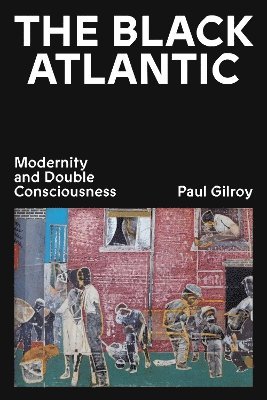
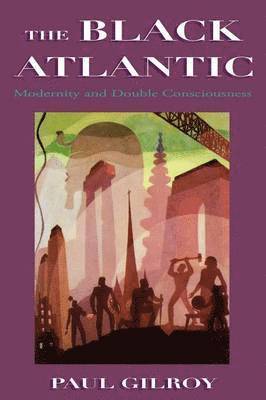
Afrocentrism. Eurocentrism. Caribbean Studies. British Studies. To the forces of cultural nationalism hunkered down in their camps, this bold hook sounds a liberating call. There is, Paul Gilroy tells us, a culture that is not specifically African, American, Caribbean, or British, but all of these at once, a black Atlantic culture whose themes and techniques transcend ethnicity and nationality to produce something new and, until now, unremarked. Challenging the practices and assumptions of cultural studies, The Black Atlantic also complicates and enriches our understanding of modernism.Debates about postmodernism have cast an unfashionable pall over questions of historical periodization. Gilroy bucks this trend by arguing that the development of black culture in the Americas arid Europe is a historical experience which can be called modern for a number of clear and specific reasons. For Hegel, the dialectic of master and slave was integral to modernity, and Gilroy considers the implications of this idea for a transatlantic culture. In search of a poetics reflecting the politics and history of this culture, he takes us on a transatlantic tour of the music that, for centuries, has transmitted racial messages and feeling around the world, from the Jubilee Singers in the nineteenth century to Jimi Hendrix to rap. He also explores this internationalism as it is manifested in black writing from the “double consciousness” of W. E. B. Du Bois to the “double vision” of Richard Wright to the compelling voice of Toni Morrison.In a final tour de force, Gilroy exposes the shared contours of black and Jewish concepts of diaspora in order both to establish a theoretical basis for healing rifts between blacks and Jews in contemporary culture and to further define the central theme of his book: that blacks have shaped a nationalism, if not a nation, within the shared culture of the black Atlantic.
254 kr
Afrocentrism, Eurocentrism, Caribbean Studies, American Studies. To the forces of cultural nationalism trapped in their respective camps, this bold book sounds a liberating call. There is, Paul Gilroy tells us, a culture that is not specifically African, American, Caribbean, or British, but all of these at once; a black Atlantic culture whose themes and techniques transcend ethnicity and nationality to produce something new and, until now, unremarked. Challenging the practices and assumptions of cultural studies, The Black Atlantic also enriches our understanding of modernism.
306 kr
Tillfälligt slut
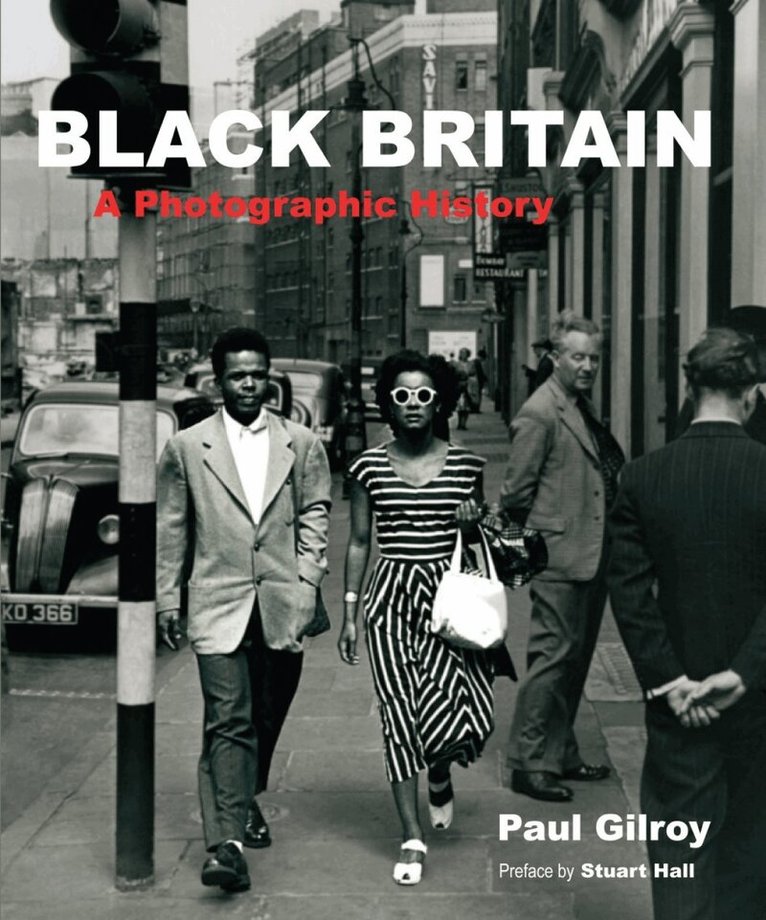
Black people have inhabited the British Isles for centuries. Eminent professor Paul Gilroy, renowned for his work exploring the social and cultural dimensions of British blackness and black Britishness, has assembled a living visual history of their social life in the modern British Isles. Watershed moments include the rise and commercial circulation of black culture and music, the world wars, the Manchester Pan African Congress, the historic settlement of the Windrush generation and the riots of the 1980s. Luminaries drawn from politics, art and sport appear alongside many pioneers - the first Jamaican immigrant to Brixton, London's first `Caribbean Carnival', the first black publican and the first female plumber. Just as important are the everyday experiences and anonymous faces. The ordinary lives of people of African, Caribbean, British and other cultures, captured here, vividly document the country's difficult and unfinished process of becoming postcolonial.
2 103 kr
Skickas inom 10-15 vardagar
In this provocative book, now reissued with a new introduction, Paul Gilroy contends that race-thinking has distorted the finest promises of modern democracy. He compels us to see that fascism was the principal political innovation of the twentieth century - and that its power to seduce did not die in a bunker in Berlin.Between Camps addresses questions such as:* Why do we still divide humanity into different identity groups based on skin colour? * Did all the good done by the Civil Rights Movement and the decolonization of the Third World have such little lasting effect? Gilroy examines the ways in which media and commodity culture have become pre-eminent in our lives in the years since the 1960s and especially in the 1980s with the rise of hip-hop and other militancies. With this trend, he contends, much that was valuable about black culture has been sacrificed in the service of corporate interests and new forms of cultural expression tied to visual technologies. He argues that the triumph of the image spells death to politics and reduces people to mere symbols.At its heart, Between Camps is a Utopian project calling for the renunciation of race. Gilroy champions a new humanism, global and cosmopolitan, and he offers a new political language and a new moral vision for what was once called 'anti-racism'.
1 703 kr
Skickas inom 10-15 vardagar
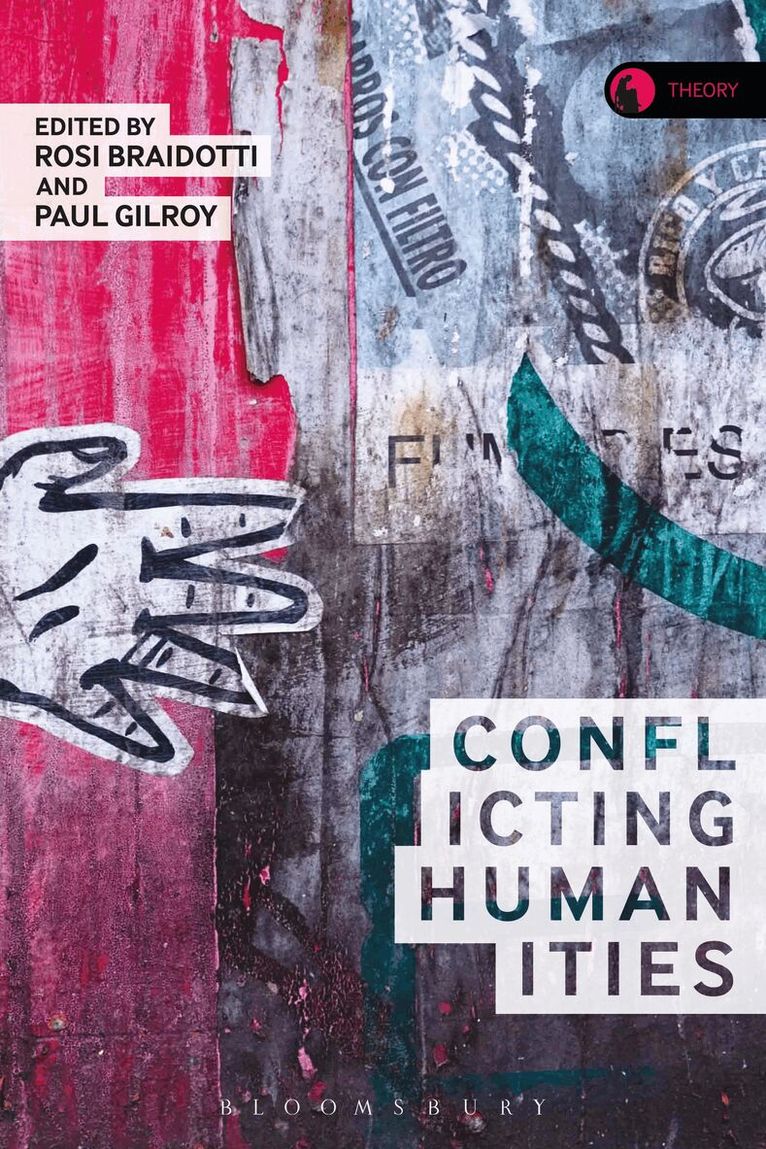
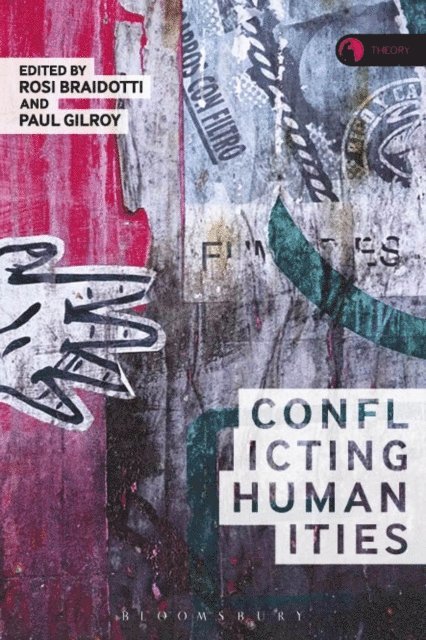
How might we reinvent the humanities? This is the question at the heart of this provocative volume. It is a difficult mission and definitely one which needs to be addressed with increasing urgency. There is no better cast to confront and problematize this question than the contributors to Conflicting Humanities. They are world-renowned thinkers who can tackle the problem as researchers and teachers but also as prominent public intellectuals.Taking the intellectual and political legacies of Edward Said as a point of departure and frame of reference, the contributors – working in a range of disciplinary settings – consider the current condition of humanism and the humanities. Said's definition of the core task of the Humanities as the pursuit of democratic criticism remains more urgent than ever, though it needs to be supplemented by gender, environmental, and anti-racist perspectives as well as by detailed analysis of the necro-political governmentality of our time. An innovative piece of scholarship, this volume is committed to the refusal of a world riven by new kinds of warcraft, injustice and exploitation.
381 kr
Skickas inom 10-15 vardagar
How might we reinvent the humanities? This is the question at the heart of this provocative volume. It is a difficult mission and definitely one which needs to be addressed with increasing urgency. There is no better cast to confront and problematize this question than the contributors to Conflicting Humanities. They are world-renowned thinkers who can tackle the problem as researchers and teachers but also as prominent public intellectuals.Taking the intellectual and political legacies of Edward Said as a point of departure and frame of reference, the contributors – working in a range of disciplinary settings – consider the current condition of humanism and the humanities. Said's definition of the core task of the Humanities as the pursuit of democratic criticism remains more urgent than ever, though it needs to be supplemented by gender, environmental, and anti-racist perspectives as well as by detailed analysis of the necro-political governmentality of our time. An innovative piece of scholarship, this volume is committed to the refusal of a world riven by new kinds of warcraft, injustice and exploitation.
1 278 kr
Skickas inom 7-10 vardagar
In Selected Writings on Race and Difference, editors Paul Gilroy and Ruth Wilson Gilmore gather more than twenty essays by Stuart Hall that highlight his extensive and groundbreaking engagement with race, representation, identity, difference, and diaspora. Spanning the whole of his career, this collection includes classic theoretical essays such as “The Whites of Their Eyes” (1981) and “Race, the Floating Signifier” (1997). It also features public lectures, political articles, and popular pieces that circulated in periodicals and newspapers, which demonstrate the breadth and depth of Hall's contribution to public discourses of race. Foregrounding how and why the analysis of race and difference should be concrete and not merely descriptive, this collection gives organizers and students of social theory ways to approach the interconnections of race with culture and consciousness, state and society, policing and freedom.
163 kr
Skickas
In this ground-breaking work, Paul Gilroy proposes that the modern black experience can not be defined solely as African, American, Carribean or British alone, but can only be understand as a Black Atlantic culture that transcends ethnicity or nationality. This culture is thorough modern and, often, overlooked but can deeply enriches our understanding of what it means to be modern.This condition comes out of historical transoceanic experience, established first with the slave trade but later seen in the development of a transatlantic culture. And Gilroy takes us on a tour of the music that, for centuries, has transmitted racial messages and feeling around the world, from the Jubilee Singers in the nineteenth century to Jimi Hendrix to rap. He also explores this internationalism as it is manifested in black writing from the "double consciousness" of W. E. B. Du Bois to the "double vision" of Richard Wright to the compelling voice of Toni Morrison. As a consequence, Black Atlantic charts the formation of a nationalism, if not a nation, within this shared, disasporic culture.
489 kr
Skickas inom 10-15 vardagar
This book is an imaginative exploration of a place that has fascinated, intrigued and perplexed visitors for centuries. Instead of seeing Stonehenge as an isolated site, the author sets the stones within a wider landscape and explores how use and meaning have changed from prehistoric times right through to the present. Throughout the millennia, the Stonehenge landscape has been used and re-used, invested with new meanings, and has given rise to myths and stories. The author creatively explores how the landscape has been appropriated and contested, and invokes the debates and experiences of people who have very different and often conflicting experiences of the same place. Today, heritage managers, archaeologists, local people, free festivallers, and druids come to the place with entirely different understandings and agendas. The book demonstrates that the creation of spaces and places for people to express divergent viewpoints is powerfully constrained by social and political forces that allow some voices to be heard while others are marginalized.With dialogues and illustrations that range from the conventional to the cartoon strip, this multi-vocal book not only presents a wide range of views in an innovative way, but provides important new insights on how people shape and are shaped by landscape.
480 kr
Skickas inom 3-6 vardagar
Stuart Hall's retirement from the Open University in 1997 provided a unique opportunity to reflect on an academic career which has had the most profound impact on scholarship and teaching in many parts of the world.From his early work on the media, through his influential re-working of Gramsci for the analysis of Britain in the late 1970s, through his considered debates on Thatcherism and more recently on "race" and new ethnicities, Hall has been an inspirational figure for generations of academics. He has helped to make universities places where ideas and social commitment can exist alongside each other.This collection invites a wide range of academics who have been influenced by Stuart Hall's writing to contribute not a memoir or a eulogy but an engaged piece of social, cultural or historical analysis which continues and develops the field of thinking opened up by Hall. The topics covered include identity and hybridity, history and post-colonialism, pedagogy and cultural politics, space and place, globalization and economy, modernity and difference.
330 kr
Skickas inom 3-6 vardagar