
Paul Gomberg – författare
Visar alla böcker från författaren Paul Gomberg. Handla med fri frakt och snabb leverans.
4 produkter
4 produkter
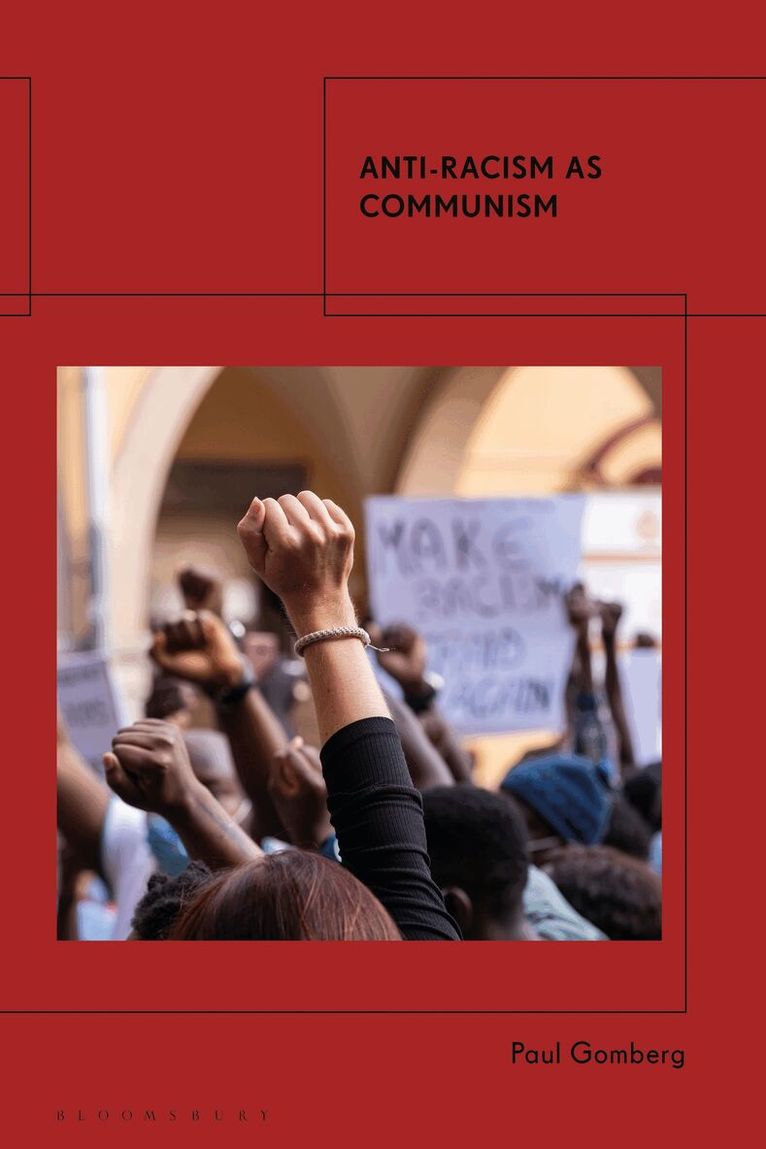
Inbunden, Engelska, 2024
1 304 kr
Skickas inom 10-15 vardagar
In the United States there have been brilliant examples of anti-racist struggle—black soldiers in the Civil War, coal miners of Alabama, and especially the anti-racist working-class struggles led by the Communist Party. Yet racism persists: Jim Crow replaced racial slavery, and mass incarceration has replaced Jim Crow. Why? In this open access book Paul Gomberg argues that racism is functional for capitalism, supplying low-wage, vulnerable labor and driving down conditions for all workers. How can anti-racists put an end to racist society? Gomberg argues for race-centered Marxism: anti-racism must lead working-class struggle, but racism will end only in a communist society that creates opportunity for all.The ebook editions of this book are available open access under a CC BY-NC-ND 4.0 licence on bloomsburycollections.com
Häftad, Engelska, 2025
403 kr
Skickas inom 10-15 vardagar
In the United States there have been brilliant examples of anti-racist struggle—black soldiers in the Civil War, coal miners of Alabama, and especially the anti-racist working-class struggles led by the Communist Party. Yet racism persists: Jim Crow replaced racial slavery, and mass incarceration has replaced Jim Crow. Why? In this open access book Paul Gomberg argues that racism is functional for capitalism, supplying low-wage, vulnerable labor and driving down conditions for all workers. How can anti-racists put an end to racist society? Gomberg argues for race-centered Marxism: anti-racism must lead working-class struggle, but racism will end only in a communist society that creates opportunity for all.The ebook editions of this book are available open access under a CC BY-NC-ND 4.0 licence on bloomsburycollections.com
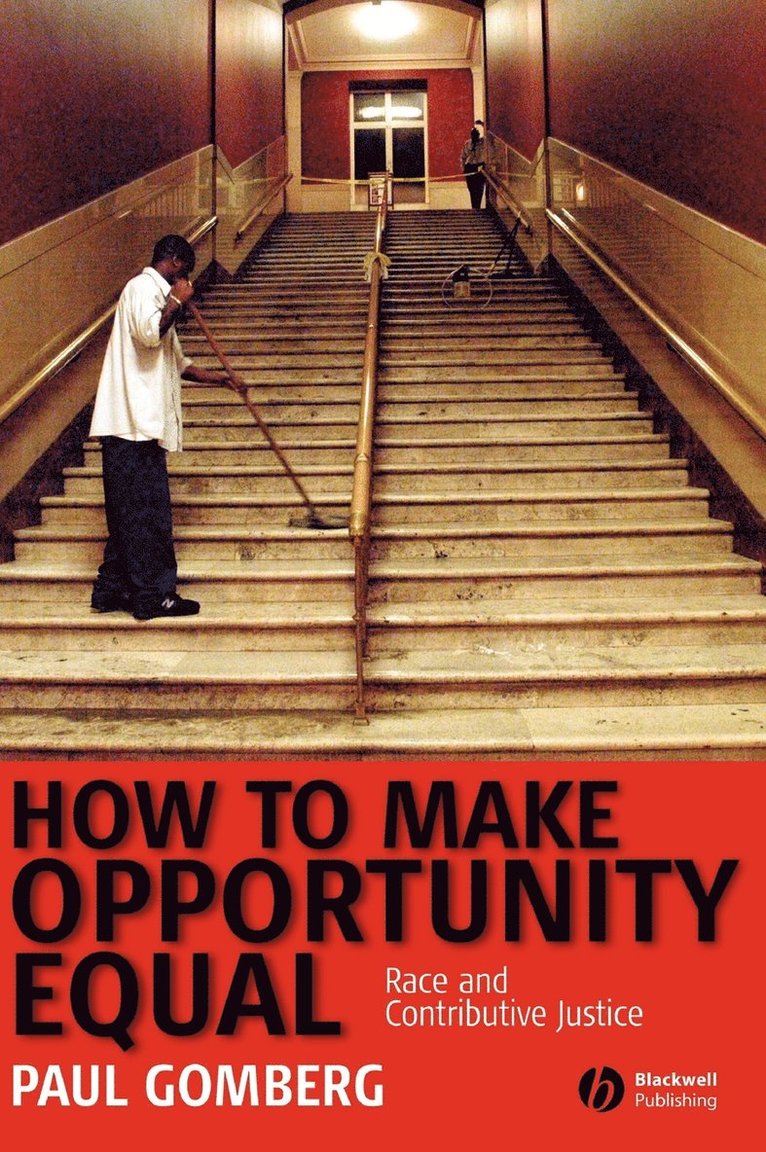
Inbunden, Engelska, 2007
1 123 kr
Skickas inom 5-8 vardagar
HOW TO MAKE OPPORTUNITY EQUAL “Paul Gomberg makes a powerful and provocative case that real equality of opportunity can only be achieved by overturning the social division of labor that unfairly handicaps not just black but the working class in general.”Charles W. Mills, University of Illinois at Chicago “An important and original contribution to contemporary debates about justice in political philosophy; and accessible introduction to those debates for students and the lay reader; and a powerful and important challenge to policymakers, educators and employers, to think hard about their responsibilities for enabling people to lead flourishing lives.”Harry Brighouse, University of Wisconsin-Madison “In this impressive book, Paul Gomberg argues ardently, with great optimism, and with philosophical and sociological sophistication, for a radical new theory of egalitarian justice.”David Copp, University of Florida Distributive injustices such as low pay, inferior healthcare and housing, as well as diminished opportunities in school continue to blight the lives of millions of the urban poor in America and beyond. This book announces a new theory of justice. Paul Gomberg: focuses on how race and class structure unequal life prospectsshows how human society can be organized in a way that does not socialize children for lives of routine labormaintains that true equality of opportunity comes only when all labor, both routine and complex, is sharedproposes a new paradigm for the theory of justice. While Rawls, Sen, Nozick, and Walzer conceive justice as addressing how various goods are fairly obtained or distributed, Gomberg argues that justice in distribution must advance contributive opportunities and duties. On Gomberg’s contributive theory of justice, each person contributes to society not for individual material gain, but from a sense of what is required in order to build just relations with others. Passionate and radical, but rigorously argued, this book makes a vital and original contribution to philosophy and social thought.
Häftad, Engelska, 2007
415 kr
Skickas inom 5-8 vardagar
HOW TO MAKE OPPORTUNITY EQUAL “Paul Gomberg makes a powerful and provocative case that real equality of opportunity can only be achieved by overturning the social division of labor that unfairly handicaps not just black but the working class in general.”Charles W. Mills, University of Illinois at Chicago “An important and original contribution to contemporary debates about justice in political philosophy; and accessible introduction to those debates for students and the lay reader; and a powerful and important challenge to policymakers, educators and employers, to think hard about their responsibilities for enabling people to lead flourishing lives.”Harry Brighouse, University of Wisconsin-Madison “In this impressive book, Paul Gomberg argues ardently, with great optimism, and with philosophical and sociological sophistication, for a radical new theory of egalitarian justice.”David Copp, University of Florida Distributive injustices such as low pay, inferior healthcare and housing, as well as diminished opportunities in school continue to blight the lives of millions of the urban poor in America and beyond. This book announces a new theory of justice. Paul Gomberg: focuses on how race and class structure unequal life prospectsshows how human society can be organized in a way that does not socialize children for lives of routine labormaintains that true equality of opportunity comes only when all labor, both routine and complex, is sharedproposes a new paradigm for the theory of justice. While Rawls, Sen, Nozick, and Walzer conceive justice as addressing how various goods are fairly obtained or distributed, Gomberg argues that justice in distribution must advance contributive opportunities and duties. On Gomberg’s contributive theory of justice, each person contributes to society not for individual material gain, but from a sense of what is required in order to build just relations with others. Passionate and radical, but rigorously argued, this book makes a vital and original contribution to philosophy and social thought.