Paul H. Kratoska – författare
Visar alla böcker från författaren Paul H. Kratoska. Handla med fri frakt och snabb leverans.
13 produkter
Southeast Asian Minorities in the Wartime Japanese Empire
Häftad, 2012
742 kr
Lägg i varukorg
The Japanese invasion and occupation of southeast Asia provided opportunities for the peoples of the region to pursue a wide range of agendas that had little to do with the larger issues which drove the conflict between Japan and the allies. This book explores how the occupation affected various …
Southeast Asian Minorities in the Wartime Japanese Empire
Inbunden, 2002
2585 kr
Lägg i varukorg
The Japanese invasion and occupation of southeast Asia provided opportunities for the peoples of the region to pursue a wide range of agendas that had little to do with the larger issues which drove the conflict between Japan and the allies. This book explores how the occupation affected various …
Asian Labor in the Wartime Japanese Empire
Unknown Histories
Inbunden, 2005
2585 kr
Lägg i varukorg
During the Pacific War the Japanese government used a wide range of methods to recruit workers for construction projects throughout the occupied territories. Mistreatment of workers was a major grievance, both in widely publicized cases such as the use of prisoners of war and forced Asian labor to …
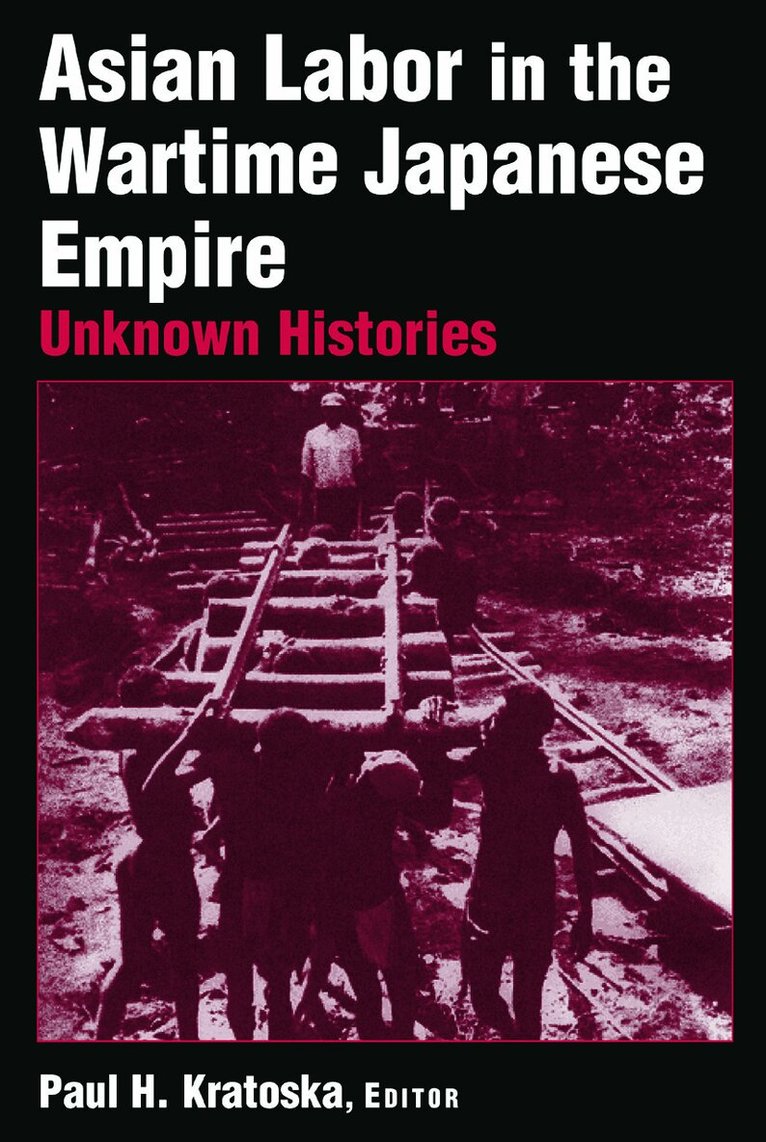
Asian Labor in the Wartime Japanese Empire
Unknown Histories
Häftad, 2005
1110 kr
Lägg i varukorg
During the Pacific War the Japanese government used a wide range of methods to recruit workers for construction projects throughout the occupied territories. Mistreatment of workers was a major grievance, both in widely publicized cases such as the use of prisoners of war and forced Asian labor to …
Southeast Asian Minorities in the Wartime Japanese Empire
E-bok, 2013
874 kr
Lägg i varukorg
The Japanese invasion and occupation of southeast Asia provided opportunities for the peoples of the region to pursue a wide range of agendas that had little to do with the larger issues which drove the conflict between Japan and the allies. This book explores how the occupation affected various …
Southeast Asian Minorities in the Wartime Japanese Empire
E-bok, 2013
874 kr
Lägg i varukorg
The Japanese invasion and occupation of southeast Asia provided opportunities for the peoples of the region to pursue a wide range of agendas that had little to do with the larger issues which drove the conflict between Japan and the allies. This book explores how the occupation affected various …
Asian Labor in the Wartime Japanese Empire
Unknown Histories
E-bok, 2014
1012 kr
Lägg i varukorg
During the Pacific War the Japanese government used a wide range of methods to recruit workers for construction projects throughout the occupied territories. Mistreatment of workers was a major grievance, both in widely publicized cases such as the use of prisoners of war and forced Asian labor to …
Asian Labor in the Wartime Japanese Empire
Unknown Histories
E-bok, 2014
1034 kr
Lägg i varukorg
During the Pacific War the Japanese government used a wide range of methods to recruit workers for construction projects throughout the occupied territories. Mistreatment of workers was a major grievance, both in widely publicized cases such as the use of prisoners of war and forced Asian labor to …
Food Supplies and the Japanese Occupation in South-East Asia
E-bok, 2016
785 kr
Lägg i varukorg
The Japanese Occupation of Southeast Asia between 1941 and 1945 brought with it severe food shortages, largely arising from organizational failures and inadequate transportation. the nine essays in this volume examine the situation in food exporting countries such as Burma, Thailand and Vietnam, in …
Food Supplies and the Japanese Occupation in South-East Asia
Häftad, 1998
567 kr
Lägg i varukorg
The Japanese Occupation of Southeast Asia between 1941 and 1945 brought with it severe food shortages, largely arising from organizational failures and inadequate transportation. the nine essays in this volume examine the situation in food exporting countries such as Burma, Thailand and Vietnam, in …
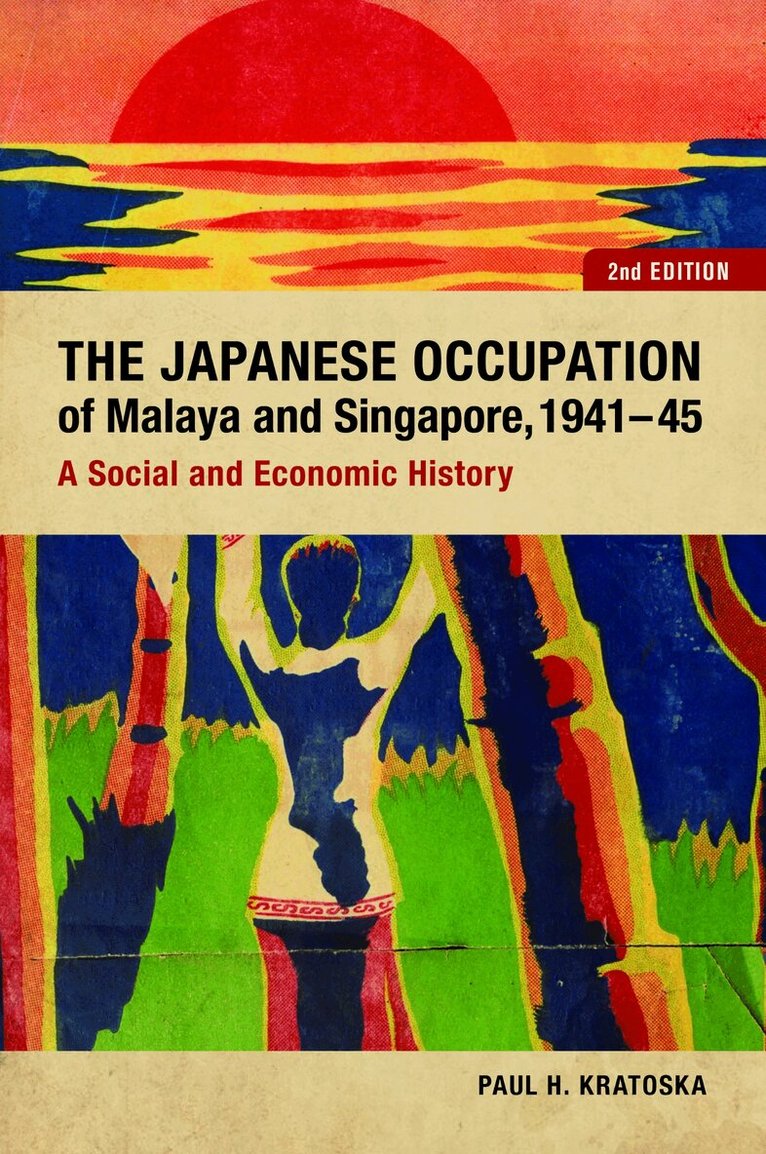
Japanese Occupation of Malaya and Singapore, 1941-45
A Social and Economic History
Häftad, 2018
425 kr
Lägg i varukorg
Japanese forces invaded Malaya on 8 December 1941 and British forces surrendered in Singapore 70 days later. Japan would rule the territory for the next 3½ years. Early efforts to maintain pre-war standards of comfort gave way to a grim struggle for survival as the vibrant economy ground to a halt …
South East Asia
Colonial History
2001
32941 kr
Tillfälligt slut
The six volumes that make up this set provide an overview of colonialism in South East Asia. The first volume deals with Portuguese, Spanish and Dutch Imperialism before 1800, the second with empire-building during the Nineteenth Century, and the third with the imperial heyday in the early …
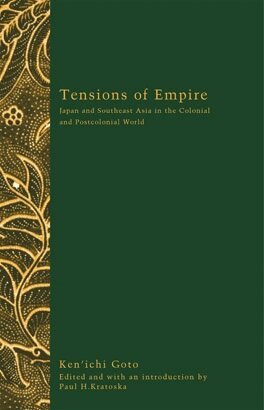
Tensions of Empire
Japan and Southeast Asia in the Colonial and Postcolonial World
Av Ken’ichi Goto, Paul H. Kratoska
Häftad, 2003
396 kr
Tillfälligt slut
Beginning with the closing decade of European colonial rule in Southeast Asia and covering the wartime Japanese empire and its postwar disintegration, Tensions of Empire focuses on the Japanese in Southeast Asia, Indonesians in Japan, and the legacy of the war in Southeast Asia. It also examines …