Paul Kenyon – författare
Visar alla böcker från författaren Paul Kenyon. Handla med fri frakt och snabb leverans.
10 produkter
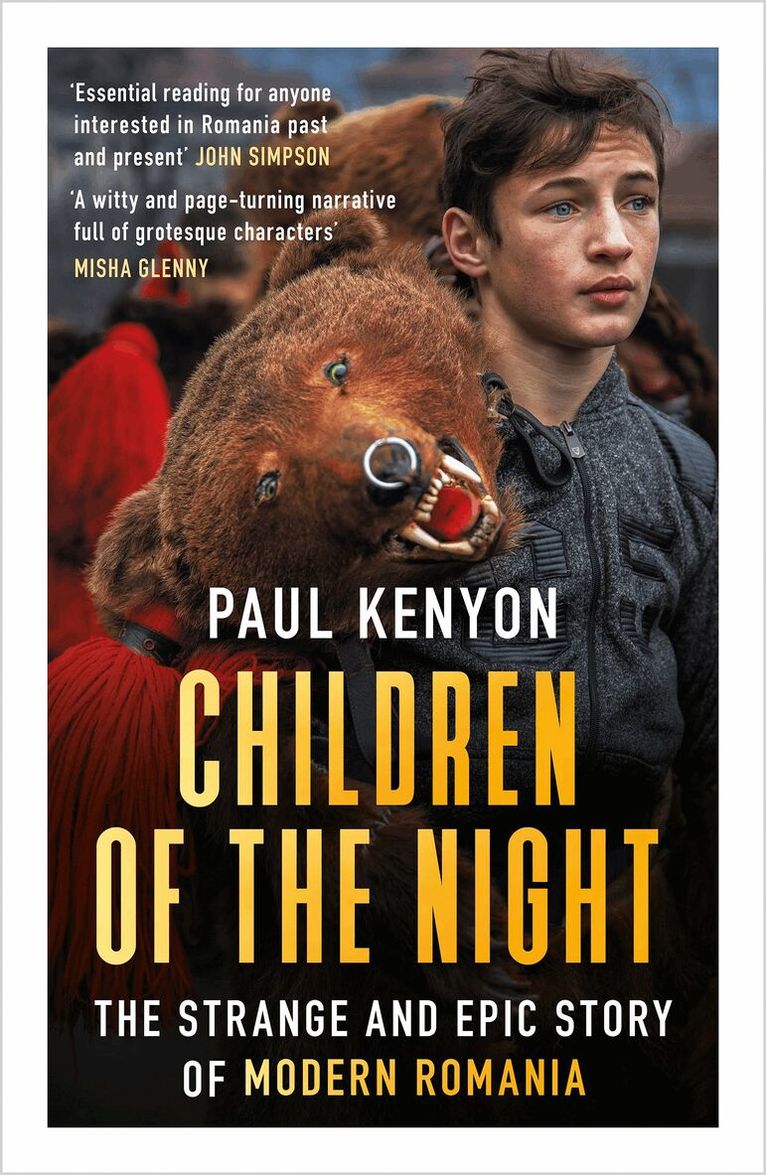
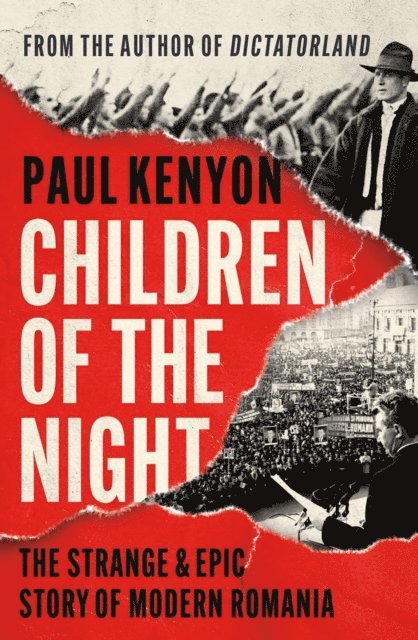
Children of the Night
The Strange and Epic Story of Modern Romania
Av Paul Kenyon
Häftad, 2022
5,0 utav 5 stjärnor. Totalt antal röster: (1)
168 kr
Lägg i varukorg
A vivid, brilliant, darkly humorous and horrifying history of some of the strangest dictators that Europe has ever seen. 'A witty and page-turning narrative full of grotesque characters' Misha Glenny 'Will leave you astonished, exhausted and curious... An unapologetic page turner' Spectator …
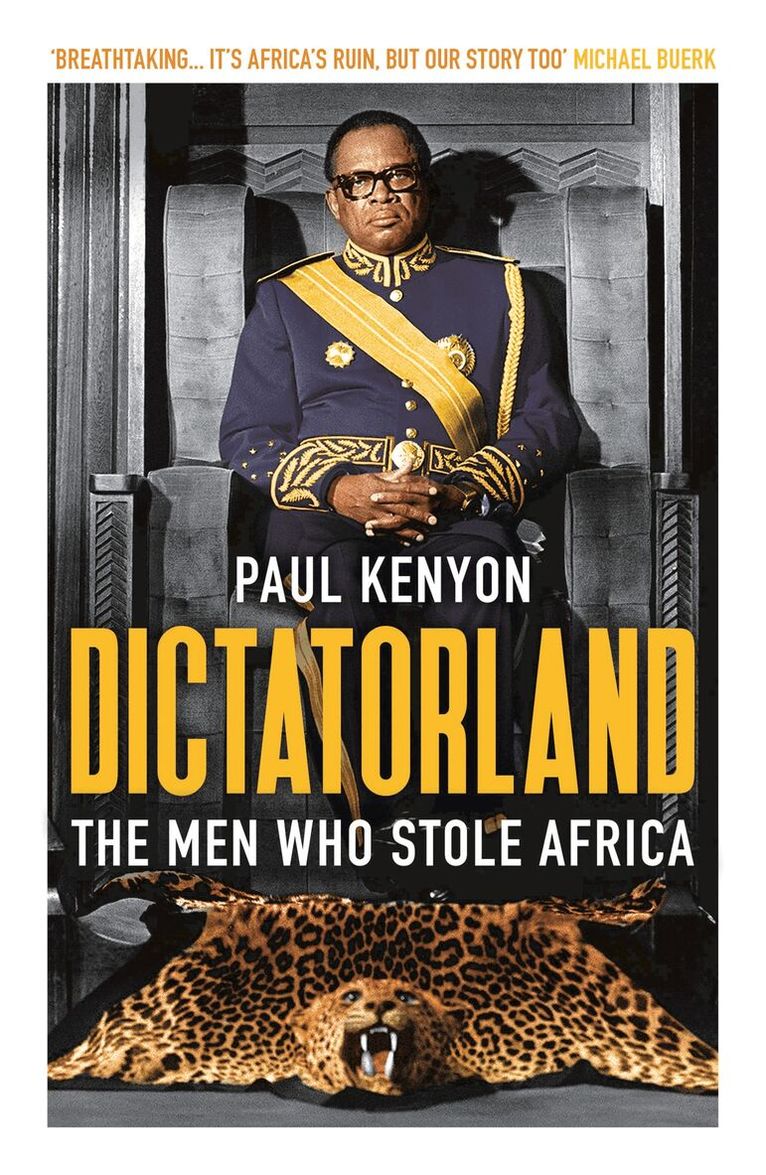
Dictatorland
The Men Who Stole Africa
Av Paul Kenyon
Häftad, 2018
140 kr
Lägg i varukorg
A Financial Times Book of the Year'Jaw-dropping' Daily Express'Grimly fascinating' Financial Times'Humane, timely, accessible and well-researched' Irish TimesThe dictator who grew so rich on his country's cocoa crop that he built a 35-storey-high basilica in the jungles of the Ivory Coast. The …
I Am Justice
A Journey Out of Africa
Av Paul Kenyon
E-bok, 2009
125 kr
Lägg i varukorg
Eighty miles off the Libyan coast water is leaking rapidly into the bottom of a dilapidated wooden boat. Twenty-seven men, crammed in side-by-side, desperately attempt to bail it out, but the boat is sinking. In the distance one of their number spots a ship and, forcing the last moments of life …
It'S About the People, Not Just the Games
50 Years Covering New England Sports
Av Paul Kenyon
E-bok, 2016
71 kr
Lägg i varukorg
Theres no one in Rhode Island who has covered as many sporting events in as many places as Paul Kenyon. Over his fifty-year career as a journalist (including thirty-seven years at The Providence Journal), he covered the Boston Red Sox, the New England Patriots, University of Rhode Island …
It's about the People, Not Just the Games
50 Years Covering New England Sports
Av Paul Kenyon
Häftad, 2016
233 kr
Lägg i varukorg
It's about the People, Not Just the Games
50 Years Covering New England Sports
Av Paul Kenyon
Inbunden, 2016
447 kr
Lägg i varukorg
Dictatorland
The Men Who Stole Africa
Av Paul Kenyon
E-bok, 2018
107 kr
Lägg i varukorg
A Financial Times Book of the Year ''Jaw-dropping'' Daily Express ''Grimly fascinating'' Financial Times ''Humane, timely, accessible and well-researched'' Irish Times The dictator who grew so rich on his country''s cocoa crop that he built a 35-storey-high basilica in the jungles of the Ivory …
Children of the Night
The Strange and Epic Story of Modern Romania
Av Paul Kenyon
E-bok, 2021
5,0 utav 5 stjärnor. Totalt antal röster: (1)
164 kr
Lägg i varukorg
A vivid, brilliant, darkly humorous and horrifying history of some of the strangest dictators that Europe has ever seen. 'A witty and page-turning narrative full of grotesque characters' Misha Glenny 'Will leave you astonished, exhausted and curious... An unapologetic page turner' Spectator …
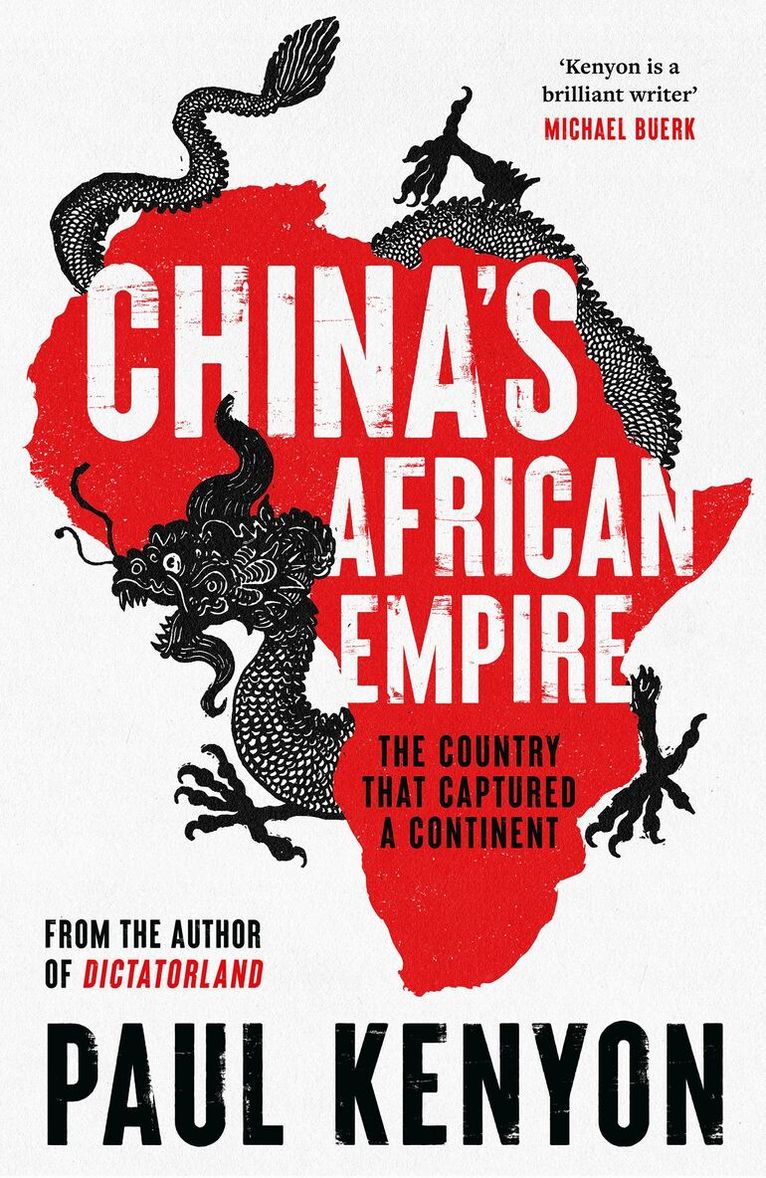
China's African Empire
The country that captured a continent
Av Paul Kenyon
Inbunden, 2026
360 kr
Lägg i varukorg
'A must read' Peter FrankopanFrom the bestselling author of Dictatorland, this is the long and turbulent history of China’s growing influence over African states.People are increasingly fascinated by – and terrified of – the role of China in the modern world. In Africa, this role has become …
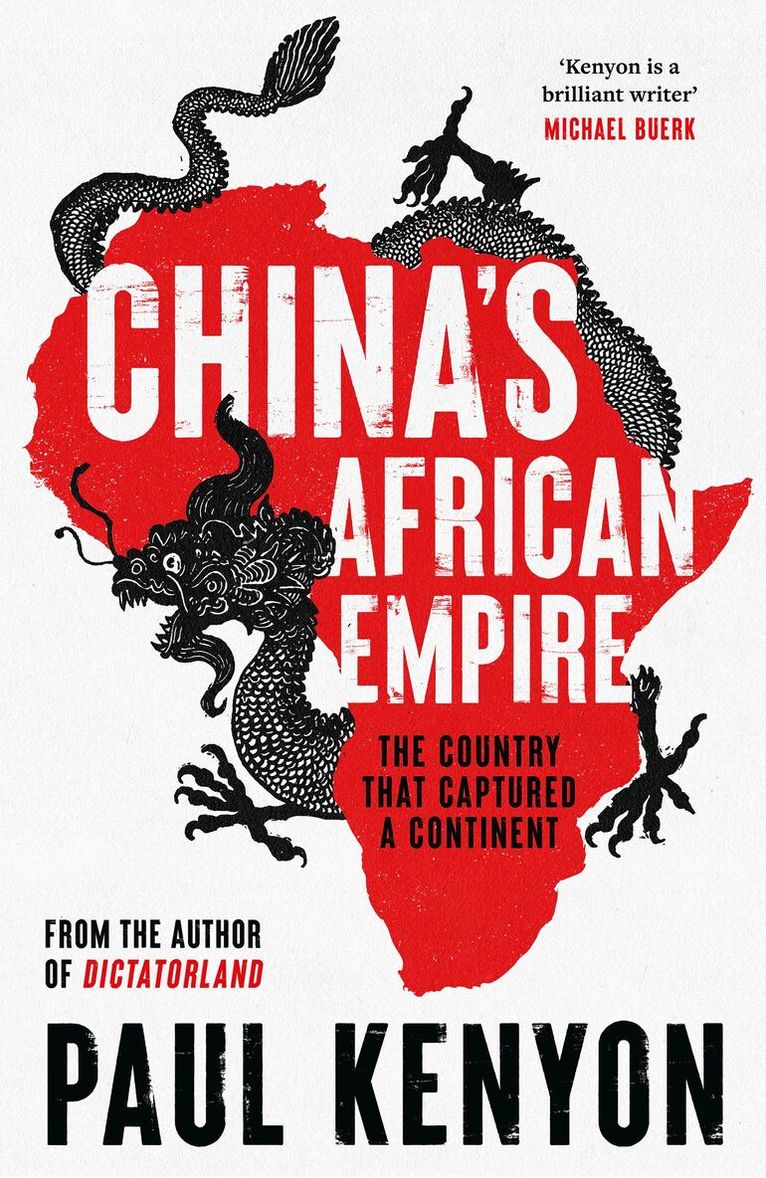
China's African Empire
The country that captured a continent
Av Paul Kenyon
Häftad, 2026
203 kr
Kommande
This is the long and turbulent history of China’s attempts to influence African states – and how China succeeded in buying access to the rich natural resources, and the millions of consumers, on Africa’s continent. In the fifteenth century, Zheng He’s Treasure Ships arrived in East Africa, and …