Paul M. Farber - Böcker
Visar alla böcker från författaren Paul M. Farber. Handla med fri frakt och snabb leverans.
6 produkter
6 produkter
301 kr
Kommande
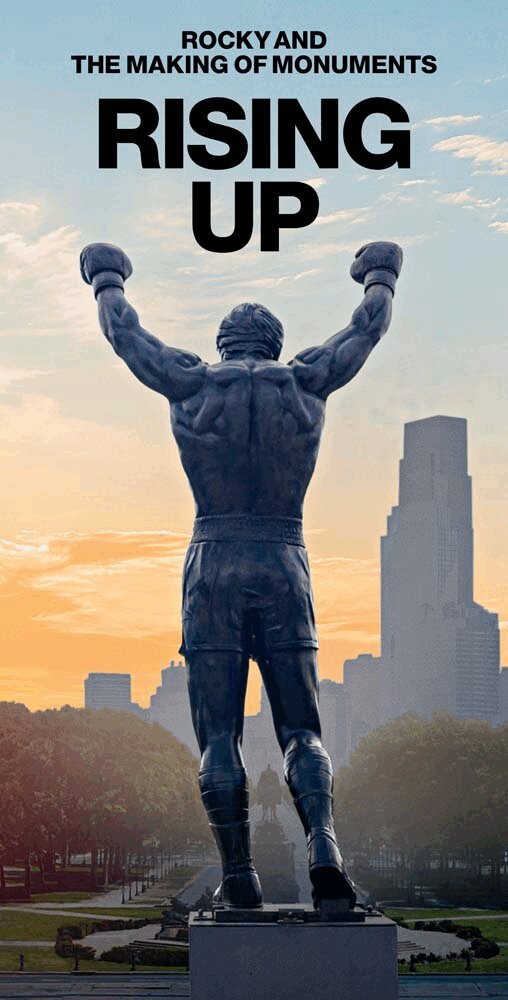
An exploration of the impact and cultural significance of the legendary Rocky statue located at the foot of the Philadelphia Museum of Art’s steps Fifty years after the premiere of the original Rocky movie, the legacy of the fictional boxer Rocky Balboa endures, as millions of people visit the Rocky statue located outside the Philadelphia Museum of Art each year. Commemorating the most famous Philadelphian who never lived, the landmark has become a monument with its own cultural mystique. In Rising Up, Paul Farber and a diverse group of scholars, cultural figures, literary critics, and artists tell the stories around the statue—of immigrant neighborhoods, Philadelphia’s Black boxing legends, the fight for the future of public spaces, and the changing meanings of monuments today. These stories reveal how our monuments reflect civic power and historical identity while raising questions about social belonging. Recalling Rocky’s story of going the distance, Rising Up also asks why we root for underdogs, untangling the dualities of struggle and triumph, vulnerability and strength, and strife and solidarity embodied in the iconic statue. Distributed for the Philadelphia Museum of Art Exhibition Schedule: Philadelphia Museum of Art(April 25–August 2, 2026)
386 kr
Skickas inom 7-10 vardagar
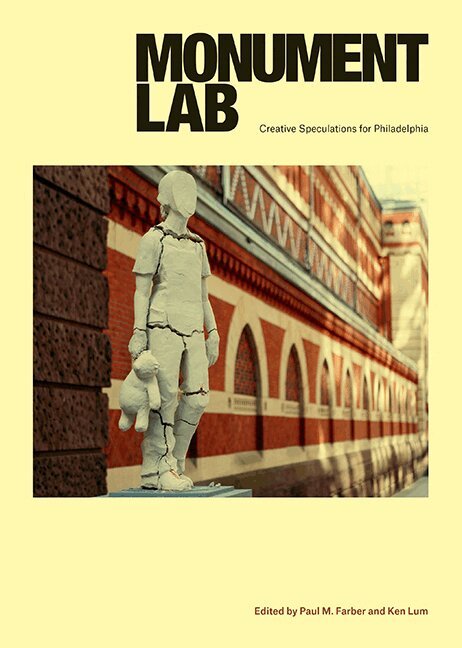
What is an appropriate monument for the current city of Philadelphia? That was the question posed by the curators, artists, scholars, and students who comprise the Philadelphia-based public art and history studio Monument Lab. And in 2017, along with Mural Arts Philadelphia, they produced and organized a groundbreaking, city-wide exhibition of temporary, site-specific works that engaged directly with the community. The installations, by a cohort of diverse artists considering issues of identity, appeared in iconic public squares and neighborhood parks with research and learning labs and prototype monuments. Monument Lab is a fabulous compendium of the exhibition and a critical reflection of the proceedings, including contributions from interlocutors and collaborators. The exhibition and this handbook were designed to generate new ways of thinking about monuments and public art as well as to find new, critical perspectives to reflect on the monuments we have inherited and to imagine those we have yet to build. Monument Lab energizes acivic dialogue about place and history as forces for a deeper questioning of what it means to be Philadelphian in a time of renewal and continuing struggle.Contributors: Alexander Alberro, Alliyah Allen, Laurie Allen, Andrew Friedman, Justin Geller, Kristen Giannantonio, Jane Golden, Aviva Kapust, Fariah Khan, Homay King, Stephanie Mach, Trapeta B. Mayson, Nathaniel Popkin, Ursula Rucker, Jodi Throckmorton, Salamishah Tillet, Jennifer Harford Vargas, Naomi Waltham-Smith, Bethany Wiggin, Mariam I. Williams, Leslie Willis-Lowry, and the editors.Artists: Tania Bruguera, Mel Chin, Kara Crombie, Tyree Guyton, Hans Haacke, David Hartt, Sharon Hayes, King Britt and Joshua Mays, Klip Collective, Duane Linklater, Emeka Ogboh, Karyn Olivier, Michelle Angela Ortiz, Kaitlin Pomerantz, RAIR, Alexander Rosenberg, Jamel Shabazz, Hank Willis Thomas, Shira Walinsky and Southeast by Southeast, and Marisa Williamson.
386 kr
Skickas inom 7-10 vardagar
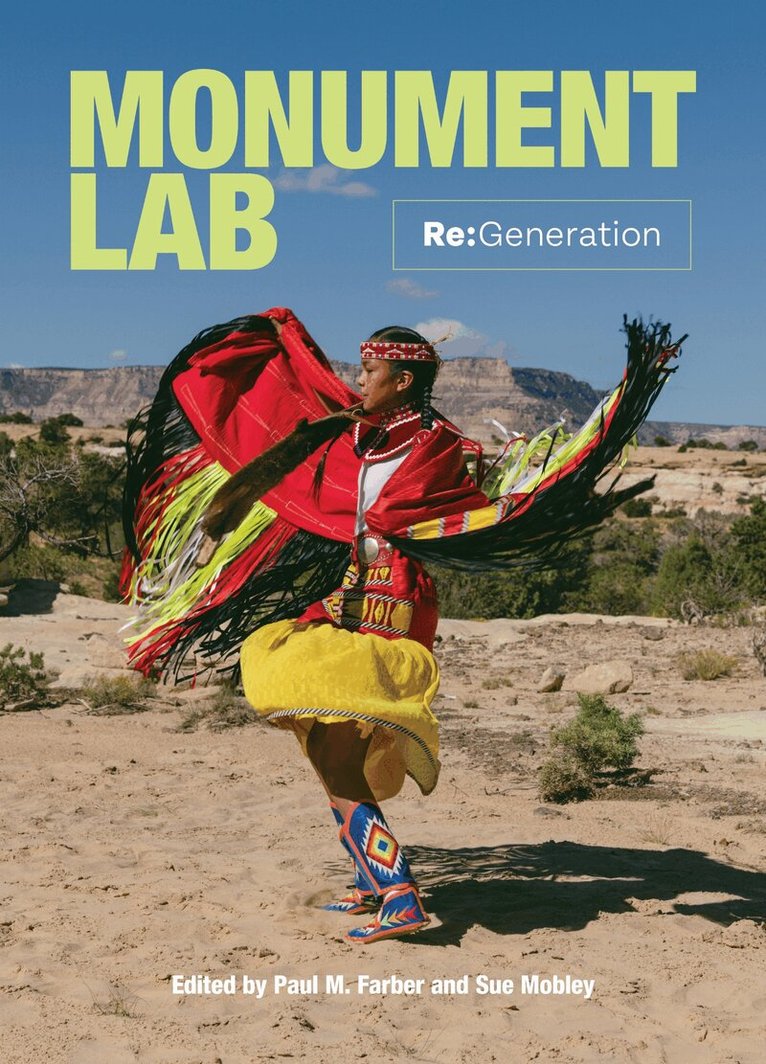
Beginning in 2022, the Philadelphia-based nonprofit public art, history, and design studio, Monument Lab, launched a nationwide initiative organized around a central question: Which stories belong in public? The editors and contributors to Monument Lab: Re:Generation responded with creative and impactful projects of reclamation that provide a deeper understanding of how monuments live and function in communities.Monument Lab: Re:Generation presents case studies that travel across America, highlighting local commemorative campaigns dedicated to advancing public memory. Featuring articles and artwork from the country’s leading monument makers, each project includes a framing essay that provides insights into the varied contexts of location, culture, form, and subject matter.Monument Lab: Re:Generation provides innovative, healing, and practical approaches to the United States’ unreconciled past and divided present facing our nation. In doing so, it invites readers to engage with a broader discourse of monuments and public memory.Contributors: Thomas J. Adams, Kareal Amenumey, Sháńdíín Brown, Jonathan Jae-an Crisman, Kristen Dorsey, Aruna D'Souza, Mariluz Franco Ortiz, Jacqui Germain, Grace Sanders Johnson, Dani R. Merriman, Deirdre Cooper Owens, Naima Murphy Salcido, Kirk Savage, Clint Smith, Tsione Wolde-Michael, Eric Zimmer, and the editors
202 kr
Kommande
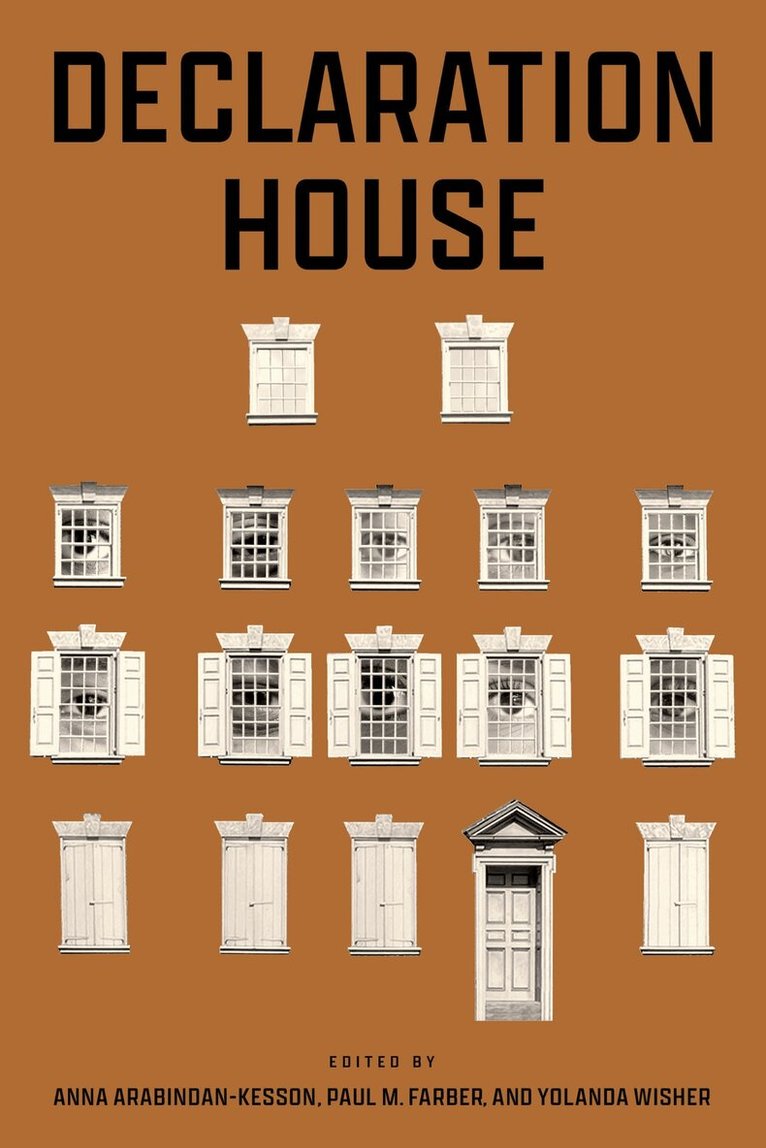
During the drafting of the Declaration of Independence in 1776, Thomas Jefferson and enslaved valet Robert Hemmings spent several months at 700 Market Street in Philadelphia. The editors and contributors to Declaration House reflect on the history of this site and illuminate the entangled legacy of freedom and enslavement at the core of our nation's founding. They expand our history by revisiting and mapping this historic place in the city and nation, past and present, as a way to tend to our democracy today.At the center of the book is artist Sonya Clark's revelatory public artwork "The Descendants of Monticello," a multichannel video installation created in collaboration with Hemmings' collateral descendants and others who are related to the hundreds of people enslaved at Monticello. Interviews and essays about the project and the site consider history, memory, and the founding of our country. Like Clark's project, Declaration House asks the timely question, "What does the Declaration of Independence mean to us today?"Contributors: Niya Bates, Kerry Bickford, Paul Buchanan, Sonya Clark, Andrew M. Davenport, Kai Davis, Husnaa Haajarah Hashim, J. Calvin Jefferson Sr., Jabari Jefferson, Jane Kamensky, Matthew Kenyatta, Salamishah Tillet, Gayle Jessup White, Auriana Woods, and the editors
1 093 kr
Skickas inom 10-15 vardagar
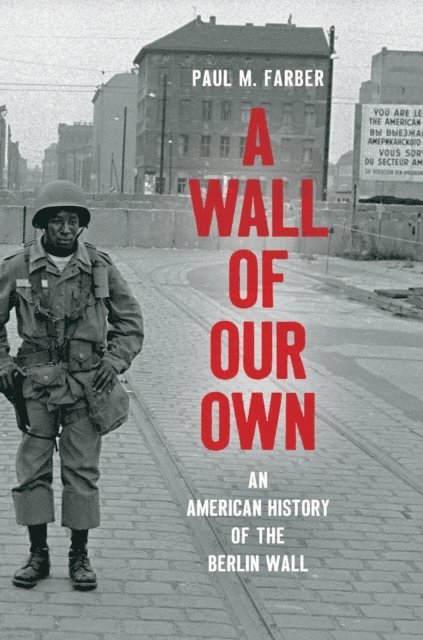
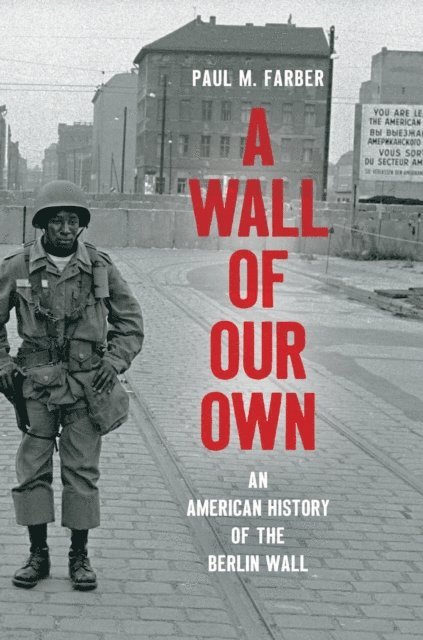
The Berlin Wall is arguably the most prominent symbol of the Cold War era. Its construction in 1961 and its dismantling in 1989 are broadly understood as pivotal moments in the history of the last century. In A Wall of Our Own, Paul M. Farber traces the Berlin Wall as a site of pilgrimage for American artists, writers, and activists. During the Cold War and in the shadow of the Wall, figures such as Leonard Freed, Angela Davis, Shinkichi Tajiri, and Audre Lorde weighed the possibilities and limits of American democracy. All were sparked by their first encounters with the Wall, incorporated their reflections in books and artworks directed toward the geopolitics of division in the United States, and considered divided Germany as a site of intersection between art and activism over the respective courses of their careers. Departing from the well-known stories of Americans seeking post-World War II Paris for their own self-imposed exile or traveling the open road of the domestic interstate highway system, Farber reveals the divided city of Berlin as another destination for Americans seeking a critical distance. By analyzing the experiences and cultural creations of "American Berliner" artists and activists, Farber offers a new way to view not only the Wall itself but also how the Cold War still structures our thinking about freedom, repression, and artistic resistance on a global scale.
378 kr
Skickas inom 10-15 vardagar
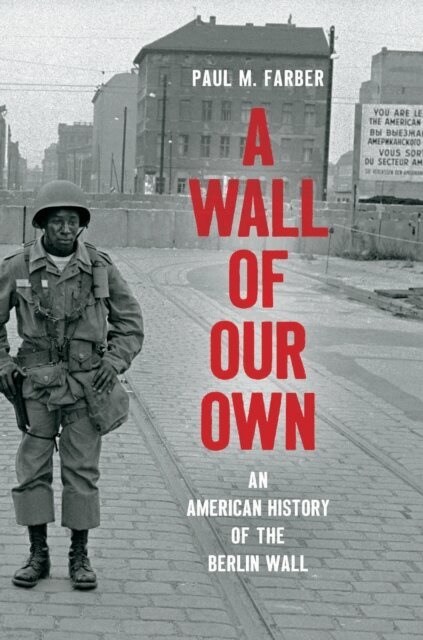
The Berlin Wall is arguably the most prominent symbol of the Cold War era. Its construction in 1961 and its dismantling in 1989 are broadly understood as pivotal moments in the history of the last century. In A Wall of Our Own, Paul M. Farber traces the Berlin Wall as a site of pilgrimage for American artists, writers, and activists. During the Cold War and in the shadow of the Wall, figures such as Leonard Freed, Angela Davis, Shinkichi Tajiri, and Audre Lorde weighed the possibilities and limits of American democracy. All were sparked by their first encounters with the Wall, incorporated their reflections in books and artworks directed toward the geopolitics of division in the United States, and considered divided Germany as a site of intersection between art and activism over the respective courses of their careers. Departing from the well-known stories of Americans seeking post-World War II Paris for their own self-imposed exile or traveling the open road of the domestic interstate highway system, Farber reveals the divided city of Berlin as another destination for Americans seeking a critical distance. By analyzing the experiences and cultural creations of "American Berliner" artists and activists, Farber offers a new way to view not only the Wall itself but also how the Cold War still structures our thinking about freedom, repression, and artistic resistance on a global scale.