Paul P. Mariani – författare
Visar alla böcker från författaren Paul P. Mariani. Handla med fri frakt och snabb leverans.
5 produkter
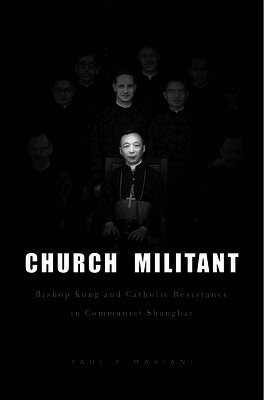
Church Militant
Bishop Kung and Catholic Resistance in Communist Shanghai
Inbunden, 2011
531 kr
Lägg i varukorg
By 1952 the Chinese Communist Party had suppressed all organized resistance to its regime and stood unopposed, or so it has been believed. Internal party documents—declassified just long enough for historian Paul Mariani to send copies out of China—disclose that one group deemed an enemy of the …
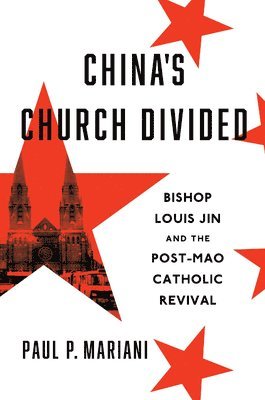
China's Church Divided
Bishop Louis Jin and the Post-Mao Catholic Revival
Inbunden, 2025
436 kr
Lägg i varukorg
A Foreign Affairs Best Book of the YearAn illuminating portrait of how Shanghai’s Catholic community surged back to life after the Cultural Revolution—and of a Church divided between allegiance to the Vatican and loyalty to the Communist party-state.During the Cultural Revolution, the Chinese state …
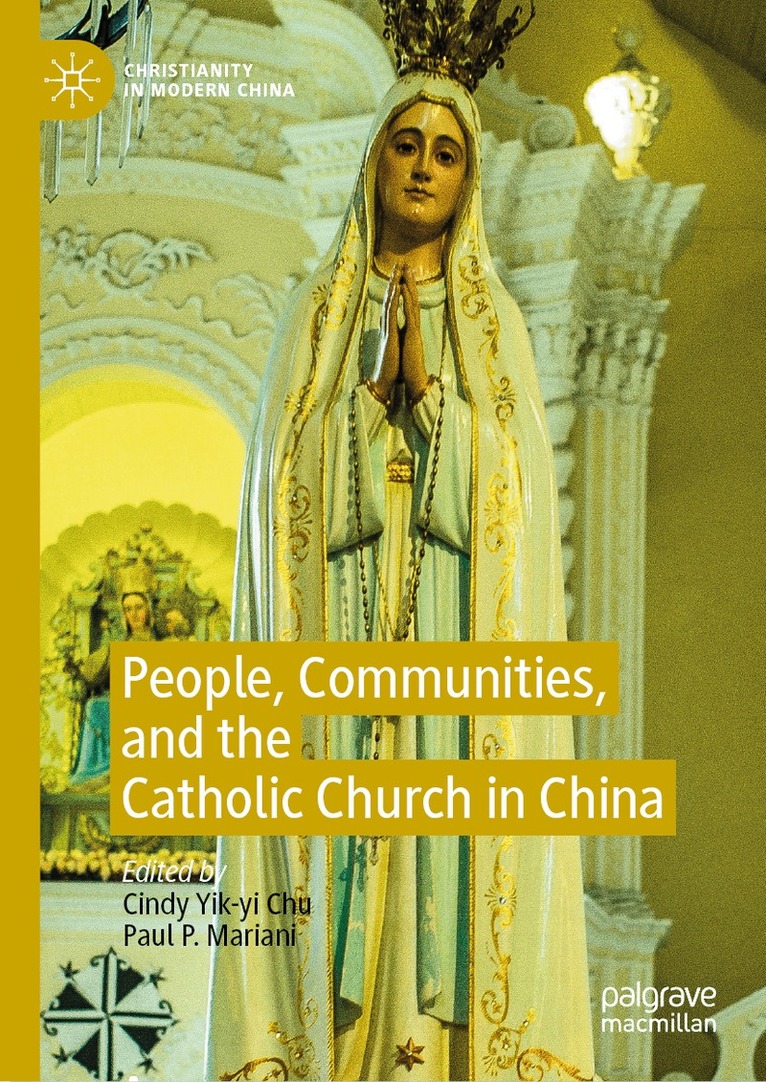
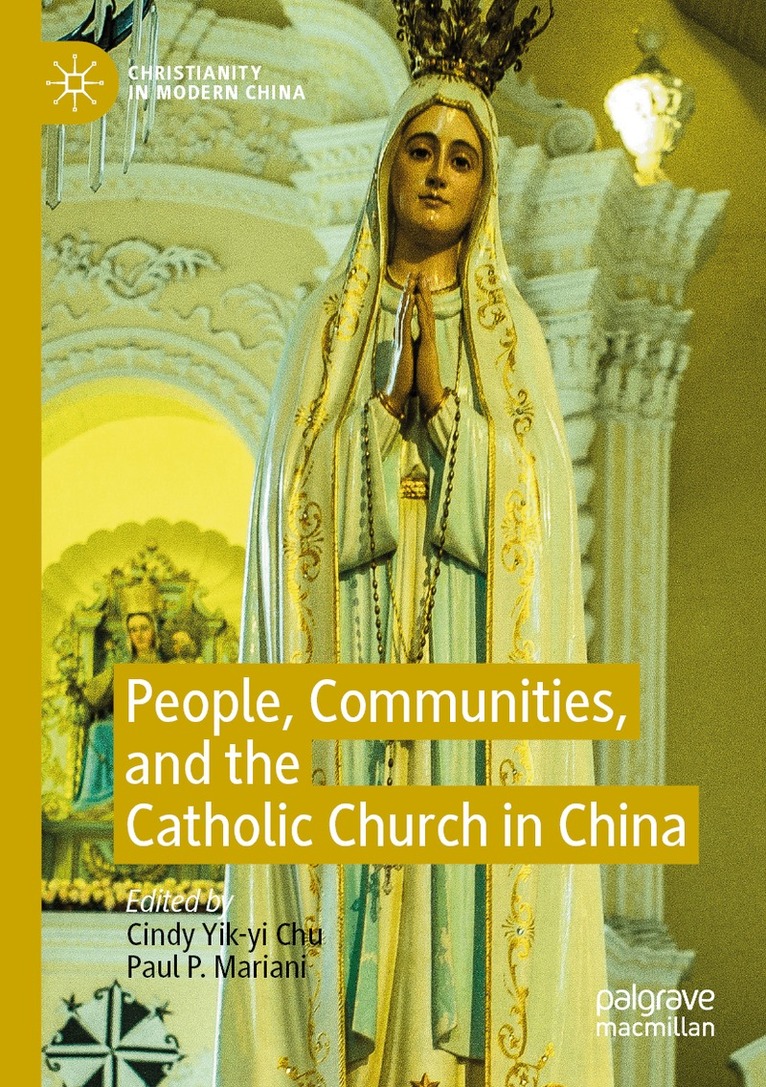
People, Communities, and the Catholic Church in China
Av Cindy Yik-yi Chu, Paul P. Mariani
Inbunden, 2020
716 kr
Lägg i varukorg
This book explores the Chinese Catholic Church as a whole as well as focusing on particular aspects of its activities, including diplomacy, politics, leadership, pilgrimage, youths, and non-Chinese Catholics in China. It discusses Sino-Vatican relations and the rationale behind the decisions taken …
People, Communities, and the Catholic Church in China
Av Paul P. Mariani, Cindy Yik-yi Chu
E-bok, 2020
897 kr
Lägg i varukorg
This book explores the Chinese Catholic Church as a whole as well as focusing on particular aspects of its activities, including diplomacy, politics, leadership, pilgrimage, youths, and non-Chinese Catholics in China. It discusses Sino-Vatican relations and the rationale behind the decisions taken …
People, Communities, and the Catholic Church in China
Av Cindy Yik-yi Chu, Paul P. Mariani
Häftad, 2021
716 kr
Lägg i varukorg
This book explores the Chinese Catholic Church as a whole as well as focusing on particular aspects of its activities, including diplomacy, politics, leadership, pilgrimage, youths, and non-Chinese Catholics in China. It discusses Sino-Vatican relations and the rationale behind the decisions taken …