Paul Peucker – författare
Visar alla böcker från författaren Paul Peucker. Handla med fri frakt och snabb leverans.
6 produkter
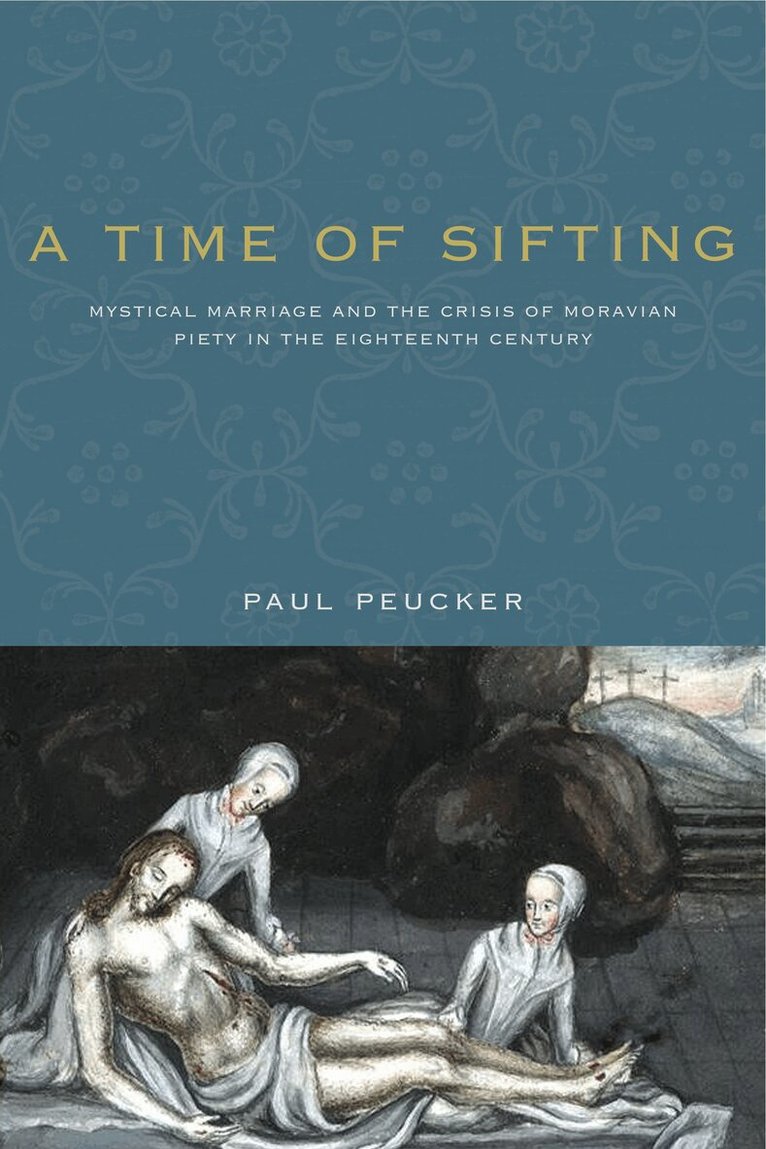
Time of Sifting
Mystical Marriage and the Crisis of Moravian Piety in the Eighteenth Century
Av Paul Peucker
Häftad, 2016
339 kr
Lägg i varukorg
At the end of the 1740s, the Moravians, a young and rapidly expanding radical-Pietist movement, experienced a crisis soon labeled the Sifting Time. As Moravian leaders attempted to lead the church away from the abuses of the crisis, they also tried to erase the memory of this controversial and …
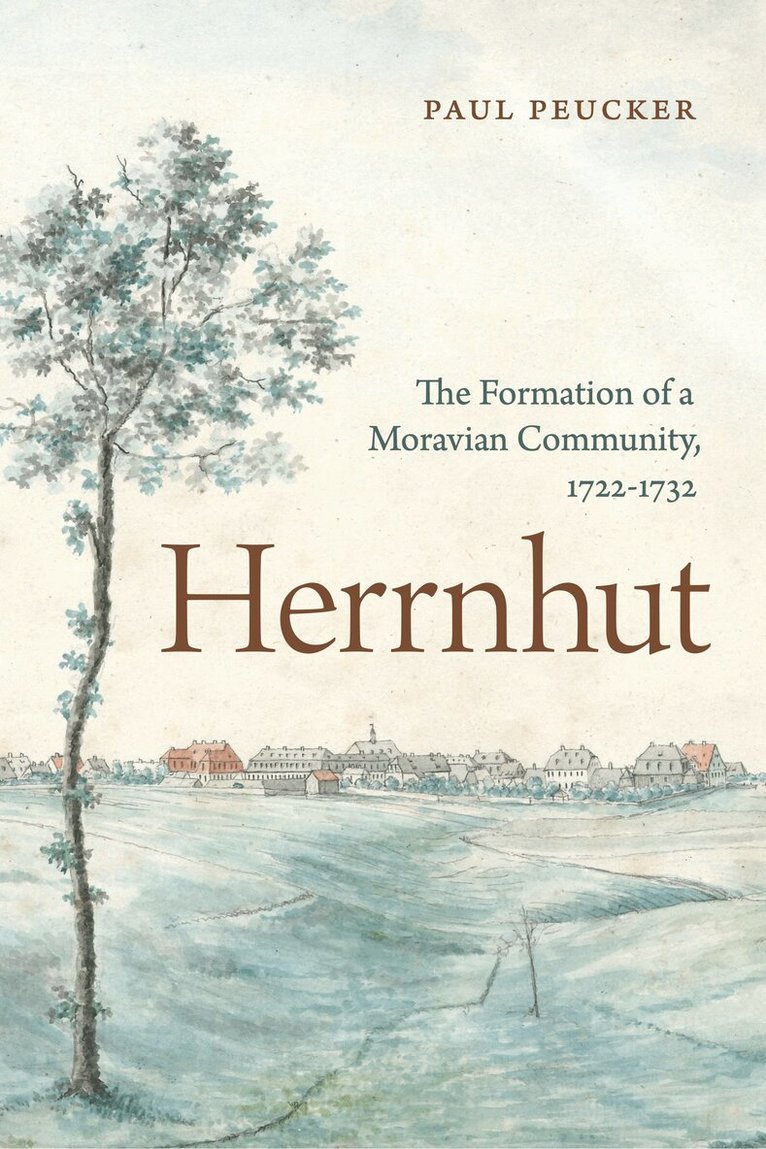
Herrnhut
The Formation of a Moravian Community, 1722–1732
Av Paul Peucker
Inbunden, 2022
655 kr
Lägg i varukorg
In June 1722, three families from Moravia settled on the estate of Count Nikolaus Ludwig von Zinzendorf in Berthelsdorf, Saxony. Known as the community of Herrnhut, their settlement quickly grew to become the epicenter of a transatlantic religious movement, one that would attract thousands of …
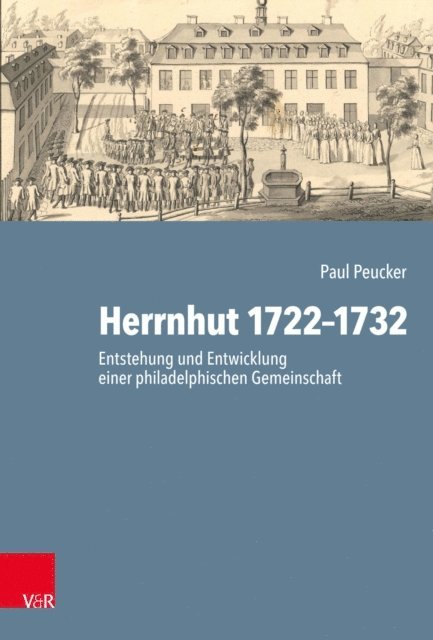
Herrnhut 1722--1732
Entstehung und Entwicklung einer philadelphischen Gemeinschaft
Av Paul Peucker
Inbunden, 2021
665 kr
Lägg i varukorg
In 1722, Count Zinzendorf allowed a group of Moravian exiles to settle on his Upper Lusatian estate. This was the beginning of Herrnhut, an awakened community that within a few years became the centre of a transatlantic religious movement. The rapid spread of the Moravian Brethren is all the more …
Neue Aspekte Der Zinzendorf-Forschung
Av Martin Brecht, Paul Peucker
Inbunden, 2006
374 kr
Lägg i varukorg
Nikolaus Ludwig Reichsgraf von Zinzendorf und Pottendorf (1700-1760) ist als Begrunder der Herrnhuter Brudergemeine eine der zentralen Figuren des europaischen Pietismus. Im Zentrum der internationalen Beitrage dieses Bandes stehen aktuelle Forschungen zur kirchen-, theologie- und …
Herrnhut 1722-1732
Entstehung und Entwicklung einer philadelphischen Gemeinschaft
Av Paul Peucker
E-bok, 2021
592 kr
Lägg i varukorg
Im Jahr 1722 erlaubte Graf Zinzendorf einer Gruppe mährischer Exulanten sich auf seinem oberlausitzer Gut anzusiedeln. Dies war der Anfang von Herrnhut, einer Erwecktengemeinschaft die innerhalb weniger Jahren zum Zentrum einer transatlantischen religiösen Bewegung wurde. Die schnelle Verbreitung …
Time of Sifting
Mystical Marriage and the Crisis of Moravian Piety in the Eighteenth Century
Av Paul Peucker
Inbunden, 2015
1049 kr
Tillfälligt slut
At the end of the 1740s, the Moravians, a young and rapidly expanding radical-Pietist movement, experienced a crisis soon labeled the Sifting Time. As Moravian leaders attempted to lead the church away from the abuses of the crisis, they also tried to erase the memory of this controversial and …