Paul S. Pregosin – författare
Visar alla böcker från författaren Paul S. Pregosin. Handla med fri frakt och snabb leverans.
5 produkter
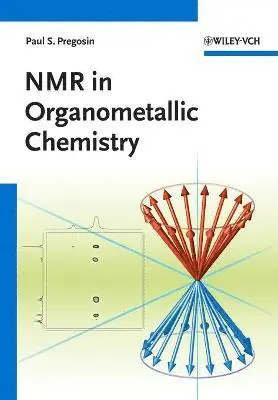
NMR in Organometallic Chemistry
Häftad, 2012
776 kr
Lägg i varukorg
The first and ultimate guide for anyone working in transition organometallic chemistry and related fields, providing the background andpractical guidance on how to efficiently work with routine research problems in NMR. The book adopts a problem-solving approach with many examples taken from recent …
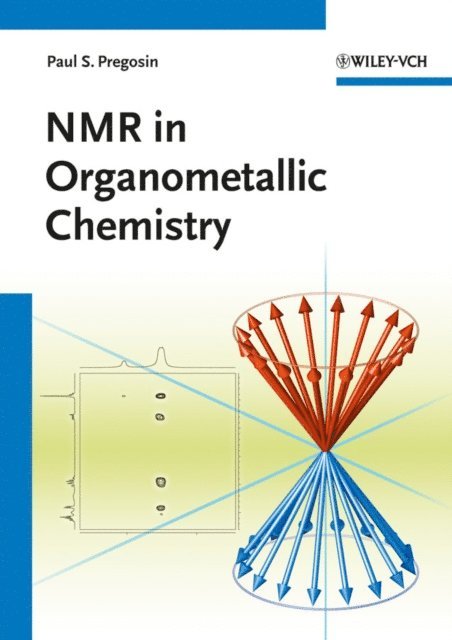
NMR in Organometallic Chemistry
E-bok, 2013
1025 kr
Lägg i varukorg
The first and ultimate guide for anyone working in transition organometallic chemistry and related fields, providing the background and practical guidance on how to efficiently work with routine research problems in NMR. The book adopts a problem-solving approach with many examples taken from …
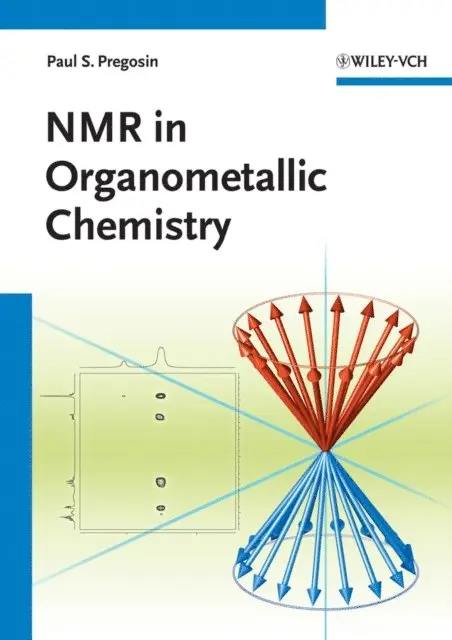
NMR in Organometallic Chemistry
E-bok, 2013
1025 kr
Lägg i varukorg
The first and ultimate guide for anyone working in transition organometallic chemistry and related fields, providing the background and practical guidance on how to efficiently work with routine research problems in NMR. The book adopts a problem-solving approach with many examples taken from …
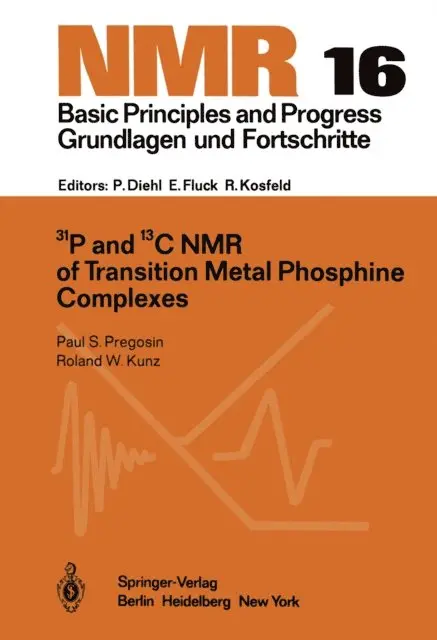
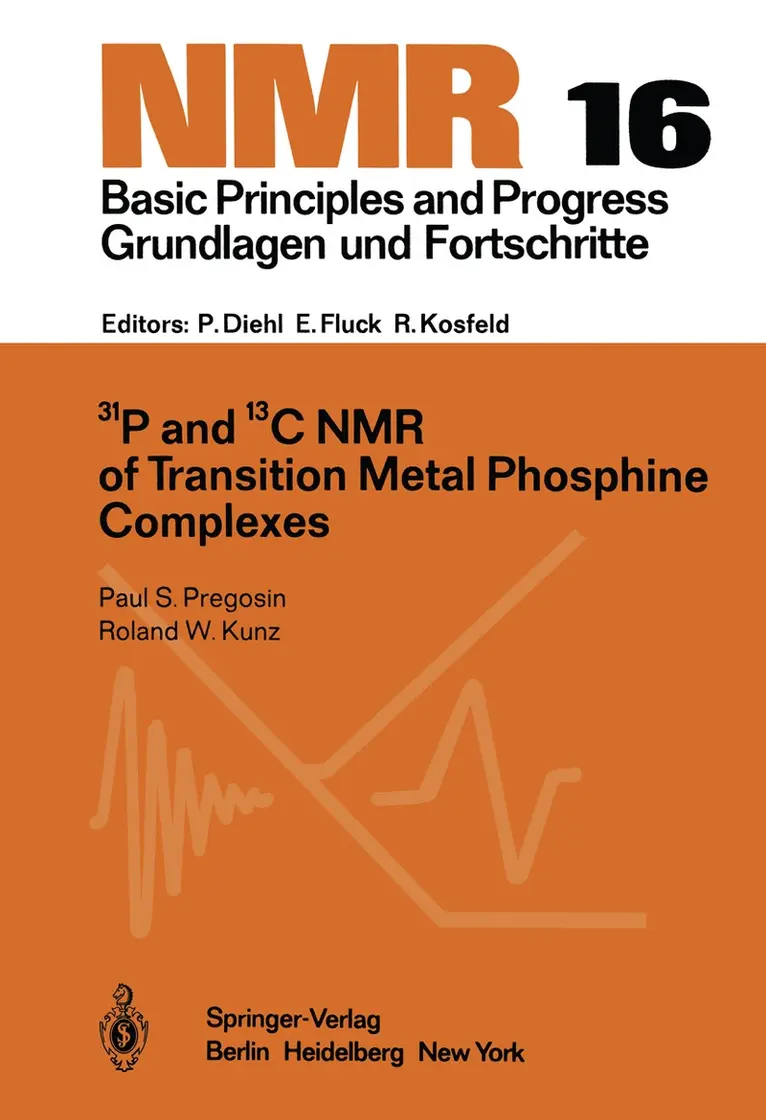
31P and 13C NMR of Transition Metal Phosphine Complexes
Av Roland W. Kunz, Paul S. Pregosin
E-bok, 2012
1416 kr
Lägg i varukorg
For almost a quarter of a century the words "nuclear magnetic reso nance" were synonymous with proton I,leasurements. During this period the literature abounded with a seemingly infinite variety of 1H NHR studies concerned primarily with carbon chemistry. Occasionally a "novel" nucleus was studied …
31P and 13C NMR of Transition Metal Phosphine Complexes
Av Paul S. Pregosin, Roland W. Kunz
Häftad, 2012
1093 kr
Lägg i varukorg
For almost a quarter of a century the words "nuclear magnetic reso nance" were synonymous with proton I,leasurements. During this period the literature abounded with a seemingly infinite variety of 1H NHR studies concerned primarily with carbon chemistry. Occasionally a "novel" nucleus was studied …