Paul Shepard – författare
Visar alla böcker från författaren Paul Shepard. Handla med fri frakt och snabb leverans.
7 produkter
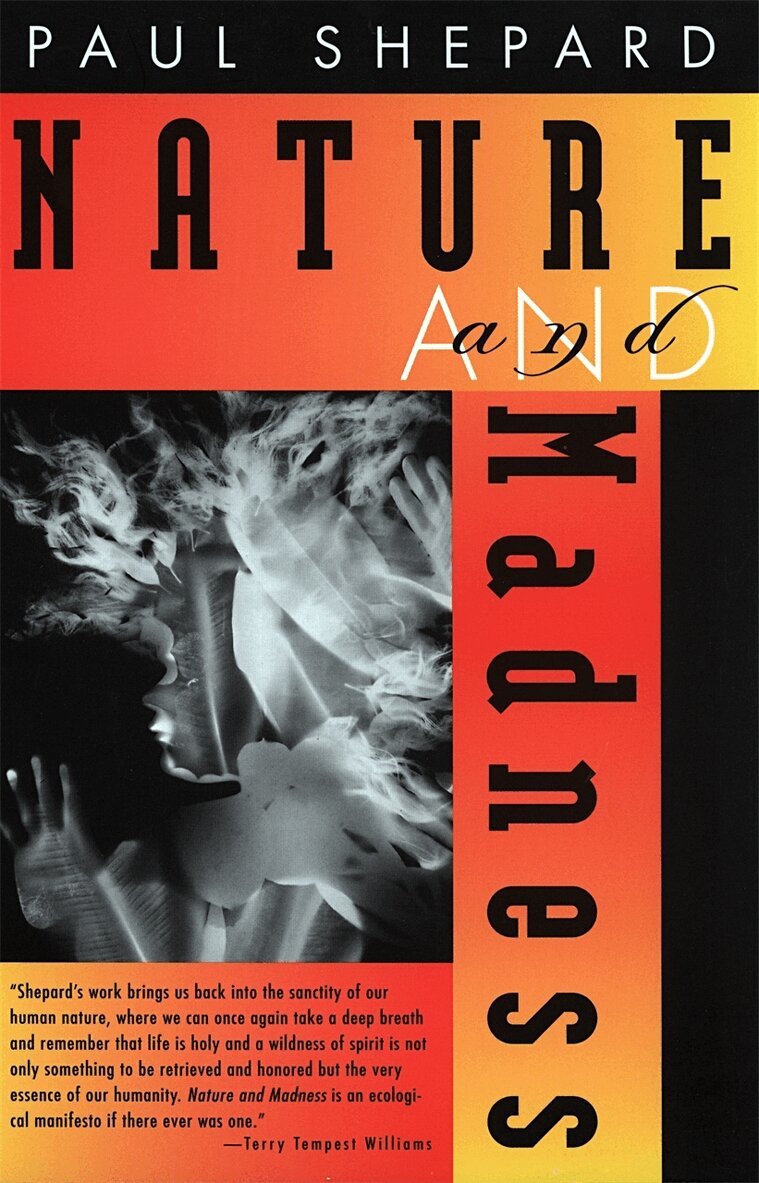
Nature and Madness
Av Paul Shepard
Häftad, 1998
447 kr
Lägg i varukorg
Through much of history our relationship with the earth has been plagued by ambivalence—we not only enjoy and appreciate the forces and manifestations of nature, we seek to plunder, alter, and control them. Here Paul Shepard uncovers the cultural roots of our ecological crisis and proposes ways to …
Tender Carnivore and the Sacred Game
Av Paul Shepard
Häftad, 1998
590 kr
Lägg i varukorg
In what may be his boldest and most controversial book, Paul Shepard presents an account of human behavior and ecology in light of our past. In it, he contends that agriculture is responsible for our ecological decline and looks to the hunting and gathering lifestyle as a model more closely in tune …
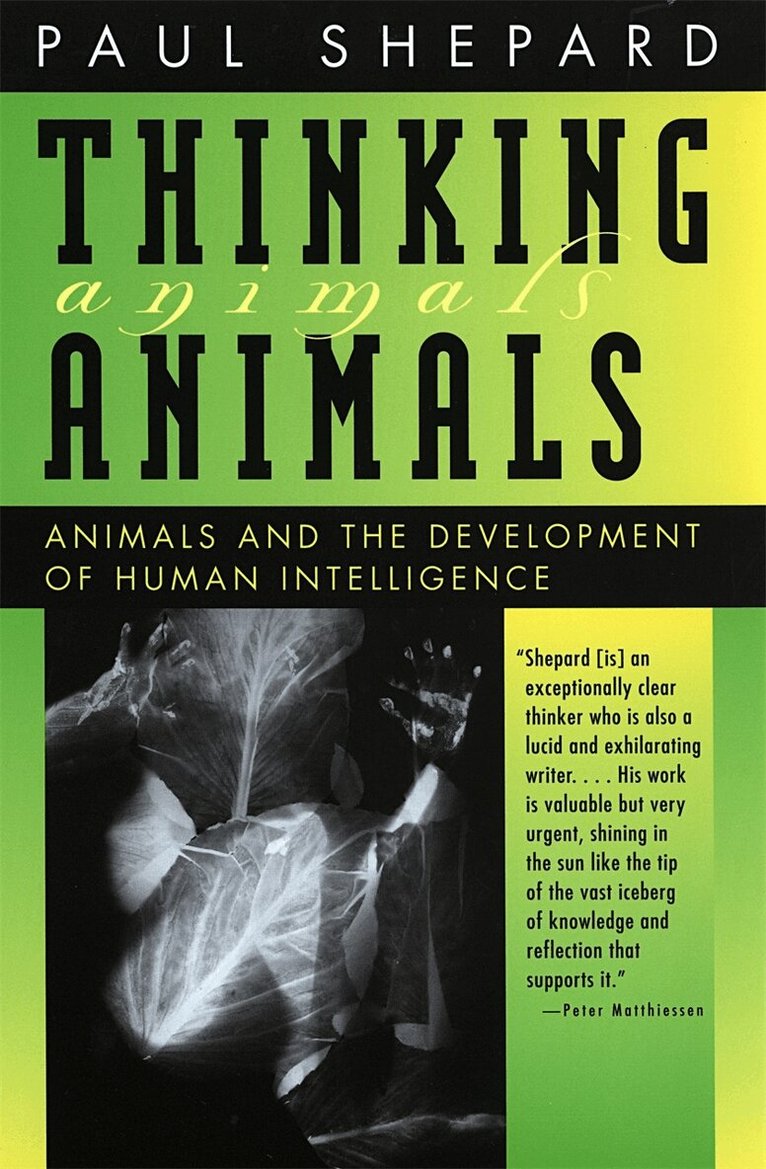
Thinking Animals
Animals and the Development of Human Intelligence
Av Paul Shepard
Häftad, 1998
592 kr
Lägg i varukorg
In a world increasingly dominated by human beings, the survival of other species becomes more and more questionable. In this brilliant book, Paul Shepard offers a provocative alternative to an "us or them" mentality, proposing that other species are integral to humanity's evolution and exist at the …
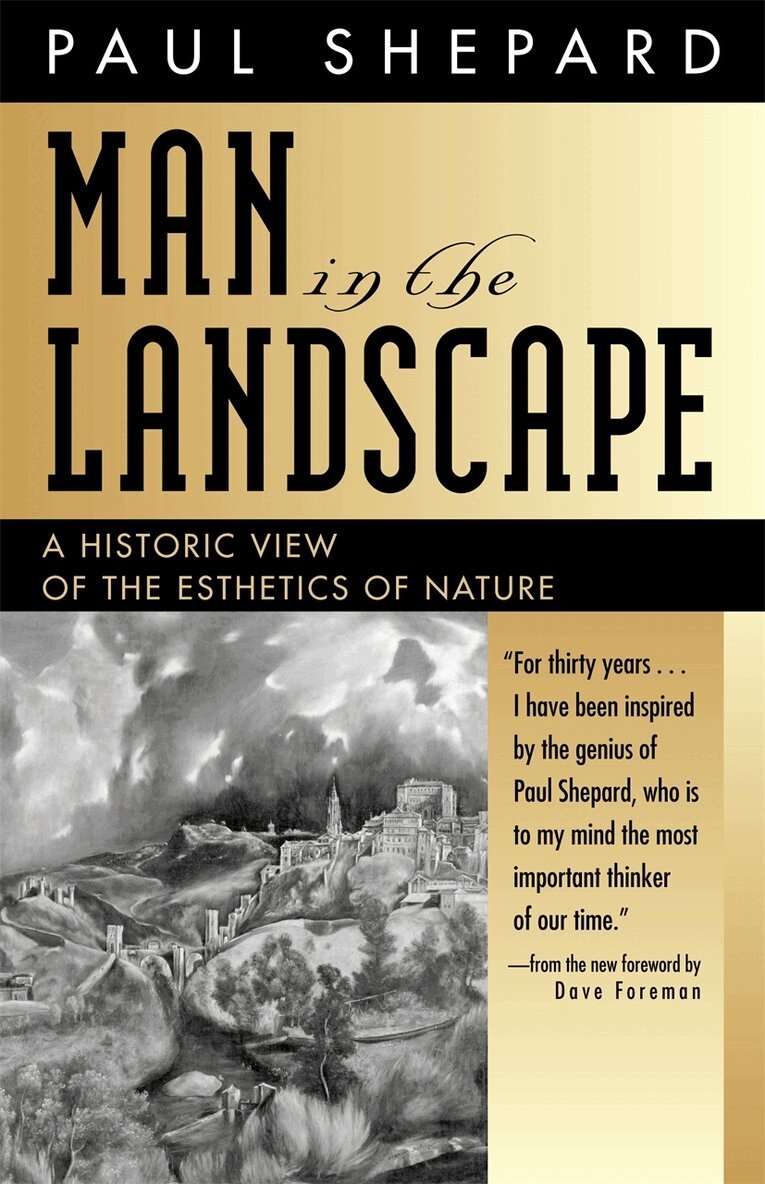
Man in the Landscape
A Historic View of the Esthetics of Nature
Av Paul Shepard
Häftad, 2002
528 kr
Lägg i varukorg
A pioneering exploration of the roots of our attitudes toward nature, Paul Shepard's most seminal work is as challenging and provocative today as when it first appeared in 1967. Man in the Landscape was among the first books of a new genre that has elucidated the ideas, beliefs, and images that lie …
Coming Home to the Pleistocene
Av Paul Shepard, Florence R. Shepard
Häftad, 2004
298 kr
Lägg i varukorg
Paul Shepard was one of the most profound and original thinkers of our time. Seminal works like The Tender Carnivore and the Sacred Game, Thinking Animals, and Nature and Madness introduced readers to new and provocative ideas about humanity and its relationship to the natural world. Throughout his …
Where We Belong
Beyond Abstraction in Perceiving Nature
Av Paul Shepard, Florence Shepard
Häftad, 2009
532 kr
Tillfälligt slut
Gathered here in book form for the first time, the fourteen essays in Where We Belong exemplify Paul Shepard's interdisciplinary approach to human interaction with the natural world. Drawn from Shepard's entire career and presented chronologically, these pieces vary in setting from the Hudson River …