Paul Stangl - Böcker
Visar alla böcker från författaren Paul Stangl. Handla med fri frakt och snabb leverans.
2 produkter
2 produkter
817 kr
Skickas inom 7-10 vardagar
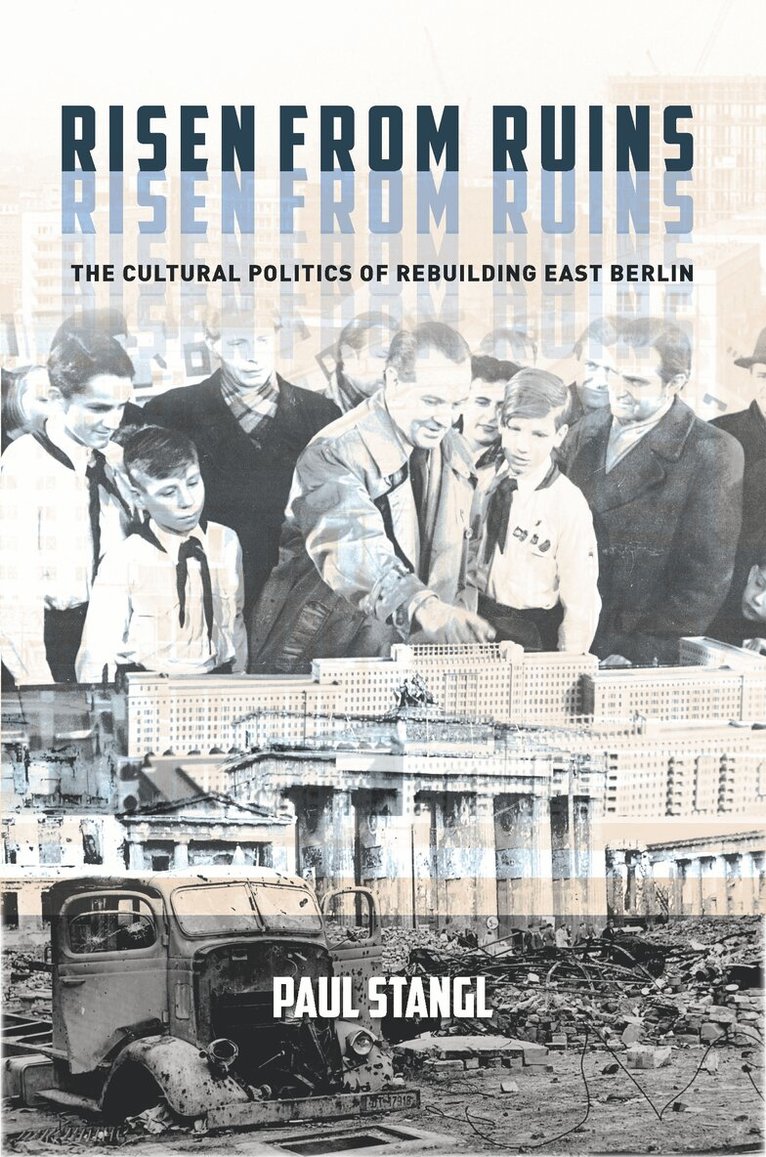
In the aftermath of the Second World War, Berliners grappled with how to rebuild their devastated city. In East Berlin, where the historic core of the city lay, decisions made by the socialist leadership about what should be restored, reconstructed, or entirely reimagined would have a tremendous and lasting impact on the urban landscape. Risen from Ruins examines the cultural politics of the rebuilding of East Berlin from the end of World War II until the construction of the Berlin Wall, combining political analysis with spatial and architectural history to examine how the political agenda of East German elites and the ruling Socialist Unity Party (SED) played out in the built environment.Following the destruction of World War II, the center of Berlin could have been completely restored and preserved, or razed in favor of a sanitized, modern city. The reality fell somewhere in between, as decision makers balanced historic preservation against the opportunity to model the Socialist future and reject the example of the Nazi dictatorship through architecture and urban design. Paul Stangl's analysis expands our understanding of urban planning, historic preservation, modernism, and Socialist Realism in East Berlin, shedding light on how the contemporary shape of the city was influenced by ideology and politics.
400 kr
Skickas inom 7-10 vardagar
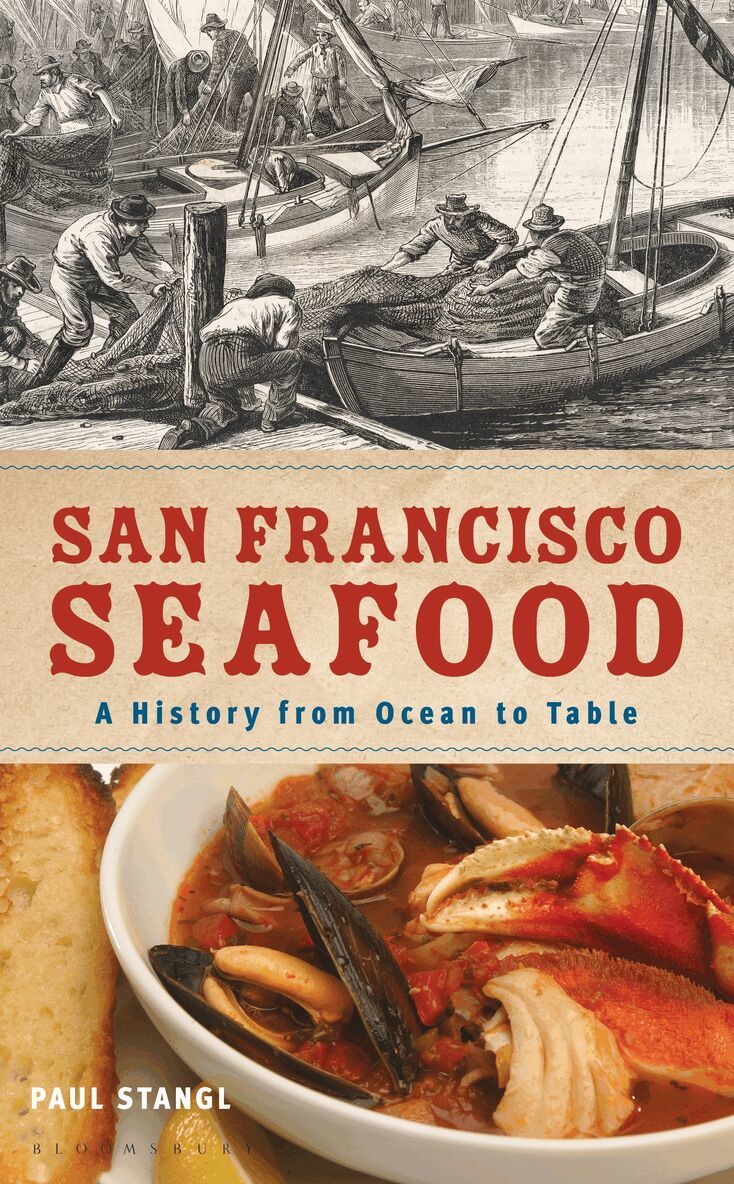
A deep dive into the history and evolution of San Francisco’s seafood industry and what it teaches us about sustainability and cuisine today.For early San Franciscans, seafood was an important source of nutrition and a feature of social life, inspiring culinary developments that remain components in California cuisine more than a century later. Consumers interested in flavorful alternatives to meat and associated health benefits could follow recipes for nearly fifty types of marine life from state waters, such as salmon, flounder, and oysters. Others are no longer available, out-of-vogue, or simply forgotten. Further, overfishing and environmental damage decimated many local seafood stocks, providing a cautionary tale with global significance.In San Francisco Seafood: A History from Ocean to Table, Paul Stangl traces the development of San Francisco’s fisheries, seafood markets, cookery, and dining culture from the Gold Rush to the 1920s. Migrants from around the world imported fishing techniques and cuisines, then slowly adapted as they came to understand local resources and each other. Newcomers found the tastiest fish through trial and error and assimilated the “best” into a new cuisine. Different ethnic and occupational groups collaborated, fought, and learned from one another as they irreversibly altered the natural world around them. By the end of the First World War, San Francisco’s seafood cuisine scarcely resembled that of the 1850s, due to cultural adaptation, technological advancements, and changes to the natural environment. It was no longer derivative of New England and France, but included influences from the Southern states, Asia, and South America.San Francisco Seafood chronicles the city’s transformation from a fish-barren town—where restaurants served canned, pickled, and dried fish from the East Coast—to a seafood-rich metropolis that harvested seafood from Mexico to Alaska. He emphasizes how the impacts on nature and local labor serve as a necessary cautionary tale for today’s global seafood trade. This is a thorough and insightful history of a once emerging, and now essential, cuisine for food and history buffs alike.