Paul Staniland – Författare
Visar alla böcker från författaren Paul Staniland. Handla med fri frakt och snabb leverans.
6 produkter
6 produkter
1 274 kr
Skickas inom 10-15 vardagar
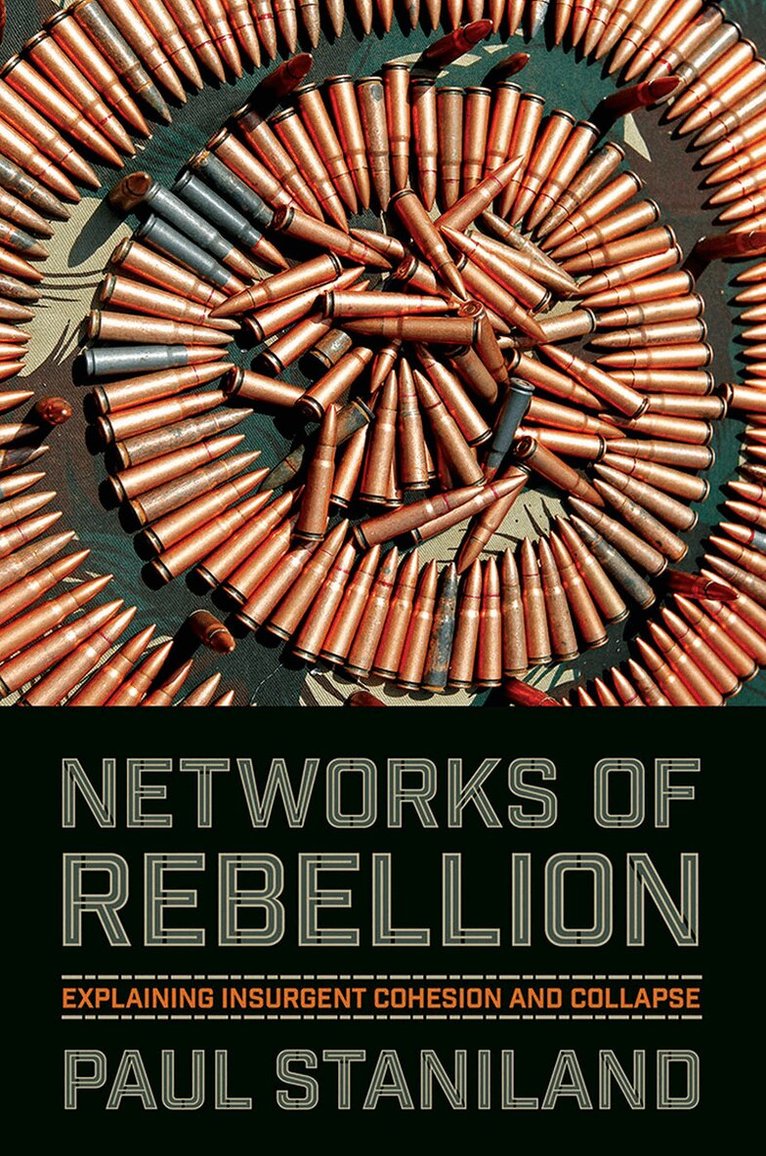
Insurgent cohesion is central to explaining patterns of violence, the effectiveness of counterinsurgency, and civil war outcomes. Cohesive insurgent groups produce more effective war-fighting forces and are more credible negotiators; organizational cohesion shapes both the duration of wars and their ultimate resolution. In Networks of Rebellion, Paul Staniland explains why insurgent leaders differ so radically in their ability to build strong organizations and why the cohesion of armed groups changes over time during conflicts. He outlines a new way of thinking about the sources and structure of insurgent groups, distinguishing among integrated, vanguard, parochial, and fragmented groups. Staniland compares insurgent groups, their differing social bases, and how the nature of the coalitions and networks within which these armed groups were built has determined their discipline and internal control. He examines insurgent groups in Afghanistan, 1975 to the present day, Kashmir (1988–2003), Sri Lanka from the 1970s to the defeat of the Tamil Tigers in 2009, and several communist uprisings in Southeast Asia during the Cold War. The initial organization of an insurgent group depends on the position of its leaders in prewar political networks. These social bases shape what leaders can and cannot do when they build a new insurgent group. Counterinsurgency, insurgent strategy, and international intervention can cause organizational change. During war, insurgent groups are embedded in social ties that determine they how they organize, fight, and negotiate; as these ties shift, organizational structure changes as well.
434 kr
Skickas inom 10-15 vardagar
Insurgent cohesion is central to explaining patterns of violence, the effectiveness of counterinsurgency, and civil war outcomes. Cohesive insurgent groups produce more effective war-fighting forces and are more credible negotiators; organizational cohesion shapes both the duration of wars and their ultimate resolution. In Networks of Rebellion, Paul Staniland explains why insurgent leaders differ so radically in their ability to build strong organizations and why the cohesion of armed groups changes over time during conflicts. He outlines a new way of thinking about the sources and structure of insurgent groups, distinguishing among integrated, vanguard, parochial, and fragmented groups. Staniland compares insurgent groups, their differing social bases, and how the nature of the coalitions and networks within which these armed groups were built has determined their discipline and internal control. He examines insurgent groups in Afghanistan, 1975 to the present day, Kashmir (1988–2003), Sri Lanka from the 1970s to the defeat of the Tamil Tigers in 2009, and several communist uprisings in Southeast Asia during the Cold War. The initial organization of an insurgent group depends on the position of its leaders in prewar political networks. These social bases shape what leaders can and cannot do when they build a new insurgent group. Counterinsurgency, insurgent strategy, and international intervention can cause organizational change. During war, insurgent groups are embedded in social ties that determine they how they organize, fight, and negotiate; as these ties shift, organizational structure changes as well.
753 kr
Kommande
How has Indian public opinion toward the United States, China, and Russia/USSR evolved from the 1950s to the present and to what extent does it shape foreign policy? This Element assembles and analyzes more than sixty years of survey data, including newly recovered United States Information Agency-funded polls from the Indian Institute of Public Opinion as well as contemporary nationally representative surveys from Pew, Gallup, and others. The authors use the data to examine long-run trends, short-term reactions to shocks, and the domestic cleavages that structure opinion. They argue that Indian public attitudes are more coherent and responsive to international events than commonly assumed, yet are unequally voiced across socioeconomic groups. The findings speak both to India-specific debates about democracy and foreign policy and to broader international relations theories of public opinion, accountability, and major power politics.
234 kr
Kommande
How has Indian public opinion toward the United States, China, and Russia/USSR evolved from the 1950s to the present and to what extent does it shape foreign policy? This Element assembles and analyzes more than sixty years of survey data, including newly recovered United States Information Agency-funded polls from the Indian Institute of Public Opinion as well as contemporary nationally representative surveys from Pew, Gallup, and others. The authors use the data to examine long-run trends, short-term reactions to shocks, and the domestic cleavages that structure opinion. They argue that Indian public attitudes are more coherent and responsive to international events than commonly assumed, yet are unequally voiced across socioeconomic groups. The findings speak both to India-specific debates about democracy and foreign policy and to broader international relations theories of public opinion, accountability, and major power politics.
Ordering Violence
Explaining Armed Group-State Relations from Conflict to Cooperation
Inbunden, Engelska, 2021
1 604 kr
Skickas inom 10-15 vardagar
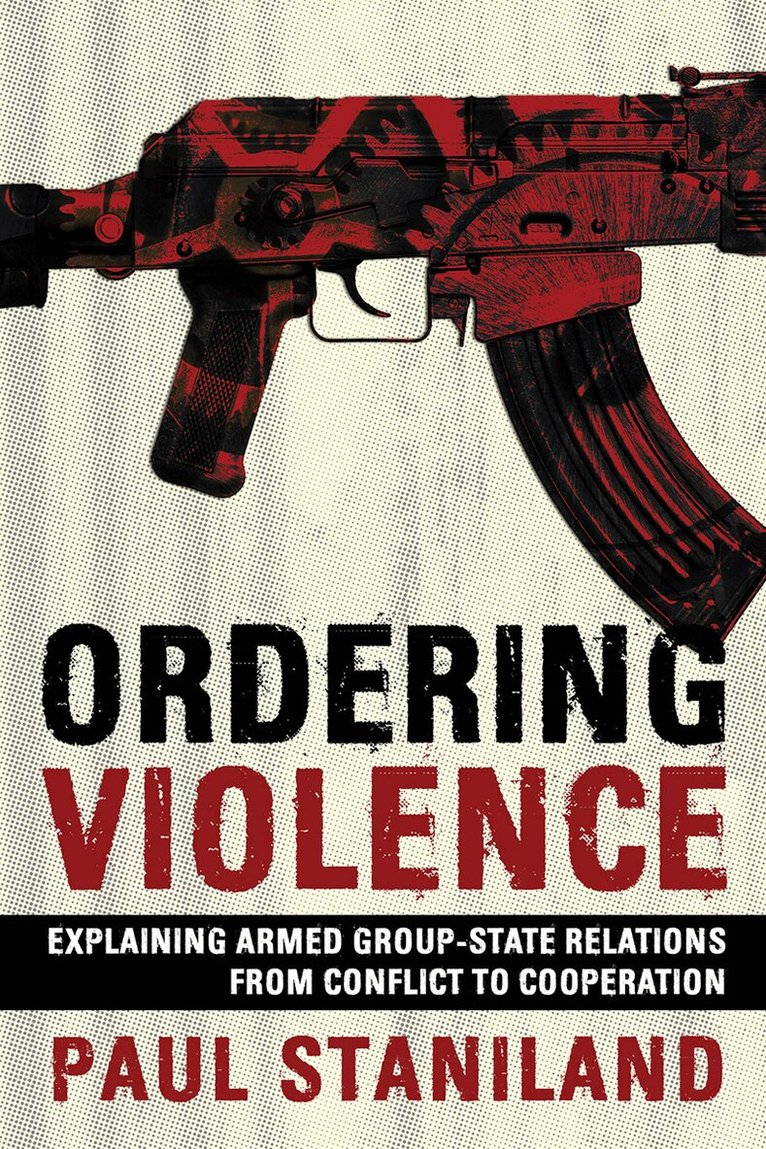
In Ordering Violence, Paul Staniland advances a broad approach to armed politics—bringing together governments, insurgents, militias, and armed political parties in a shared framework—to argue that governments' perception of the ideological threats posed by armed groups drive their responses and interactions. Staniland combines a unique new dataset of state-group armed orders in India, Pakistan, Burma/Myanmar, and Sri Lanka with detailed case studies from the region to explore when and how this model of threat perception provides insight into patterns of repression, collusion, and mutual neglect across nearly seven decades. Instead of straightforwardly responding to the material or organizational power of armed groups, Staniland finds, regimes assess how a group's politics align with their own ideological projects.Explaining, for example, why governments often use extreme repression against weak groups even while working with or tolerating more powerful armed actors, Ordering Violence provides a comprehensive overview of South Asia's complex armed politics, embedded within an analytical framework that can also speak broadly beyond the subcontinent.
Ordering Violence
Explaining Armed Group-State Relations from Conflict to Cooperation
Häftad, Engelska, 2021
379 kr
Skickas inom 10-15 vardagar
In Ordering Violence, Paul Staniland advances a broad approach to armed politics—bringing together governments, insurgents, militias, and armed political parties in a shared framework—to argue that governments' perception of the ideological threats posed by armed groups drive their responses and interactions. Staniland combines a unique new dataset of state-group armed orders in India, Pakistan, Burma/Myanmar, and Sri Lanka with detailed case studies from the region to explore when and how this model of threat perception provides insight into patterns of repression, collusion, and mutual neglect across nearly seven decades. Instead of straightforwardly responding to the material or organizational power of armed groups, Staniland finds, regimes assess how a group's politics align with their own ideological projects.Explaining, for example, why governments often use extreme repression against weak groups even while working with or tolerating more powerful armed actors, Ordering Violence provides a comprehensive overview of South Asia's complex armed politics, embedded within an analytical framework that can also speak broadly beyond the subcontinent.