Paul Tulett - Böcker
Visar alla böcker från författaren Paul Tulett. Handla med fri frakt och snabb leverans.
2 produkter
2 produkter
448 kr
Skickas inom 7-10 vardagar
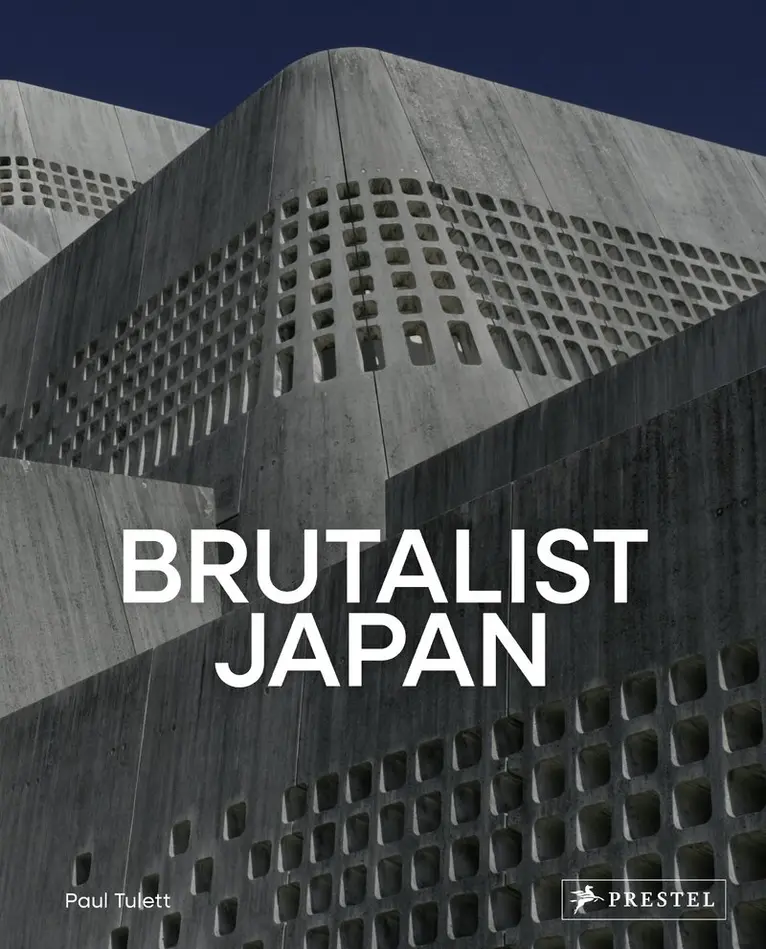
Featuring striking photography by an expert in the field, this exploration of Japanese Brutalist architecture celebrates the surprising beauty and grace of buildings forged in concrete.Emerging in the devastating aftermath of World War II, Brutalist architecture in Japan is characterized by its geometric shapes, functionality, and unconventional use of concrete-which is often left unfinished to showcase the material's inherent textures and imperfections.Japanese Brutalism represented a radical departure from traditional Japanese architecture, drawing inspiration from the global Brutalist movement but incorporating unique elements that reflect Japan's culture and history. A leading expert on Japanese Brutalism, Paul Tulett has traveled throughout the country to photograph extraordinary examples of this aesthetic. In over 200 dynamic and impeccable photographs he captures the elements and paradoxes inherent in the buildings themselves: the rawness of concrete juxtaposed with elegant design; a harmonious integration into urban landscapes; and a global, modernist approach that maintains traditional Japanese elements.Highlighting the work of architects such as Kenzo Tange, Tadao Ando, and Kazuo Shinohara, this unique volume shows how a blend of global influences and Japanese sensibilities has left an indelible mark on the architectural landscape of Japan, making Japanese Brutalism an intensely captivating and enduring style.
382 kr
Skickas inom 7-10 vardagar
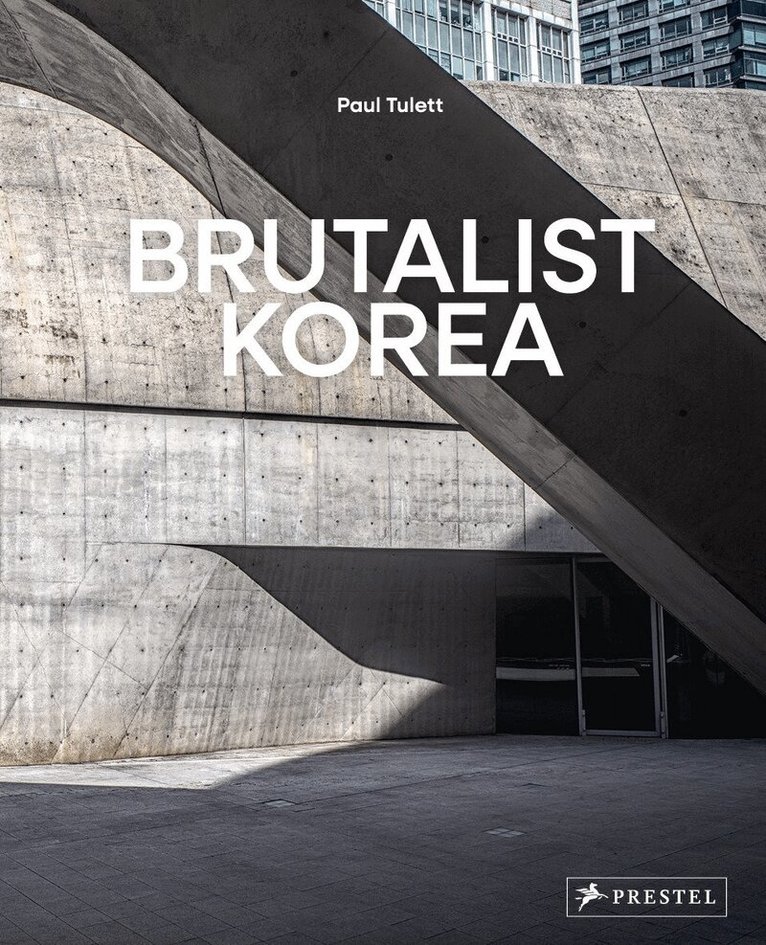
In this elegant follow-up to the bestselling Brutalist Japan, Paul Tulett brings his distinctive eye to South Korea’s post-war architecture, capturing the austere beauty of concrete across cities and decades.Brutalist Korea features more than 220 full-color images of buildings from Seoul to Busan, Daegu to Daejeon. These include government complexes, university campuses, cultural institutions, and public housing—structures shaped by a period of rapid industrialization and national rebuilding, rendered here with clarity and nuance.Korean Brutalism emerged in the 1960s and ’70s, informed by modernist ideals and adapted to local conditions. Architects such as Kim Swoo-geun, Lee Jong- sup, Choi Maeng-gi, and Seung H-Sang designed buildings that combined geometric severity with regional sensitivity.Their work reflects a desire for permanence and purpose, and for an architectural identity rooted in both function and expression. Tulett’s photographs reveal not only the formal qualities of these buildings—modular repetition, raw surfaces, monumental scale—but also their relationship to the landscape, their weathering over time, and their place in Korea’s evolving visual culture. With informed, understated commentary, Brutalist Korea offers a rare visual journey through a style often misunderstood and increasingly at risk.