
Paul W. Bennett – författare
Visar alla böcker från författaren Paul W. Bennett. Handla med fri frakt och snabb leverans.
2 produkter
2 produkter
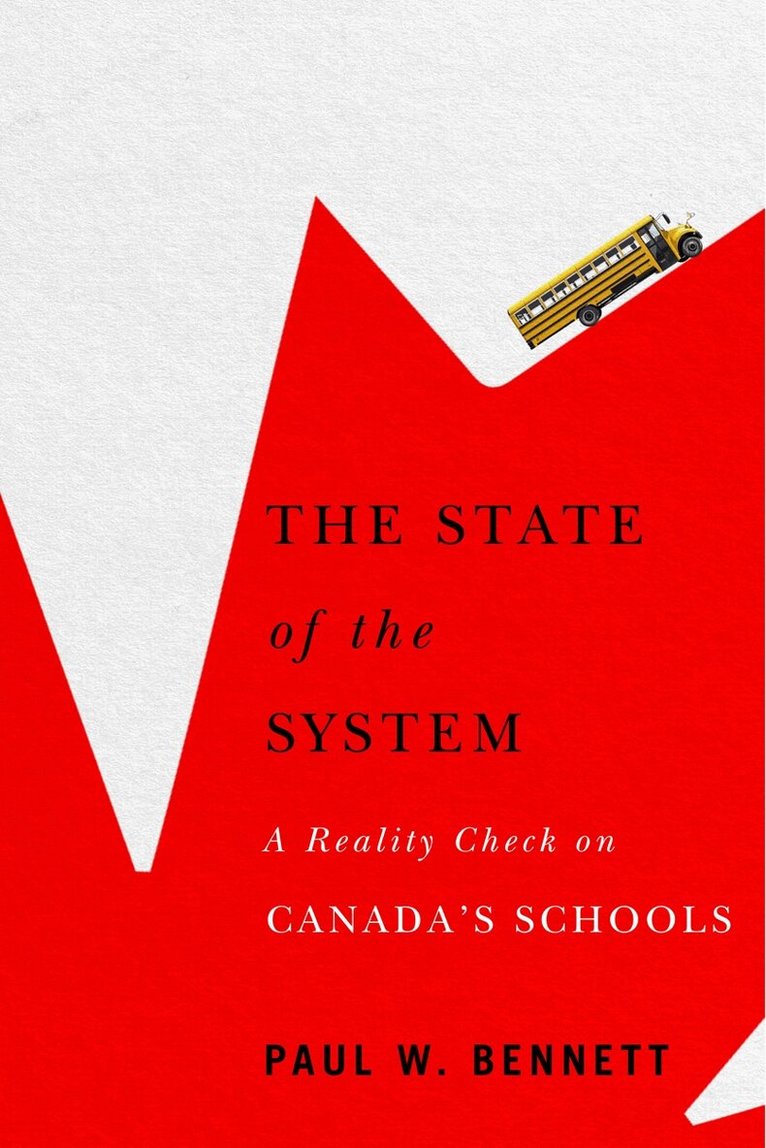
Häftad, Engelska, 2020
471 kr
Skickas inom 10-15 vardagar
Over the last fifty years, Canada's public schools have been absorbed into a modern education system that functions much like Max Weber's infamous iron cage. Crying out for democratic school-level reform, the system is now a centralized, bureaucratic fortress that, every year, becomes softer on standards for students, less accessible to parents, further out of touch with communities, and surprisingly unresponsive to classroom teachers. Exploring the nature of the Canadian education order in all its dimensions, The State of the System explains how public schools came to be so bureaucratic, confronts the critical issues facing kindergarten to grade 12 public schools in all ten provinces, and addresses the need for systemic reform. Going beyond a diagnosis of the stresses, strains, and ills present in the system, Paul Bennett proposes a bold plan to re-engineer schools on a more human scale as the first step in truly reforming public education. In place of school consolidation and managerialism, one-size-fits-all uniformity, limited school choice, and the "success-for-all" curriculum, Bennett advocates for a new set of priorities: decentralize school governance, deprogram education ministries and school districts, listen to parents and teachers, and revitalize local education democracy. Tackling the thorny issues besetting contemporary school systems in Canada, The State of the System issues a clarion call for more responsive, engaged, and accountable public schools.
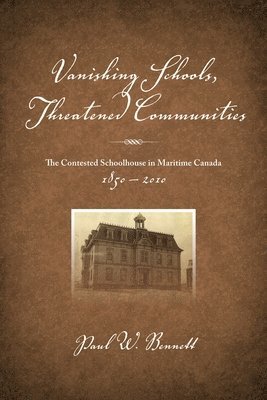
Häftad, Engelska, 2011
243 kr
Tillfälligt slut
Traditional schoolhouses and neighbourhood schools are disappearing at an alarming rate, making way for “big box” schools that serve multiple communities and adhere to the logic of modernization, centralization and uniformity. In Vanishing Schools, Threatened Communities, author Paul W. Bennett explores the phenomenon of school closures, focusing on Maritime Canada from 1850 until the present day. Here is a lively, stimulating book that examines the rise of common schooling from one-room schoolhouses that encouraged local democratic control through to the rise of “super-sized” schools governed by a vast bureaucracy that silences public participation. Though the public has not always remained silent, local “save our schools” movements have not succeeded in halting the march of “progress.” Bennett sets out, in this colourful history of schools, to remind us of the principles that formed the basis of the public education system and urges us to return to these principles in order to better serve the needs of our children and our communities.