Paula Gallant Eckard - Böcker
Visar alla böcker från författaren Paula Gallant Eckard. Handla med fri frakt och snabb leverans.
2 produkter
2 produkter
342 kr
Kommande
Charles Waddell Chesnutt was an African American educator, businessman, lawyer, author, social reformer, and activist. He was one of the first African American writers to cross the color line into the Anglo American publishing world. A pioneering author of African American fiction, Chesnutt is perhaps best known for his exploration of sensitive issues of race, including slavery, prejudice, racism, and racial violence, in his short stories and novels. This book explores Chesnutt’s remarkable life and legacy, including his contributions as an author, activist, and social commentator. The author examines the ways he chronicled, challenged, and crossed the color line, beginning in his early life. She illuminates the people, places, events, and ideas that shaped his complex view of race and society and shows how themes such as education, opportunity, and fairness informed his efforts.To tell his remarkable story, Eckard draws on Chesnutt’s journals, letters, essays, speeches, as well as his short fiction and novels. Lastly, Charles Chesnutt: Crossing the Color Line strives to interpret his work in light of today’s events and the continued struggle for racial and social justice.
589 kr
Skickas inom 10-15 vardagar
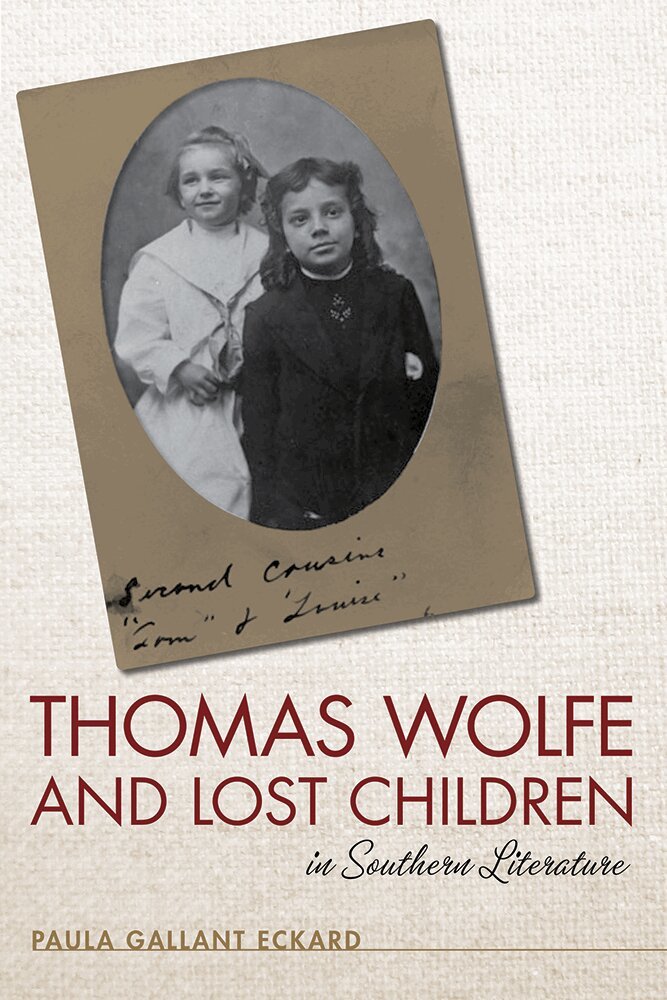
First published in 1937, Thomas Wolfe’s The Lost Boy gives name to the theme of lost children that has permeated much of southern literature and provides a template for telling their stories. In Thomas Wolfe and Lost Children in Southern Literature, which grew out of many years of teaching The Lost Boy and other works of southern literature, Paula Gallant Eckard uses Wolfe’s novel as a starting point to trace thematic connections among contemporary southern novels that are comparably evocative in their treatment of lostness. Eckard explores six authors and their works: Fred Chappell’s I Am One of You Forever, Mark Powell’s Prodigals, Kaye Gibbons’s Ellen Foster, Sue Monk Kidd’s The Secret Life of Bees, Bobbie Anne Mason’s In Country, Robert Olmstead’s Coal Black Horse, and Lee Smith’s On Agate Hill. Though each novel is unique and a product of its own time period, all the novels explored here are cast against the backdrop of the South during eras of conflict and change. Like The Lost Boy, these novels reflect a sense of history, a sense of loss associated with that history, and an innate love of story and narrative, as well as representations of work that historically have defined the lives of individuals and families throughout the South.In its artistic treatment of lostness, The Lost Boy creates a significant literary legacy. As Eckard demonstrates, that legacy continues in the form of these six contemporary authors who, in writing about the South, perpetuate Wolfe’s efforts as they also create or find the lost child in new ways.