Paula Garrett-Rucks - Böcker
Visar alla böcker från författaren Paula Garrett-Rucks. Handla med fri frakt och snabb leverans.
3 produkter
3 produkter
1 749 kr
Skickas inom 7-10 vardagar
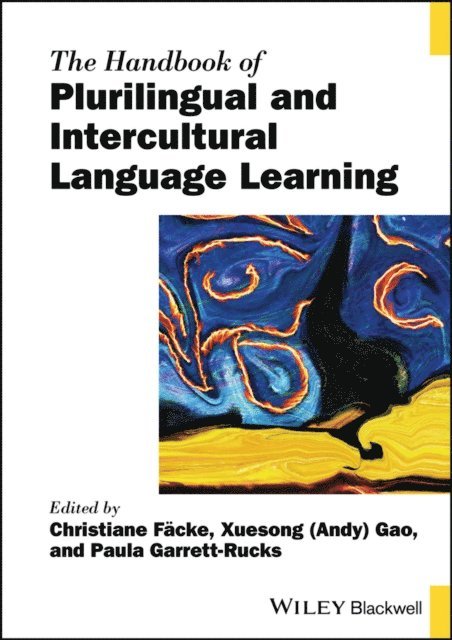
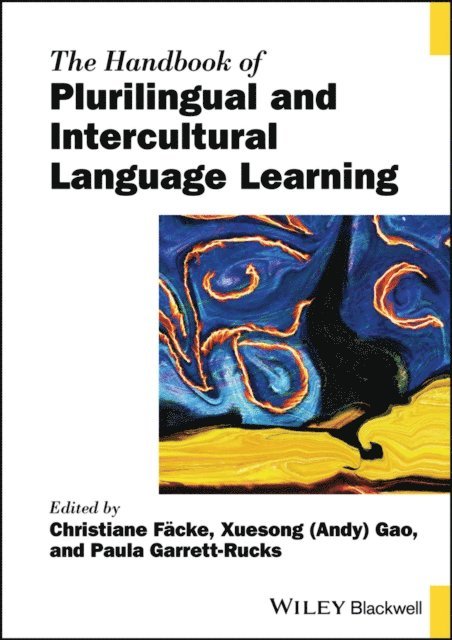
The most up-to-date reference text on the latest science in plurilingual and intercultural language education, covering both new research and current practice The Handbook of Plurilingual and Intercultural Language Learning reveals the nuances and complexities of teaching and learning languages while providing a timely account of the most recent developments and research in the field. The first reference work to examine plurilingual and intercultural language teaching and learning trends across five continents, this innovative volume examines the various ways learners acquire language. Divided into four sections, this Handbook explains the conceptual basis of intercultural and plurilingual learning, describes core pedagogical concepts in different contexts, discusses various learning and teaching approaches, and surveys the historical development of foreign language instruction, methods, and theories. In-depth chapters address code-switching and translanguaging, equity in foreign language learning, intercultural sensitivity, technology-enhanced learning, world Englishes, the role of language policy in nation-building, the situations of migrants in language classrooms, and more. A field-defining overview of the latest research on the science of language education and acquisition, The Handbook of Plurilingual and Intercultural Language Learning: Explores how policy and pedagogy can adapt to the shifting demographics of local student populations as the world becomes increasingly mobileAddresses new trends and evolving themes that are currently determining the future of language education and policy around the worldDiscusses future trends in language education policy, assessment, and teacher training in light of new attitudes about language, community, and statehoodFeatures contributions from a wide range of scholars reflecting different cultural, linguistic, regional, and ideological perspectivesIntroduces European research discourses on intercomprehension into the English-speaking worldPart of the Wiley Blackwell Handbooks in Linguistics series, The Handbook of Plurilingual and Intercultural Language Learning is an essential resource for students, educators, and researchers in Applied Linguistics, language teaching and learning, English as a Lingua Franca, plurilingualism/multilingualism, TESOL, cognitive linguistics, language policy, language acquisition, and intercultural communication.
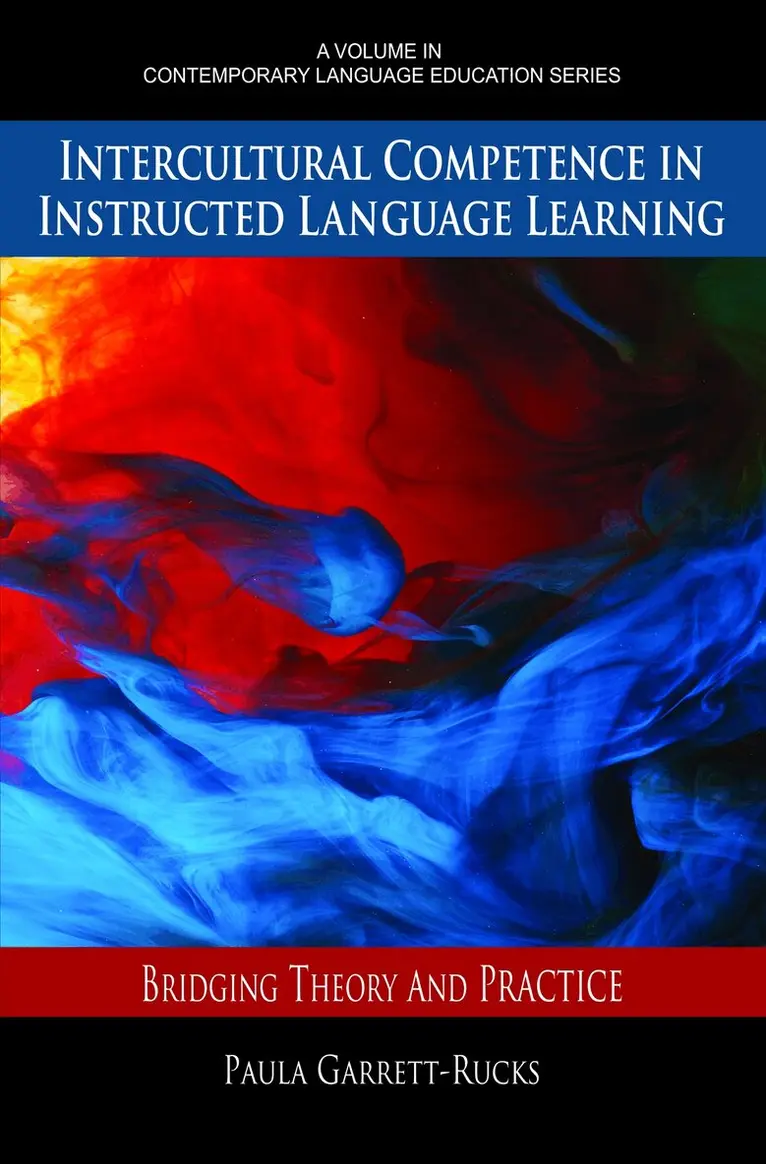
Intercultural Competence in Instructed Language Learning
Bridging Theory and Practice
Häftad, Engelska, 2016
549 kr
Skickas inom 7-10 vardagar
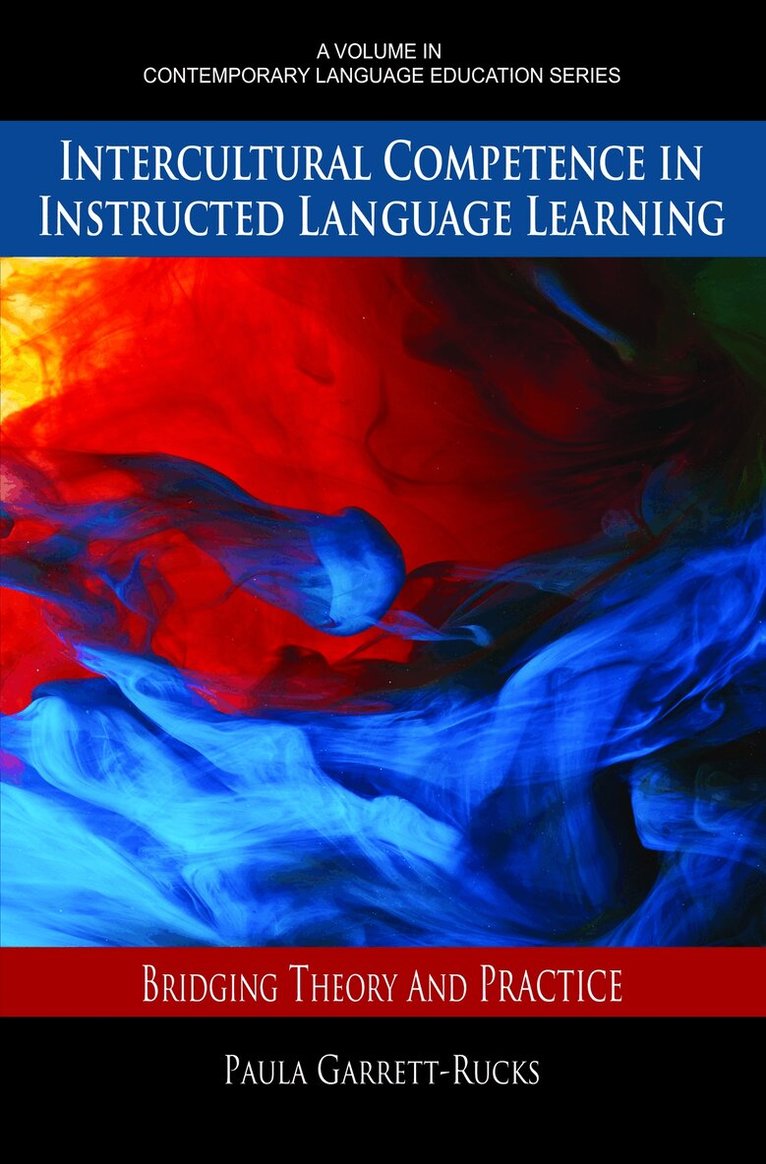
There is pressure on world language educators to prepare learners with 21st century skills to meet the challenges of an increasingly interconnected globalized world. The need for change was summarized in the 2007 report of the MLA Ad Hoc Committee on Foreign Languages that suggested the implementation of curricular reform by developing students’ “translingual and transcultural competence” (p. 3) which allows someone “to operate between languages” (p.237). However, the integration of such a meaningful cultural component in instructed language learning is a complex topic. This book recognizes the difficulty world language educators face to achieve the goals of the MLA report, particularly at beginning levels of instruction in target language use classrooms. Accordingly, this book informs instructed language learning and teaching by bridging developmental theories from the fields of intercultural competence with second language pedagogies—particularly communicative language teaching (CLT) and literacy-based approaches—providing examples of practical applications inside the classroom and beyond. It is intended to support the many FL educators who have consistently reported that they are struggling to incorporate meaningful cultural instruction into their practice (Fox & Diaz-Greenberg 2006; Phillips & Abbott, 2011; Sercu, 2005).This book provides a framework to foster learners’ deep cultural reflection at beginning levels of instruction while preserving target language use policies, bridging CLT pedagogies to intercultural communicative competence (ICC) literacy-based approaches. It starts by synthesizing prominent definitions of culture and culture learning models and then summarizes disparate sources of research findings on culture learning projects (which primarily take place at advanced levels of language learning) to the Standards-based classroom at all levels of instruction, K-16. Although research on fostering learners’ intercultural competence at beginning levels of language instruction is in its infancy, it is of utmost concern given that the vast majority of U.S. language learners rarely continue to advanced levels of instruction (Zimmer-Lowe, 2008). In addition, this book challenges FL educators to advocate for their FL programs and to give greater visibility and credibility to the profession in institutional internationalization efforts.The theoretical components of this book deconstruct the connections between language, thought and culture and problematize developmental models in the IC field that neglect to consider the important role of language. This book provides K-16 FL educators with the discourse needed to 1) explain to administrators, parents and students how world language study prepares learners to compete in an increasingly global market beyond the learner’s development of linguistic proficiency and 2) convince administrators of the value in and the need for world language study in order to support institutional internationalization efforts. The last chapter of this book provides guidance and suggestions on ways to expand K-12 teacher preparation programs and continuing education training to foster learners’ intercultural communicative competence while preserv-ing a Standards-based curriculum. In sum, this book is intended to 1) support all K-16 world language educa-tors with their program advocacy and instruction; 2) serve as a reference manual or course book in teacher preparation programs; 3) serve as a reference manual or course book for research and graduate courses on the teaching and learning of languages.
Intercultural Competence in Instructed Language Learning
Bridging Theory and Practice
Inbunden, Engelska, 2016
1 009 kr
Skickas inom 7-10 vardagar
There is pressure on world language educators to prepare learners with 21st century skills to meet the challenges of an increasingly interconnected globalized world. The need for change was summarized in the 2007 report of the MLA Ad Hoc Committee on Foreign Languages that suggested the implementation of curricular reform by developing students’ “translingual and transcultural competence” (p. 3) which allows someone “to operate between languages” (p.237). However, the integration of such a meaningful cultural component in instructed language learning is a complex topic. This book recognizes the difficulty world language educators face to achieve the goals of the MLA report, particularly at beginning levels of instruction in target language use classrooms. Accordingly, this book informs instructed language learning and teaching by bridging developmental theories from the fields of intercultural competence with second language pedagogies—particularly communicative language teaching (CLT) and literacy-based approaches—providing examples of practical applications inside the classroom and beyond. It is intended to support the many FL educators who have consistently reported that they are struggling to incorporate meaningful cultural instruction into their practice (Fox & Diaz-Greenberg 2006; Phillips & Abbott, 2011; Sercu, 2005).This book provides a framework to foster learners’ deep cultural reflection at beginning levels of instruction while preserving target language use policies, bridging CLT pedagogies to intercultural communicative competence (ICC) literacy-based approaches. It starts by synthesizing prominent definitions of culture and culture learning models and then summarizes disparate sources of research findings on culture learning projects (which primarily take place at advanced levels of language learning) to the Standards-based classroom at all levels of instruction, K-16. Although research on fostering learners’ intercultural competence at beginning levels of language instruction is in its infancy, it is of utmost concern given that the vast majority of U.S. language learners rarely continue to advanced levels of instruction (Zimmer-Lowe, 2008). In addition, this book challenges FL educators to advocate for their FL programs and to give greater visibility and credibility to the profession in institutional internationalization efforts.The theoretical components of this book deconstruct the connections between language, thought and culture and problematize developmental models in the IC field that neglect to consider the important role of language. This book provides K-16 FL educators with the discourse needed to 1) explain to administrators, parents and students how world language study prepares learners to compete in an increasingly global market beyond the learner’s development of linguistic proficiency and 2) convince administrators of the value in and the need for world language study in order to support institutional internationalization efforts. The last chapter of this book provides guidance and suggestions on ways to expand K-12 teacher preparation programs and continuing education training to foster learners’ intercultural communicative competence while preserv-ing a Standards-based curriculum. In sum, this book is intended to 1) support all K-16 world language educa-tors with their program advocacy and instruction; 2) serve as a reference manual or course book in teacher preparation programs; 3) serve as a reference manual or course book for research and graduate courses on the teaching and learning of languages.