Paula L.w. Sabloff - Böcker
Visar alla böcker från författaren Paula L.w. Sabloff. Handla med fri frakt och snabb leverans.
2 produkter
2 produkter
303 kr
Tillfälligt slut
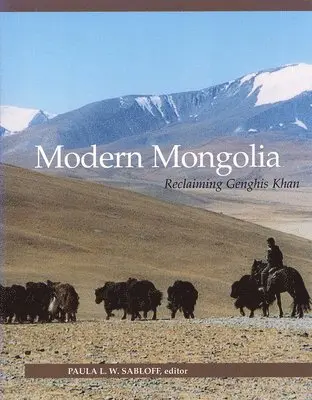
Mongolia, a country that evokes romantic curiosity on the part of American readers, has emerged from its former Soviet cocoon. It has achieved independence, democracy, and a twenty-first-century market economy. This book provides factual information about Mongolia and new ways of looking at a historical figure, Genghis Khan, whose ideals of nationhood and democratic principles are in practice now. Modern Mongolia is unique in providing multiple perspectives--Mongolian and American, scholarly and less formal--about the country's developments in a readable style, richly illustrated with 120 full-color contemporary and archival photographs, both scenic and artifactual. The first chapter provides an overview of Mongolian geography and history to the twentieth century and the author's personal experience as a teenager during the 1989-90 democratic revolution. Chapter 2, by a Mongolian historian, recounts the exciting changes from Manchu Dynasty feudal society and autonomous theocracy to Communist nationhood and, finally, full independence as a democratic nation. The third chapter, by a cultural historian, describes the effects of historical changes on the daily life of Mongolian nomads-their clothing, family dwellings (gers), and furnishings. Chapter 4, by an American political anthropologist, shows the connection between modern Mongolians' devotion to democracy and the political ideas of Genghis Khan. Readers of all ages seeking an accessible and picturesque presentation of Mongolian history and society will find Modern Mongolia a fascinating introduction.
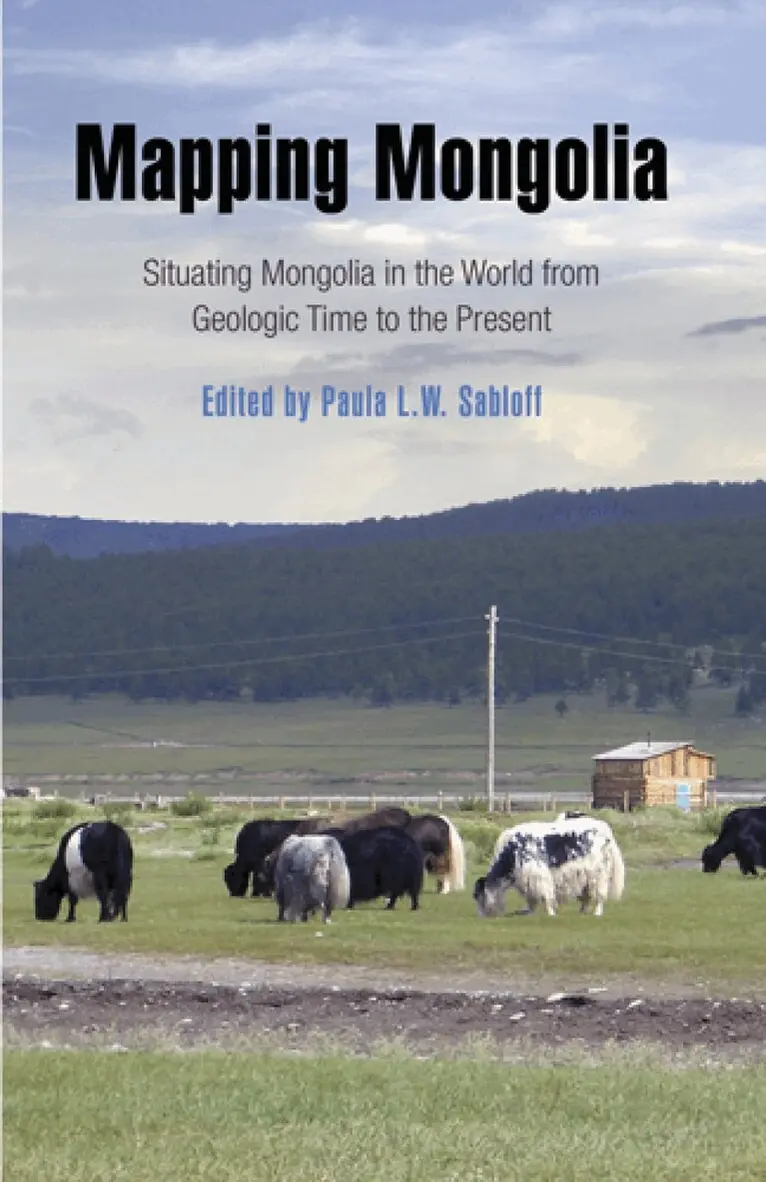
Mapping Mongolia – Situating Mongolia in the World from Geologic Time to the Present
Situating Mongolia in the World from Geologic Time to the Present
Inbunden, Engelska, 2011
991 kr
Tillfälligt slut
With its small population and low GDP, Mongolia is frequently deemed "unique" or tacked onto various area studies programs: Inner Asia, Central Asia, Northeast Asia, or Eurasia. This volume is a response to the concern that countries such as Mongolia are marginalized when academia and international diplomacy reconfigure area studies borders in the postsocialist era. Would marginalized countries such as Mongolia benefit from a reconfiguration of area studies programs or even from another way of thinking about grouping nations? This book uses Mongolia as a case study to critique the area studies methodology and test the efficacy of another grouping methodology, the "-scapes" method proposed by Arjun Appadurai. Could the application of this approach for tracing individuals' social networks by theme (finance, ethnicity, ideology, media, and technology) be applied to nation-states or peoples? Could it then prevent Mongolia from slipping through the cracks of academia and international diplomacy? Experts from ecology, genetics, archaeology, history, anthropology, and international diplomacy contemplate these issues in their chapters on Mongolia through the ages. Their work includes over 30 maps to help situate Mongolia in its geologic, geographic, economic, and cultural matrix. By comparing maps of different time periods and intellectual orientations, readers can consider for themselves the place of Mongolia in the world community and the relative benefits of these and other grouping methodologies.