Paula Sanders – författare
Visar alla böcker från författaren Paula Sanders. Handla med fri frakt och snabb leverans.
4 produkter
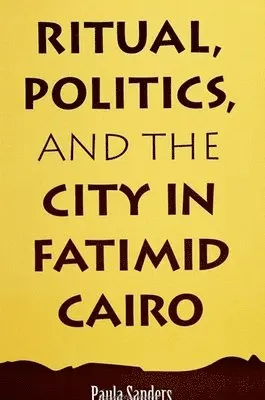
Ritual, Politics, and the City in Fatimid Cairo
Häftad, 1994
477 kr
Lägg i varukorg
Provides an understanding of the complexities of political legitimacy in Islamic dynasties by examining Fatimid political culture in Egypt reconstructed from court rituals.This book provides an understanding of the complexities of political legitimacy in Islamic dynasties by examining Fatimid …
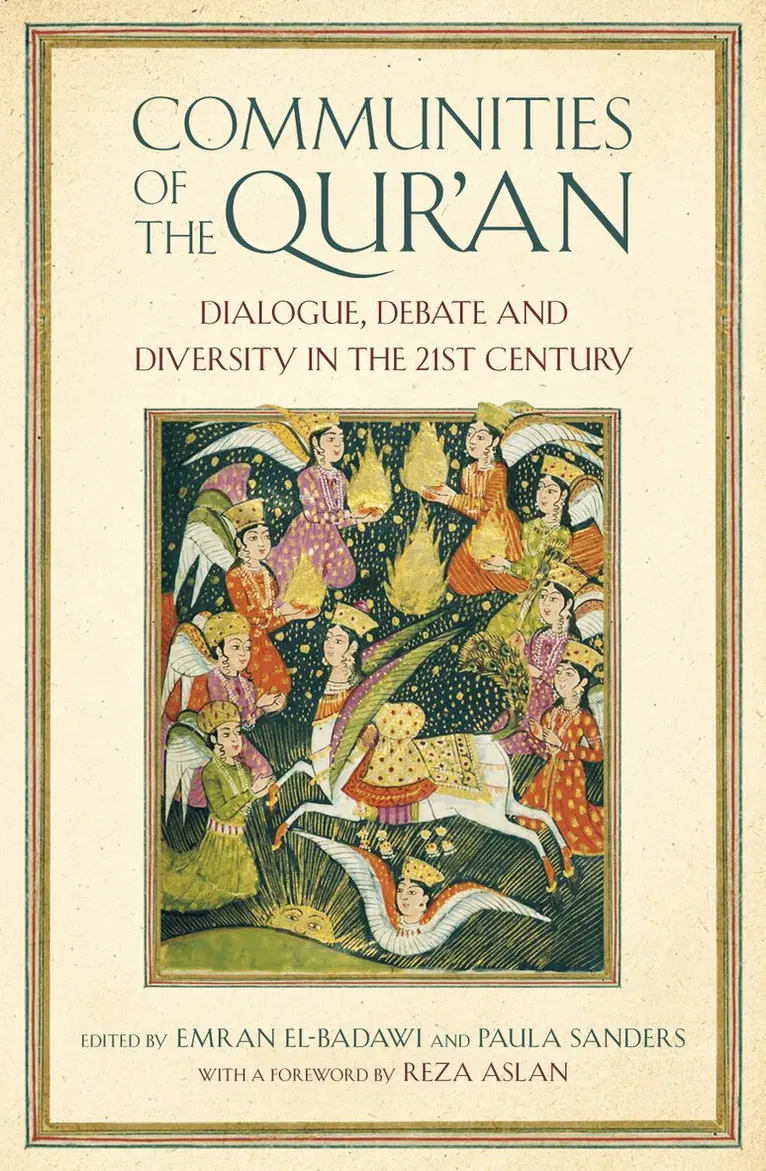
Communities of the Qur’an
Dialogue, Debate and Diversity in the 21st Century
Av Emran Iqbal El-Badawi, Emran Iqbal El-Badawi m. fl.
Häftad, 2019
333 kr
Lägg i varukorg
What is the nature of the Qur’an? It might seem a straightforward question, but there is no consensus among modern communities of the Qur’an, both Muslim and non-Muslim, about the answer. And why should there be?On numerous occasions throughout history, believers from different schools and …
Communities of the Qur'an
Dialogue, Debate and Diversity in the 21st Century
Av Paula Sanders, Emran Iqbal El-Badawi
E-bok, 2019
239 kr
Lägg i varukorg
What is the nature of the Qur’an? It might seem a straightforward question, but there is no consensus among modern communities of the Qur’an, both Muslim and non-Muslim, about the answer. And why should there be? On numerous occasions throughout history, believers from different schools and …
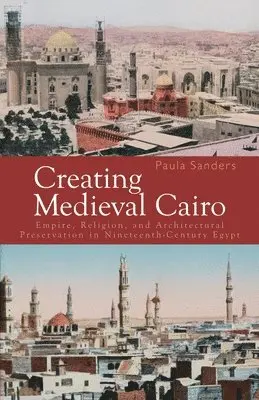
Creating Medieval Cairo
Empire, Religion, and Architectural Preservation in Nineteenth-Century Egypt
Inbunden, 2007
369 kr
Tillfälligt slut
This book argues that the historic city we know as Medieval Cairo was created in the nineteenth century by both Egyptians and Europeans against a background of four overlapping political and cultural contexts: the local Egyptian, Anglo-Egyptian, Anglo-Indian, and Ottoman imperial milieux. …