Pauline Heslop – författare
Visar alla böcker från författaren Pauline Heslop. Handla med fri frakt och snabb leverans.
3 produkter
3 produkter
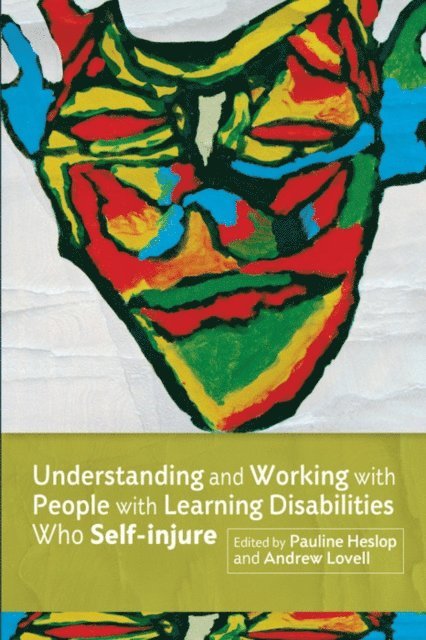
Understanding and Working with People with Learning Disabilities who Self-injure
Häftad, Engelska, 2012
450 kr
Skickas inom 7-10 vardagar
Adopting a predominantly psychological approach, this book provides carers with up-to-date information and resources to provide appropriately individualised care to people with learning disabilities who self-injure. Understanding and Working with People with Learning Disabilities who Self-Injure synthesises traditional (behavioural) and newer (psychological) approaches to understanding self-injury, drawing on psychoanalytic and social theory to provide practical guidelines for more sustained and effective support. It suggests that motivations for self-injury may be similar for people with and without learning disabilities, and draws on case work examples to suggest person-centred techniques that encourage communication – particularly important with people who do not use verbal communication - and recovery. The book covers a range of specific needs, including people with autism who self-injure, and emphasises the views of people with learning disabilities themselves and their families about what has worked best, and why. At the end of each chapter, a variety of practical implications for the provision of support are given.This book is for those supporting people with learning disabilities who self-injure and will be a useful resource for social workers, psychologists, counsellors, learning support workers, nurses and social and health care students.
306 kr
Skickas inom 7-10 vardagar
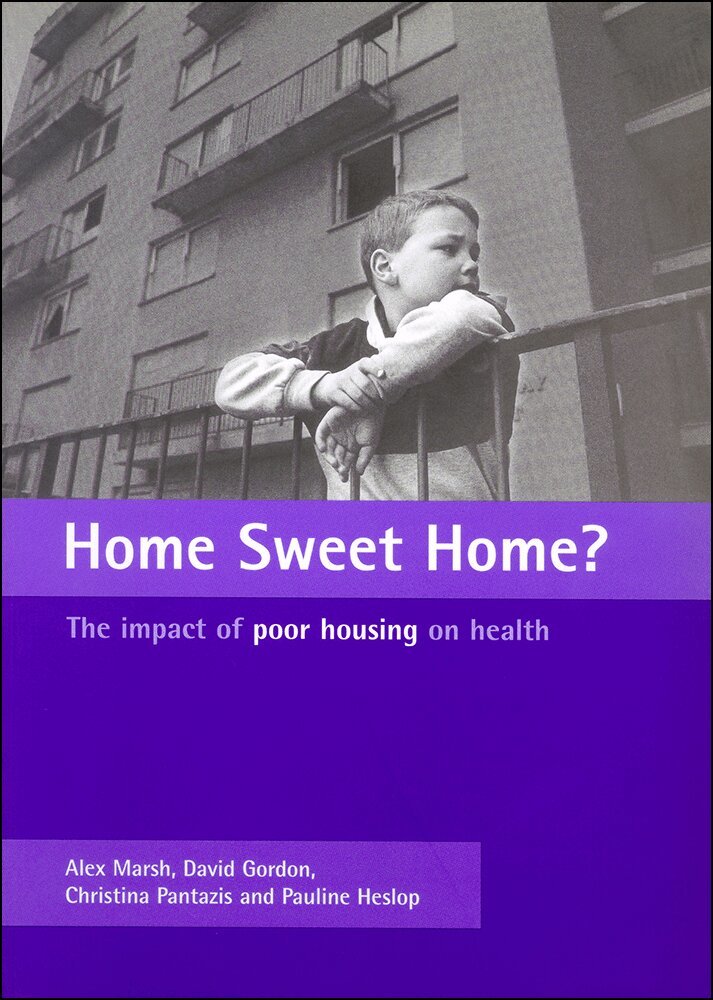
How much does the condition of our housing affect our health? This timely new study looks in detail at the impact poor housing has on health, using data from the National Child Development Study (NCDS). It provides important information to inform the current debate on Our Healthier Nation and to strengthen arguments for health, housing and social care agencies to work together.It focuses on three main areas:if, and when, housing deprivation impacts on overall health;the link between overcrowding and respiratory and infectious disease;housing deprivation and health in the context of other possible influences on health.The study uses the innovative approach of creating indices for both the severity of ill-health and housing deprivation. These indices are incorporated into an analysis of the impact over time of housing deprivation upon health. The authors conclude that housing plays a significant role in health outcomes and hence provides support for the argument that addressing housing deprivation should be central to thinking about health improvement.Home Sweet Home? is essential reading for researchers and students in housing, public health, urban renewal, and social policy as well as professionals working in these areas.
659 kr
Skickas inom 10-15 vardagar
This textbook presents a practical guide for new and experienced health or social care staff, helping them promote the health and well-being of people with learning disabilities. Given the considerable demand for mandatory training on supporting people with learning disabilities, especially in England, the book provides a valuable resource for all training courses on working with people with learning disabilities.The chapters are co-written by practitioners and people with learning disabilities and their families, rooting the book in the lived experiences of those concerned. Topics covered include core elements of being happy and healthy, communication, changes in our behaviour when we are unwell, making decisions about our health, accessing health services, how we would want to be treated if we were unwell, the use of psychotropic medication, what a ‘good death’ would be, and how to keep ourselves healthy. In addition, the chapters include narrativeexamples concerning people with learning disabilities and their families, so as to highlight key points and share best-practice examples. The use of personal reflection is used to consider how we can ensure that people with learning disabilities receive care and support that matches what we would expect for ourselves. Core questions at the end of each chapter ask the reader to reflect on how the chapter content relates to their own work and how they will apply what they have learned.A consistent theme throughout the book is equality of opportunity for people with learning disabilities to achieve good health. There is now substantial evidence that people with learning disabilities have poorer health than the general population, are more likely to have multiple health needs, and can experience difficulties in having their illnesses diagnosed and treated promptly. This book aims to help those supporting people with learning disabilities to achieve more equal outcomes.