Pauline Stafford – författare
Visar alla böcker från författaren Pauline Stafford. Handla med fri frakt och snabb leverans.
13 produkter
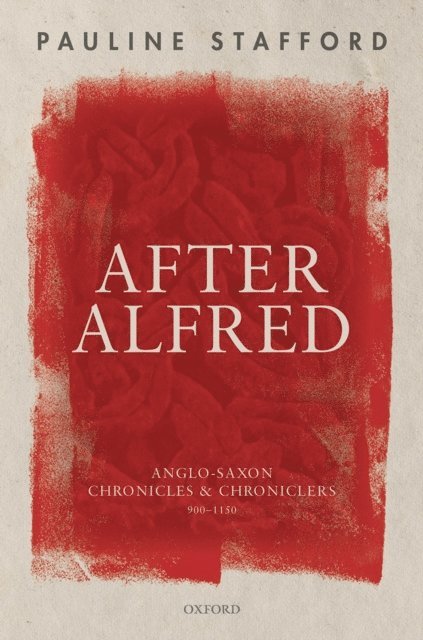
After Alfred
Anglo-Saxon Chronicles and Chroniclers, 900-1150
E-bok, 2020
416 kr
Lägg i varukorg
The vernacular Anglo-Saxon Chronicles cover the centuries which saw the making of England and its conquest by Scandinavians and Normans. After Alfred traces their development from their genesis at the court of King Alfred to the last surviving chronicle produced at the Fenland monastery of …
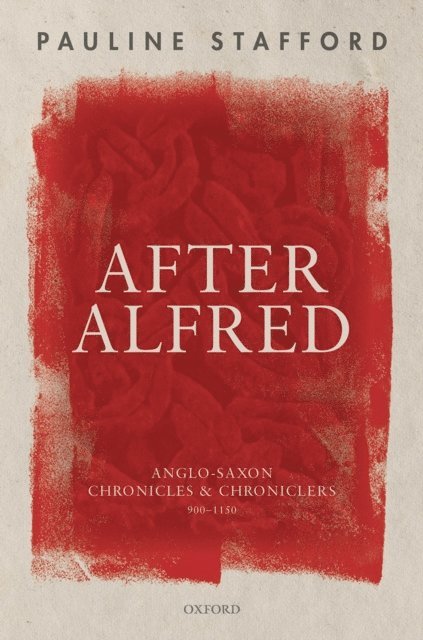
After Alfred
Anglo-Saxon Chronicles and Chroniclers, 900-1150
E-bok, 2020
416 kr
Lägg i varukorg
The vernacular Anglo-Saxon Chronicles cover the centuries which saw the making of England and its conquest by Scandinavians and Normans. After Alfred traces their development from their genesis at the court of King Alfred to the last surviving chronicle produced at the Fenland monastery of …
After Alfred
Anglo-Saxon Chronicles and Chroniclers, 900-1150
Häftad, 2022
477 kr
Lägg i varukorg
The vernacular Anglo-Saxon Chronicles cover the centuries which saw the making of England and its conquest by Scandinavians and Normans. After Alfred traces their development from their genesis at the court of King Alfred to the last surviving chronicle produced at the Fenland monastery of …
After Alfred
Anglo-Saxon Chronicles and Chroniclers, 900-1150
Inbunden, 2020
2375 kr
Lägg i varukorg
The vernacular Anglo-Saxon Chronicles cover the centuries which saw the making of England and its conquest by Scandinavians and Normans. After Alfred traces their development from their genesis at the court of King Alfred to the last surviving chronicle produced at the Fenland monastery of …
Gendering the Middle Ages
A Gender and History Special Issue
Häftad, 2001
335 kr
Lägg i varukorg
A collection in which a group of leading historians of medieval Europe apply a gendered analysis to a series of questions ranging from the transformation of the Roman world and the Christian challenge to late antique masculinity, through canon law and Byzantine coinage to the childhood of medieval …
Queen Emma and Queen Edith
Queenship and Women's Power in Eleventh-Century England
Häftad, 2001
615 kr
Lägg i varukorg
Through detailed study of these women the author demonstrates the integral place of royal queens in the rule of the English kingdom and in the process of unification by which England was made.
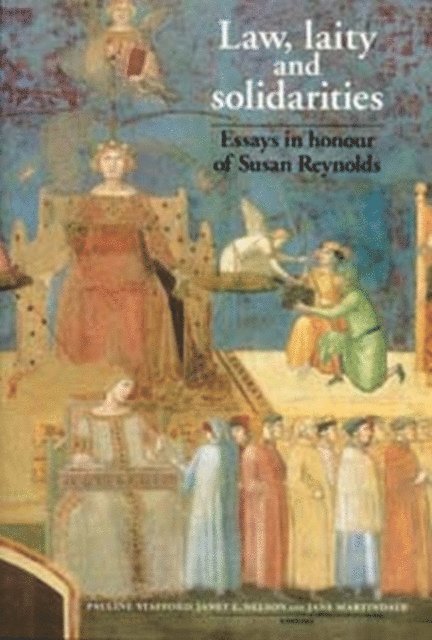
Law, laity and solidarities
Essays in honour of Susan Reynolds
Av Pauline Stafford, Janet L. Nelson m. fl.
Häftad, 2001
382 kr
Lägg i varukorg
The primary focus of this collection by leading medieval historians is the laity, in particular the ideas and ideals of lay people. The contributors explore lay attitudes as expressed in legal cases, charters, chronicles and collective activities. Highlights the centrality of kinship, whilst …
Gender, Family and the Legitimation of Power
England from the Ninth to Early Twelfth Century
Inbunden, 2006
1566 kr
Lägg i varukorg
This collection of studies by Pauline Stafford brings together a series of essays on Anglo-Saxon and early Norman England. Virtually all focus on political life, and with the highest levels of English society: with the king, the royal family and the elites, though one hitherto unpublished essay …
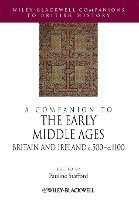
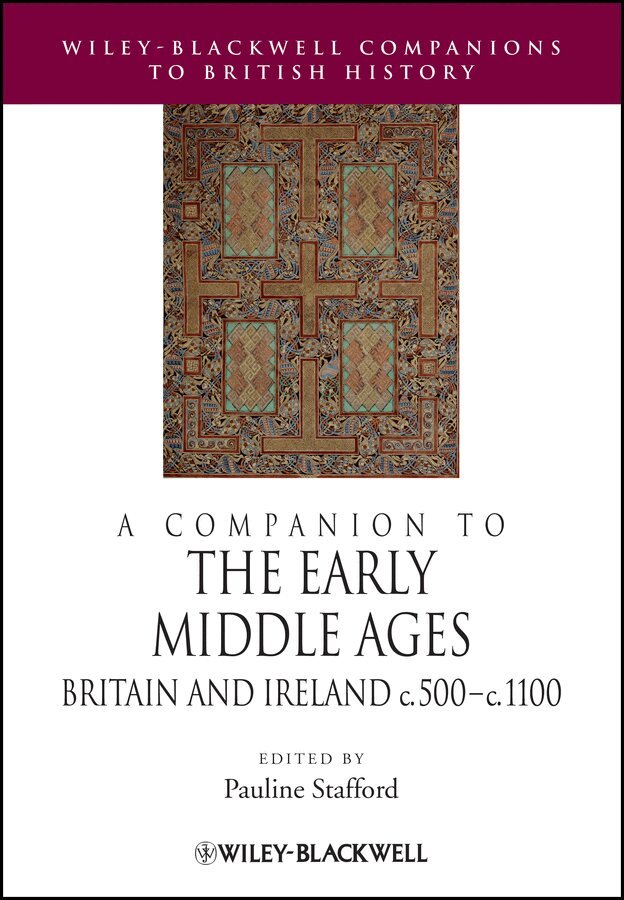
Companion to the Early Middle Ages
Britain and Ireland c.500 - c.1100
Häftad, 2012
583 kr
Lägg i varukorg
Drawing on 28 original essays, A Companion to the Early Middle Ages takes an inclusive approach to the history of Britain and Ireland from c.500 to c.1100 to overcome artificial distinctions of modern national boundaries. A collaborative history from leading scholars, covering the key debates and …
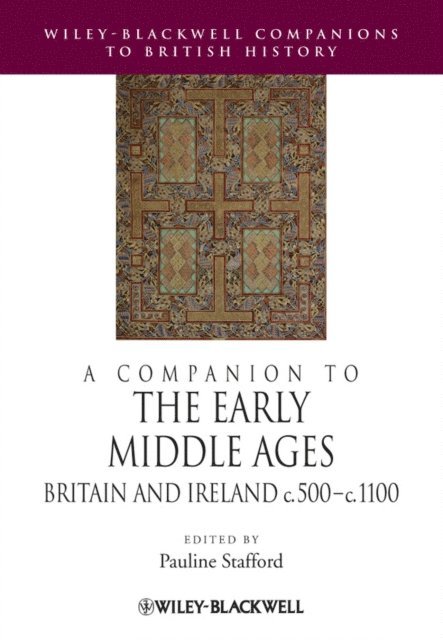
Companion to the Early Middle Ages
Britain and Ireland c.500 - c.1100
E-bok, 2013
656 kr
Lägg i varukorg
Drawing on 28 original essays, A Companion to the Early Middle Ages takes an inclusive approach to the history of Britain and Ireland from c.500 to c.1100 to overcome artificial distinctions of modern national boundaries. A collaborative history from leading scholars, covering the key debates and …
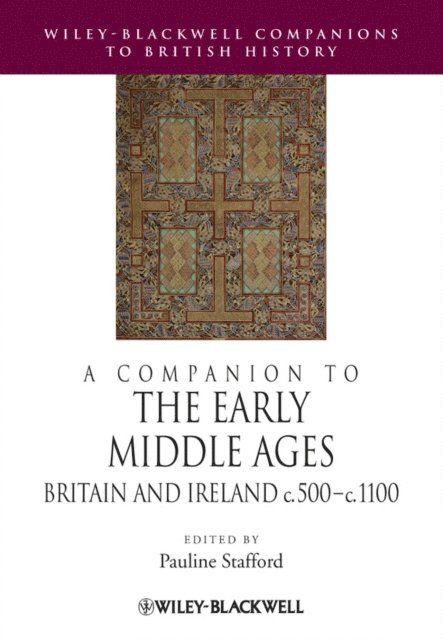
Companion to the Early Middle Ages
Britain and Ireland c.500 - c.1100
E-bok, 2009
671 kr
Lägg i varukorg
Drawing on 28 original essays, A Companion to the Early Middle Ages takes an inclusive approach to the history of Britain and Ireland from c.500 to c.1100 to overcome artificial distinctions of modern national boundaries. A collaborative history from leading scholars, covering the key debates and …
Law, Laity and Solidarities
Essays in Honour of Susan Reynolds
Av Pauline Stafford, Janet L. Nelson m. fl.
E-bok, 2020
265 kr
Lägg i varukorg
The primary focus of this collection by leading medieval historians is the laity, in particular the ideas and ideals of lay people. The contributors explore lay attitudes as expressed in legal cases, charters, chronicles and collective activities. Highlights the centrality of kinship, whilst …
Companion to the Early Middle Ages – Britain and Ireland c.500–1100
2009
687 kr
Tillfälligt slut
Drawing on 28 original essays, A Companion to the Early Middle Ages takes an inclusive approach to the history of Britain and Ireland from c.500 to c.1100 to overcome artificial distinctions of modern national boundaries. A collaborative history from leading scholars, covering the key debates and …