Paulo Beer - Böcker
Visar alla böcker från författaren Paulo Beer. Handla med fri frakt och snabb leverans.
2 produkter
2 produkter
712 kr
Skickas inom 5-8 vardagar
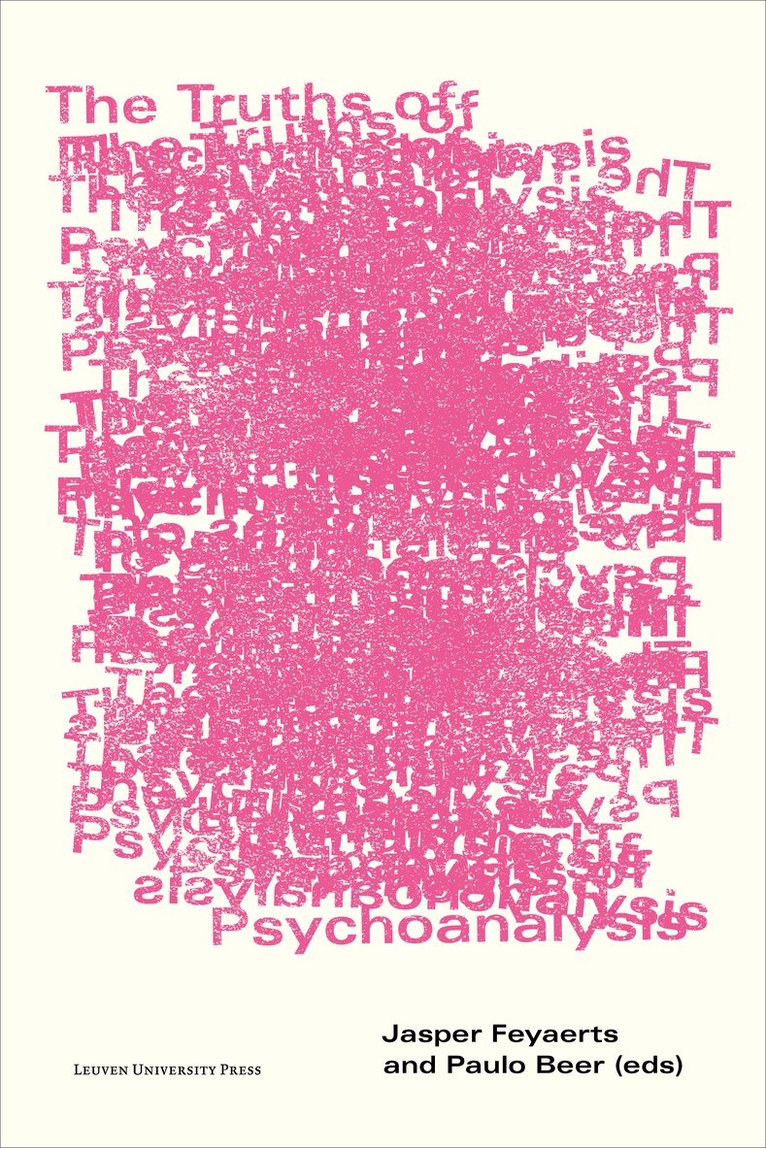
Truth has always been a central philosophical category, occupying different fields of knowledge and practice. In the current moment of fake news and alternative facts, it is mandatory to revisit the various meanings of truth. Departing from various approaches to psychoanalytic theory and practice, the authors gathered in this book offer critical reflections and insights about truth and its effects. In articulations of psychoanalysis with (for instance) philosophy, ethics and politics, the reader will find discussions about issues such as knowledge, love, and clinical practice, all marked by the matter of truth.Contributors: Carin Franzen (Stockholm University), Derek Humphreys (Universite Sorbonne Paris Nord), Christian Dunker (University of Sao Paulo), Peter Jansson (Dalarna University), Laurie Laufer (Universite Paris Diderot), Patricia Gherovici (Das Unbehagen), Nicolas Evzonas (Universite Paris Diderot), Mladen Dolar (University of Ljubljana), Augusto Ismerim (University of Sao Paulo), Jasper Feyaerts (Ghent University), Nelson da Silva Junior(University of Sao Paulo), Paulo Beer (University of Sao Paulo), Vladimir Safatle (University of Sao Paulo), Samo Tomsic (Humboldt University)
692 kr
Skickas inom 5-8 vardagar
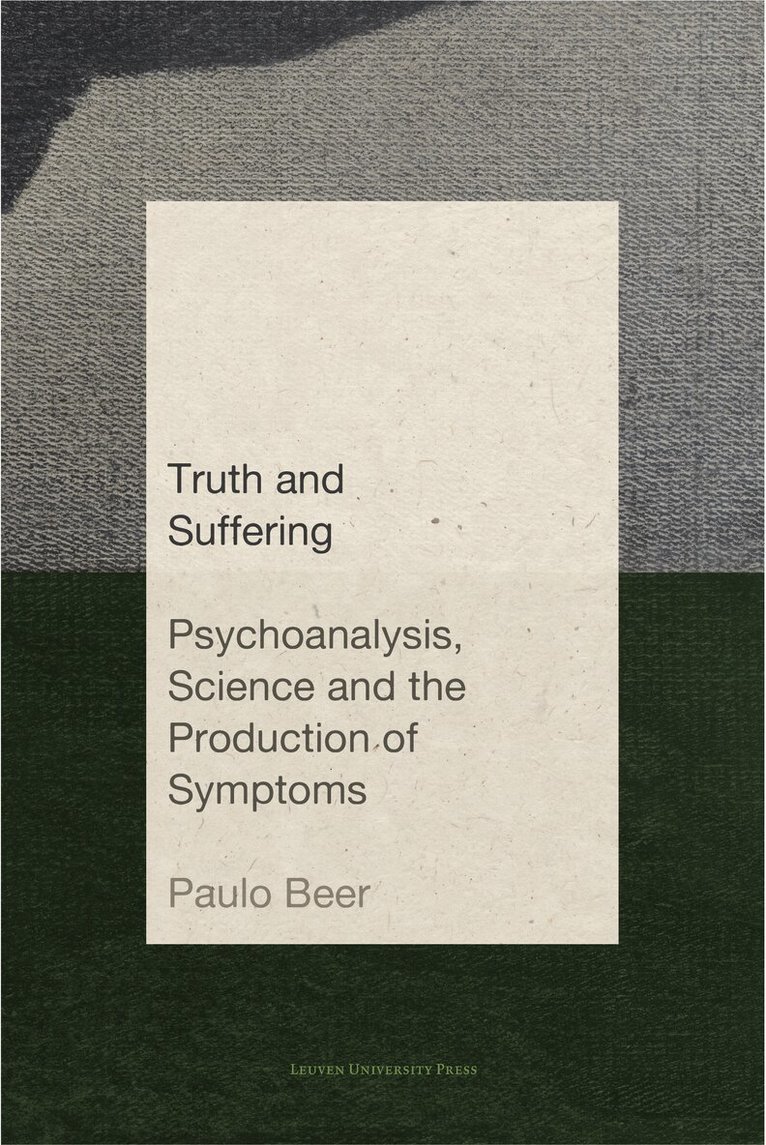
The question of truth within the construction of knowledge on suffering.Although truth occupies a central position in philosophy and the philosophy of science, there is much debate about its actual role in scientific practice. Truth and Suffering explores different conceptions of truth and their profound influence on our understanding and approach to suffering. By discussing how different definitions of truth shape distinct ways of producing knowledge, the analysis prompts reflection on the impact of knowledge production on people's lives.Drawing on the work of authors from psychoanalysis and the philosophy of science, this book challenges dominant mental health paradigms, particularly the hegemony of biologic psychiatry. It resists attempts to naturalise symptoms and emphasises the need for ethical and political factors to be consistently taken into account when addressing suffering.Offering a clear and original approach to an important and complex debate, Truth and Suffering is of interest not only to specialist readers in a variety of fields, ranging from philosophy of science to psychoanalysis, but also provides an introduction to newcomers interested in these discussions.This publication is GPRC-labeled (Guaranteed Peer-Reviewed Content).This book will be made open access within three years of publication thanks to Path to Open, a program developed in partnership between JSTOR, the American Council of Learned Societies (ACLS), University of Michigan Press, and The University of North Carolina Press to bring about equitable access and impact for the entire scholarly community, including authors, researchers, libraries, and university presses around the world. Learn more at https://about.jstor.org/path-to-open/