Pavel Pospěch - Böcker
Visar alla böcker från författaren Pavel Pospěch. Handla med fri frakt och snabb leverans.
3 produkter
3 produkter
2 104 kr
Skickas inom 10-15 vardagar
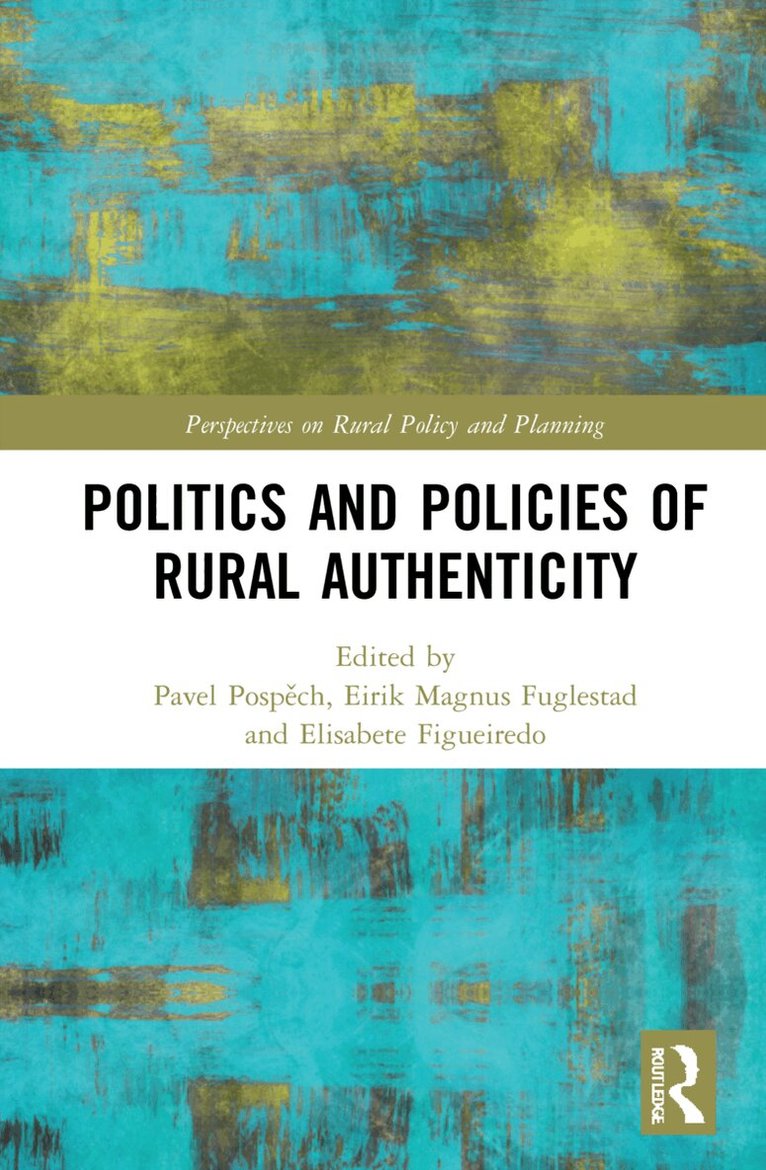
This book explores the notion of rurality and how it is used and produced in various contexts, including within populist politics which derives their legitimacy from the rural-urban divide.The gap between the ‘common people’ and the ‘elites’ is widening again as images of rurality are promoted as morally pure, unalienated and opposed to the cultural and economic globalization. This book examines how using certain images and projections of rurality produces ‘rural authenticity’, a concept propagated by various groups of people such as regional food producers, filmmakers, policymakers, and lobbyists. It seeks to answer questions such as: What is the rurality that these groups of people refer to? How is it produced? What are the purposes that it serves? Research in this book addresses these questions from the areas of both politics and policies of the ‘authentic rural’. The ‘politics’ refers to polarizations including politicians, social movements, and political events which accentuate the rural-urban divide and brings it back to the core of the societal conflict, while the ’policies’ focus on rural tourism, heritage industry, popular art and other areas where rurality is constantly produced and consumed.With international case studies from leading scholars in the field of rural studies, the book will appeal to geographers, sociologists, politicians, as well as those interested in the re-emergence of the rural-urban divide in politics and media.Chapter 8 of this book is freely available as a downloadable Open Access PDF at http://www.taylorfrancis.com under a Creative Commons Attribution-Non Commercial-No Derivatives (CC-BY-NC-ND) 4.0 license.
616 kr
Skickas inom 10-15 vardagar
This book explores the notion of rurality and how it is used and produced in various contexts, including within populist politics which derives their legitimacy from the rural-urban divide.The gap between the ‘common people’ and the ‘elites’ is widening again as images of rurality are promoted as morally pure, unalienated and opposed to the cultural and economic globalization. This book examines how using certain images and projections of rurality produces ‘rural authenticity’, a concept propagated by various groups of people such as regional food producers, filmmakers, policymakers, and lobbyists. It seeks to answer questions such as: What is the rurality that these groups of people refer to? How is it produced? What are the purposes that it serves? Research in this book addresses these questions from the areas of both politics and policies of the ‘authentic rural’. The ‘politics’ refers to polarizations including politicians, social movements, and political events which accentuate the rural-urban divide and brings it back to the core of the societal conflict, while the ’policies’ focus on rural tourism, heritage industry, popular art and other areas where rurality is constantly produced and consumed.With international case studies from leading scholars in the field of rural studies, the book will appeal to geographers, sociologists, politicians, as well as those interested in the re-emergence of the rural-urban divide in politics and media.Chapter 8 of this book is freely available as a downloadable Open Access PDF at http://www.taylorfrancis.com under a Creative Commons Attribution-Non Commercial-No Derivatives (CC-BY-NC-ND) 4.0 license.
2 113 kr
Skickas inom 10-15 vardagar
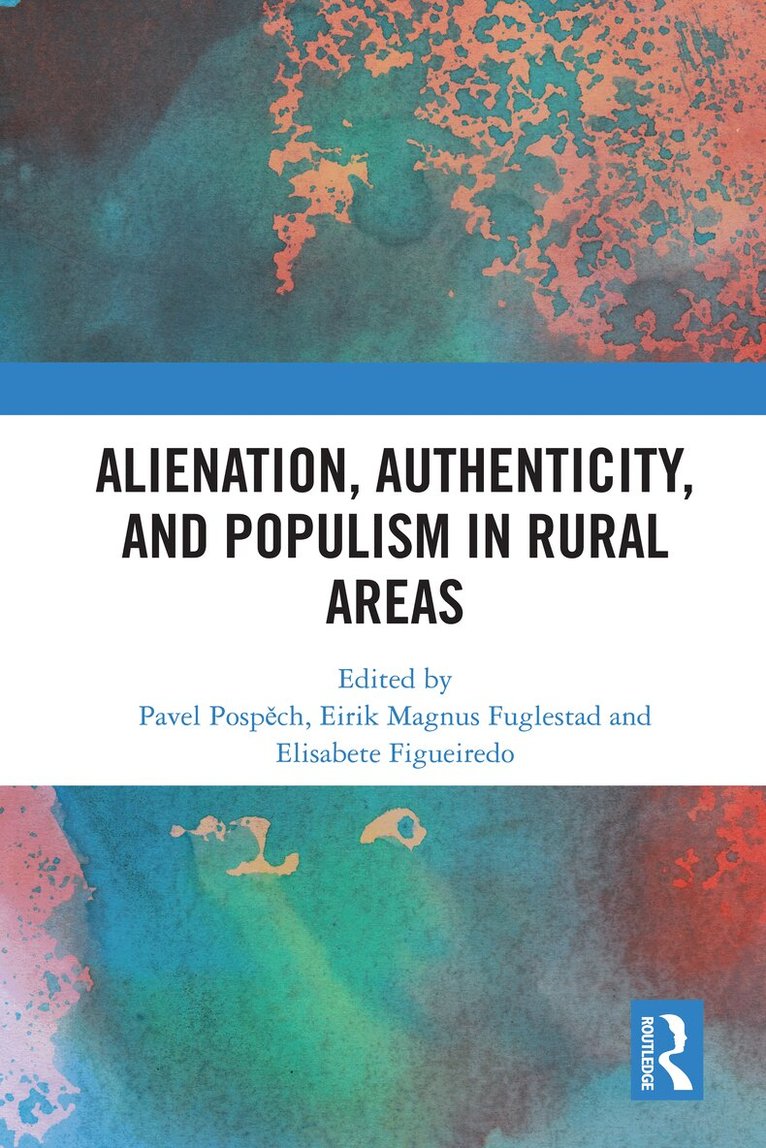
This book captures the complex relationships between rurality and populism with a focus on the processes of alienation and on the contemporary search for authenticity. It explores these relationships using case studies from different national and cultural contexts.Populist movements are growing stronger around the world. While their tactics and their rhetoric vary, there are also common themes – notably, the promise to speak on behalf of those “left behind” in the contemporary developments. This book helps readers understand how rurality, peripherality and lives of rural people are used and exploited by populist movements around the world. Ten years after the “left behind” populations became a hot topic in academia, the book reviews the current state of affairs, and links its strong empirical focus with the concepts of alienation and authenticity to provide an understanding of the new populist zeitgeist.This is important reading for anyone interested in the current rise of populist movements across the world, as well as for students of contemporary rural societies. It is a useful resource for scholars and lecturers, as well as students in sociology, politics and human and social geography.