Payam Akhavan - Böcker
Visar alla böcker från författaren Payam Akhavan. Handla med fri frakt och snabb leverans.
6 produkter
6 produkter
Del 87 - Cambridge Studies in International and Comparative Law
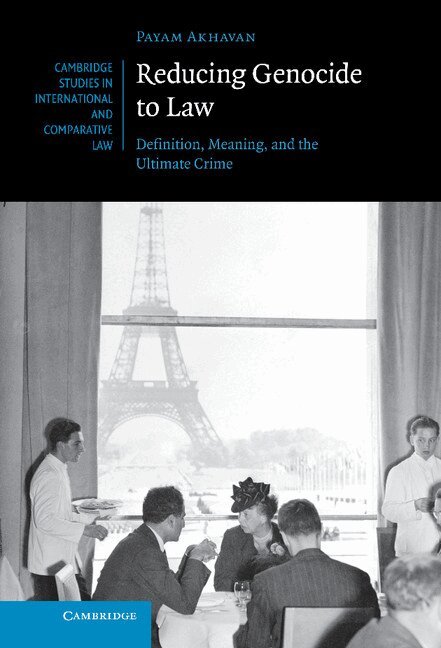
Reducing Genocide to Law
Definition, Meaning, and the Ultimate Crime
Inbunden, Engelska, 2012
1 363 kr
Skickas inom 7-10 vardagar
Could the prevailing view that genocide is the ultimate crime be wrong? Is it possible that it is actually on an equal footing with war crimes and crimes against humanity? Is the power of the word genocide derived from something other than jurisprudence? And why should a hierarchical abstraction assume such importance in conferring meaning on suffering and injustice? Could reducing a reality that is beyond reason and words into a fixed category undermine the very progress and justice that such labelling purports to achieve? For some, these questions may border on the international law equivalent of blasphemy. This original and daring book, written by a renowned scholar and practitioner who was the first Legal Advisor to the UN Prosecutor at The Hague, is a probing reflection on empathy and our faith in global justice.
282 kr
Skickas inom 10-15 vardagar
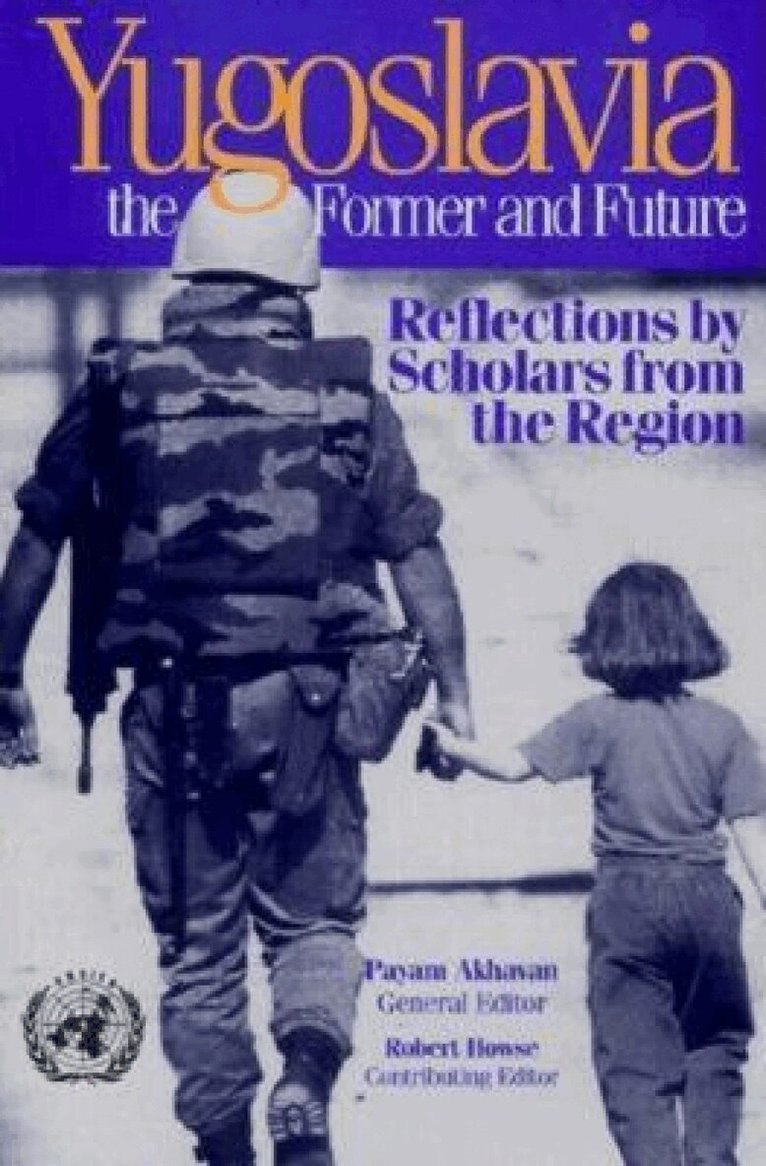
This book contains a unique collection of essays written by scholars from the former Yugoslavia, exploring the events that led to the devastating disintegration of their homeland. The scholars, who are from the different ethnic groups now in conflict, provide insightful, multicultural perspectives on the crisis.The essays lead readers to reconsider the assumptions behind the predominant western views of the post-cold war order and the place of ethnic conflict and ethnic nationalism in that order. Most of the authors point to the causes of the federal breakup and the war that are specific to the social, political, and economic situation of Yugoslavia as it evolved since Tito. The existence of these causes, largely ignored in western analysis of the crisis, questions the view that conflicting or overlapping claims of different ethnic groups must result in nationalism and national conflict.The variety of viewpointsby scholars from Bosnia-Herzegovina, Croatia, Serbia, and Sloveniaprovides a much-needed dialogue about the combination of forces, events, and personalities that led to the crisis and offers the opportunity to look ahead to a brighter future for the region. This book is essential reading for everyone who wants a better understanding of what caused the breakup of Yugoslavia, as well as the more general problems of nationalism and post-cold war international struggles.The contributors are Vojin Dimitrijevic, University of Belgrade; Dusan Janjic, University of Belgrade; Dusan Necak, University of Ljubljana; Albina Necak Luk, University of Ljubljana; Zoran Pajic, University of Sarajevo; Zarko Puhovski, University of Zagreb; Milorad Pupovac, University of Zagreb; and Dragomir Vojnic, University of Zagreb.Payam Akhavan is a legal adviser at the International Criminal Tribunal for the Former Yugoslavia in the Hague and was formerly a human rights investigator with the United Nations in the former Yugoslavia. Robert Howse, assistant professor of law at the University of Toronto, was Second Secretary at the Canadian Embassy in Belgrade from 1984 to 1986.
Del 87 - Cambridge Studies in International and Comparative Law
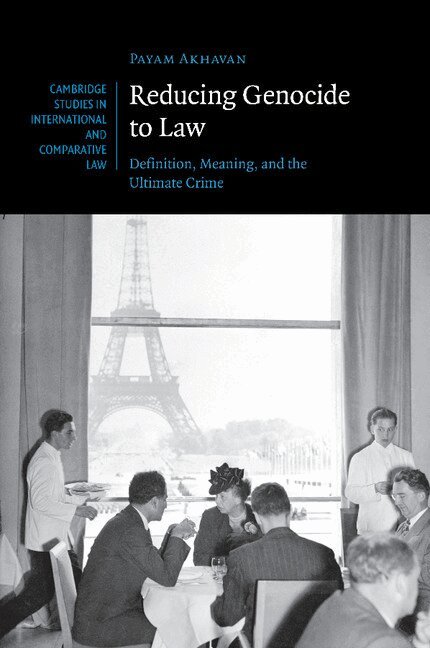
Reducing Genocide to Law
Definition, Meaning, and the Ultimate Crime
Häftad, Engelska, 2015
441 kr
Skickas inom 7-10 vardagar
Could the prevailing view that genocide is the ultimate crime be wrong? Is it possible that it is actually on an equal footing with war crimes and crimes against humanity? Is the power of the word genocide derived from something other than jurisprudence? And why should a hierarchical abstraction assume such importance in conferring meaning on suffering and injustice? Could reducing a reality that is beyond reason and words into a fixed category undermine the very progress and justice that such labelling purports to achieve? For some, these questions may border on the international law equivalent of blasphemy. This original and daring book, written by a renowned scholar and practitioner who was the first Legal Advisor to the UN Prosecutor at The Hague, is a probing reflection on empathy and our faith in global justice.
158 kr
Tillfälligt slut
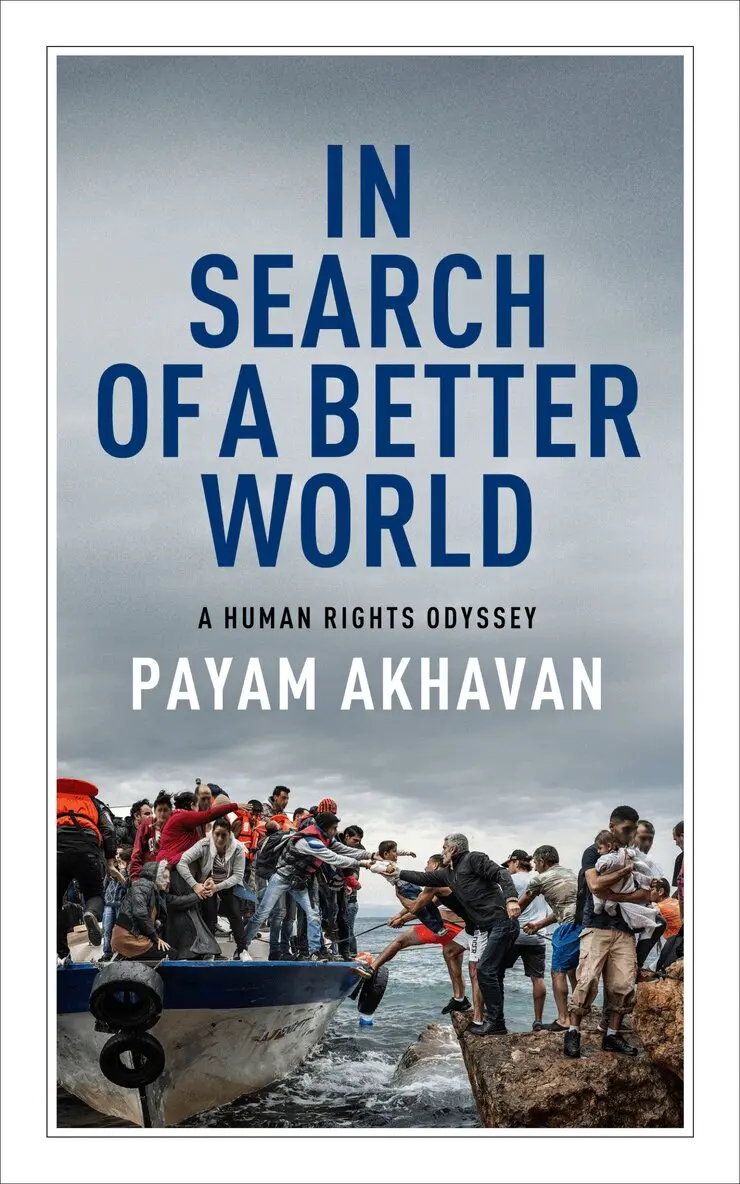
A work of memoir, history, and a call to action, the CBC Massey Lectures by internationally renowned UN prosecutor and scholar Payam Akhavan is a powerful and essential work on the major human rights struggles of our times.Renowned UN prosecutor and human rights scholar Payam Akhavan has encountered the grim realities of contemporary genocide throughout his life and career. He argues that deceptive utopias, political cynicism, and public apathy have given rise to major human rights abuses: from the religious persecution of Iranian Bahá’ís that shaped his personal life, to the horrors of ethnic cleansing in Yugoslavia, the genocide in Rwanda, and the rise of contemporary phenomena such as the Islamic State. But he also reflects on the inspiring resilience of the human spirit and the reality of our inextricable interdependence to liberate us, whether from hateful ideologies that deny the humanity of others or an empty consumerist culture that worships greed and self-indulgence.A timely, essential, and passionate work of memoir and history, In Search of a Better World is a tour de force by an internationally renowned human rights lawyer.
1 456 kr
Skickas inom 10-15 vardagar
“Never again” stands as one the central pledges of the international community following the end of the Second World War, upon full realization of the massive scale of the Nazi extermination programme. Genocide stands as an intolerable assault on a sense of common humanity embodied in the Universal Declaration of Human Rights and other fundamental international instruments, including the Convention on the Prevention and Punishment of the Crime of Genocide and the United Nations Charter. And yet, since the Second World War, the international community has proven incapable of effectively preventing the occurrence of more genocides in places like Cambodia, Yugoslavia, Rwanda and Sudan. Is genocide actually preventable, or is “ever again” a more accurate catchphrase to capture the reality of this phenomenon? The essays in this volume explore the complex nature of genocide and the relative promise of various avenues identified by the international community to attempt to put a definitive end to its occurrence. Essays focus on a conceptualization of genocide as a social and political phenomenon, on the identification of key actors (Governments, international institutions, the media, civil society, individuals), and on an exploration of the relative promise of different means to prevent genocide (criminal accountability, civil disobedience, shaming, intervention).
1 456 kr
Skickas inom 10-15 vardagar
“Never again” stands as one the central pledges of the international community following the end of the Second World War, upon full realization of the massive scale of the Nazi extermination programme. Genocide stands as an intolerable assault on a sense of common humanity embodied in the Universal Declaration of Human Rights and other fundamental international instruments, including the Convention on the Prevention and Punishment of the Crime of Genocide and the United Nations Charter. And yet, since the Second World War, the international community has proven incapable of effectively preventing the occurrence of more genocides in places like Cambodia, Yugoslavia, Rwanda and Sudan. Is genocide actually preventable, or is “ever again” a more accurate catchphrase to capture the reality of this phenomenon? The essays in this volume explore the complex nature of genocide and the relative promise of various avenues identified by the international community to attempt to put a definitive end to its occurrence. Essays focus on a conceptualization of genocide as a social and political phenomenon, on the identification of key actors (Governments, international institutions, the media, civil society, individuals), and on an exploration of the relative promise of different means to prevent genocide (criminal accountability, civil disobedience, shaming, intervention).