P.B. Medawar – författare
Visar alla böcker från författaren P.B. Medawar. Handla med fri frakt och snabb leverans.
16 produkter
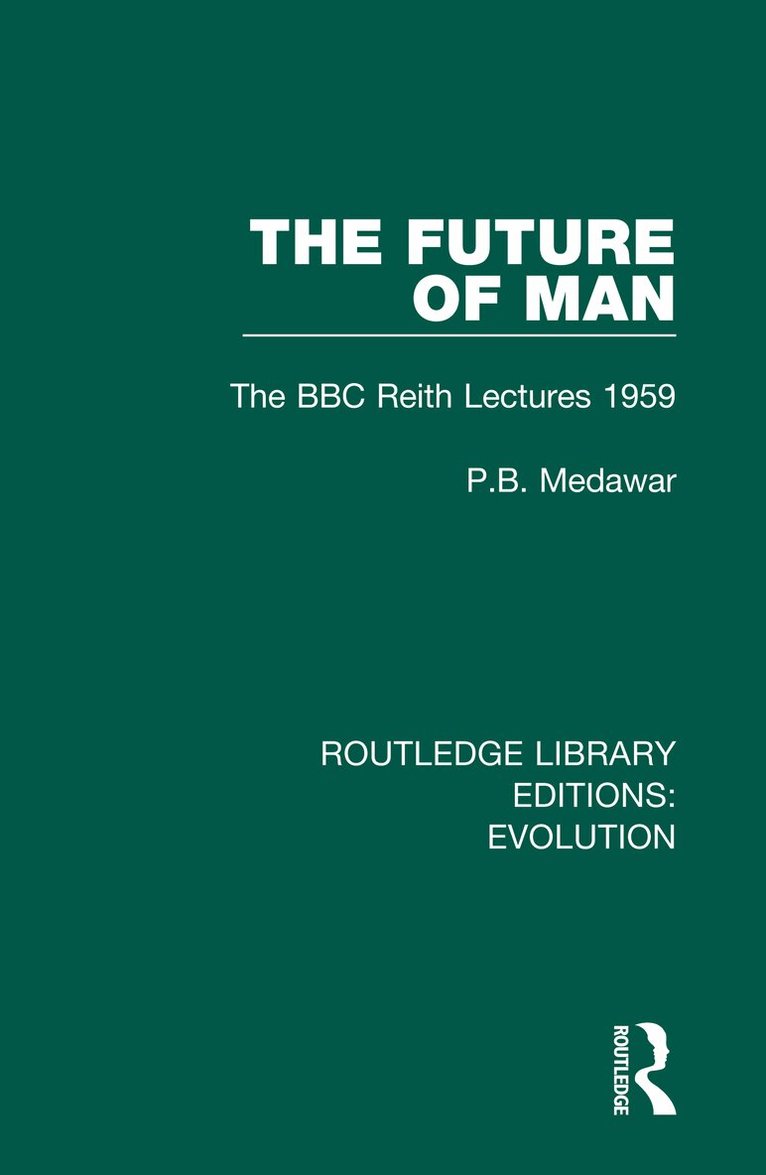
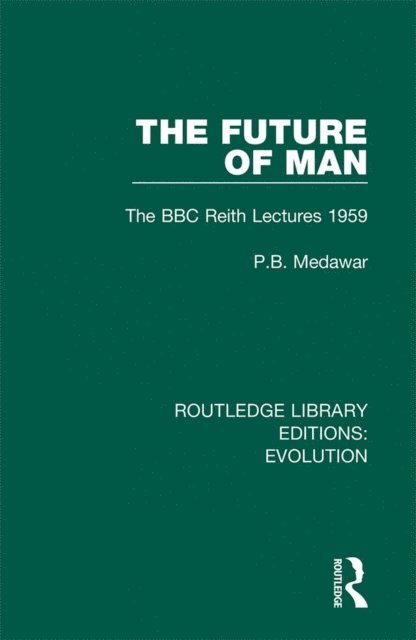
Future of Man
The BBC Reith Lectures 1959
Av P.B. Medawar
Inbunden, 2019
1520 kr
Lägg i varukorg
Originally published in 1960, The Future of Man is a chronicle of Professor Medwar’s Reith lectures of 1959. The book outlines his predictions about the future estate of man, with the ‘process of foretelling, rather than with what is actually foretold’. He asks, can we predict the future size of …
Future of Man
The BBC Reith Lectures 1959
Av P.B. Medawar
Häftad, 2021
1448 kr
Lägg i varukorg
Originally published in 1960, The Future of Man is a chronicle of Professor Medwar’s Reith lectures of 1959. The book outlines his predictions about the future estate of man, with the ‘process of foretelling, rather than with what is actually foretold’. He asks, can we predict the future size of …
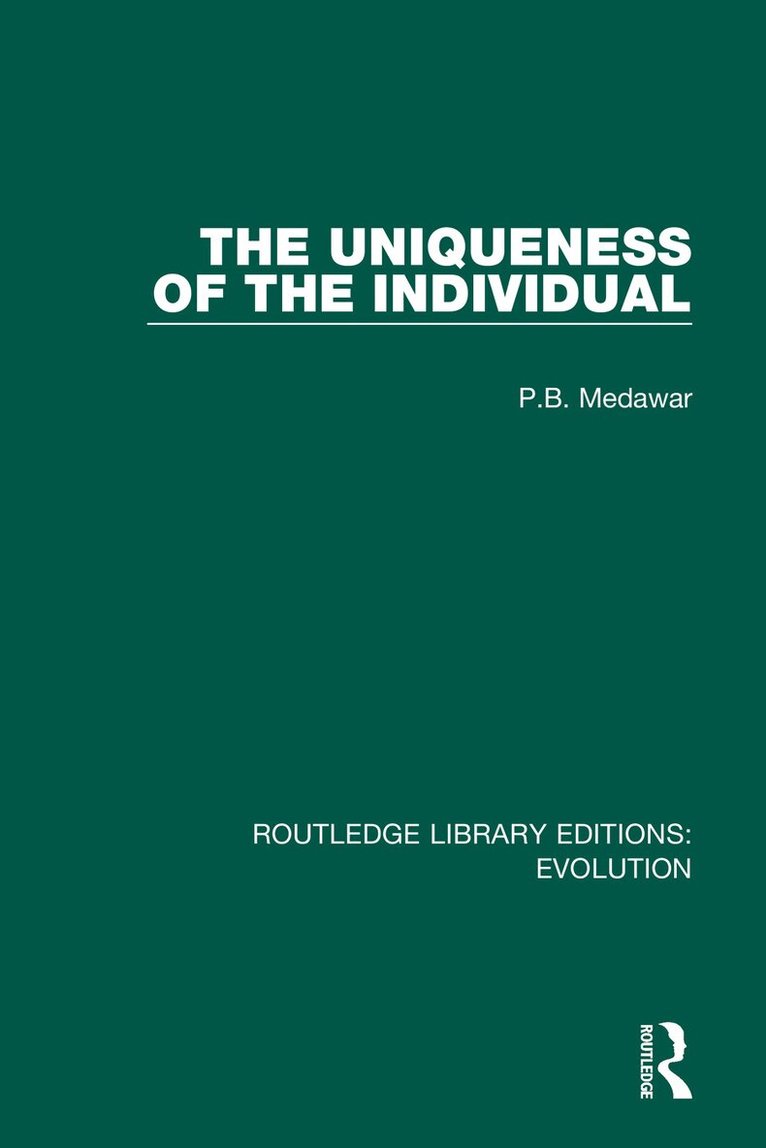
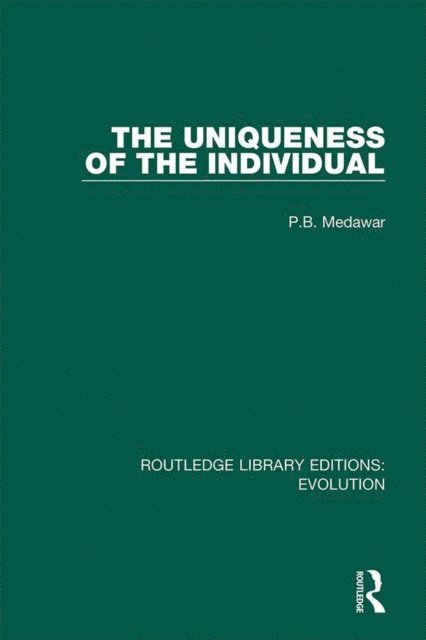
Uniqueness of the Individual
Av P.B. Medawar
Inbunden, 2019
1520 kr
Lägg i varukorg
Originally published in 1957, The Uniqueness of the Individual is a collection of 9 essays published from the ten years preceding publication. The essays deal with some of the central problems of biology. These are among the questions put and answered from the standpoint of modern experimental …
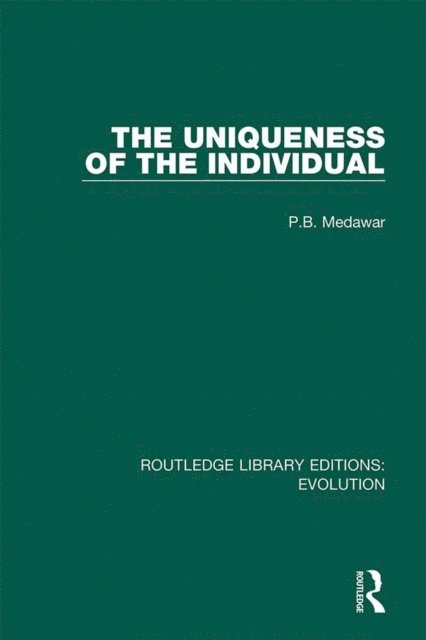
Uniqueness of the Individual
Av P.B. Medawar
Häftad, 2021
545 kr
Lägg i varukorg
Originally published in 1957, The Uniqueness of the Individual is a collection of 9 essays published from the ten years preceding publication. The essays deal with some of the central problems of biology. These are among the questions put and answered from the standpoint of modern experimental …
Future of Man
The BBC Reith Lectures 1959
Av P.B. Medawar
E-bok, 2019
1714 kr
Lägg i varukorg
Originally published in 1960, The Future of Man is a chronicle of Professor Medwar’s Reith lectures of 1959. The book outlines his predictions about the future estate of man, with the ‘process of foretelling, rather than with what is actually foretold’. He asks, can we predict the future size …
Uniqueness of the Individual
Av P.B. Medawar
E-bok, 2019
627 kr
Lägg i varukorg
Originally published in 1957, The Uniqueness of the Individual is a collection of 9 essays published from the ten years preceding publication. The essays deal with some of the central problems of biology. These are among the questions put and answered from the standpoint of modern experimental …
Future of Man
The BBC Reith Lectures 1959
Av P.B. Medawar
E-bok, 2019
1714 kr
Lägg i varukorg
Originally published in 1960, The Future of Man is a chronicle of Professor Medwar’s Reith lectures of 1959. The book outlines his predictions about the future estate of man, with the ‘process of foretelling, rather than with what is actually foretold’. He asks, can we predict the future size …
Uniqueness of the Individual
Av P.B. Medawar
E-bok, 2019
641 kr
Lägg i varukorg
Originally published in 1957, The Uniqueness of the Individual is a collection of 9 essays published from the ten years preceding publication. The essays deal with some of the central problems of biology. These are among the questions put and answered from the standpoint of modern experimental …
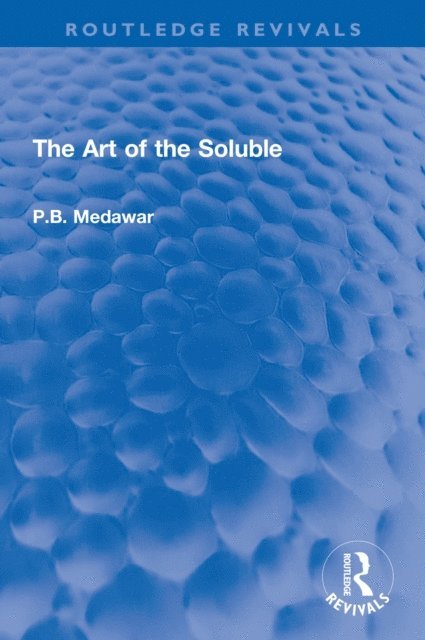
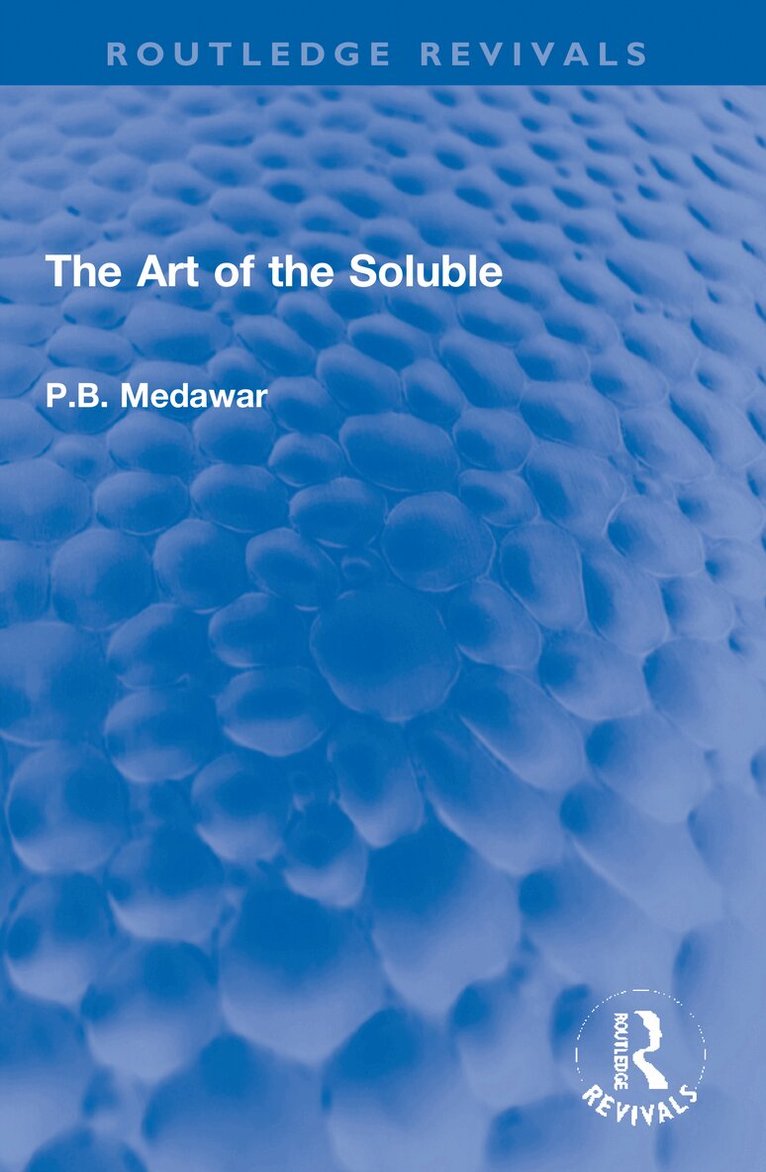
Art of the Soluble
Av P.B. Medawar
E-bok, 2021
570 kr
Lägg i varukorg
First published in 1967, The Art of the Soluble presents collection of essays giving the views of the author on creativity and originality in science and on the logical connections between creative and critical thought. It is also a pioneering study of the ethology of the scientists – of the …
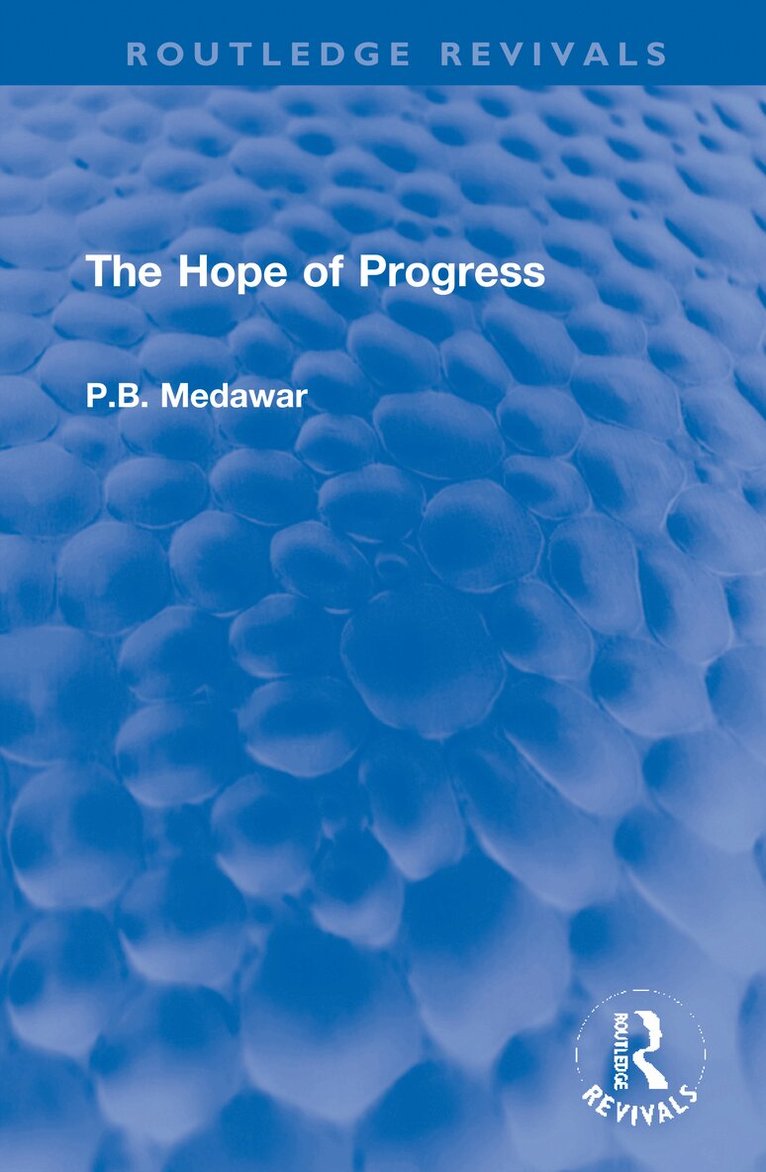
Hope of Progress
Av P.B. Medawar
E-bok, 2021
589 kr
Lägg i varukorg
First published in 1972, The Hope of Progress presents collection of essays and lectures dealing with the history of scientific ideas and the impact of science on society. The principle piece in this volume is the author’s 1969 presidential address to the British Association ‘On The Effecting …
Art of the Soluble
Av P.B. Medawar
E-bok, 2021
589 kr
Lägg i varukorg
First published in 1967, The Art of the Soluble presents collection of essays giving the views of the author on creativity and originality in science and on the logical connections between creative and critical thought. It is also a pioneering study of the ethology of the scientists – of the …
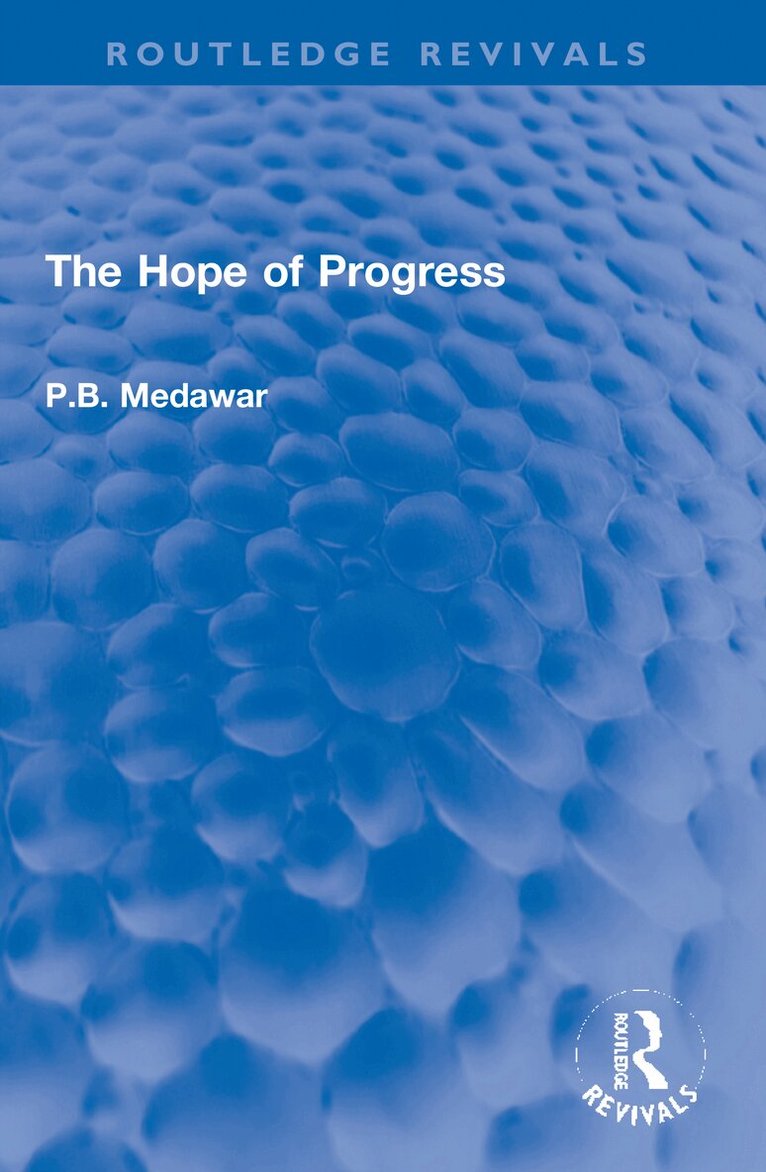
Hope of Progress
Av P.B. Medawar
E-bok, 2021
589 kr
Lägg i varukorg
First published in 1972, The Hope of Progress presents collection of essays and lectures dealing with the history of scientific ideas and the impact of science on society. The principle piece in this volume is the author’s 1969 presidential address to the British Association ‘On The Effecting …
Art of the Soluble
Av P.B. Medawar
Inbunden, 2021
1520 kr
Lägg i varukorg
First published in 1967, The Art of the Soluble presents collection of essays giving the views of the author on creativity and originality in science and on the logical connections between creative and critical thought. It is also a pioneering study of the ethology of the scientists – of the …
Art of the Soluble
Av P.B. Medawar
Häftad, 2023
502 kr
Lägg i varukorg
First published in 1967, The Art of the Soluble presents collection of essays giving the views of the author on creativity and originality in science and on the logical connections between creative and critical thought. It is also a pioneering study of the ethology of the scientists – of the …
Hope of Progress
Av P.B. Medawar
Inbunden, 2021
1520 kr
Lägg i varukorg
First published in 1972, The Hope of Progress presents collection of essays and lectures dealing with the history of scientific ideas and the impact of science on society. The principle piece in this volume is the author’s 1969 presidential address to the British Association ‘On The Effecting of …
Hope of Progress
Av P.B. Medawar
Häftad, 2023
502 kr
Lägg i varukorg
First published in 1972, The Hope of Progress presents collection of essays and lectures dealing with the history of scientific ideas and the impact of science on society. The principle piece in this volume is the author’s 1969 presidential address to the British Association ‘On The Effecting of …