Peer Smets - Böcker
Visar alla böcker från författaren Peer Smets. Handla med fri frakt och snabb leverans.
6 produkter
6 produkter
2 625 kr
Skickas inom 10-15 vardagar
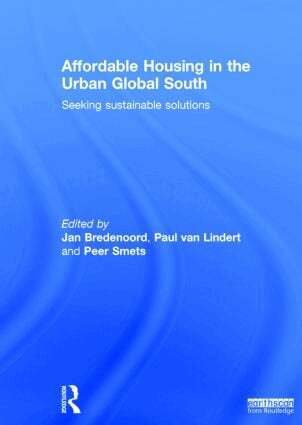
The global increase in the number of slums calls for policies which improve the conditions of the urban poor, sustainably. This volume provides an extensive overview of current housing policies in Asia, Africa and Latin America and presents the facts and trends of recent housing policies. The chapters provide ideas and tools for pro-poor interventions with respect to the provision of land for housing, building materials, labour, participation and finance. The book looks at the role of the various stakeholders involved in such interventions, including national and local governments, private sector organisations, NGOs and Community-based Organisations.
928 kr
Skickas inom 10-15 vardagar
The global increase in the number of slums calls for policies which improve the conditions of the urban poor, sustainably. This volume provides an extensive overview of current housing policies in Asia, Africa and Latin America and presents the facts and trends of recent housing policies. The chapters provide ideas and tools for pro-poor interventions with respect to the provision of land for housing, building materials, labour, participation and finance. The book looks at the role of the various stakeholders involved in such interventions, including national and local governments, private sector organisations, NGOs and Community-based Organisations.
536 kr
Skickas inom 10-15 vardagar
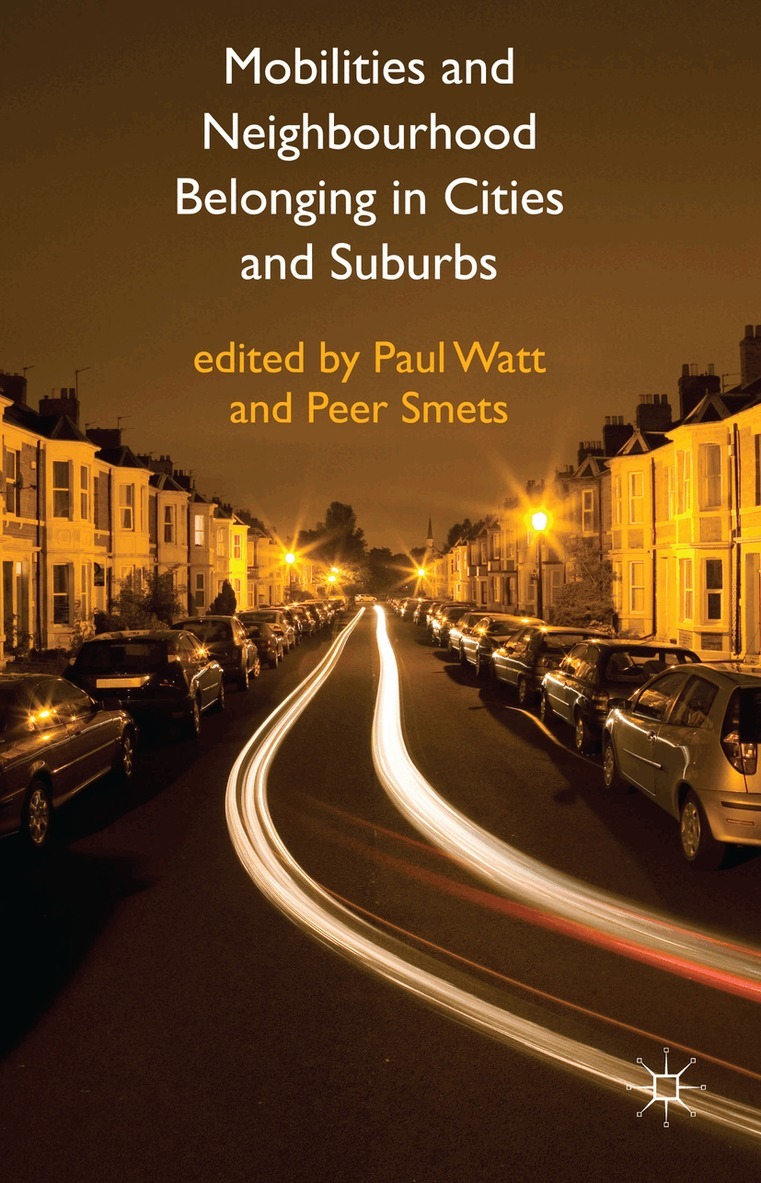
Contemporary city and suburban dwellers are constantly on the move. Does this mean they lack a sense of belonging to their neighbourhoods, or does enhanced mobility co-exist with feelings of community and belonging? This collection examines these questions through a unique series of neighbourhood-based global case studies.
1 104 kr
Skickas inom 7-10 vardagar
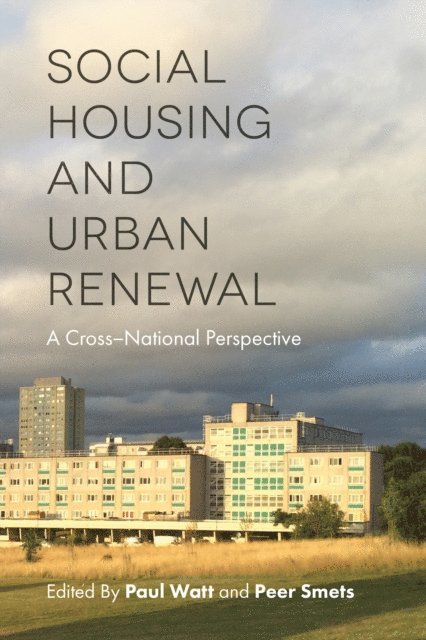
This book offers a cross-national perspective on contemporary urban renewal in relation tosocial rental housing. Social housing estates – as developed either by governments (publichousing) or not-for-profit agencies – became a prominent feature of the 20th century urbanlandscape in Northern European cities, but also in North America and Australia. Manyestates were built as part of earlier urban renewal, ‘slum clearance’ programs especially inthe post-World War 2 heyday of the Keynesian welfare state. During the last three decades,however, Western governments have launched high-profile ‘new urban renewal’ programswhose aim has been to change the image and status of social housing estates away frombeing zones of concentrated poverty, crime and other social problems. This latest phaseof urban renewal – often called ‘regeneration’ – has involved widespread demolition ofsocial housing estates and their replacement with mixed-tenure housing developments inwhich poverty deconcentration, reduced territorial stigmatization, and social mixing of poortenants and wealthy homeowners are explicit policy goals. Academic critical urbanists, as well as housing activists, have however queried this dominantpolicy narrative regarding contemporary urban renewal, preferring instead to regard it asa key part of neoliberal urban restructuring and state-led gentrification which generate newsocio-spatial inequalities and insecurities through displacement and exclusion processes. Thisbook examines this debate through original, in-depth case study research on the processes andimpacts of urban renewal on social housing in European, U.S. and Australian cities. The bookalso looks beyond the Western urban heartlands of social housing to consider how renewal isoccurring, and with what effects, in countries with historically limited social housing sectors suchas Japan, Chile, Turkey and South Africa.
1 085 kr
Skickas inom 7-10 vardagar
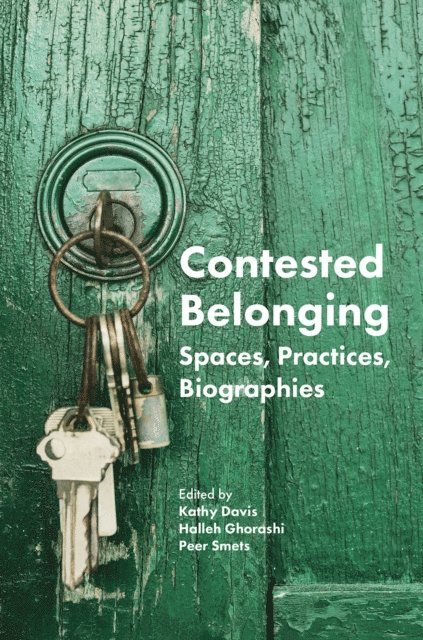
In Contested Belonging: Spaces, Practices, Biographies contributions by well-known international scholars from different disciplines address the sites, practices, and narratives in which belonging is imagined, enacted and constrained, negotiated and contested. Belonging is viewed from the perspectives of both migrants and refugees in their host countries as well as from people who are ostensibly ‘at home’ and yet may experience various degrees of alienation in their countries of origin. The book focuses on three particular dimensions of belonging: belonging as space (neighbourhood, workplace, home), as practice (virtual, physical, cultural), and as biography (life stories, group narratives). What role do physical, digital, transnational and in-between spaces play and how are they used in order to create/contest belonging? Which practices do people engage in in order to gain/foster/invent a certain/new sense of belonging? What can the biographies and narratives of people reveal about their complicated and contested experiences of belonging? Contested Belonging: Spaces, Practices, Biographies convincingly shows how individual and collective struggles for belonging are not only associated with exclusion and ‘othering’, but also lead to surprising and inspiring forms of social action and transformation, suggesting that there may be more reason for hope than for despair.
616 kr
Skickas inom 7-10 vardagar
This book offers a cross-national perspective on contemporary urban renewal in relation tosocial rental housing. Social housing estates – as developed either by governments (publichousing) or not-for-profit agencies – became a prominent feature of the 20th century urbanlandscape in Northern European cities, but also in North America and Australia. Manyestates were built as part of earlier urban renewal, ‘slum clearance’ programs especially inthe post-World War 2 heyday of the Keynesian welfare state. During the last three decades,however, Western governments have launched high-profile ‘new urban renewal’ programswhose aim has been to change the image and status of social housing estates away frombeing zones of concentrated poverty, crime and other social problems. This latest phaseof urban renewal – often called ‘regeneration’ – has involved widespread demolition ofsocial housing estates and their replacement with mixed-tenure housing developments inwhich poverty deconcentration, reduced territorial stigmatization, and social mixing of poortenants and wealthy homeowners are explicit policy goals. Academic critical urbanists, as well as housing activists, have however queried this dominantpolicy narrative regarding contemporary urban renewal, preferring instead to regard it asa key part of neoliberal urban restructuring and state-led gentrification which generate newsocio-spatial inequalities and insecurities through displacement and exclusion processes. Thisbook examines this debate through original, in-depth case study research on the processes andimpacts of urban renewal on social housing in European, U.S. and Australian cities. The bookalso looks beyond the Western urban heartlands of social housing to consider how renewal isoccurring, and with what effects, in countries with historically limited social housing sectors suchas Japan, Chile, Turkey and South Africa.