Pernille Ipsen - Böcker
Visar alla böcker från författaren Pernille Ipsen. Handla med fri frakt och snabb leverans.
2 produkter
2 produkter
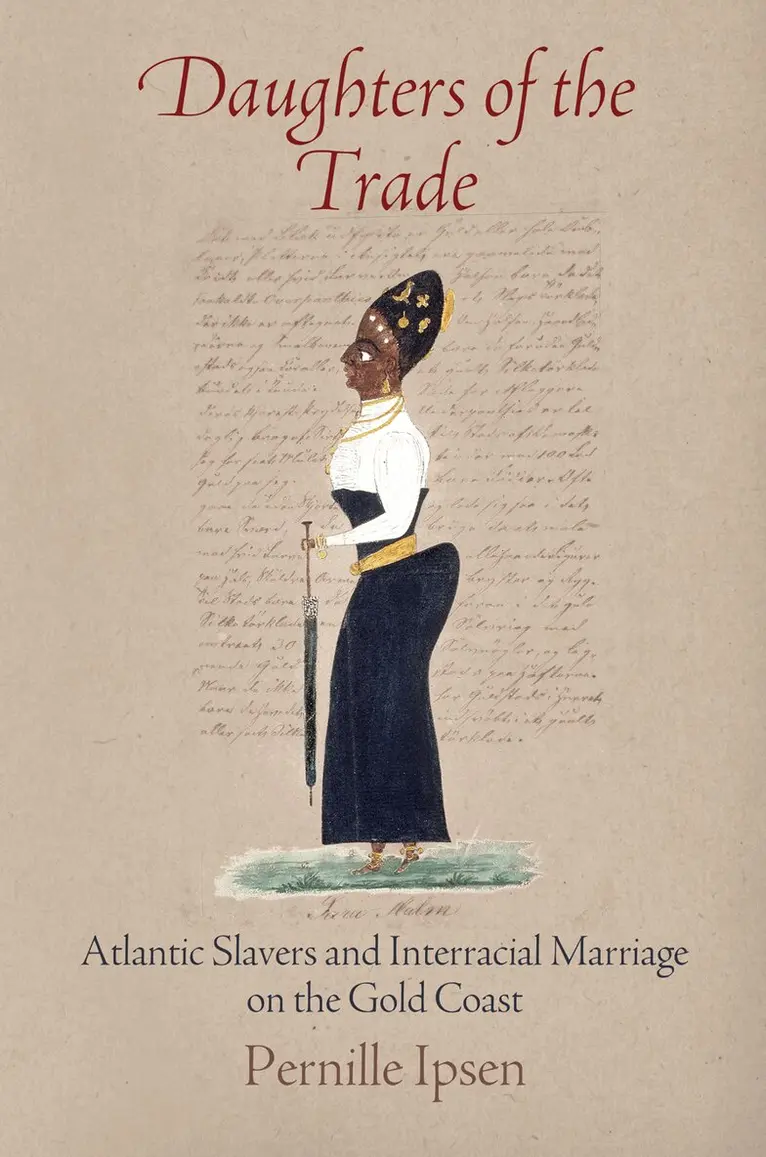
Daughters of the Trade
Atlantic Slavers and Interracial Marriage on the Gold Coast
Häftad, Engelska, 2016
378 kr
Skickas inom 10-15 vardagar
Severine Brock's first language was Ga, yet it was not surprising when, in 1842, she married Edward Carstensen. He was the last governor of Christiansborg, the fort that, in the eighteenth century, had been the center of Danish slave trading in West Africa. She was the descendant of Ga-speaking women who had married Danish merchants and traders. Their marriage would have been familiar to Gold Coast traders going back nearly 150 years. In Daughters of the Trade, Pernille Ipsen follows five generations of marriages between African women and Danish men, revealing how interracial marriage created a Euro-African hybrid culture specifically adapted to the Atlantic slave trade.Although interracial marriage was prohibited in European colonies throughout the Atlantic world, in Gold Coast slave-trading towns it became a recognized and respected custom. Cassare, or "keeping house," gave European men the support of African women and their kin, which was essential for their survival and success, while African families made alliances with European traders and secured the legitimacy of their offspring by making the unions official.For many years, Euro-African families lived in close proximity to the violence of the slave trade. Sheltered by their Danish names and connections, they grew wealthy and influential. But their powerful position on the Gold Coast did not extend to the broader Atlantic world, where the link between blackness and slavery grew stronger, and where Euro-African descent did not guarantee privilege. By the time Severine Brock married Edward Carstensen, their world had changed. Daughters of the Trade uncovers the vital role interracial marriage played in the coastal slave trade, the production of racial difference, and the increasing stratification of the early modern Atlantic world.
342 kr
Skickas inom 7-10 vardagar
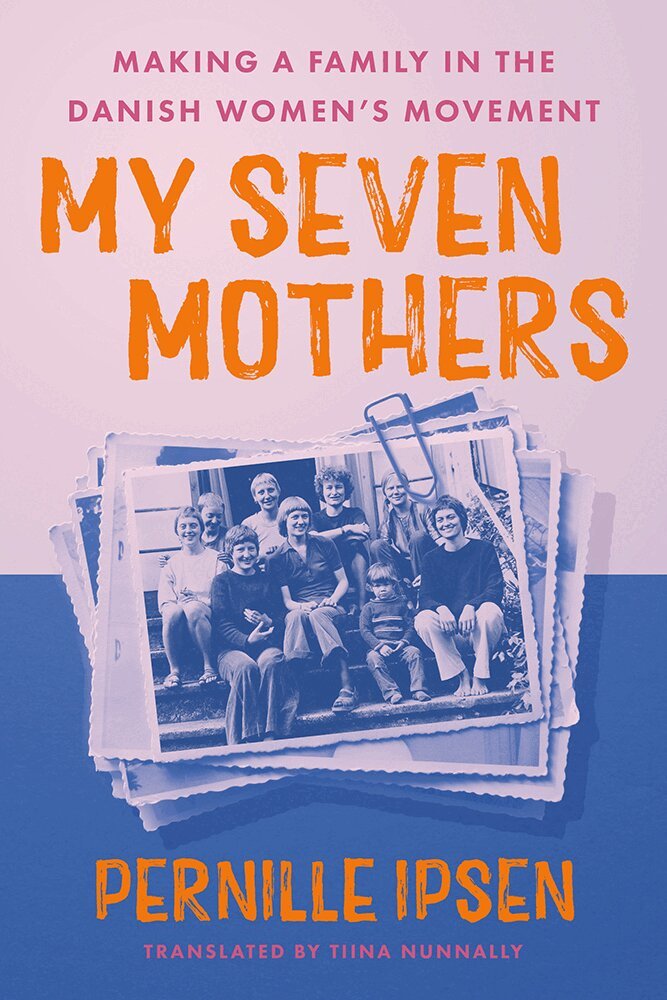
Seven women raise a child together while redefining their place in society at the beginning of the Women’s Movement in Denmark in the 1970sOn New Year’s Eve in Copenhagen in 1972, seven women had a child together: one gave birth and six others attended. They had met a year earlier at a feminist women’s camp on a small island and now, with about twenty other women’s liberationists, they occupied three dilapidated apartment buildings in the center of Copenhagen. One became the country’s first Women’s House, the nerve center of the Women’s Movement in Denmark, and the other two were women-only communal living spaces that were Pernille Ipsen’s first home. In this intimate portrait of life during the exhilarating early days of women’s liberation in Scandinavia and dramatic social change around the globe, she tells the stories of these seven women, her seven mothers. Recounting her mothers’ history-from the passions and beliefs they shared to the political divisions over sexual identity that ultimately split them apart-Ipsen captures the individuality of each of her mothers as well as the common experiences that drew them together. As she deftly reflects the practical and emotional realities of her mothers’ women-centered life, Ipsen presents an engrossing picture of intersecting lives that, half a century ago, raised questions we still grapple with today: What is a family? Who is a woman? And who gets to decide? A chronicle of gender, sexuality, and feminism as it was constructed, contested, and lived, My Seven Mothers is an eye-opening account of the challenges and possibilities connected with liberation and radical social change during the 1970s. In this time of fierce struggles over family, sexuality, and child-rearing, it reminds us that new worlds are always possible.