
Perry Lea – författare
Visar alla böcker från författaren Perry Lea. Handla med fri frakt och snabb leverans.
3 produkter
3 produkter
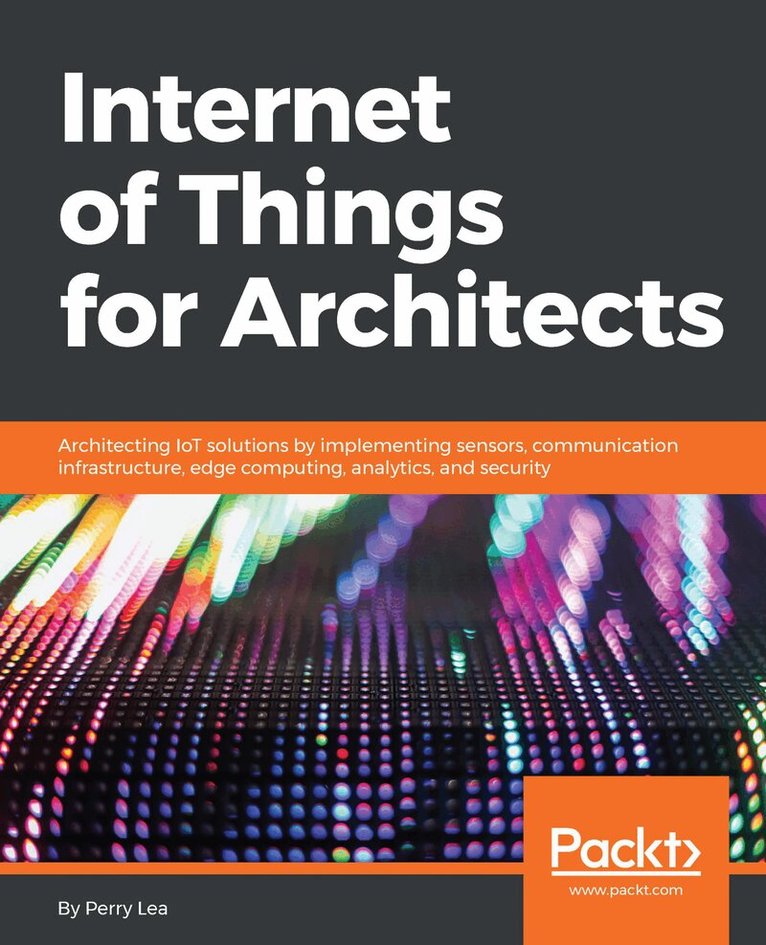
Internet of Things for Architects
Architecting IoT solutions by implementing sensors, communication infrastructure, edge computing, analytics, and security
Häftad, Engelska, 2018
875 kr
Skickas inom 3-6 vardagar
Learn to design, implement and secure your IoT infrastructureKey FeaturesBuild a complete IoT system that is the best fit for your organizationLearn about different concepts, technologies, and tradeoffs in the IoT architectural stackUnderstand the theory, concepts, and implementation of each element that comprises IoT design?from sensors to the cloudImplement best practices to ensure the reliability, scalability, robust communication systems, security, and data analysis in your IoT infrastructureBook DescriptionThe Internet of Things (IoT) is the fastest growing technology market. Industries are embracing IoT technologies to improve operational expenses, product life, and people's well-being. An architectural guide is necessary if you want to traverse the spectrum of technologies needed to build a successful IoT system, whether that's a single device or millions of devices.This book encompasses the entire spectrum of IoT solutions, from sensors to the cloud. We start by examining modern sensor systems and focus on their power and functionality. After that, we dive deep into communication theory, paying close attention to near-range PAN, including the new Bluetooth® 5.0 specification and mesh networks. Then, we explore IP-based communication in LAN and WAN, including 802.11ah, 5G LTE cellular, Sigfox, and LoRaWAN. Next, we cover edge routing and gateways and their role in fog computing, as well as the messaging protocols of MQTT and CoAP.With the data now in internet form, you'll get an understanding of cloud and fog architectures, including the OpenFog standards. We wrap up the analytics portion of the book with the application of statistical analysis, complex event processing, and deep learning models. Finally, we conclude by providing a holistic view of the IoT security stack and the anatomical details of IoT exploits while countering them with software defined perimeters and blockchains.What you will learnUnderstand the role and scope of architecting a successful IoT deployment, from sensors to the cloudScan the landscape of IoT technologies that span everything from sensors to the cloud and everything in betweenSee the trade-offs in choices of protocols and communications in IoT deploymentsBuild a repertoire of skills and the vernacular necessary to work in the IoT spaceBroaden your skills in multiple engineering domains necessary for the IoT architectWho this book is forThis book is for architects, system designers, technologists, and technology managers who want to understand the IoT ecosphere, various technologies, and tradeoffs and develop a 50,000-foot view of IoT architecture.
Mastering IOT
Build modern IoT solutions that secure and monitor your IoT infrastructure
Häftad, Engelska, 2019
621 kr
Skickas inom 5-8 vardagar
Leverage the full potential of IoT with the combination of Raspberry Pi 3 and Python and architect a complete IoT system that is the best fit for your organizationKey FeaturesBuild complex Python-based applications with IoTExplore different concepts, technologies, and tradeoffs in the IoT architectural stackDelve deep into each element of the IoT design—from sensors to the cloudBook DescriptionThe Internet of Things (IoT) is the fastest growing technology market. Industries are embracing IoT technologies to improve operational expenses, product life, and people's well-being.We’ll begin our journey with an introduction to Raspberry Pi and quickly jump right into Python programming. We’ll learn all concepts through multiple projects, and then reinforce our learnings by creating an IoT robot car. We’ll examine modern sensor systems and focus on what their power and functionality can bring to our system. We’ll also gain insight into cloud and fog architectures, including the OpenFog standards. The Learning Path will conclude by discussing three forms of prevalent attacks and ways to improve the security of our IoT infrastructure.By the end of this Learning Path, we will have traversed the entire spectrum of technologies needed to build a successful IoT system, and will have the confidence to build, secure, and monitor our IoT infrastructure.This Learning Path includes content from the following Packt products:Internet of Things Programming Projects by Colin DowInternet of Things for Architects by Perry LeaWhat you will learnBuild a home security dashboard using an infrared motion detectorReceive data and display it with an actuator connected to the Raspberry PiBuild an IoT robot car that is controlled via the InternetUse IP-based communication to easily and quickly scale your systemExplore cloud protocols, such as Message Queue Telemetry Transport (MQTT) and CoAPSecure communication with encryption forms, such as symmetric keyWho this book is forThis Learning Path is designed for developers, architects, and system designers who are interested in building exciting projects with Python by understanding the IoT ecosphere, various technologies, and tradeoffs. Technologists and technology managers who want to develop a broad view of IoT architecture, will also find this Learning Path useful. Prior programming knowledge of Python is a must.
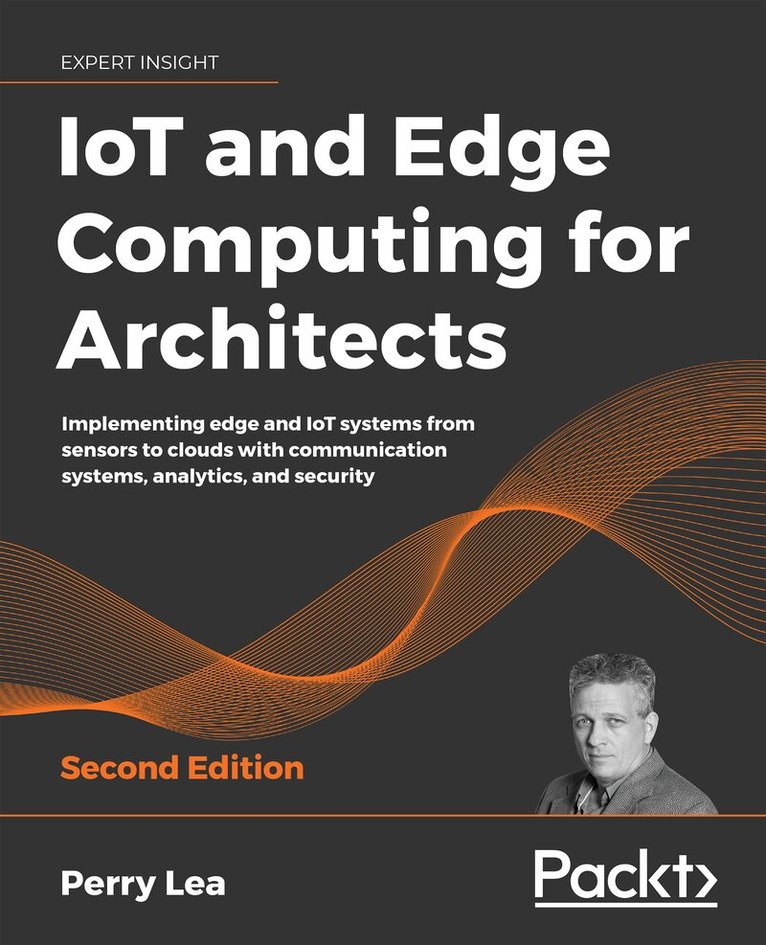
IoT and Edge Computing for Architects
Implementing edge and IoT systems from sensors to clouds with communication systems, analytics, and security
Häftad, Engelska, 2020
781 kr
Skickas inom 5-8 vardagar
Create scalable IoT and edge computing solutions with practical architectural strategies, robust communication protocols, and integrated analytics support for informed decision-makingKey FeaturesBuild robust IoT and edge computing systems using real-world architectural strategiesExplore a comprehensive range of technologies—from sensors and RF to cloud infrastructure and analyticsGain the insights needed to make informed technical decisions across communication protocols, security, and system designBook DescriptionIndustries are embracing IoT technologies to improve operational expenses, product life, and people's well-being. An architectural guide is needed if you want to traverse the spectrum of technologies needed to build a successful IoT system, whether that's a single device or millions of IoT devices.IoT and Edge Computing for Architects, 2E encompasses the entire spectrum of IoT solutions, from IoT sensors to the cloud. It examines modern sensor systems, focusing on their power and functionality. It also looks at communication theory, paying close attention to near-range PAN, including the new Bluetooth® 5.0 specification and mesh networks. Then, the book explores IP-based communication in LAN and WAN, including 802.11ah, 5G LTE cellular, Sigfox, and LoRaWAN. It also explains edge computing, routing and gateways, and their role in fog computing, as well as the messaging protocols of MQTT 5.0 and CoAP.With the data now in internet form, you'll get an understanding of cloud and fog architectures, including the OpenFog standards. The book wraps up the analytics portion with the application of statistical analysis, complex event processing, and deep learning models. The book then concludes by providing a holistic view of IoT security, cryptography, and shell security in addition to software-defined perimeters and blockchains.What you will learnUnderstand the role and scope of architecting a successful IoT deploymentScan the landscape of IoT technologies, from sensors to the cloud and moreSee the trade-offs in choices of protocols and communications in IoT deploymentsBecome familiar with the terminology needed to work in the IoT spaceBroaden your skills in the multiple engineering domains necessary for the IoT architectImplement best practices to ensure reliability, scalability, and security in your IoT infrastructureWho this book is forThis book is for architects, system designers, technologists, and technology managers who want to understand the IoT ecosphere, technologies, and trade-offs, and develop a 50,000-foot view of IoT architecture. An understanding of the architectural side of IoT is necessary.