Peter Brunette - Böcker
Visar alla böcker från författaren Peter Brunette. Handla med fri frakt och snabb leverans.
10 produkter
10 produkter
1 274 kr
Skickas inom 11-20 vardagar
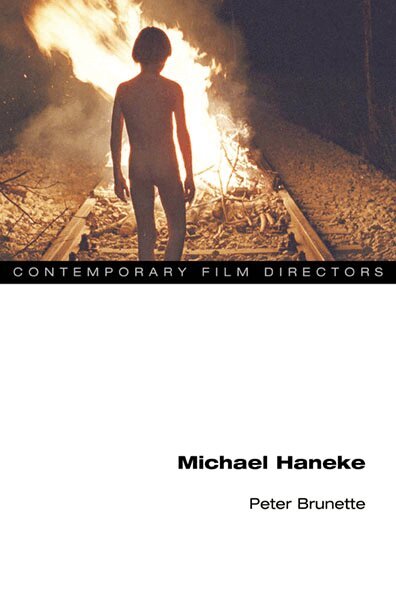
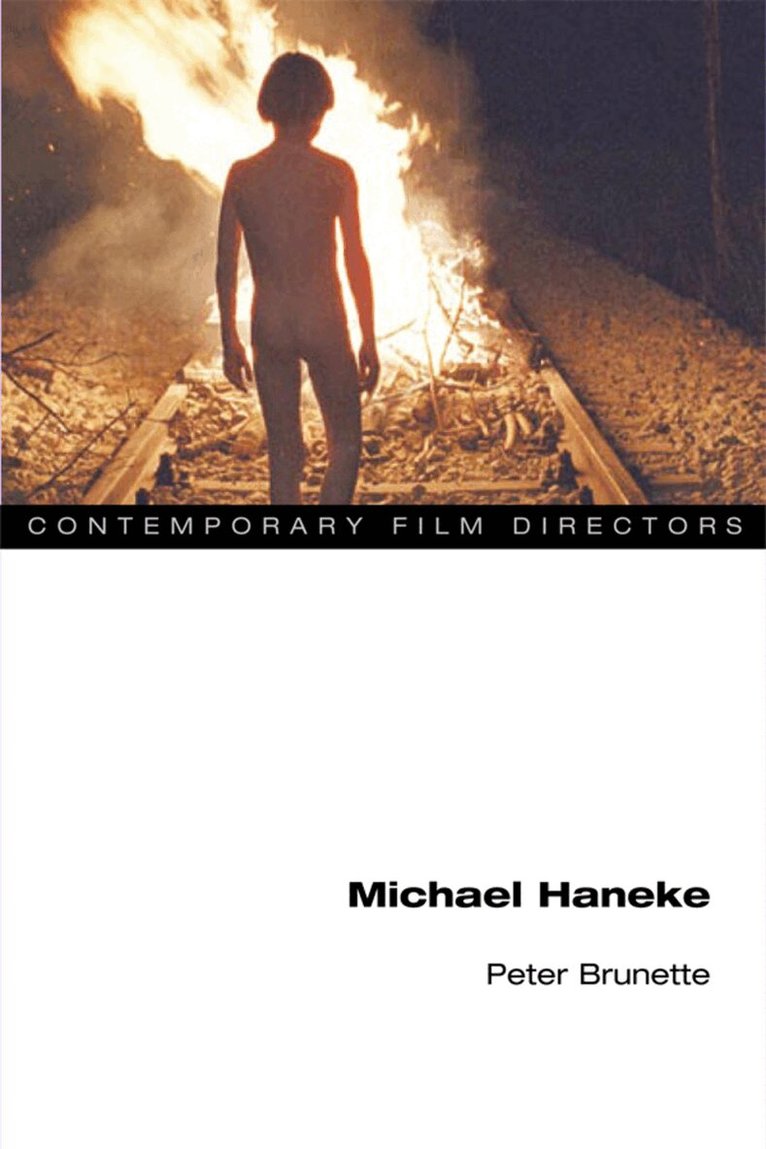
In this book, Peter Brunette analyzes the theatrical releases of Austrian film director Michael Haneke, including The White Ribbon, winner of the 2009 Palme d'Or at the Cannes Film Festival. Perhaps best known to U.S. audiences for CachÉ, The Piano Teacher, and his remake of his own disturbing Funny Games, Haneke has consistently challenged critics and film viewers to consider their own responsibility for what they watch when they seek to be ""merely"" entertained by such studio-produced Hollywood thrillers. Brunette highlights Haneke's brilliant use of uncompromising visual and aural techniques to express complex themes. His most recent films contain what has become his hallmark: a moment of violence or shock that is not intended to be exploitative, but that nevertheless goes beyond the conventional boundaries of most art cinema. Lauded for graphically revealing the powerful influence of contemporary media on social behavior, his films offer a chilling critique of contemporary consumer society. Brunette discusses Haneke's major releases in English, French, and German, including the film that first brought him to international attention, Benny's Video. The first full-length study of Haneke's work in any language, this book also includes an interview with the director that explores his motivations and methods.
227 kr
Skickas
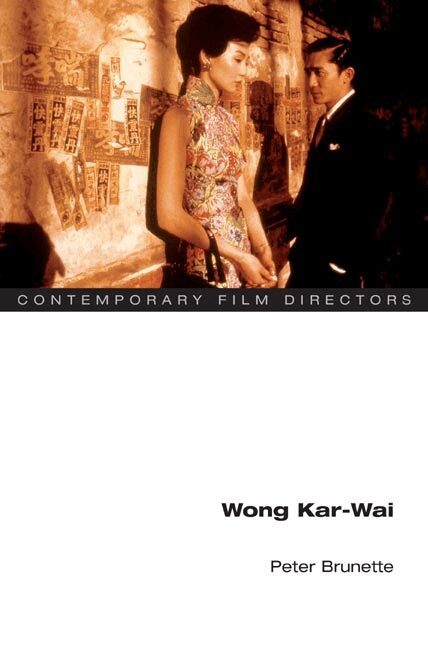
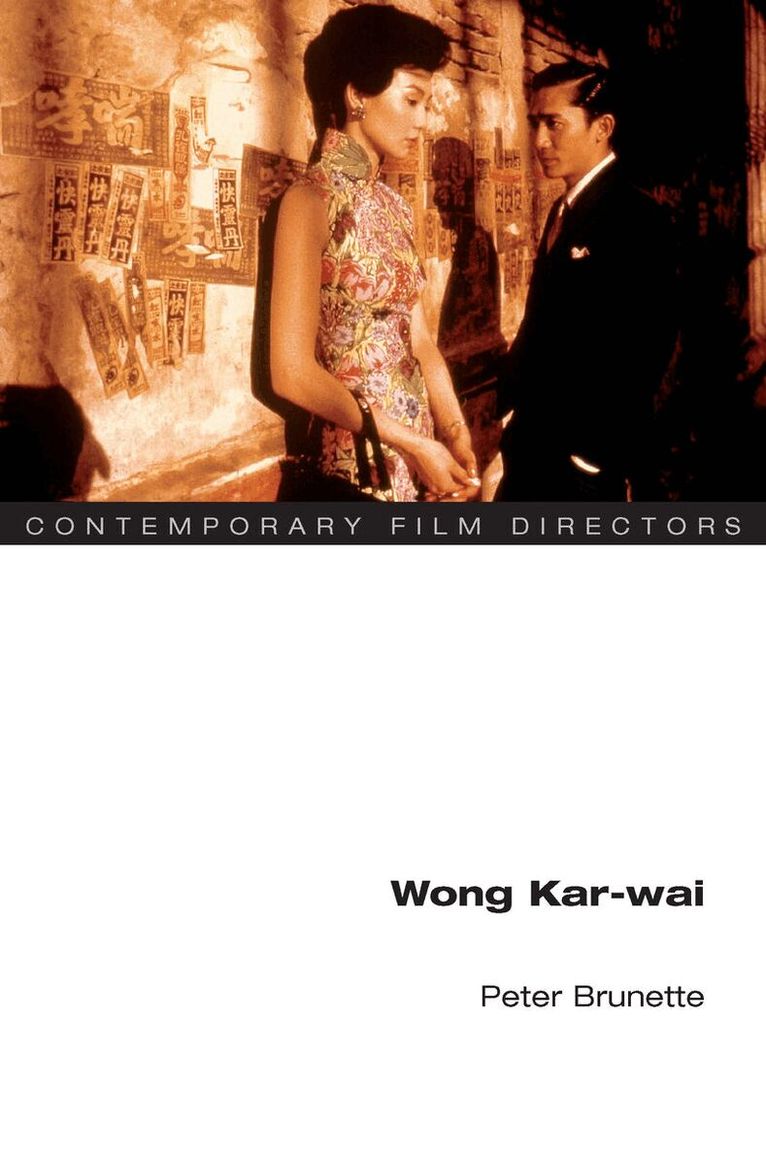
Called the leading heir to the great directors of post-WWII Europe and lavished with awards, Wong Kar-wai has redefined perceptions of Hong Kong's film industry. Wong's visual brilliance and emphasis on atmosphere over action have set him apart from peers while earning him an admiring international audience. In the Mood for Love regularly appears on lists of the twenty-first century's greatest films while critics and filmgoers recognize works like Chungking Express and Happy Together as modern classics. Peter Brunette describes the ways in which Wong's supremely haunting visual films create a new form of cinema by telling a story with stunning, suggestive visual images and audio tracks rather than character, dialogue, and plot. As he shows, Wong's early background in genre film offers fascinating insights on his more studied later works. He also delves into Wong's perennial themes of time, love, and loss and examines the political implications of his films, especially concerning the handover of former British colony Hong Kong to the People's Republic of China.
245 kr
Skickas inom 7-10 vardagar
In this book, Peter Brunette analyzes the theatrical releases of Austrian film director Michael Haneke, including The White Ribbon, winner of the 2009 Palme d'Or at the Cannes Film Festival. Perhaps best known to U.S. audiences for CachÉ, The Piano Teacher, and his remake of his own disturbing Funny Games, Haneke has consistently challenged critics and film viewers to consider their own responsibility for what they watch when they seek to be ""merely"" entertained by such studio-produced Hollywood thrillers. Brunette highlights Haneke's brilliant use of uncompromising visual and aural techniques to express complex themes. His most recent films contain what has become his hallmark: a moment of violence or shock that is not intended to be exploitative, but that nevertheless goes beyond the conventional boundaries of most art cinema. Lauded for graphically revealing the powerful influence of contemporary media on social behavior, his films offer a chilling critique of contemporary consumer society. Brunette discusses Haneke's major releases in English, French, and German, including the film that first brought him to international attention, Benny's Video. The first full-length study of Haneke's work in any language, this book also includes an interview with the director that explores his motivations and methods.
861 kr
Skickas inom 3-6 vardagar
This is the first full-length study in any language of the most significant film director of Italian Neorealism. Peter Brunette combines close analyses of Roberto Rossellini's formal and narrative style with a thorough account of his position in the political and cultural landscape of postwar Italy. More than forty films are explored, including Open City, Paisan, Voyage to Italy, The Rise to Power of Louis XIV, and films made in the director's later years that documented crucial epochs in human history. Brunette's book is based on eight years of research, during which he interviewed members of the director's family as well as Rossellini himself. Brunette also draws on an enormous body of European and American criticism and discusses the various intellectual debates spawned by the director's work. This landmark study is both a comprehensive introduction to one of the most influential practitioners of the contemporary cinema and a boldly original discussion of Italian Neorealism. This title is part of UC Press's Voices Revived program, which commemorates University of California Press's mission to seek out and cultivate the brightest minds and give them voice, reach, and impact. Drawing on a backlist dating to 1893, Voices Revived makes high-quality, peer-reviewed scholarship accessible once again using print-on-demand technology. This title was originally published in 1996.
801 kr
Skickas inom 7-10 vardagar
This is the first full-length study in any language of the most significant film director of Italian Neorealism. Peter Brunette combines close analyses of Roberto Rossellini's formal and narrative style with a thorough account of his position in the political and cultural landscape of postwar Italy. More than forty films are explored, including Open City, Paisan, Voyage to Italy, The Rise to Power of Louis XIV, and films made in the director's later years that documented crucial epochs in human history. Brunette's book is based on eight years of research, during which he interviewed members of the director's family as well as Rossellini himself. Brunette also draws on an enormous body of European and American criticism and discusses the various intellectual debates spawned by the director's work. This landmark study is both a comprehensive introduction to one of the most influential practitioners of the contemporary cinema and a boldly original discussion of Italian Neorealism. This title is part of UC Press's Voices Revived program, which commemorates University of California Press's mission to seek out and cultivate the brightest minds and give them voice, reach, and impact. Drawing on a backlist dating to 1893, Voices Revived makes high-quality, peer-reviewed scholarship accessible once again using print-on-demand technology. This title was originally published in 1996.
288 kr
Skickas inom 7-10 vardagar
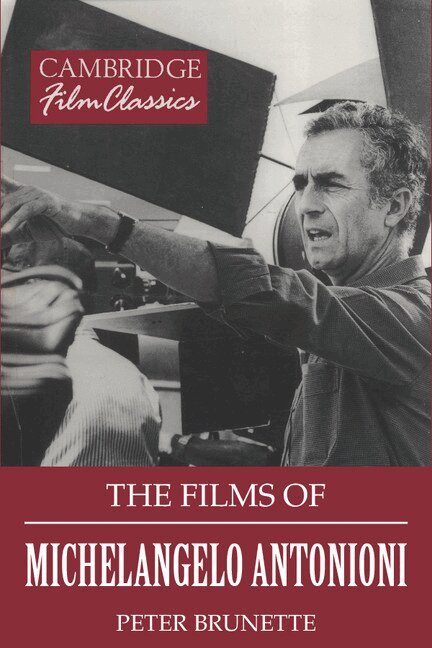
The Films of Michelangelo Antonioni provides an overview of the Italian director's life and work, and examines six of his most important and intellectually challenging films. L'avventura, La notte, and L'eclisse, released in the early 1960s, form the trilogy that first brought the director to international attention. Red Desert was his first film in colour. Blow-up, shot in English and set in swinging London, became one of the best-known (and most notorious) films of its era. The Passenger, starring Jack Nicholson, is the greatest work of his maturity. Rather than emphasizing the stress and alienation of Antonioni's characters, in this book Peter Brunette places the films in the context of the director's ongoing social and political analysis of the Italy of the great postwar economic boom, and demonstrates also how they are formal exercises that depend on painterly abstraction for their expressive effects.
350 kr
Skickas inom 7-10 vardagar
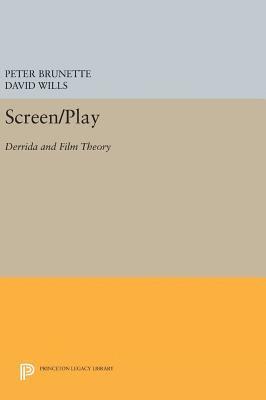
Peter Brunette and David Wills extend the work of Jacques Derrida into a new realm--with rewarding consequences. Although Derrida has never addressed film theory directly in his writings, Brunette and Wills argue that the ideas he has developed in his critique of the logocentric foundations of Western thought, especially his notion of "Writing," can be usefully applied to film theory and analysis. They maintain that such an application might even begin to shift film from its traditional position within the visual arts to a new place in the media and information sciences. This book also supplies a fascinating introduction to Derrida for the general reader. The authors begin by explaining, in political terms, why film theorists have neglected Derrida's work. Next they offer a Derridean critique of the assumptions of contemporary film studies.Then, drawing on his recently translated The Truth in Painting as well as on other, relatively unknown texts such as Droit de regards, they discuss his ideas in relation to the cinema and present two film analyses--of Truffaut's The Bride Wore Black and of Lynch's Blue Velvet--that attempt to demonstrate the notion of an "anagrammatical," radical reading practice. Finally, they focus on Derrida's neglected book, The Post Card, and situate cinema in terms of a new definition of the technological. Originally published in 1989. The Princeton Legacy Library uses the latest print-on-demand technology to again make available previously out-of-print books from the distinguished backlist of Princeton University Press. These editions preserve the original texts of these important books while presenting them in durable paperback and hardcover editions. The goal of the Princeton Legacy Library is to vastly increase access to the rich scholarly heritage found in the thousands of books published by Princeton University Press since its founding in 1905.
1 545 kr
Skickas inom 3-6 vardagar
Peter Brunette and David Wills extend the work of Jacques Derrida into a new realm--with rewarding consequences. Although Derrida has never addressed film theory directly in his writings, Brunette and Wills argue that the ideas he has developed in his critique of the logocentric foundations of Western thought, especially his notion of "Writing," can be usefully applied to film theory and analysis. They maintain that such an application might even begin to shift film from its traditional position within the visual arts to a new place in the media and information sciences. This book also supplies a fascinating introduction to Derrida for the general reader. The authors begin by explaining, in political terms, why film theorists have neglected Derrida's work. Next they offer a Derridean critique of the assumptions of contemporary film studies.Then, drawing on his recently translated The Truth in Painting as well as on other, relatively unknown texts such as Droit de regards, they discuss his ideas in relation to the cinema and present two film analyses--of Truffaut's The Bride Wore Black and of Lynch's Blue Velvet--that attempt to demonstrate the notion of an "anagrammatical," radical reading practice. Finally, they focus on Derrida's neglected book, The Post Card, and situate cinema in terms of a new definition of the technological. Originally published in 1989. The Princeton Legacy Library uses the latest print-on-demand technology to again make available previously out-of-print books from the distinguished backlist of Princeton University Press. These editions preserve the original texts of these important books while presenting them in durable paperback and hardcover editions. The goal of the Princeton Legacy Library is to vastly increase access to the rich scholarly heritage found in the thousands of books published by Princeton University Press since its founding in 1905.
410 kr
Skickas inom 5-8 vardagar
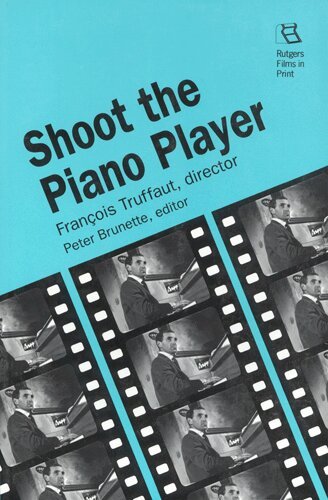
When it appeared in 1960, the inspired fun of FranÇois Truffaut's Shoot the Piano Player shocked and delighted critics and audiences around the world. Its sudden shifts of tone and mood, its willful play with genre stereotypes, and its hilarious in-jokes clearly signaled that Jean-Luc Godard's equally innovative Breathless was not a fluke. The two films heralded the arrival of the so-called New Wave, sharing with other New Wave films an insistence on low-budget, location shooting and, above all, on cinema as the personal statement of an author. These films had a tremendous impact on all filmmaking. Peter Brunette's introduction to this book gives us new insight into the film, based in part on revisualizing it in terms of recent postmodern and poststructuralist thinking. He argues, in effect, that Truffaut was one of the directors who paved the way for a postmodern aesthetic. The volume also contains a complete and accurate continuity script of the film (based on the authoritative, wide-screen version), a series of interviews with Truffaut (including one by HÉlÈne Laroche Davis, previously unpublished), a large number of reviews and essays, a filmography, and selected bibliography.
356 kr
Skickas inom 7-10 vardagar
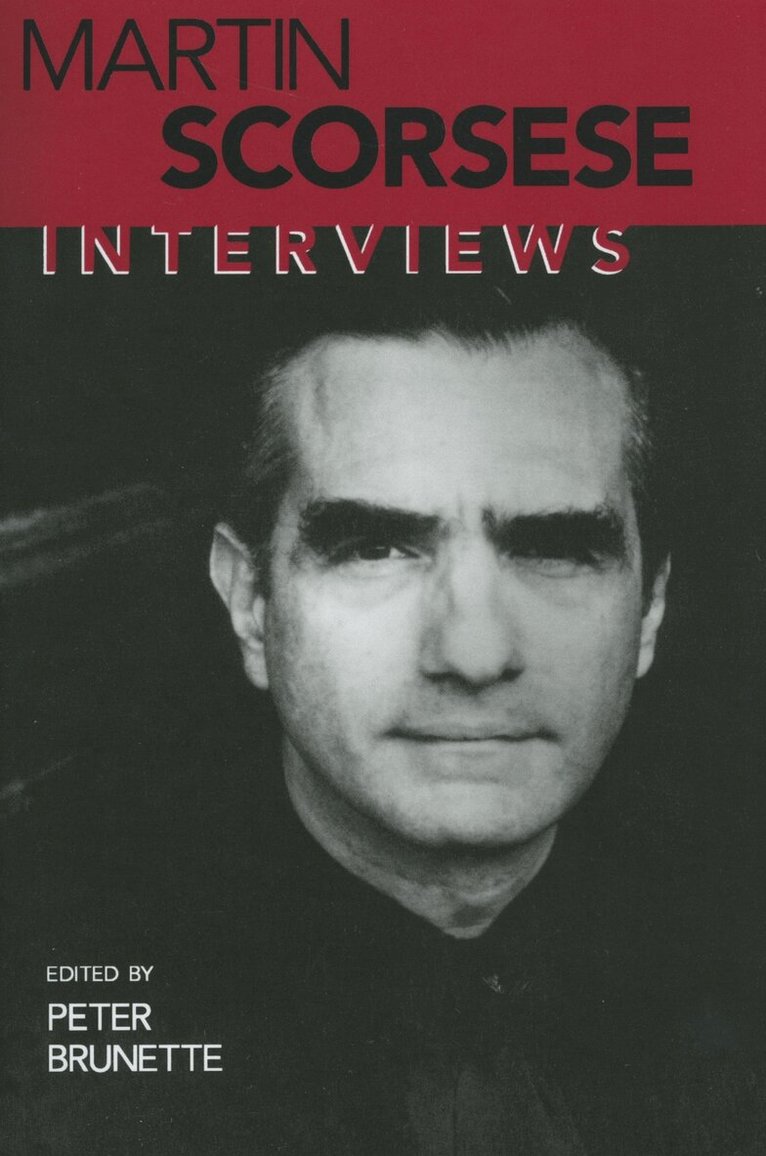
From the moment he captured the film world's attention with Mean Streets (1973), a portrait of life at the fringes of the Mob, it was clear that a dazzling cinematic talent had arrived on the scene. With Robert DeNiro, one of the most talented young actors from this film, Scorsese went on to make some of the greatest American films of the postwar period, including Taxi Driver (1976), Raging Bull (1980), and Goodfellas (1990). A Scorsese film seldom fails to stir controversy, for his devotion to realism has led him to forthrightly depict violence and its frightening randomness in the modern world. His biblical film also created quite a stir. This adaptation of Kazantzakis's The Last Temptation of Christ generated outrage among conservative religious leaders. Scorsese, however, has not limited himself to contemporary, violent urban dramas or new interpretations of biblical subjects. Other widely heralded Scorsese films include Alice Doesn't Live Here Anymore (1974), New York, New York (1977), The Last Waltz (1978), The King of Comedy (1983), After Hours (1985), The Color of Money (1986), Cape Fear (1991), The Age of Innocence (1993), Casino (1995), and Kundun (1998). These interviews begin with conversations about the highly autobiographical Mean Streets (1973), which first brought Scorsese serious attention, and end with conversations about Kundun, an overtly political biography of the Dalai Lama of Tibet, released in early 1998. ""I look for a thematic idea running through my movies, he says, and I see that it's the outsider struggling for recognition. I realize that all my life I've been an outsider, and above all, being lonely but never realizing it."" Peter Brunette , a professor of English and film studies at George Mason University, is the author of Roberto Rossellini and (forthcoming) The Films of Michelangelo Antonioni. With David Wills he co-authored Screen/Play: Derrida and Film Theory.