Peter C. Whybrow - Böcker
Visar alla böcker från författaren Peter C. Whybrow. Handla med fri frakt och snabb leverans.
3 produkter
3 produkter
208 kr
Skickas inom 5-8 vardagar
299 kr
Skickas inom 5-8 vardagar
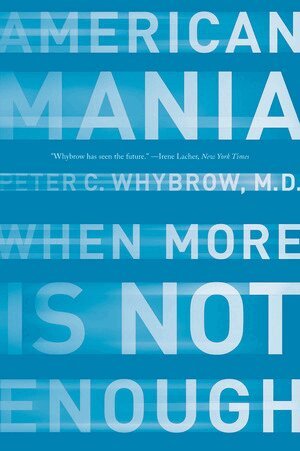
Despite an astonishing appetite for life, more and more Americans are feeling overworked and dissatisfied. In the world's most affluent nation, epidemic rates of stress, anxiety, depression, obesity, and time urgency are now grudgingly accepted as part of everyday existence they signal the American Dream gone awry.Peter C. Whybrow, director of the Neuropsychiatric Institute at UCLA, grounds the extraordinary achievements and excessive consumption of the American nation in an understanding of the biology of the brain's reward system offering for the first time a comprehensive and physical explanation for the addictive mania of consumerism.American Mania presents a clear and novel vantage point from which to understand the most pressing social issues of our time, while offering an informed approach to refocusing our pursuit of happiness. Drawing upon rich scientific case studies and colorful portraits, "this fascinating and important book will change the way you think about American life" (Karen Olson, Utne Reader).
552 kr
Skickas inom 10-15 vardagar
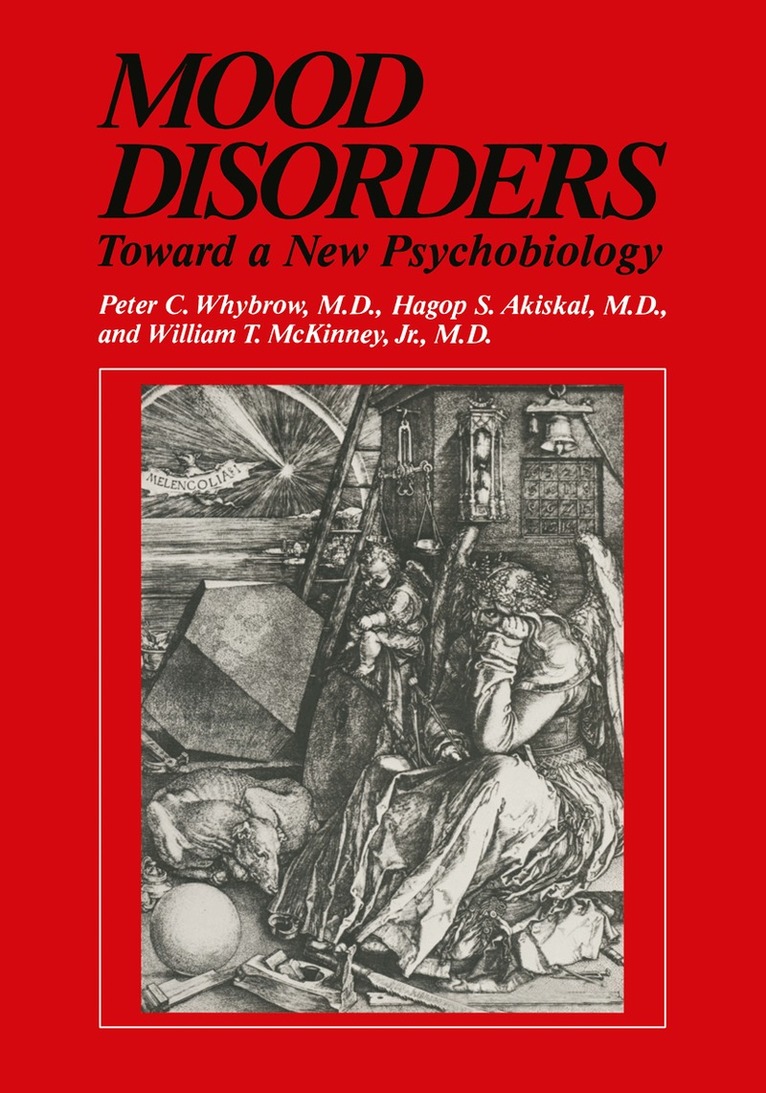
In this book we present a conceptually integrated approach to disorders of mood. These disorders are defined narrowly as the clinical syndromes of mania and melancholia. The latter is our particular focus, for the simple reason that it is more common and thus more is known about it. Our approach owes much to Adolf Meyer, who first used the term psychobiology. It was he who emphasized in a practical way the importance of the clinician consider ing the joint contribution of psychosocial and biological factors in the genesis of mental disorders. However, until the 1960s, our relative ignorance of basic mechanisms that link brain and behavior prevented the development of a genuine psychobiological perspective. Thus Meyer's work was concerned largely with teaching the importance of the personal biography and a consideration of social history in the development of mental disorder. We feel that sufficiently rigorous data have now emerged in psychia try to permit tentative but real psychobiological integration. Affective illness is proba bly the most promising area for an attempt at such a synthesis. It is our belief that the theory and clinical practice of psychiatry now can be woven into a coherent theme, integrating insights and evidence generated by the psychodynamic, biological, and behavioral methods; hence in part we review the emerging psychobiology of mood disorders with the hope that it can serve as a generic paradigm for other psychiatric syndromes.