
Peter Cornish – författare
Visar alla böcker från författaren Peter Cornish. Handla med fri frakt och snabb leverans.
5 produkter
5 produkter
775 kr
Skickas
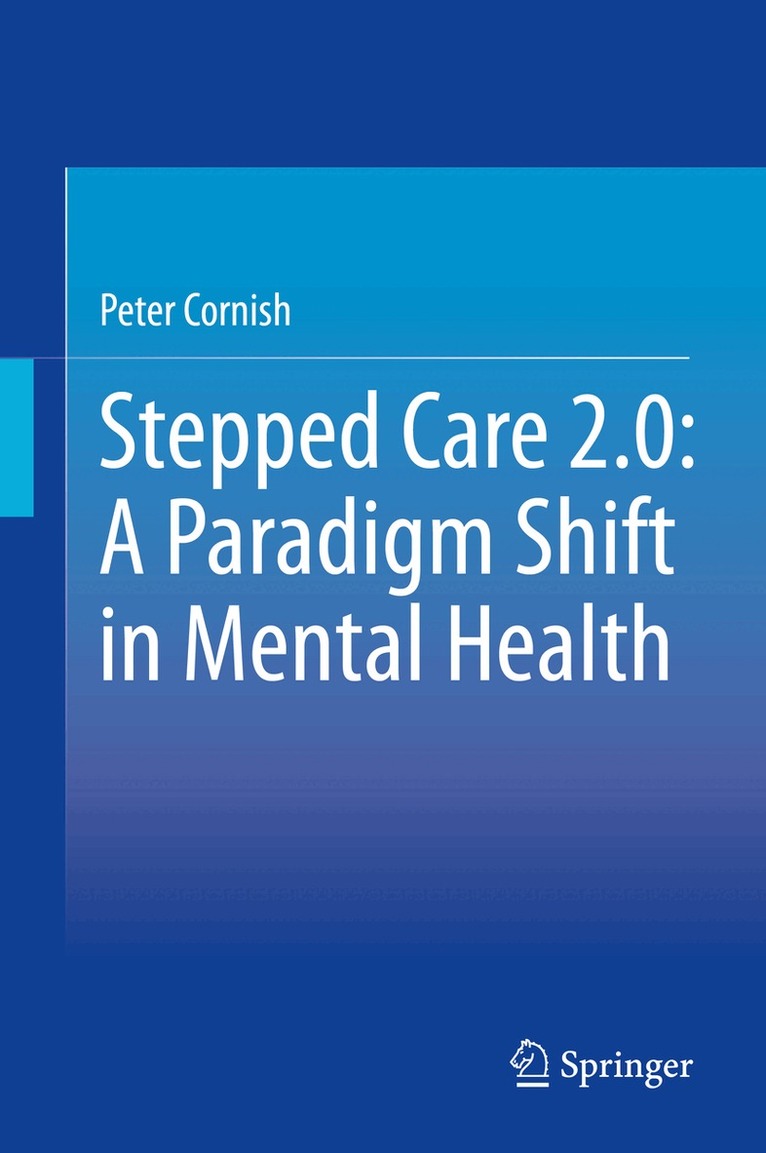
This book is a primer on Stepped Care 2.0. It is the first book in a series of three. This primer addresses the increased demand for mental health care by supporting stakeholders (help-seekers, providers, and policy-makers) to collaborate in enhancing care outcomes through work that is both more meaningful and sustainable.Our current mental health system is organized to offer highly intensive psychiatric and psychological care. While undoubtedly effective, demand far exceeds the supply for such specialized programming. Many people seeking to improve their mental health do not need psychiatric medication or sophisticated psychotherapy. A typical help seeker needs basic support. For knee pain, a nurse or physician might first recommend icing and resting the knee, working to achieve a healthy weight, and introducing low impact exercise before considering specialist care. Unfortunately, there is no parallel continuum of care for mental health and wellness. Asa result, a person seeking the most basic support must line up and wait for the specialist along with those who may have very severe and/or complex needs. Why are there no lower intensity options? One reason is fear and stigma. A thorough assessment by a specialist is considered best practice. After all, what if we miss signs of suicide or potential harm to others? A reasonable question on the surface; however, the premise is flawed. First, the risk of suicide, or threat to others, for those already seeking care, is low. Second, our technical capacity to predict on these threats is virtually nil. Finally, assessment in our current culture of fear tends to focus more on the identification of deficits (as opposed to functional capacities), leading to over-prescription of expensive remedies and lost opportunities for autonomy and self-management. Despite little evidence linking assessment to treatment outcomes, and no evidence supporting our capacity to detect risk for harm, we persist with lengthy intake assessments and automatic specialist referrals that delay care. Before providers and policy makers can feel comfortable letting go of risk assessment, however, they need to understand the forces underlying the risk paradigm that dominates our society and restricts creative solutions for supporting those in need.
659 kr
Skickas inom 10-15 vardagar
This book is a primer on Stepped Care 2.0. It is the first book in a series of three. This primer addresses the increased demand for mental health care by supporting stakeholders (help-seekers, providers, and policy-makers) to collaborate in enhancing care outcomes through work that is both more meaningful and sustainable.Our current mental health system is organized to offer highly intensive psychiatric and psychological care. While undoubtedly effective, demand far exceeds the supply for such specialized programming. Many people seeking to improve their mental health do not need psychiatric medication or sophisticated psychotherapy. A typical help seeker needs basic support. For knee pain, a nurse or physician might first recommend icing and resting the knee, working to achieve a healthy weight, and introducing low impact exercise before considering specialist care. Unfortunately, there is no parallel continuum of care for mental health and wellness. Asa result, a person seeking the most basic support must line up and wait for the specialist along with those who may have very severe and/or complex needs. Why are there no lower intensity options? One reason is fear and stigma. A thorough assessment by a specialist is considered best practice. After all, what if we miss signs of suicide or potential harm to others? A reasonable question on the surface; however, the premise is flawed. First, the risk of suicide, or threat to others, for those already seeking care, is low. Second, our technical capacity to predict on these threats is virtually nil. Finally, assessment in our current culture of fear tends to focus more on the identification of deficits (as opposed to functional capacities), leading to over-prescription of expensive remedies and lost opportunities for autonomy and self-management. Despite little evidence linking assessment to treatment outcomes, and no evidence supporting our capacity to detect risk for harm, we persist with lengthy intake assessments and automatic specialist referrals that delay care. Before providers and policy makers can feel comfortable letting go of risk assessment, however, they need to understand the forces underlying the risk paradigm that dominates our society and restricts creative solutions for supporting those in need.
1 094 kr
Skickas inom 10-15 vardagar
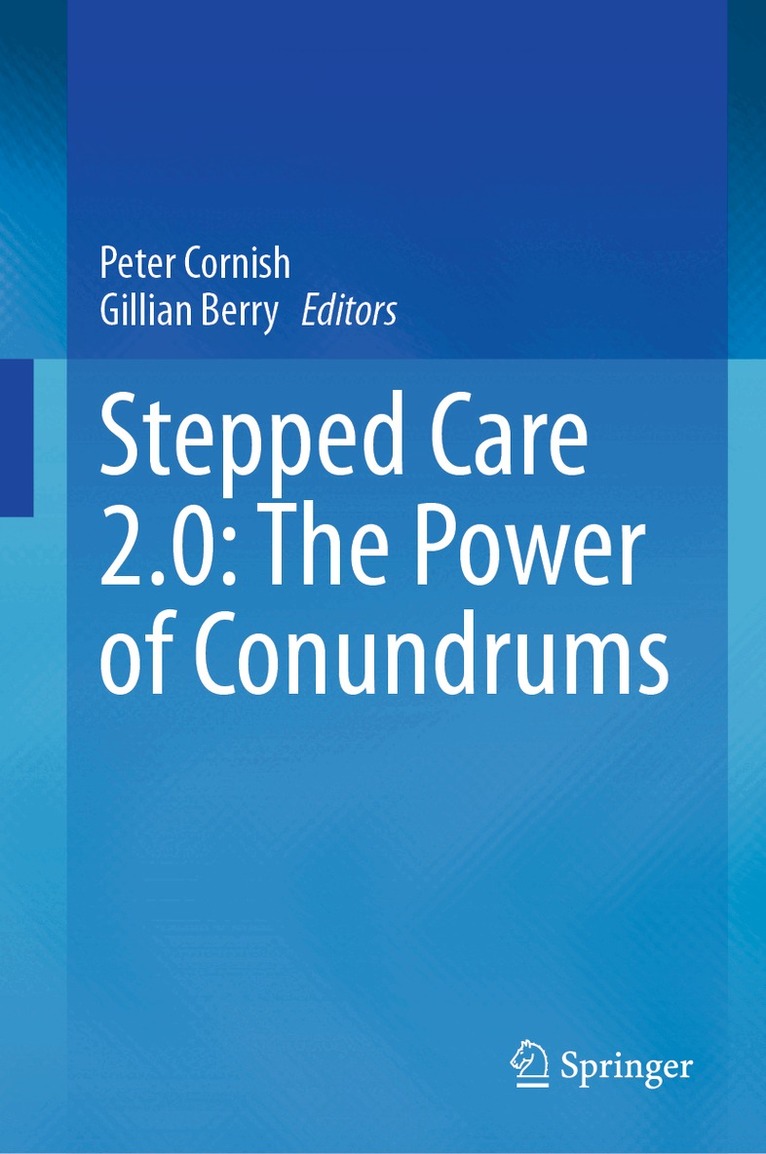
Stepped Care 2.0: A Paradigm Shift in Mental Health, by Dr Peter Cornish, made a compelling argument for why the existing mental health care system has consistently struggled to meet the needs of clients from all walks of life, and laid out key principles and guidelines for how the system could be changed. But what challenges are involved in putting these ideas into practice? Stepped Care 2.0: The Power of Conundrums features essays, interviews, and arguments from a wide range of contributors who have tried to do just that. The Power of Conundrums dives deep into the practical application of the Stepped Care 2.0 model (SC2.0), looking at the ways SC2.0 has succeeded, the difficulties administrators face when implementing it, and how it could be improved. Chapters touch on topics including: the evidence for stepped care, the way SC2.0 can be stymied by the Western cultural values that dominate mental healthcare, implementation science and SC2.0, the riskparadigm and SC2.0, the model’s one-at-a-time approach to therapy, what co-design means in an SC2.0 context, a case study on how implementing SC2.0 can go wrong, the understanding of recovery put forward by the model, and how SC2.0 can work for clients experiencing complex, persistent, or chronic mental health issues. Each chapter is followed by a reflection from Cornish, and the book concludes with a roundtable discussion about how SC2.0 can evolve to meet the challenges it faces. This text brings theory and practice together by including an updated version of Stepped Care 2.0: A Paradigm Shift in Mental Health, as well as the full text of Stepped Care 2.0: The Power of Conundrums.
768 kr
Skickas inom 10-15 vardagar
Stepped Care 2.0: A Paradigm Shift in Mental Health, by Dr Peter Cornish, made a compelling argument for why the existing mental health care system has consistently struggled to meet the needs of clients from all walks of life, and laid out key principles and guidelines for how the system could be changed. But what challenges are involved in putting these ideas into practice? Stepped Care 2.0: The Power of Conundrums features essays, interviews, and arguments from a wide range of contributors who have tried to do just that. The Power of Conundrums dives deep into the practical application of the Stepped Care 2.0 model (SC2.0), looking at the ways SC2.0 has succeeded, the difficulties administrators face when implementing it, and how it could be improved. Chapters touch on topics including: the evidence for stepped care, the way SC2.0 can be stymied by the Western cultural values that dominate mental healthcare, implementation science and SC2.0, the riskparadigm and SC2.0, the model’s one-at-a-time approach to therapy, what co-design means in an SC2.0 context, a case study on how implementing SC2.0 can go wrong, the understanding of recovery put forward by the model, and how SC2.0 can work for clients experiencing complex, persistent, or chronic mental health issues. Each chapter is followed by a reflection from Cornish, and the book concludes with a roundtable discussion about how SC2.0 can evolve to meet the challenges it faces. This text brings theory and practice together by including an updated version of Stepped Care 2.0: A Paradigm Shift in Mental Health, as well as the full text of Stepped Care 2.0: The Power of Conundrums.
1 202 kr
Skickas inom 10-15 vardagar
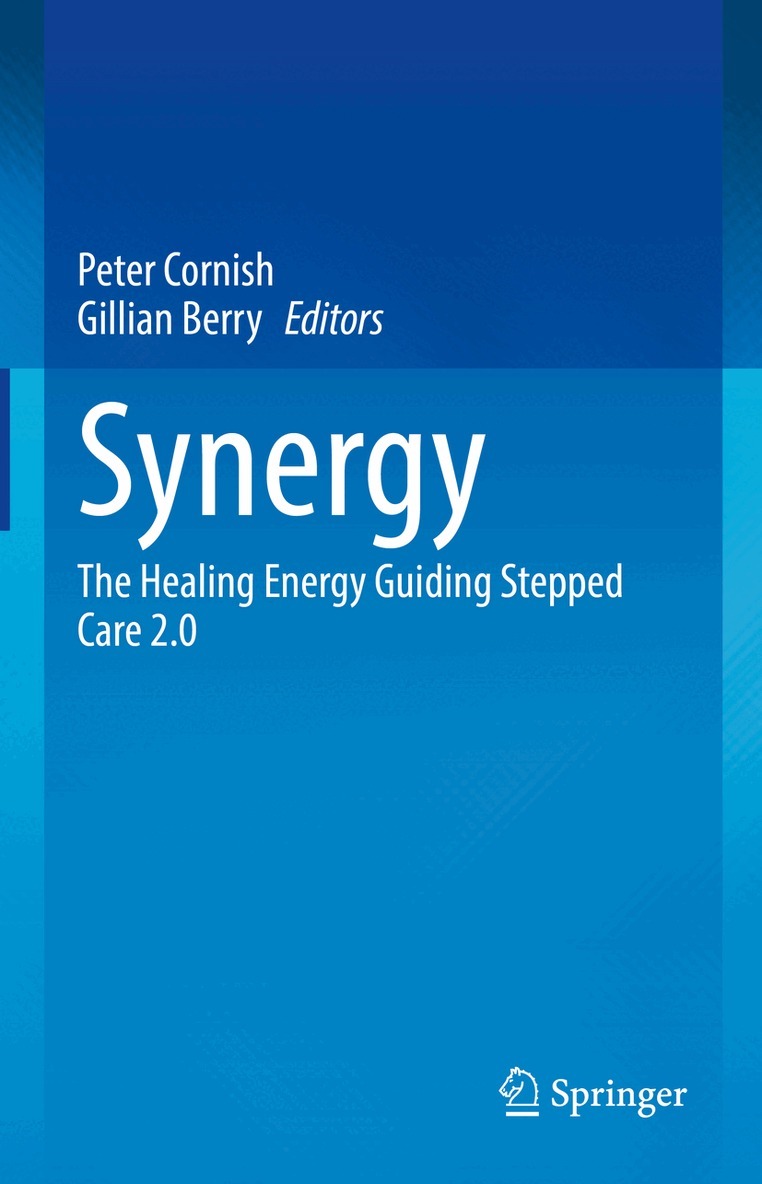
Building on the previous volumes in this series, Stepped Care 2.0: A Paradigm Shift in Mental Health Care, and, Stepped Care 2.0: The Power of Conundrums, this third book consists of a series of essays on synergy, the philosophical idea undergirding SC2.0.