Peter Crawford – författare
Visar alla böcker från författaren Peter Crawford. Handla med fri frakt och snabb leverans.
13 produkter
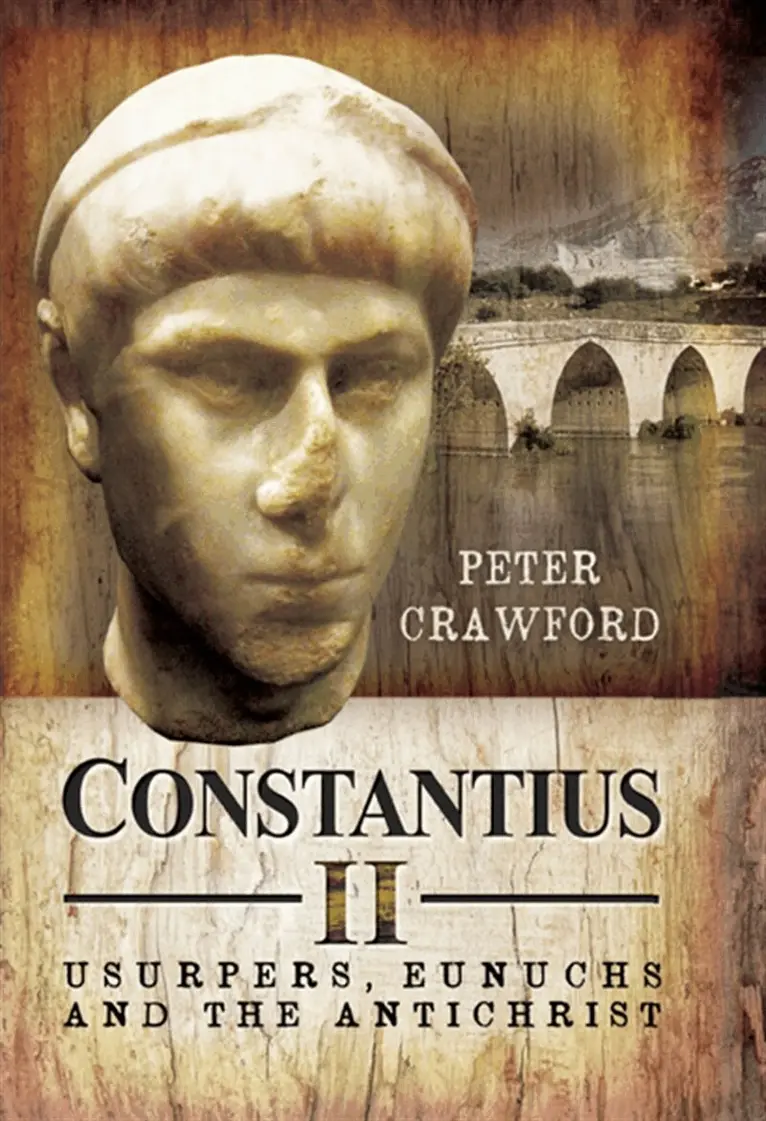
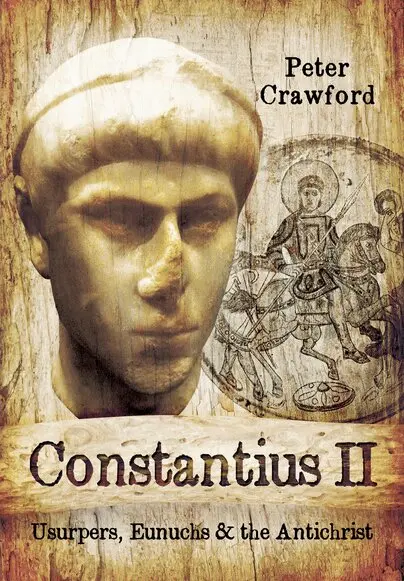
Constantius II
Usurpers, Eunuchs and the Antichrist
E-bok, 2021
126 kr
Lägg i varukorg
The reign of Constantius II has been overshadowed by that of his titanic father, Constantine the Great, and his cousin and successor, the pagan Julian. However, as Peter Crawford shows, Constantius deserves to be remembered as a very capable ruler in dangerous, tumultuous times. When Constantine I …
Film as Ethnography
Av Peter Crawford, David Turton
Häftad, 1992
371 kr
Lägg i varukorg
This work examines the reasons why anthropologists have not used the camera as a research instrument or film as a means of communicating ethnographic knowledge. It suggests that images and words in this discipline operate on different logical levels; that they are hierarchically related; that …
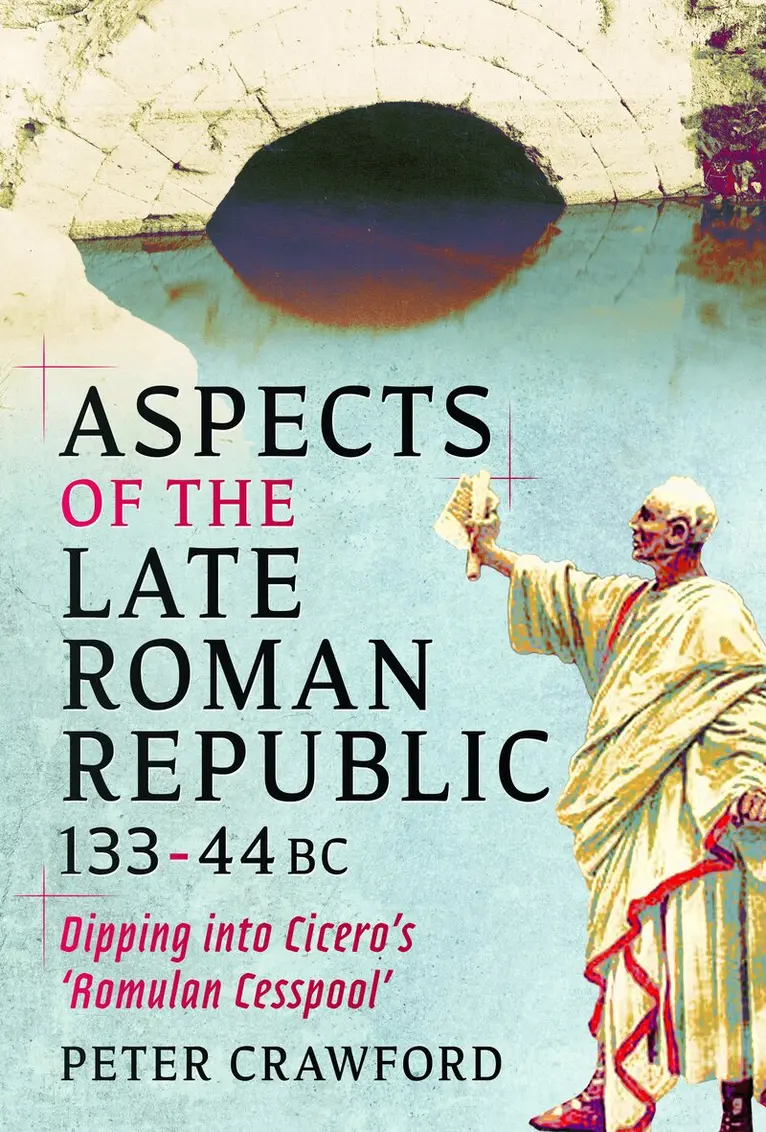
Aspects of the Late Roman Republic, 133-44BC
Dipping into Cicero's 'Romulan Cesspool'
Inbunden, 2026
334 kr
Lägg i varukorg
The period 133-44BC, bookended by the murders of Tiberius Gracchus and Julius Caesar, was one of profound political change in the Roman world. Aspects of the Late Roman Republic, 133-44BC: Dipping into Cicero’s ‘Romulan Cesspool’ collects a series of 58 essays on various events and people of that …
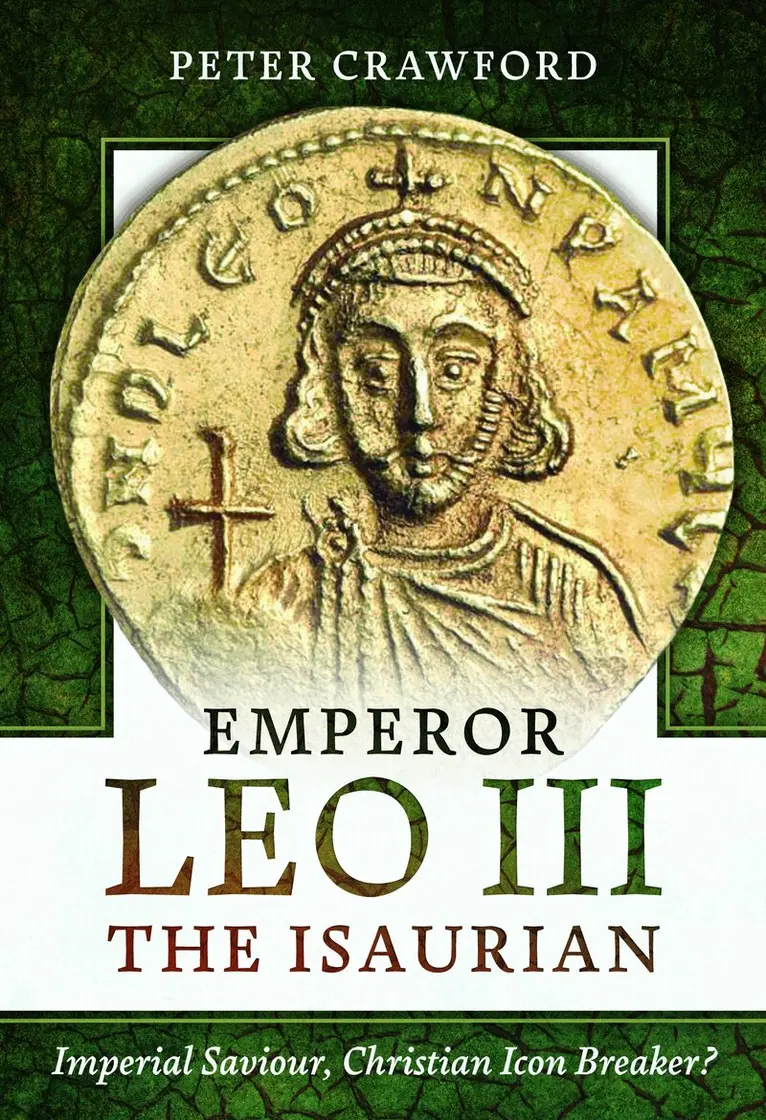
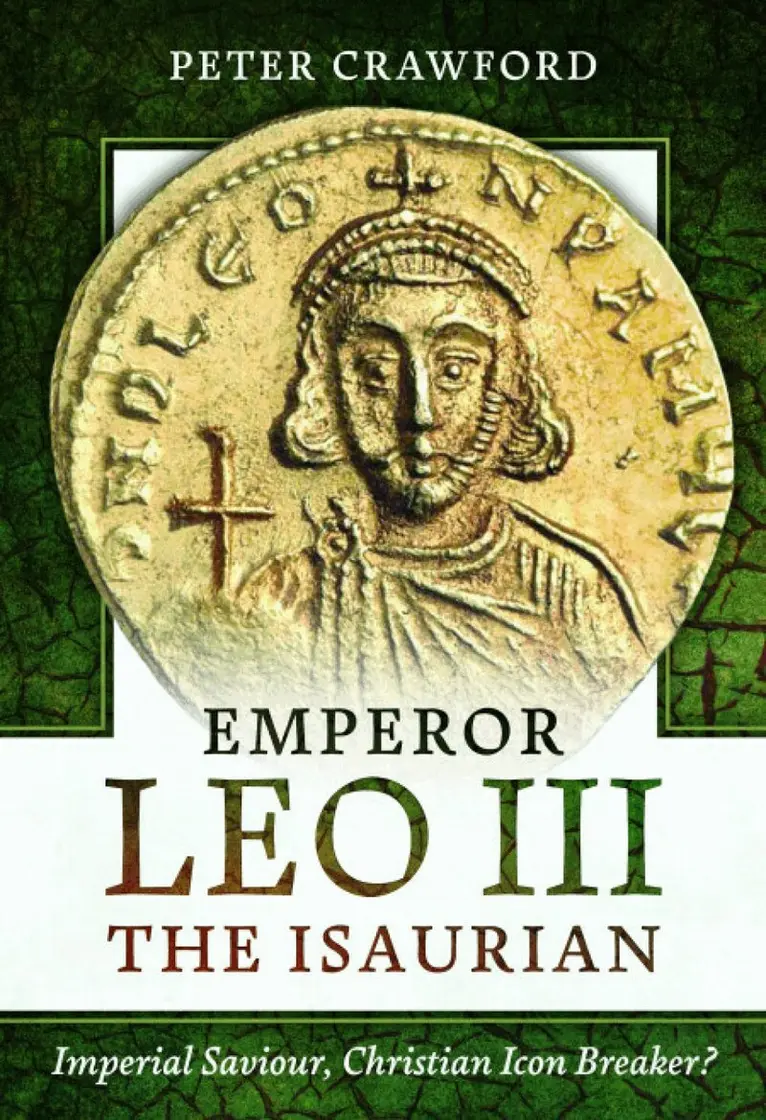
Emperor Leo III the Isaurian
Imperial Saviour, Christian Icon Breaker?
Inbunden, 2024
313 kr
Lägg i varukorg
The Roman Empire (long since ruled from Constantinople) was in a perilous and tumultuous position in the early eighth century. Surrounded by expansionist enemies, most notably the Muslim Arab Umayyad Caliphate but also the Khazars, Slavs, Avars, Bulgars and Lombards, it was also riven by religious …
Emperor Leo III the Isaurian
Imperial Saviour, Christian Icon Breaker?
Häftad, 2026
176 kr
Kommande
The Roman Empire (long since ruled from Constantinople) was in a perilous and tumultuous position in the early eighth century. Surrounded by expansionist enemies, most notably the Muslim Arab Umayyad Caliphate but also the Khazars, Slavs, Avars, Bulgars and Lombards, it was also riven by religious …
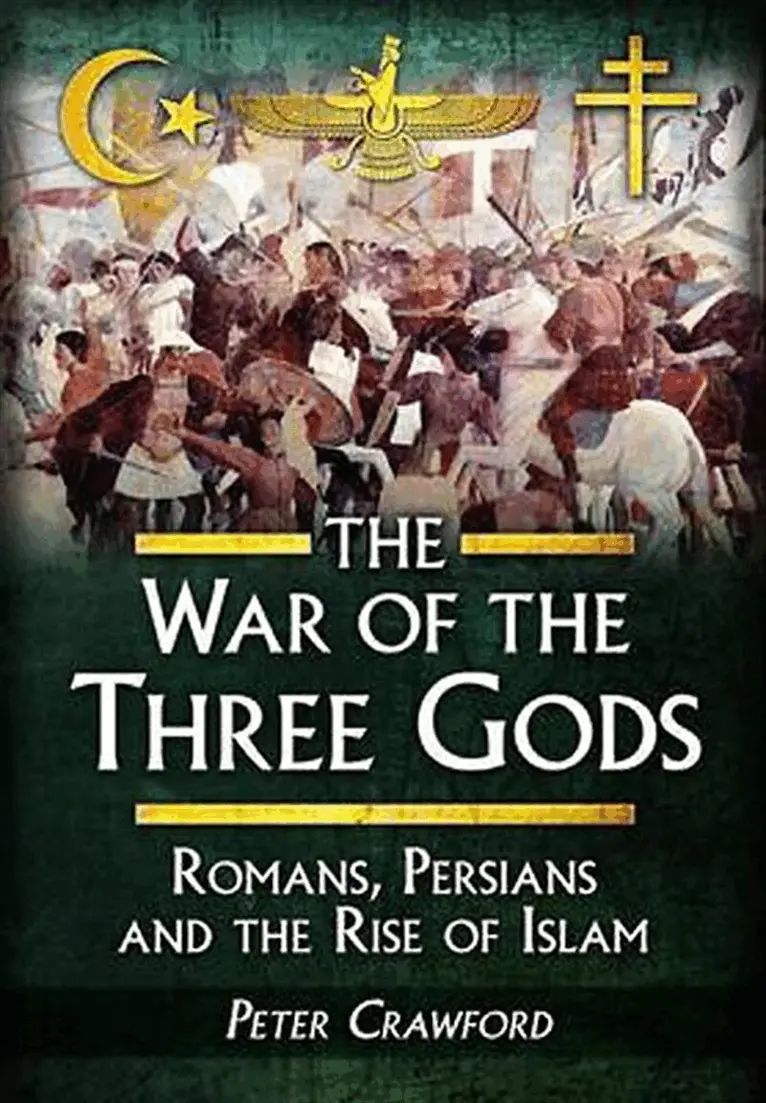
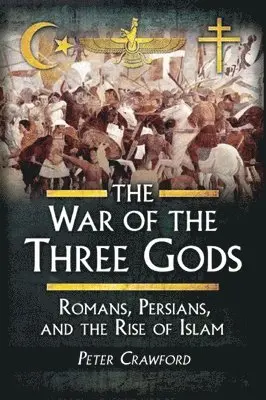
The War of the Three Gods
Romans, Persians and the Rise of Islam
E-bok, 2021
126 kr
Lägg i varukorg
War of the Three Gods is a military history of the first half of seventh century, with heavy focus on the reign of the Eastern Roman Emperor Heraclius (AD 610-641). This was a pivotal time in world history as well as a dramatic one. The Eastern Roman Empire was brought to the very brink of …
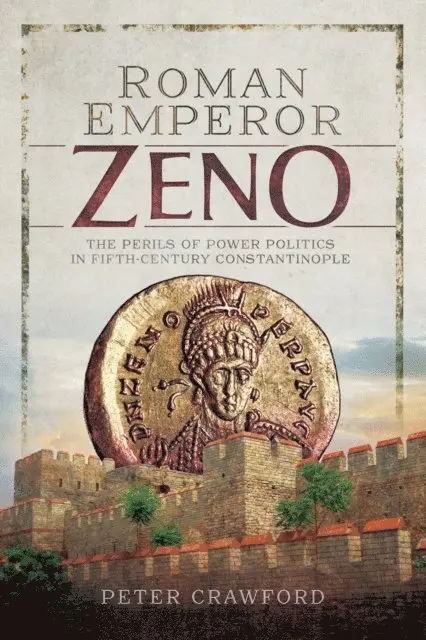
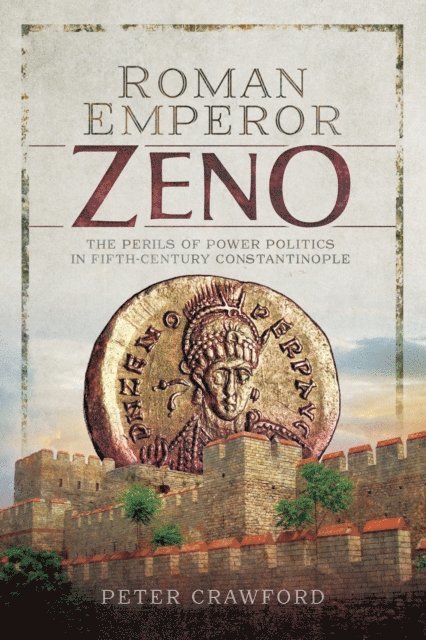
Roman Emperor Zeno
The Perils of Power Politics in Fifth-century Constantinople
Inbunden, 2019
288 kr
Lägg i varukorg
Peter Crawford examines the life and career of the fifth-century Roman emperor Zeno and the various problems he faced before and during his seventeen-year rule. Despite its length, his reign has hitherto been somewhat overlooked as being just a part of that gap between the Theodosian and …
Roman Emperor Zeno
The Perils of Power Politics in Fifth-Century Constantinople
E-bok, 2019
153 kr
Lägg i varukorg
"A very useful read for anyone interested in the Later Roman Empire, the fall of the Western Empire, and the emergence of the Byzantine State." —The NYMAS Review Peter Crawford examines the life and career of the fifth-century Roman emperor Zeno and the various problems he faced before and during …
Roman Emperor Zeno
The Perils of Power Politics in Fifth-Century Constantinople
E-bok, 2019
91 kr
Lägg i varukorg
"A very useful read for anyone interested in the Later Roman Empire, the fall of the Western Empire, and the emergence of the Byzantine State." —The NYMAS Review Peter Crawford examines the life and career of the fifth-century Roman emperor Zeno and the various problems he faced before and during …
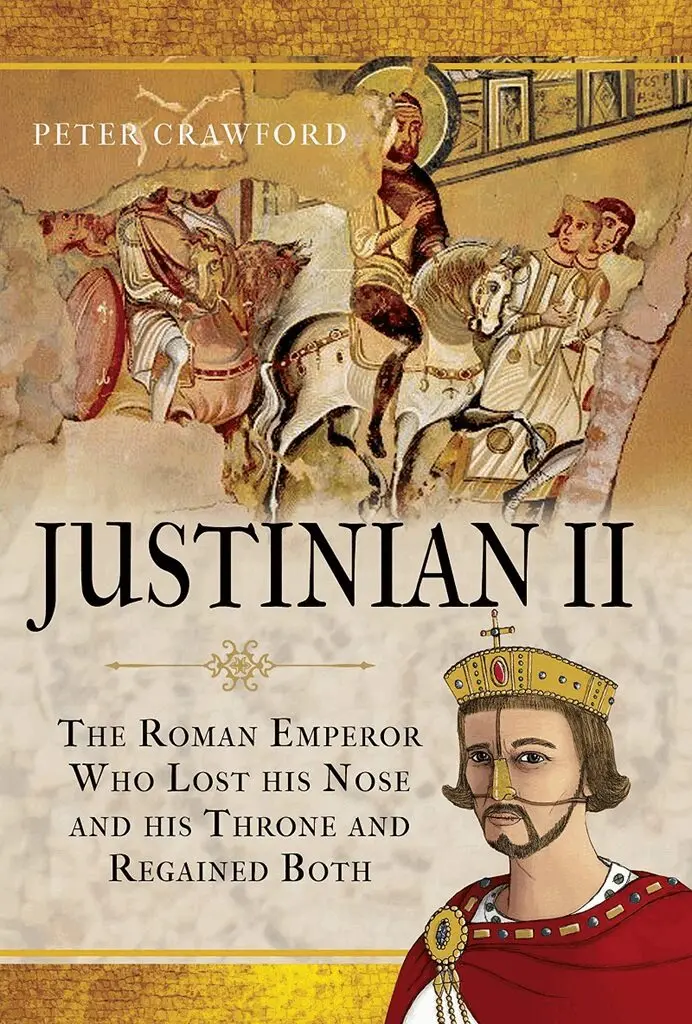
Justinian II
The Roman Emperor Who Lost his Nose and his Throne and Regained Both
Inbunden, 2021
337 kr
Lägg i varukorg
Justinian II became Roman emperor at a time when the Empire was beset by external enemies. His forces gained success against the Arabs and Bulgars but his religious and social policies fuelled internal opposition which resulted in him being deposed and mutilated (his nose was cut off) in 695\. …
Justinian II
The Roman Emperor Who Lost his Nose and his Throne and Regained Both
E-bok, 2021
153 kr
Lägg i varukorg
"An exceptional, well written, exhaustively researched, and detailed biography" of the controversial Roman emperor—from the author of Constantius II (Midwest Book Review). Justinian II became Roman emperor at a time when the Empire was beset by external enemies. His forces gained success against …
Constantius II
Inbunden, 2015
280 kr
Tillfälligt slut
The reign of Constantius II has been overshadowed by that of his titanic father, Constantine the Great, and his cousin and successor, the pagan Julian. However, as Peter Crawford shows, Constantius deserves to be remembered as a very capable ruler in dangerous, tumultuous times. When Constantine I …