Peter D. Salins - Böcker
Visar alla böcker från författaren Peter D. Salins. Handla med fri frakt och snabb leverans.
3 produkter
3 produkter
513 kr
Skickas inom 10-15 vardagar
The authors argue that the long-standing national debate about the proper role of the government in providing low-income housing needs to be clarified because older approaches and solutions are no longer appropriate. They review the history of public housing policies and programs and deal with such issues as the nature of housing inadequacy, the groups most affected by it, the role of the private sector, and the problems associated with the placement if low-income housing. Originally published in 1987. A UNC Press Enduring Edition -- UNC Press Enduring Editions use the latest in digital technology to make available again books from our distinguished backlist that were previously out of print. These editions are published unaltered from the original, and are presented in affordable paperback formats, bringing readers both historical and cultural value.
534 kr
Skickas inom 7-10 vardagar
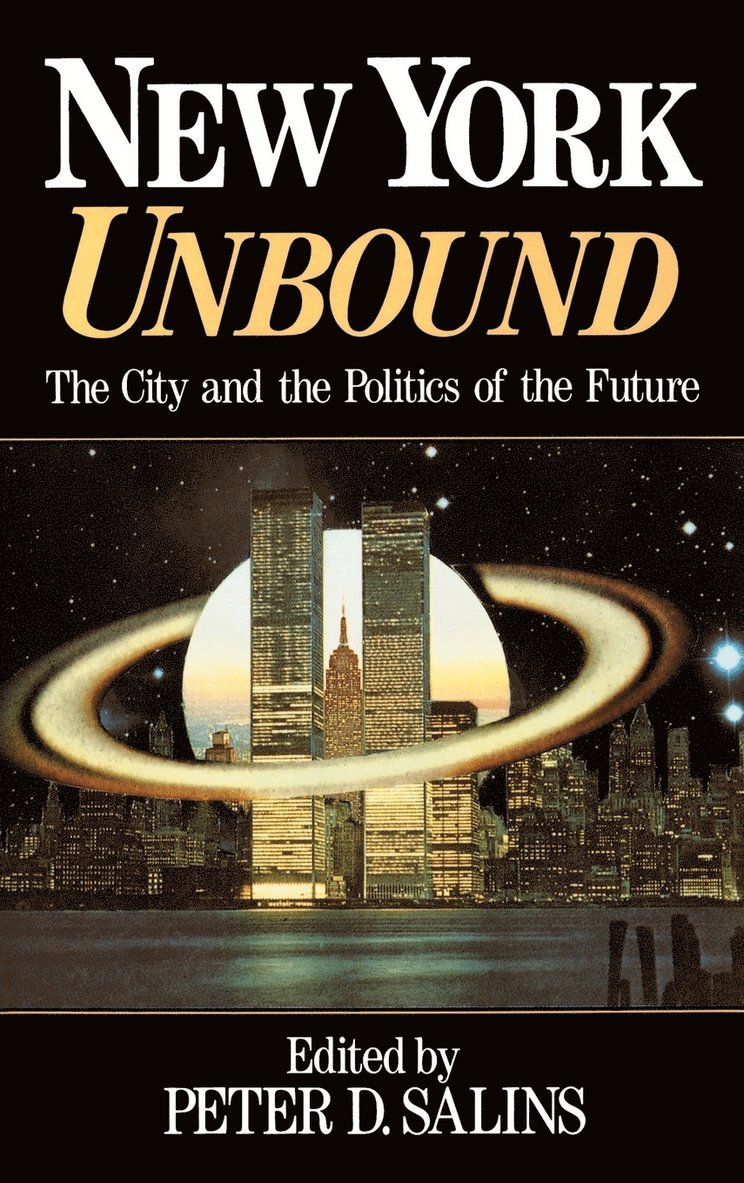
New York Unbound is a critical examination of the problems and prospects of New York City as it approaches the twenty-first century and a call to arms for a new infusion of energy and creativity in charting its future. As the authors take stock of the city's remarkable resources, they build the argument that the wellsprings of New York's continuing prosperity reside not in further regulation, taxation, subsidization, and political intransigence, but rather in the release of market forces as the stimulant to further growth and greater prosperity and opportunity. From the creation of better housing to the streamlining of social services, the lessons proffered in New York Unbound will have implications not only for the future of the world's greatest city, but for every city attempting to grapple with the challenges of the future.
217 kr
Tillfälligt slut
The Smart Society offers a detailed blueprint for how the United States can recast its human capital policies to make all Americans--not just a privileged elite--smarter and more successful than ever before, at the same time stemming the size and cost of the nation's "safety net." The spectacular, centuries-long success of the United States is based on its having determined, early on, to be a smart country, single-mindedly developing institutions and practices that enabled its native born citizens to maximize their economic and social potential, and welcoming opportunity-seeking foreigners to join them. Over the last four decades, however, the vaunted United States human capital machine has been breaking down, dimming the economic and social prospects of millions of Americans. If The Smart Society blueprint is followed, these trends can be reversed and the nation and its people can quickly regain their preeminence in the hyper-competitive and globalized world of the 21st century.This is a most topical issue today because the country's current heated political disagreements are not just about the proper size of government, but about how the United States can reverse its apparent decline and restore its historic economic and social vigor--in other words, regain its place as the world's "smartest" nation.