Peter Dayan – författare
Visar alla böcker från författaren Peter Dayan. Handla med fri frakt och snabb leverans.
16 produkter
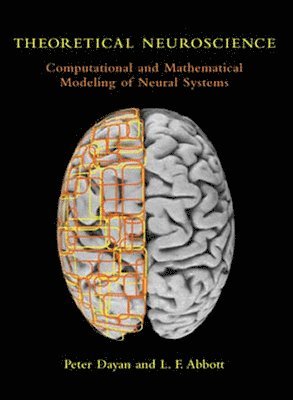
Theoretical Neuroscience
Computational and Mathematical Modeling of Neural Systems
Av Peter Dayan, Laurence F. Abbott
Häftad, 2005
961 kr
Lägg i varukorg
Theoretical neuroscience provides a quantitative basis for describing what nervous systems do, determining how they function, and uncovering the general principles by which they operate. This text introduces the basic mathematical and computational methods of theoretical neuroscience and presents …
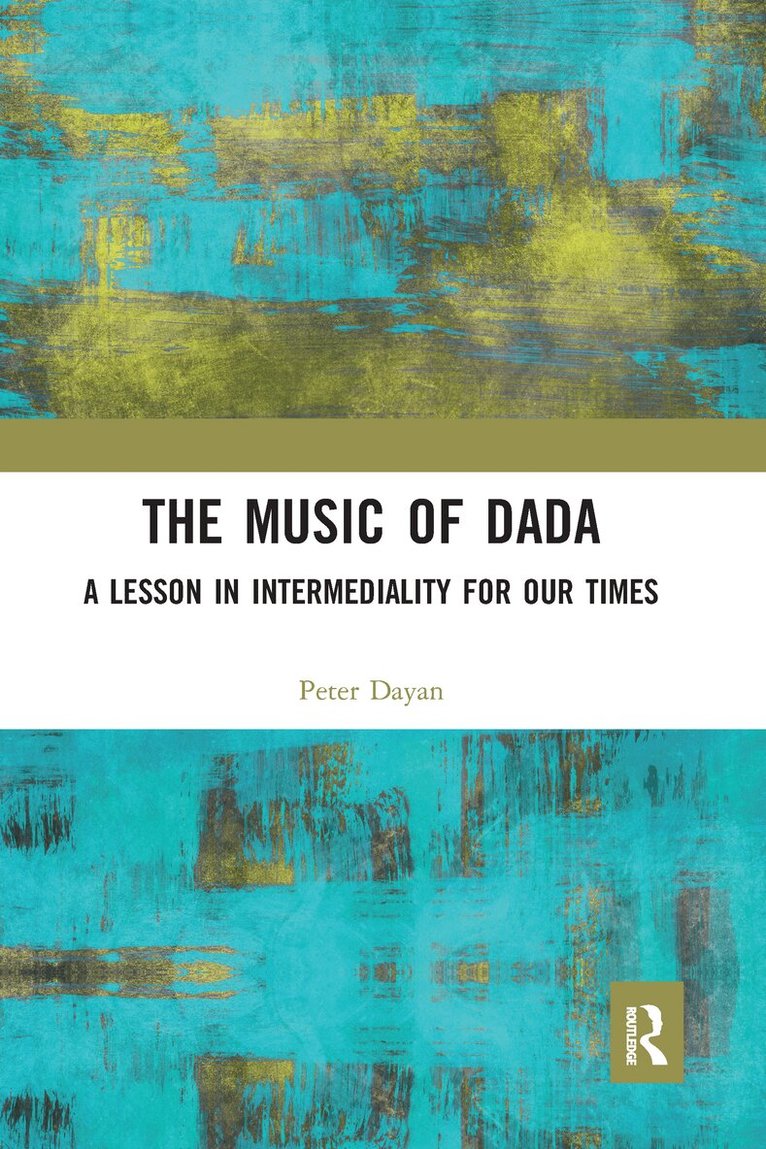
Music of Dada
A lesson in intermediality for our times
Av Peter Dayan
Häftad, 2020
727 kr
Lägg i varukorg
100 years after the Dada soirées rocked the art world, the author investigates the role that music played in the movement. Dada is generally thought of as noisy and unmusical, but The Music of Dada shows that music was at the core of Dada theory and practice. Music (by Schoenberg, Satie and many …
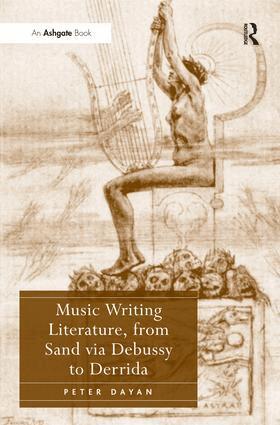
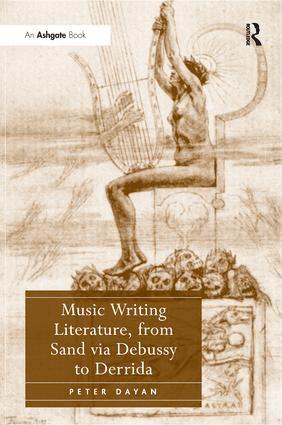
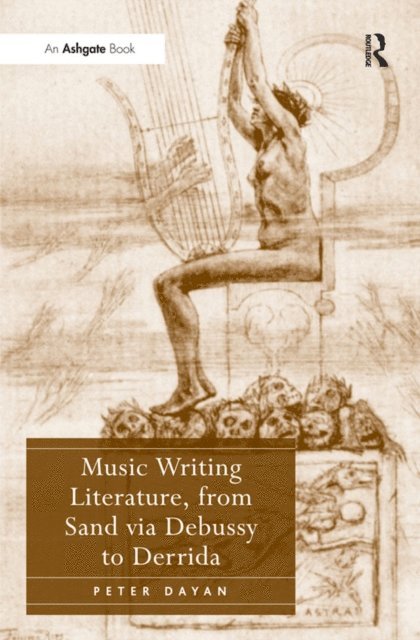
Music Writing Literature, from Sand via Debussy to Derrida
Av Peter Dayan
Inbunden, 2006
2888 kr
Lägg i varukorg
Why does poetry appeal to music? Can music be said to communicate, as language does? What, between music and poetry, is it possible to translate? These fundamental questions have remained obstinately difficult, despite the recent burgeoning of word and music studies. Peter Dayan contends that the …
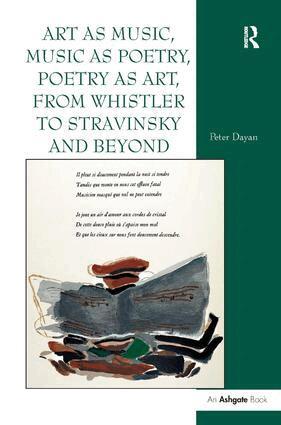
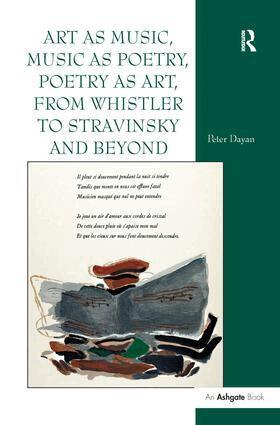
Art as Music, Music as Poetry, Poetry as Art, from Whistler to Stravinsky and Beyond
Av Peter Dayan
Inbunden, 2011
2888 kr
Lägg i varukorg
In 1877, Ruskin accused Whistler of ’flinging a pot of paint in the public’s face’. Was he right? After all, Whistler always denied that the true function of art was to represent anything. If a painting does not represent, what is it, other than mere paint, flung in the public’s face? Whistler’s …
Music Writing Literature, from Sand via Debussy to Derrida
Av Peter Dayan
Häftad, 2016
996 kr
Lägg i varukorg
Why does poetry appeal to music? Can music be said to communicate, as language does? What, between music and poetry, is it possible to translate? These fundamental questions have remained obstinately difficult, despite the recent burgeoning of word and music studies. Peter Dayan contends that the …
Art as Music, Music as Poetry, Poetry as Art, from Whistler to Stravinsky and Beyond
Av Peter Dayan
Häftad, 2016
952 kr
Lägg i varukorg
In 1877, Ruskin accused Whistler of ’flinging a pot of paint in the public’s face’. Was he right? After all, Whistler always denied that the true function of art was to represent anything. If a painting does not represent, what is it, other than mere paint, flung in the public’s face? Whistler’s …
Music of Dada
A lesson in intermediality for our times
Av Peter Dayan
Inbunden, 2018
2586 kr
Lägg i varukorg
100 years after the Dada soirées rocked the art world, the author investigates the role that music played in the movement. Dada is generally thought of as noisy and unmusical, but The Music of Dada shows that music was at the core of Dada theory and practice. Music (by Schoenberg, Satie and many …
Art as Music, Music as Poetry, Poetry as Art, from Whistler to Stravinsky and Beyond
Av Peter Dayan
E-bok, 2016
1218 kr
Lägg i varukorg
In 1877, Ruskin accused Whistler of ’flinging a pot of paint in the public’s face’. Was he right? After all, Whistler always denied that the true function of art was to represent anything. If a painting does not represent, what is it, other than mere paint, flung in the public’s face? …
Art as Music, Music as Poetry, Poetry as Art, from Whistler to Stravinsky and Beyond
Av Peter Dayan
E-bok, 2016
1255 kr
Lägg i varukorg
In 1877, Ruskin accused Whistler of ’flinging a pot of paint in the public’s face’. Was he right? After all, Whistler always denied that the true function of art was to represent anything. If a painting does not represent, what is it, other than mere paint, flung in the public’s face? …
Music of Dada
A lesson in intermediality for our times
Av Peter Dayan
E-bok, 2018
856 kr
Lägg i varukorg
100 years after the Dada soirées rocked the art world, the author investigates the role that music played in the movement. Dada is generally thought of as noisy and unmusical, but The Music of Dada shows that music was at the core of Dada theory and practice. Music (by Schoenberg, Satie and many …
Music of Dada
A lesson in intermediality for our times
Av Peter Dayan
E-bok, 2018
856 kr
Lägg i varukorg
100 years after the Dada soirées rocked the art world, the author investigates the role that music played in the movement. Dada is generally thought of as noisy and unmusical, but The Music of Dada shows that music was at the core of Dada theory and practice. Music (by Schoenberg, Satie and many …
Music Writing Literature, from Sand via Debussy to Derrida
Av Peter Dayan
E-bok, 2017
1175 kr
Lägg i varukorg
Why does poetry appeal to music? Can music be said to communicate, as language does? What, between music and poetry, is it possible to translate? These fundamental questions have remained obstinately difficult, despite the recent burgeoning of word and music studies. Peter Dayan contends that the …
Music Writing Literature, from Sand via Debussy to Derrida
Av Peter Dayan
E-bok, 2017
1138 kr
Lägg i varukorg
Why does poetry appeal to music? Can music be said to communicate, as language does? What, between music and poetry, is it possible to translate? These fundamental questions have remained obstinately difficult, despite the recent burgeoning of word and music studies. Peter Dayan contends that the …
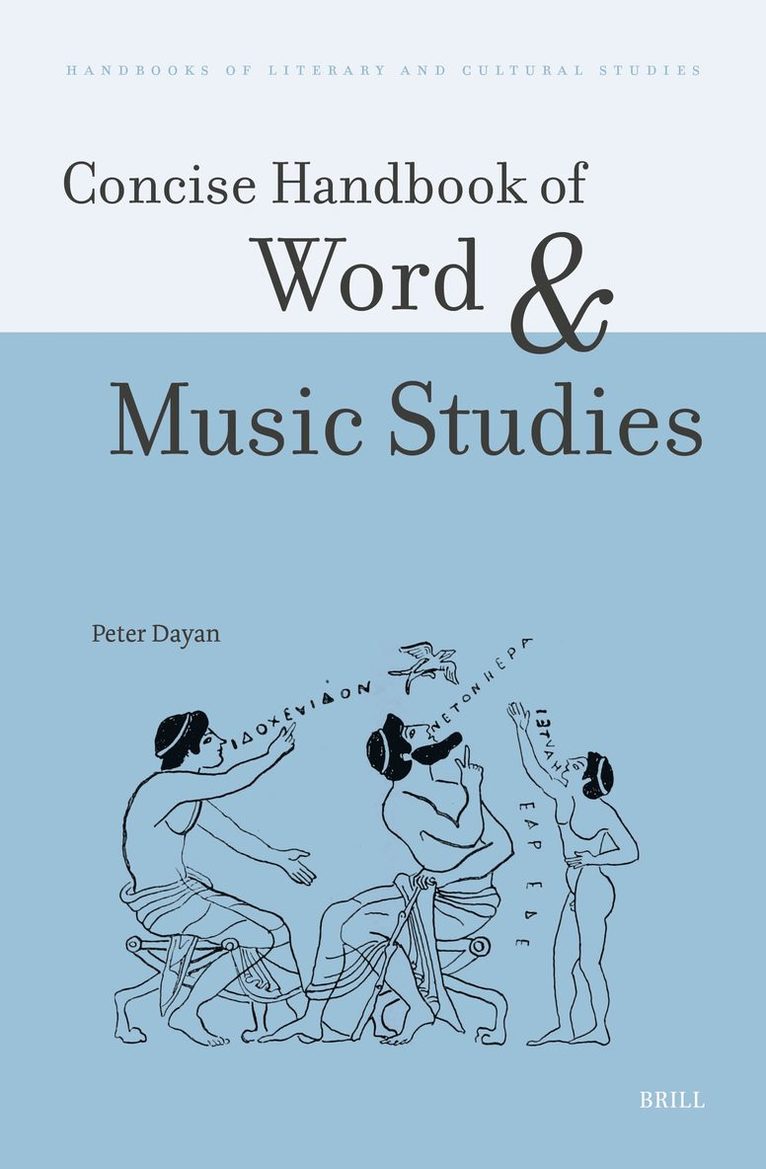
Concise Handbook of Word and Music Studies
Av Peter Dayan
Inbunden, 2025
1574 kr
Lägg i varukorg
Why are we so often told that poetry is like music – or that it is music? Can music communicate meaning, as literature can? When words and music get together in song, what passes between them? Are they allies or enemies? The Word and Music Association was founded, nearly thirty years ago, to ponder …