Peter F. Thall – författare
Visar alla böcker från författaren Peter F. Thall. Handla med fri frakt och snabb leverans.
13 produkter
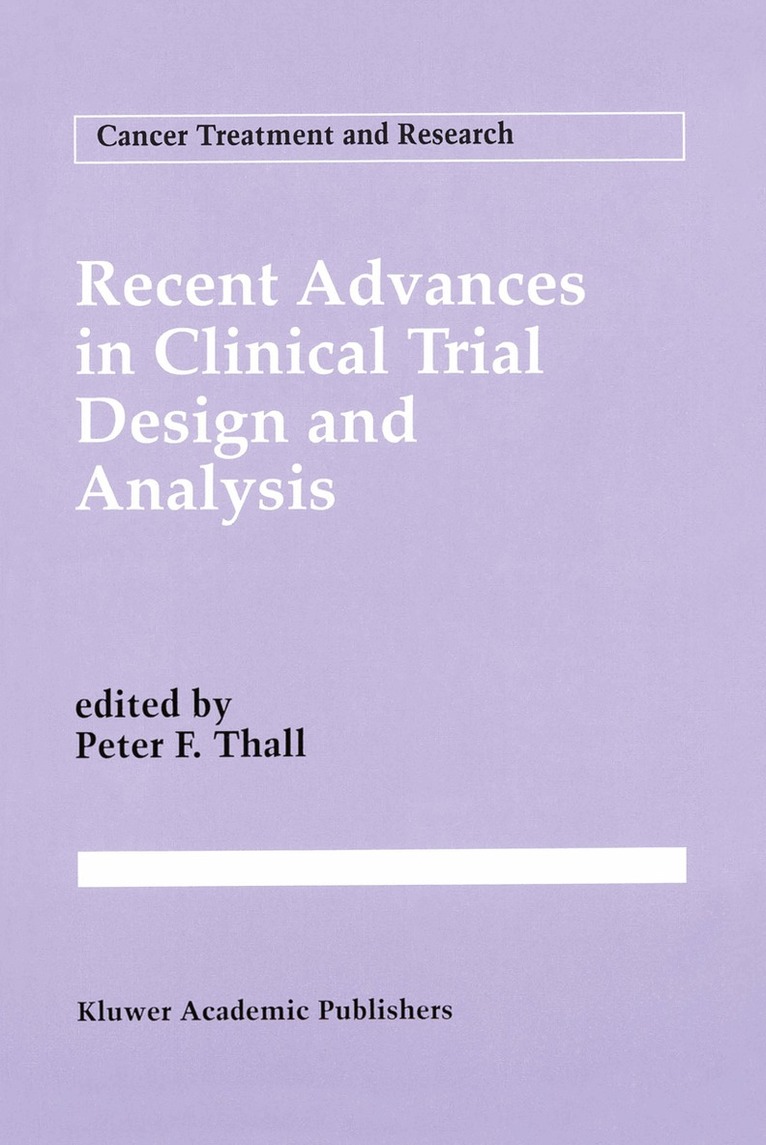
Recent Advances in Clinical Trial Design and Analysis
Inbunden, 1995
2254 kr
Lägg i varukorg
Clinical trials have two purposes -- to treat the patients in the trial, and to obtain information which increases our understanding of the disease and especially how patients respond to treatment. Statistical design provides a means to achieve both these aims, while statistical data analysis …
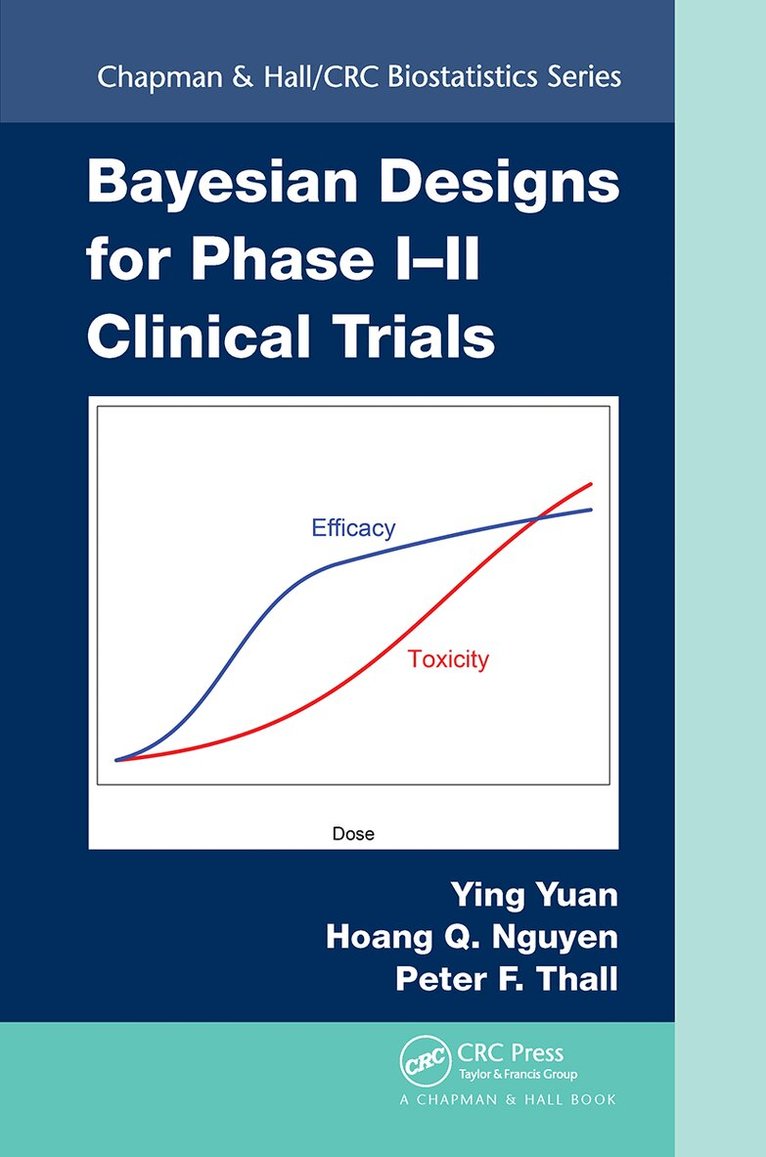
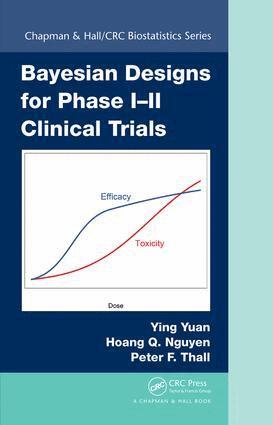
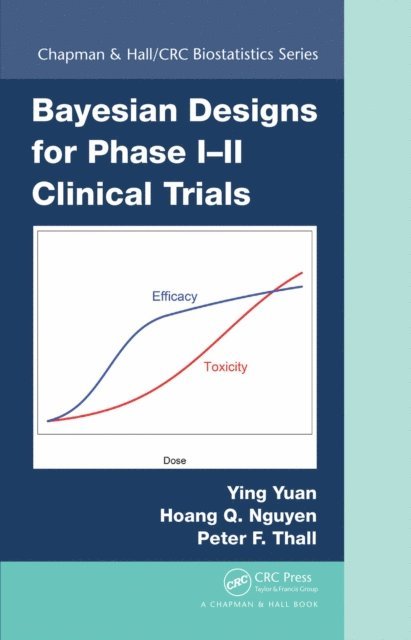
Bayesian Designs for Phase I-II Clinical Trials
Av Ying Yuan, Hoang Q. Nguyen m. fl.
Häftad, 2021
727 kr
Lägg i varukorg
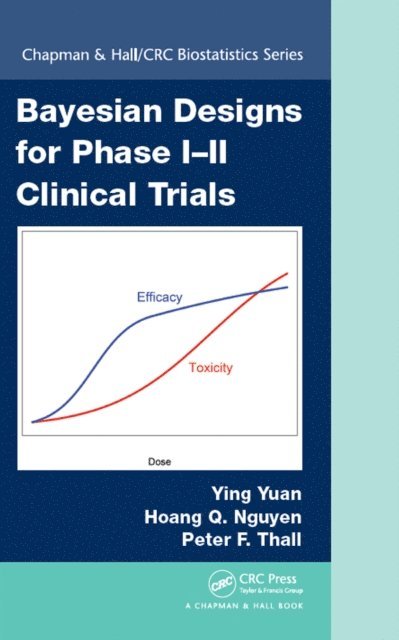
Reliably optimizing a new treatment in humans is a critical first step in clinical evaluation since choosing a suboptimal dose or schedule may lead to failure in later trials. At the same time, if promising preclinical results do not translate into a real treatment advance, it is important to …
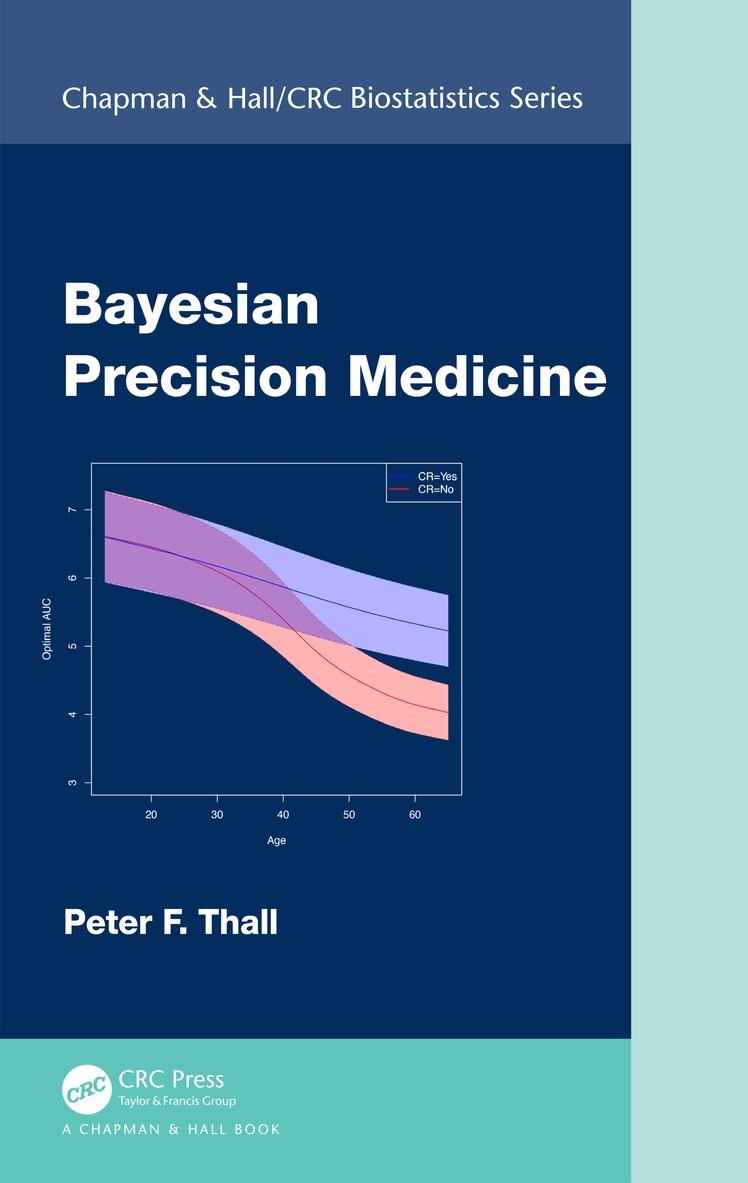
Bayesian Precision Medicine
Inbunden, 2024
1882 kr
Lägg i varukorg
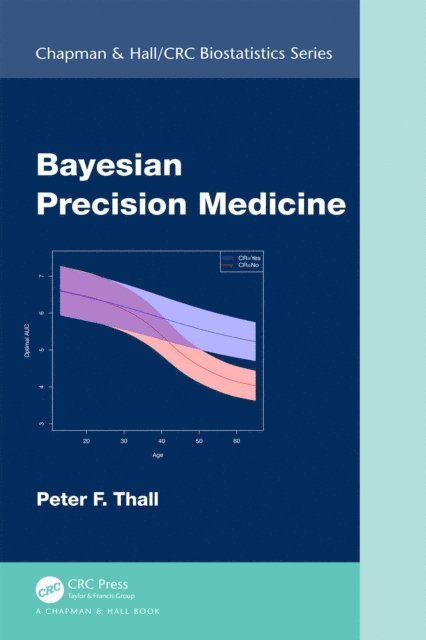
Bayesian Precision Medicine presents modern Bayesian statistical models and methods for identifying treatments tailored to individual patients using their prognostic variables and predictive biomarkers. The process of evaluating and comparing treatments is explained and illustrated by practical …
Bayesian Precision Medicine
E-bok, 2024
1052 kr
Lägg i varukorg
Bayesian Precision Medicine presents modern Bayesian statistical models and methods for identifying treatments tailored to individual patients using their prognostic variables and predictive biomarkers. The process of evaluating and comparing treatments is explained and illustrated by practical …
Bayesian Precision Medicine
E-bok, 2024
1019 kr
Lägg i varukorg
Bayesian Precision Medicine presents modern Bayesian statistical models and methods for identifying treatments tailored to individual patients using their prognostic variables and predictive biomarkers. The process of evaluating and comparing treatments is explained and illustrated by practical …
Bayesian Designs for Phase I-II Clinical Trials
Av Peter F. Thall, Hoang Q. Nguyen m. fl.
E-bok, 2017
856 kr
Lägg i varukorg
Reliably optimizing a new treatment in humans is a critical first step in clinical evaluation since choosing a suboptimal dose or schedule may lead to failure in later trials. At the same time, if promising preclinical results do not translate into a real treatment advance, it is important to …
Recent Advances in Clinical Trial Design and Analysis
Häftad, 2012
2254 kr
Lägg i varukorg
Clinical trials have two purposes -- to treat the patients in the trial, and to obtain information which increases our understanding of the disease and especially how patients respond to treatment. Statistical design provides a means to achieve both these aims, while statistical data analysis …
Recent Advances in Clinical Trial Design and Analysis
E-bok, 2012
2925 kr
Lägg i varukorg
Clinical trials have two purposes -- to treat the patients in the trial, and to obtain information which increases our understanding of the disease and especially how patients respond to treatment. Statistical design provides a means to achieve both these aims, while statistical data analysis …
Bayesian Designs for Phase I-II Clinical Trials
Av Ying Yuan, Hoang Q. Nguyen m. fl.
Inbunden, 2016
1888 kr
Lägg i varukorg
Reliably optimizing a new treatment in humans is a critical first step in clinical evaluation since choosing a suboptimal dose or schedule may lead to failure in later trials. At the same time, if promising preclinical results do not translate into a real treatment advance, it is important to …
Bayesian Designs for Phase I-II Clinical Trials
Av Peter F. Thall, Hoang Q. Nguyen m. fl.
E-bok, 2017
838 kr
Lägg i varukorg
Reliably optimizing a new treatment in humans is a critical first step in clinical evaluation since choosing a suboptimal dose or schedule may lead to failure in later trials. At the same time, if promising preclinical results do not translate into a real treatment advance, it is important to …
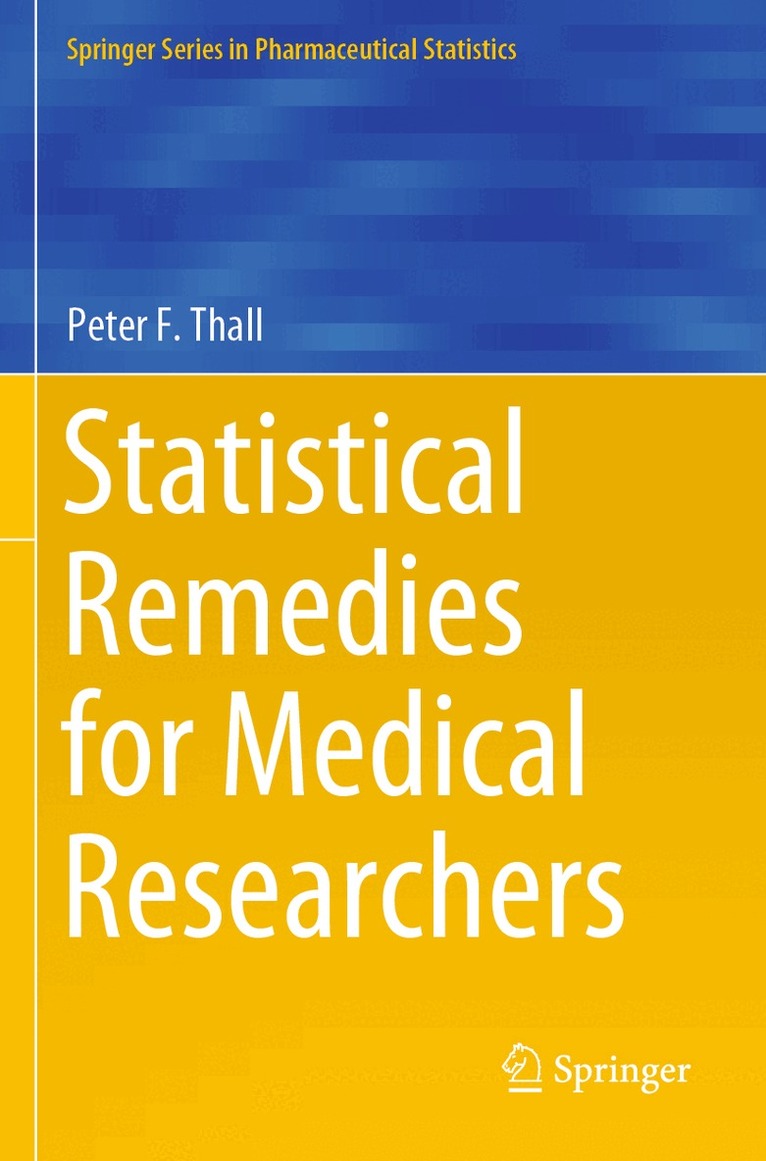
Statistical Remedies for Medical Researchers
Inbunden, 2020
1243 kr
Lägg i varukorg
This book illustrates numerous statistical practices that are commonly used by medical researchers, but which have severe flaws that may not be obvious. For each example, it provides one or more alternative statistical methods that avoid misleading or incorrect inferences being made. The technical …
Statistical Remedies for Medical Researchers
E-bok, 2020
1184 kr
Lägg i varukorg
This book illustrates numerous statistical practices that are commonly used by medical researchers, but which have severe flaws that may not be obvious. For each example, it provides one or more alternative statistical methods that avoid misleading or incorrect inferences being made. The technical …
Statistical Remedies for Medical Researchers
Häftad, 2021
906 kr
Lägg i varukorg
This book illustrates numerous statistical practices that are commonly used by medical researchers, but which have severe flaws that may not be obvious. For each example, it provides one or more alternative statistical methods that avoid misleading or incorrect inferences being made. The technical …