Peter Gran – författare
Visar alla böcker från författaren Peter Gran. Handla med fri frakt och snabb leverans.
11 produkter
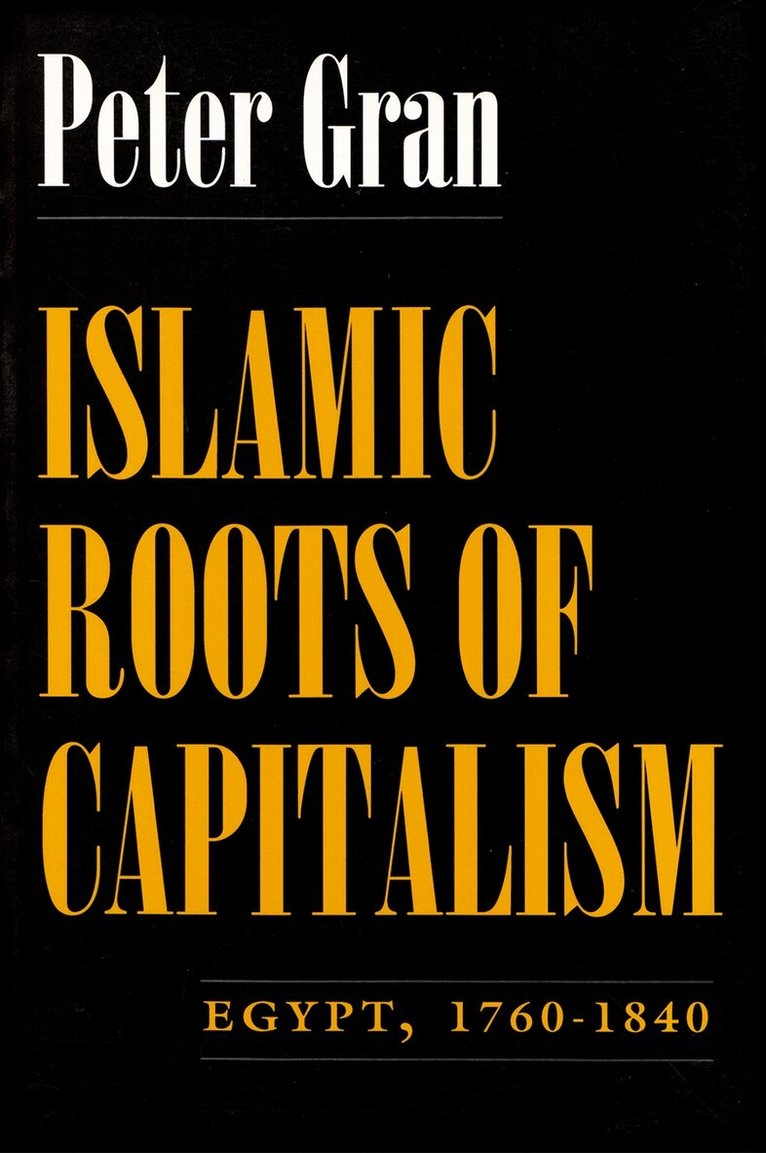
Islamic Roots of Capitalism
Egypt, 1760-1840
Av Peter Gran
Häftad, 1998
298 kr
Lägg i varukorg
This paperback edition has an updated first chapter, resituating its main argument for today’s readers. New historical data on eighteenth- and nineteenth-century Egypt makes an extremely persuasive argument for the eighteenth-century roots of Egyptian modernity. The similarity, too, of Egyptian …
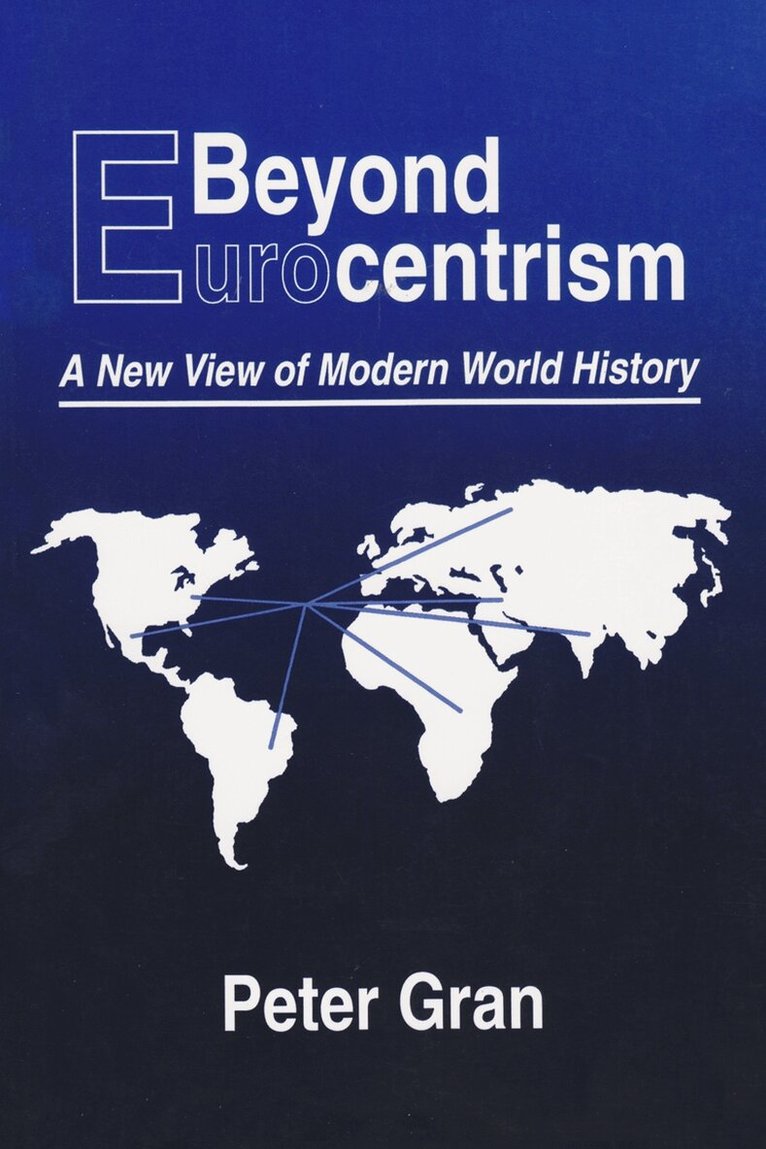
Beyond Eurocentrism
A New View of Modern World History
Av Peter Gran
Häftad, 1996
342 kr
Lägg i varukorg
Employing the approaches of Gramsci and Foucault, Gran proposes a re-conceptualisation of world history. He challenges the convention of relying on totalitarian or democratic functions of a particular state to explain relationships of authority and resistance in a number of national contexts.
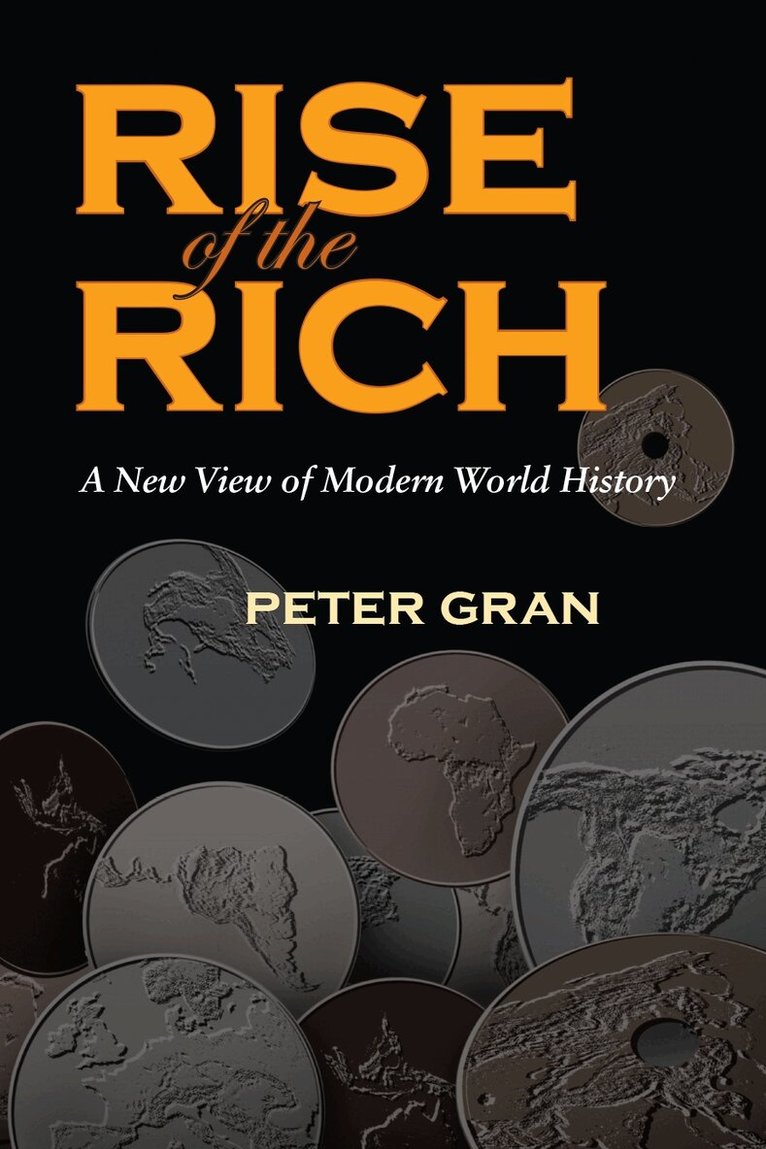
Rise of the Rich
A New View of Modern World History
Av Peter Gran
Inbunden, 2009
296 kr
Lägg i varukorg
'The rise of the West' has long been the accepted doctrine for framing analyses of world history. Privileging a Eurocentric approach, this traditional paradigm obscures the significance of the indigenous rich in non-Western regions and fails to recognize the contributions of the Orient. In this …
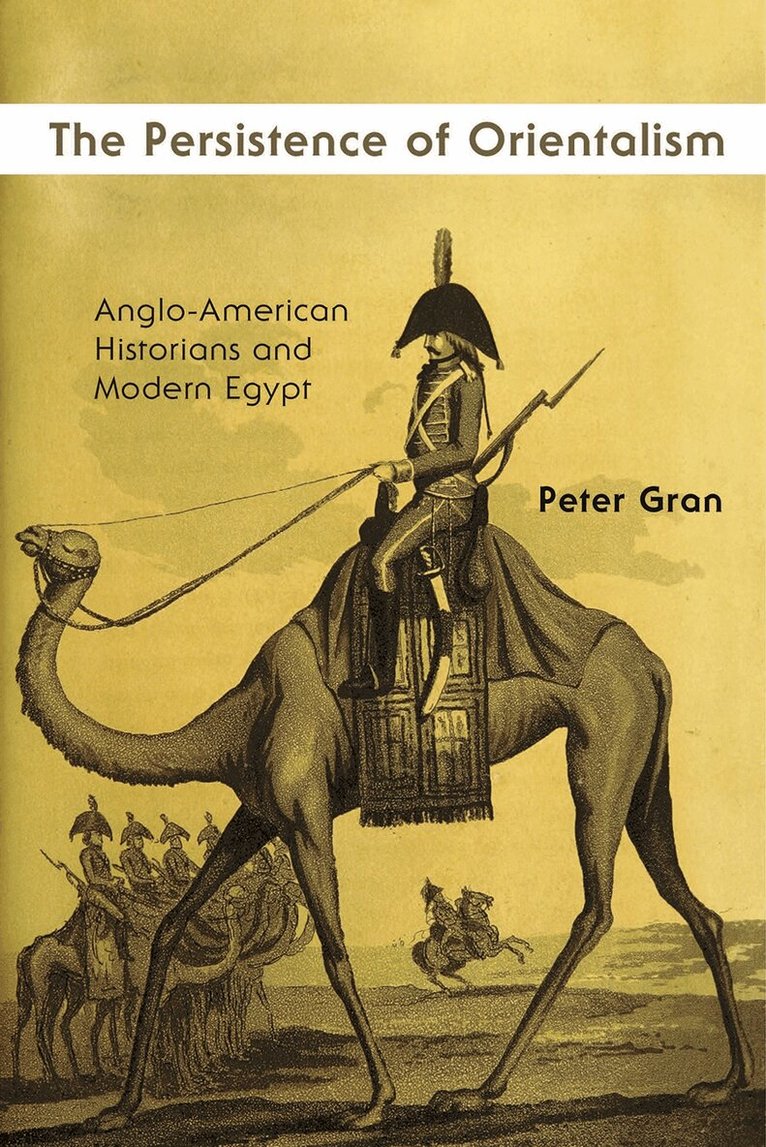
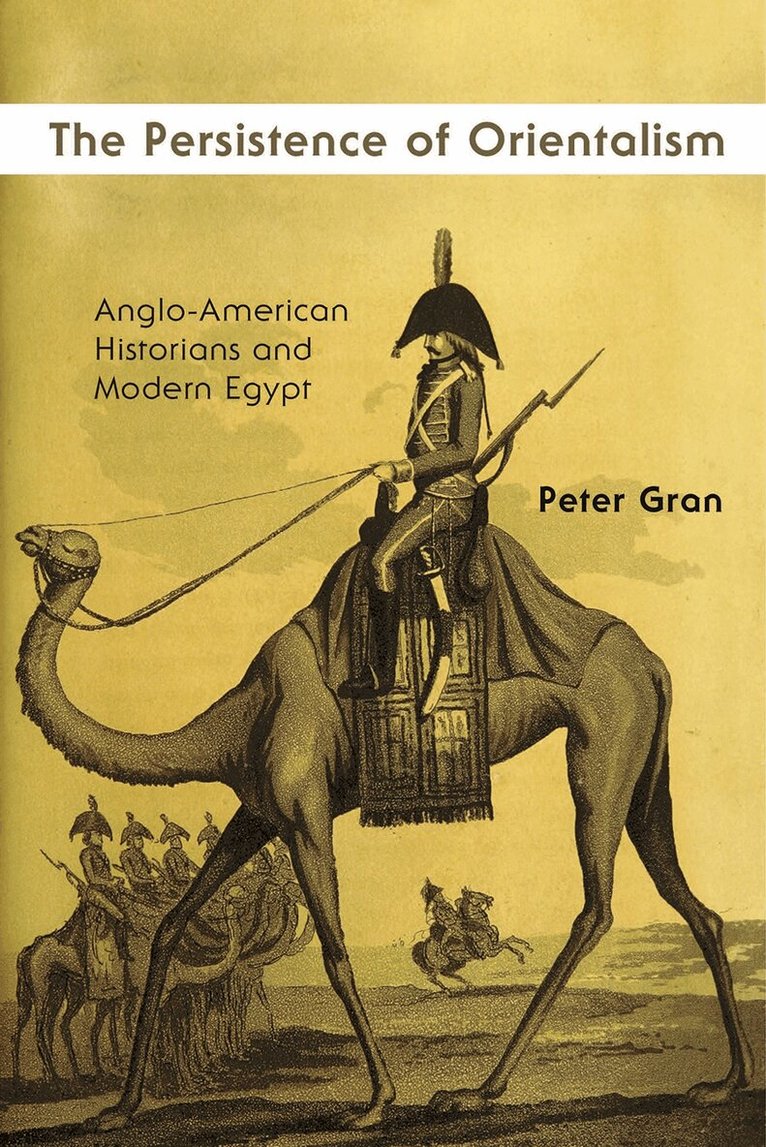
Persistence of Orientalism
Anglo-American Historians and Modern Egypt
Av Peter Gran
Inbunden, 2020
823 kr
Lägg i varukorg
Why is the 1798 Napoleonic invasion of Egypt routinely accepted as a watershed moment between premodern and modern in general histories on the Middle East? Although decades of scholarship, most-notably Edward Said's Orientalism, have critiqued traditional binaries of developed and undeveloped in …
Persistence of Orientalism
Anglo-American Historians and Modern Egypt
Av Peter Gran
Häftad, 2020
281 kr
Lägg i varukorg
Why is the 1798 Napoleonic invasion of Egypt routinely accepted as a watershed moment between premodern and modern in general histories on the Middle East? Although decades of scholarship, most-notably Edward Said's Orientalism, have critiqued traditional binaries of developed and undeveloped in …
Rise of the Rich
A New View of Modern World History
Av Peter Gran
E-bok, 2009
332 kr
Lägg i varukorg
"The rise of the West" has long been the accepted doctrine for framing analyses of world history. Privileging a Eurocentric approach, this traditional paradigm obscures the significance of the indigenous rich in non-Western regions and fails to recognize the contributions of the Orient. In this …
Persistence of Orientalism
Anglo-American Historians and Modern Egypt
Av Peter Gran
E-bok, 2020
339 kr
Lägg i varukorg
Why is the 1798 Napoleonic invasion of Egypt routinely accepted as a watershed moment between premodern and modern in general histories on the Middle East? Although decades of scholarship, most-notably Edward Said’s Orientalism , have critiqued traditional binaries of developed and undeveloped in …
Beyond Eurocentrism
A New View of Modern World History
Av Peter Gran
E-bok, 2021
397 kr
Lägg i varukorg
Eurocentrism influences virtually all established historical writing. With the rise of Prussia and, by extension, Europe, eurocentrism became the dominant paradigm for world history. Employing the approaches of Gramsci and Foucault, Peter Gran proposes a reconceptualization of world history. He …
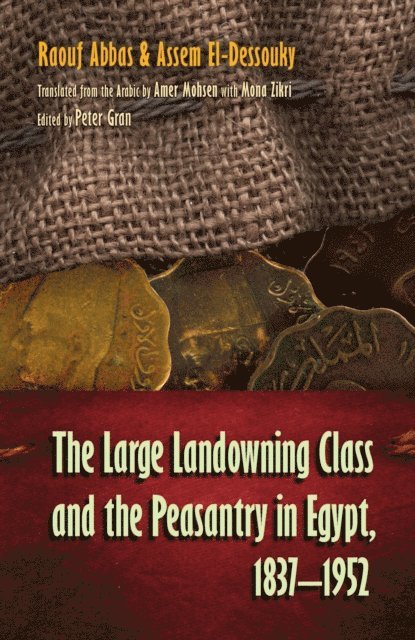
Large Landowning Class and the Peasantry in Egypt, 1837-1952
Av Assem El-Dessouky, Raouf Abbas m. fl.
E-bok, 2022
410 kr
Lägg i varukorg
In Egypt, the landowning class first arose in the early part of the nineteenth century from land grants given to extended family members and friends of the ruler Muhammad ‘Ali. The development of capitalism and, with it, the evolution of law and social practice allowed these land grants gradually …
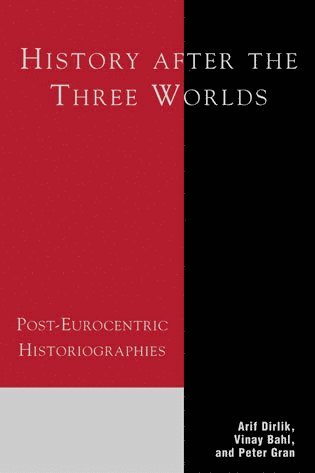
History After the Three Worlds
Post-Eurocentric Historiographies
Av Arif Dirlik, Vinay Bahl m. fl.
Häftad, 2000
632 kr
Lägg i varukorg
History as a discipline faces a crisis of identity as Eurocentrism fades in a world where globalized visions compete to explain historical processes. Facing the challenge squarely, this volume—comprising specialists on Asia, Africa, and Latin America—explores the state of historical analysis in …
History After the Three Worlds
Post-Eurocentric Historiographies
Av Arif Dirlik, Vinay Bahl m. fl.
Inbunden, 2001
1559 kr
Tillfälligt slut
History as a discipline faces a crisis of identity as Eurocentrism fades in a world where globalized visions compete to explain historical processes. Facing the challenge squarely, this volume—comprising specialists on Asia, Africa, and Latin America—explores the state of historical analysis in …