Peter Hames - Böcker
Visar alla böcker från författaren Peter Hames. Handla med fri frakt och snabb leverans.
11 produkter
11 produkter
518 kr
Skickas inom 10-15 vardagar
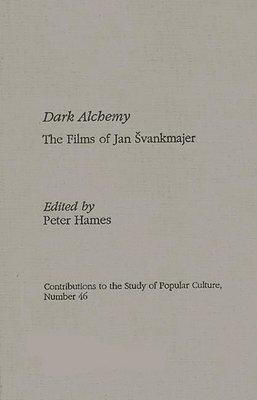
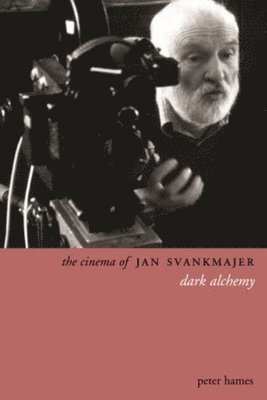
Czech animator Jan Svankmajer is one of the most distinctive and influential of contemporary filmmakers. As a leading member of the Prague Surrealist Group, his work is linked to a rich avant-garde tradition and an uncompromising moral stance that brought frequent tensions with the authorities in the normalization years following the Soviet invasion of Czechoslovakia in 1968. Svankmajer's formative influences have been the pre-war surrealists, the Prague of Rudolf II, experimental theatre, folk puppetry and, above all, the political traumas of the past 50 years. Like his contemporaries—including playwright president Vaclav Havel, and, in exile, novelist Milan Kundera and filmmaker Milos Forman—Svankmajer's dominant life experiences have been the realities of the Stalinist system, both the explicit state terror of the 1950s and the Brezhnevist neo-Stalinism of the 1970s and the 1980s.After training in puppetry and working in the Prague theatre, he made his first film in 1964. He directed a number of important films in the 1960s, including the live-action and Kafkaesque Byt (The Flat, 1968) and Zahrada (The Garden, 1968) and consolidated his international reputation with Moznosti dialogu (Dimensions of Dialogue) in 1982. Since then, he has continued his highly visual and poetic approach in two feature-length films, Neco z Alenky (Alice, 1987) and Lekce Faust (Faust, 1994). As a filmmaker, Svankmajer is constantly exploring and analyzing his concern with power, fear and anxiety, confrontation and destruction, magic, the irrational and the absurd, and displays a bleak outlook on the possibilities for dialogue. In challenging accepted narrative, the bourgeoisie of realism (nezval), and the thematic and formal conventions of the mainstream media, Svankmajer's work is startlingly dynamic, subversive, and confrontational.
1 071 kr
Skickas inom 10-15 vardagar
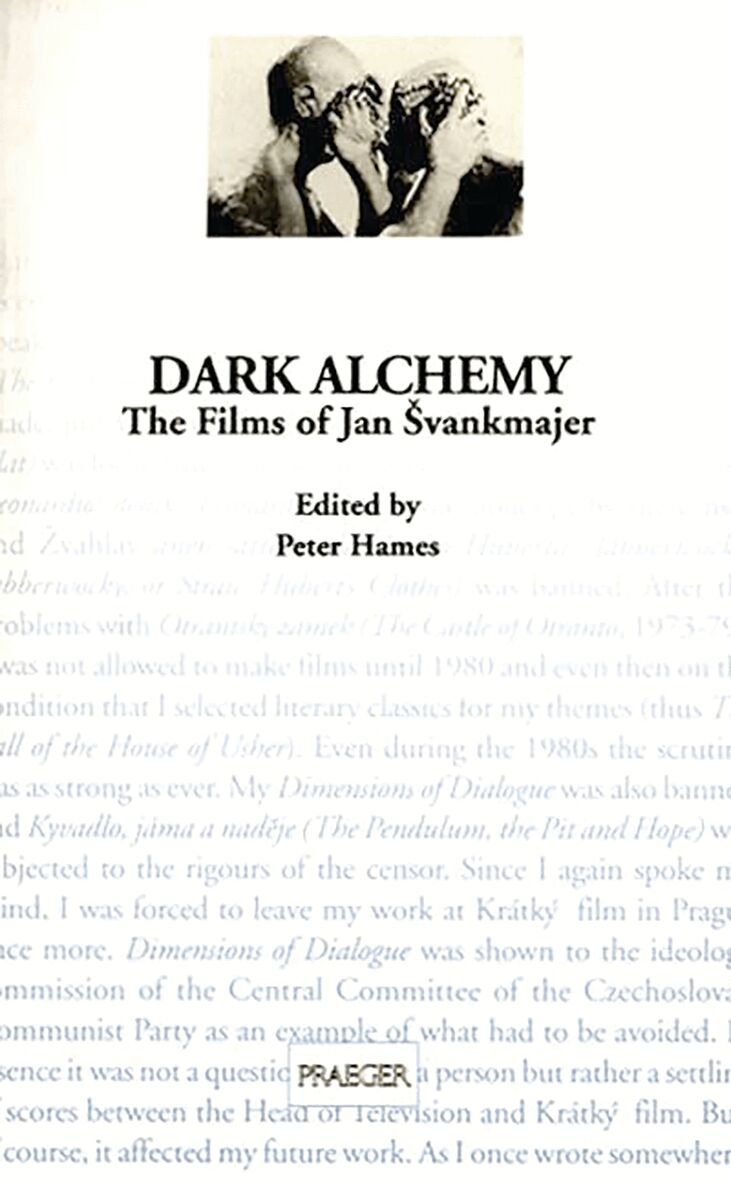
Czech animator Jan Svankmajer is one of the most distinctive and influential of contemporary filmmakers. As a leading member of the Prague Surrealist Group, his work is linked to a rich avant-garde tradition and an uncompromising moral stance that brought frequent tensions with the authorities in the normalization years following the Soviet invasion of Czechoslovakia in 1968. Svankmajer's formative influences have been the pre-war surrealists, the Prague of Rudolf II, experimental theatre, folk puppetry and, above all, the political traumas of the past 50 years. Like his contemporaries—including playwright president Vaclav Havel, and, in exile, novelist Milan Kundera and filmmaker Milos Forman—Svankmajer's dominant life experiences have been the realities of the Stalinist system, both the explicit state terror of the 1950s and the Brezhnevist neo-Stalinism of the 1970s and the 1980s.After training in puppetry and working in the Prague theatre, he made his first film in 1964. He directed a number of important films in the 1960s, including the live-action and Kafkaesque Byt (The Flat, 1968) and Zahrada (The Garden, 1968) and consolidated his international reputation with Moznosti dialogu (Dimensions of Dialogue) in 1982. Since then, he has continued his highly visual and poetic approach in two feature-length films, Neco z Alenky (Alice, 1987) and Lekce Faust (Faust, 1994). As a filmmaker, Svankmajer is constantly exploring and analyzing his concern with power, fear and anxiety, confrontation and destruction, magic, the irrational and the absurd, and displays a bleak outlook on the possibilities for dialogue. In challenging accepted narrative, the bourgeoisie of realism (nezval), and the thematic and formal conventions of the mainstream media, Svankmajer's work is startlingly dynamic, subversive, and confrontational.
1 410 kr
Skickas inom 7-10 vardagar
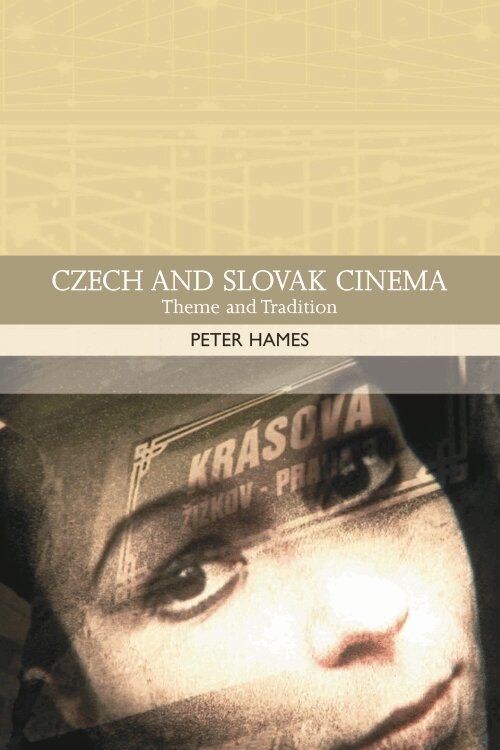
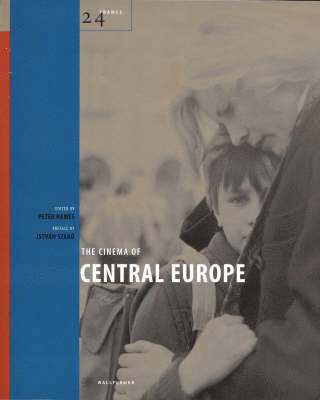
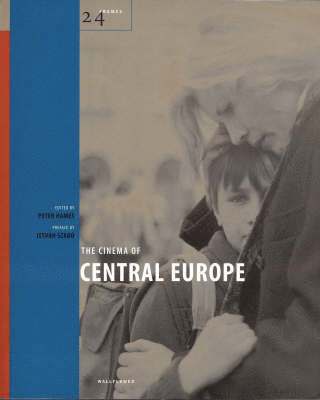
This book is the first study in English to examine some of the key themes and traditions of Czech and Slovak cinema, linking inter-war and post-war cinemas together with developments in the post-Communist period. It examines links between theme, genre, and visual style, and looks at the ways in which a range of styles and traditions has extended across different historical periods and political regimes. Czech and Slovak Cinema provides a unique study of areas of Central European film history that have not previously been examined in English. Key Features*An overview of the development of the Czech and Slovak industries in the pre-war and post-war periods and their adaptation to privatisation in the 1990s.*A consideration of some of the key stylistic and thematic tendencies, focussing on comedy and lyricism, which are characteristics of all periods.*An examination of the political role of film, with particular emphasis on the period of the Prague Spring.*The continuing influence of the Surrealist tradition in the feature film and on the living tradition of the animated film, with particular reference to puppetry.*An analysis of representations of the Holocaust in films produced during the Communist period and more recently.*A consideration of the defining characteristics of Slovak cinema.The book will be of value to students within the field of Film and Media Studies as well as the general market, together with specialist chapters of interest to other disciplines.
630 kr
Skickas inom 3-6 vardagar
This book is the first study in English to examine some of the key themes and traditions of Czech and Slovak cinema, linking inter-war and post-war cinemas together with developments in the post-Communist period. It examines links between theme, genre, and visual style, and looks at the ways in which a range of styles and traditions has extended across different historical periods and political regimes. Czech and Slovak Cinema provides a unique study of areas of Central European film history that have not previously been examined in English. Key Features*An overview of the development of the Czech and Slovak industries in the pre-war and post-war periods and their adaptation to privatisation in the 1990s.*A consideration of some of the key stylistic and thematic tendencies, focussing on comedy and lyricism, which are characteristics of all periods.*An examination of the political role of film, with particular emphasis on the period of the Prague Spring.*The continuing influence of the Surrealist tradition in the feature film and on the living tradition of the animated film, with particular reference to puppetry.*An analysis of representations of the Holocaust in films produced during the Communist period and more recently.*A consideration of the defining characteristics of Slovak cinema.The book will be of value to students within the field of Film and Media Studies as well as the general market, together with specialist chapters of interest to other disciplines.
1 050 kr
Skickas inom 7-10 vardagar
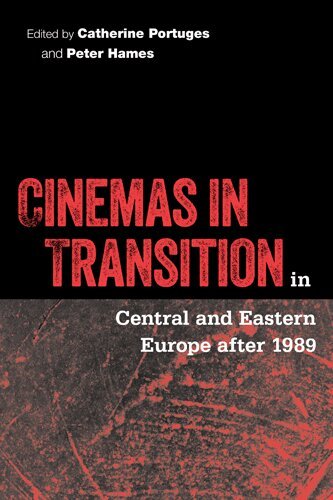
Focuses on cinema in Eastern Europe in the wake of the collapse of the Soviet Union and the Eastern Bloc
274 kr
Skickas inom 7-10 vardagar
800 kr
Skickas inom 7-10 vardagar
224 kr
Skickas inom 7-10 vardagar
800 kr
Skickas inom 7-10 vardagar
292 kr
Skickas
800 kr
Skickas inom 7-10 vardagar