Peter J. Miller - Böcker
Visar alla böcker från författaren Peter J. Miller. Handla med fri frakt och snabb leverans.
3 produkter
3 produkter
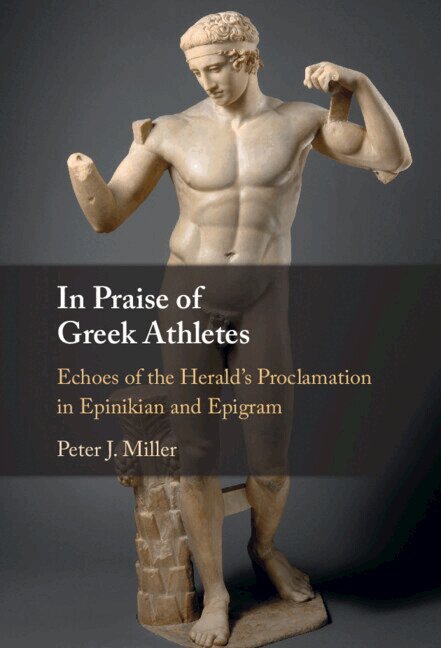
In Praise of Greek Athletes
Echoes of the Herald's Proclamation in Epinikian and Epigram
Inbunden, Engelska, 2024
1 160 kr
Skickas inom 7-10 vardagar
In ancient Greece both epinikian songs and inscribed epigrams were regularly composed to celebrate victory at athletic festivals. For the first time this book offers an integrated approach to both genres. It focuses on the ultimate source of information about athletic victory, the angelia or herald's proclamation. By examining the ways in which the proclamation was modified and elaborated in epinikian song and inscribed epigram, Peter Miller demonstrates the shared features of both genres and their differences. Through a comprehensive analysis of the metaphor of the herald across the corpus, he argues that it persists across form, medium, and genre from the Archaic to the Hellenistic period, and also provides a rich array of close readings that illuminate key parts of the praise of athletes. This title is part of the Flip it Open Programme and may also be available Open Access. Check our website Cambridge Core for details.
970 kr
Skickas inom 10-15 vardagar
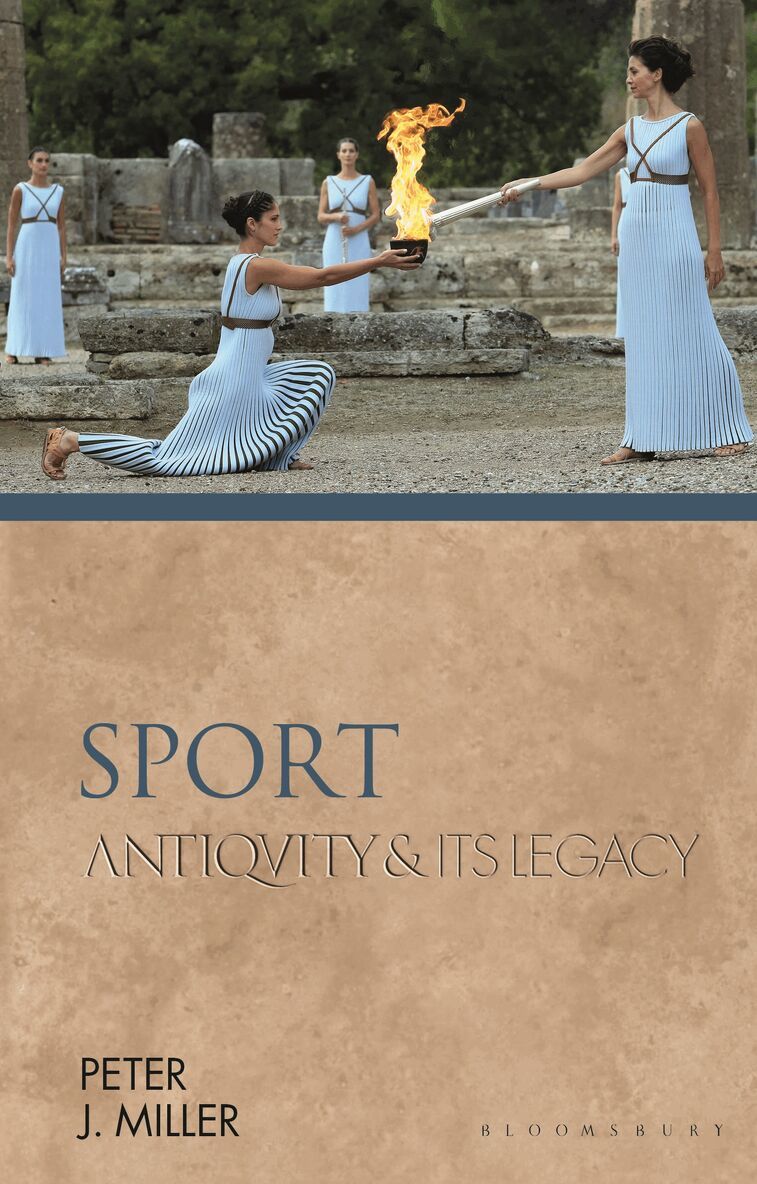
Modern sport cannot be understood without ancient sport. Sport saturates contemporary society and the global reach of sport and its intense popularity characterizes the modern world. But, at the same time, sport is one of the most ancient human pursuits. In the globalized sport of today, the type of athletic performance and the ideology of sport and its apparent origins are mostly derived from the model of one pre-modern civilization: Graeco-Roman antiquity.Juxtaposing ancient writers with recent ones, including the modern Olympic founder Pierre de Coubertin and physical fitness impresario Bernarr Macfadden, and by examining the representation of sport in Olympic films, Miller demonstrates the ancient heritage of contemporary sport, and the creative ways in which ancient sport has been adapted, appropriated, mishandled and reimagined. Sport today contains a surprising contradiction: its explicit modernity (from its technological sophistication and integration into capitalist markets to its institutionalization and celebrity culture) and its supposed antiquity (from the mythology of the Olympics to the ancient roots of sporting civic and national pride, and the emotional and near religious fervour of sports fans).This book intervenes in one of the most important of the receptions of classical antiquity by examining how sports personalities, agencies, institutions and movements have consciously connected themselves to the Graeco-Roman past, even as they continue to insist on their own centrality in the modern world.
296 kr
Skickas inom 10-15 vardagar
Modern sport cannot be understood without ancient sport. Sport saturates contemporary society and the global reach of sport and its intense popularity characterizes the modern world. But, at the same time, sport is one of the most ancient human pursuits. In the globalized sport of today, the type of athletic performance and the ideology of sport and its apparent origins are mostly derived from the model of one pre-modern civilization: Graeco-Roman antiquity.Juxtaposing ancient writers with recent ones, including the modern Olympic founder Pierre de Coubertin and physical fitness impresario Bernarr Macfadden, and by examining the representation of sport in Olympic films, Miller demonstrates the ancient heritage of contemporary sport, and the creative ways in which ancient sport has been adapted, appropriated, mishandled and reimagined. Sport today contains a surprising contradiction: its explicit modernity (from its technological sophistication and integration into capitalist markets to its institutionalization and celebrity culture) and its supposed antiquity (from the mythology of the Olympics to the ancient roots of sporting civic and national pride, and the emotional and near religious fervour of sports fans).This book intervenes in one of the most important of the receptions of classical antiquity by examining how sports personalities, agencies, institutions and movements have consciously connected themselves to the Graeco-Roman past, even as they continue to insist on their own centrality in the modern world.