Peter J. Ramberg - Böcker
Visar alla böcker från författaren Peter J. Ramberg. Handla med fri frakt och snabb leverans.
4 produkter
4 produkter
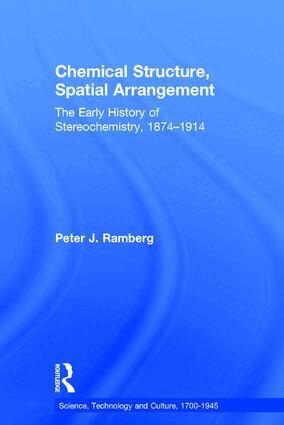
Chemical Structure, Spatial Arrangement
The Early History of Stereochemistry, 1874–1914
Inbunden, Engelska, 2003
2 100 kr
Skickas inom 10-15 vardagar
Offering a comprehensive narrative of the early history of stereochemistry, Dr Ramberg explores the reasons for and the consequences of the fundamental change in the meaning of chemical formulas with the emergence of stereochemistry during the last quarter of the nineteenth century. As yet relatively unexplored by historians, the development of stereochemistry - the study of the three-dimensional properties of molecules - provides a superb case study for exploring the meaning and purpose of chemical formulas, as it entailed a significant change in the meaning of chemical formulas from the purely chemical conception of 'structure' to the physico-chemical conception of molecules provided by the tetrahedral carbon atom. This study is the first to treat the emergence of the unique visual language of organic chemistry between 1830 and 1874 to place in context the near simultaneous proposal of the tetrahedral carbon atom by J.H. van 't Hoff and J.A. Le Bel in 1874. Dr Ramberg then examines the research programs in stereochemistry by Johannes Wislicenus, Arthur Hantzsch, Victor Meyer, Carl Bischoff, Emil Fischer and Alfred Werner, showing how the emergence of stereochemistry was a logical continuation of established research traditions in chemistry. In so doing, he also illustrates the novel and controversial characteristics of stereochemical ideas, especially the unprecedented use of mechanistic and dynamic principles in chemical explanation.
Chemical Structure, Spatial Arrangement
The Early History of Stereochemistry, 1874–1914
Häftad, Engelska, 2017
786 kr
Skickas inom 10-15 vardagar
Offering a comprehensive narrative of the early history of stereochemistry, Dr Ramberg explores the reasons for and the consequences of the fundamental change in the meaning of chemical formulas with the emergence of stereochemistry during the last quarter of the nineteenth century. As yet relatively unexplored by historians, the development of stereochemistry - the study of the three-dimensional properties of molecules - provides a superb case study for exploring the meaning and purpose of chemical formulas, as it entailed a significant change in the meaning of chemical formulas from the purely chemical conception of 'structure' to the physico-chemical conception of molecules provided by the tetrahedral carbon atom. This study is the first to treat the emergence of the unique visual language of organic chemistry between 1830 and 1874 to place in context the near simultaneous proposal of the tetrahedral carbon atom by J.H. van 't Hoff and J.A. Le Bel in 1874. Dr Ramberg then examines the research programs in stereochemistry by Johannes Wislicenus, Arthur Hantzsch, Victor Meyer, Carl Bischoff, Emil Fischer and Alfred Werner, showing how the emergence of stereochemistry was a logical continuation of established research traditions in chemistry. In so doing, he also illustrates the novel and controversial characteristics of stereochemical ideas, especially the unprecedented use of mechanistic and dynamic principles in chemical explanation.
358 kr
Skickas inom 7-10 vardagar
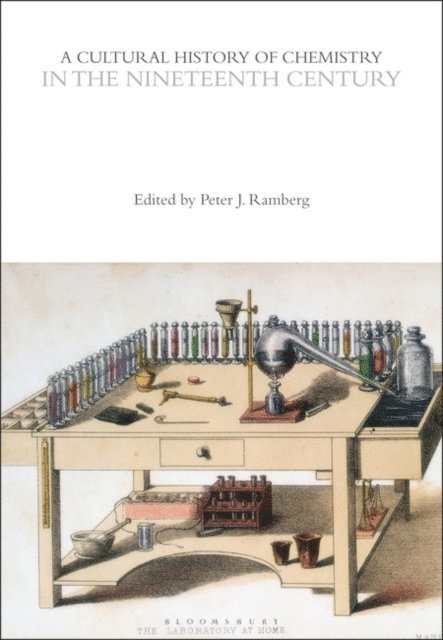
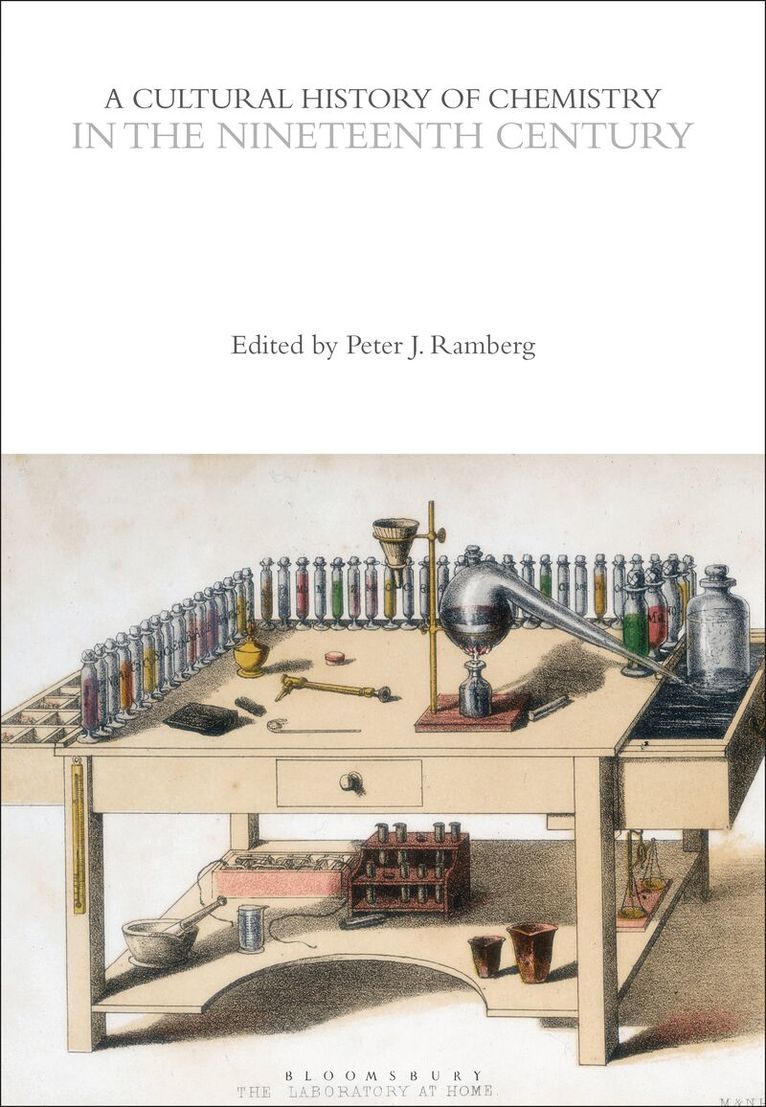
** A Cultural History of Chemistry: Volumes 1-6 is a 2023 CHOICE Outstanding Academic Title ** A Cultural History of Chemistry in the Nineteenth Century covers the period from 1815 to 1914 and the birth of modern chemistry. The elaboration of atomic theory - and new ideas of periodicity, structure, bonding, and equilibrium - emerged in tandem with new instruments and practices. The chemical industry expanded exponentially, fuelled by an increasing demand for steel, aluminium, dyestuffs, pharmaceuticals, and consumer goods. And the chemical laboratory became established in its two distinct modern settings of the university and industry. At the turn of the century, the discovery of radioactivity took hold of the public imagination, drawing chemistry closer to physics, even as it threatened to undermine the whole concept of atomism.The six-volume set of the Cultural History of Chemistry presents the first comprehensive history from the Bronze Age to today, covering all forms and aspects of chemistry and its ever-changing social context. The themes covered in each volume are theory and concepts; practice and experiment; laboratories and technology; culture and science; society and environment; trade and industry; learning and institutions; art and representation.Peter J. Ramberg is Professor of the History of Science at Truman State University, USA.A Cultural History of Chemistry in the Nineteenth Century is the fifth volume in the six-volume set, A Cultural History of Chemistry, also available online as part of Bloomsbury Cultural History, a fully-searchable digital library (see www.bloomsburyculturalhistory.com).General Editors: Peter J. T. Morris, University College London, UK, and Alan Rocke, Case Western Reserve University, USA.
1 086 kr
Skickas inom 7-10 vardagar
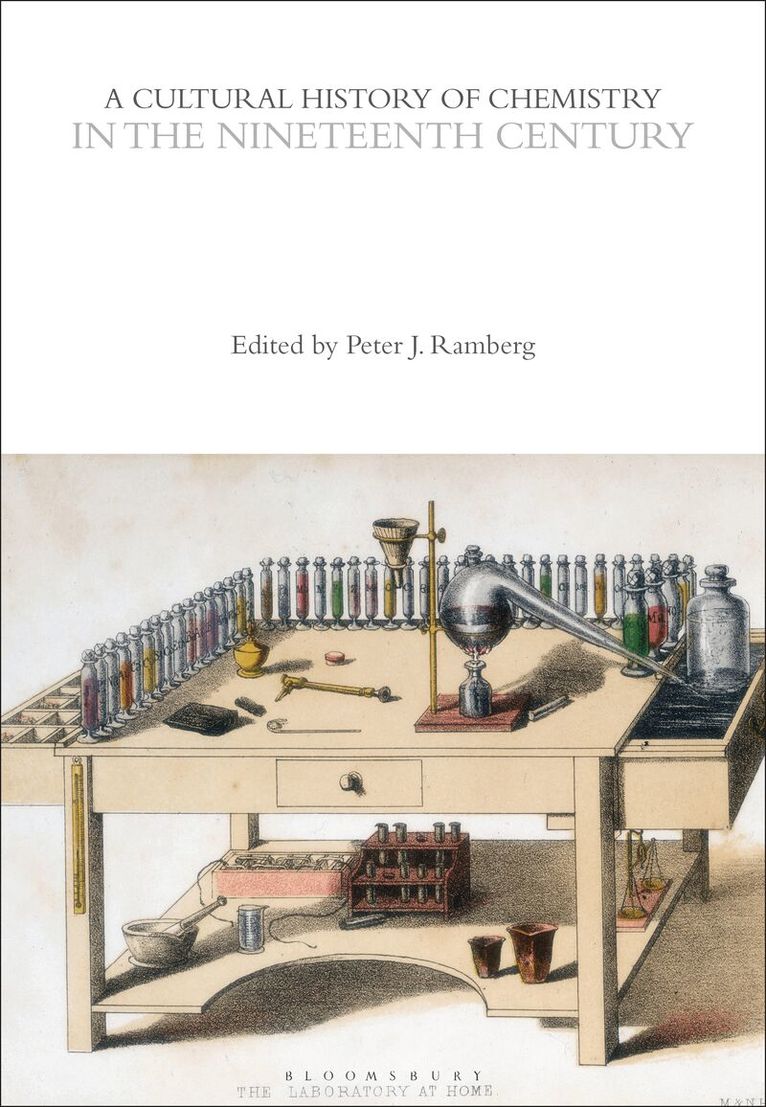
** A Cultural History of Chemistry: Volumes 1-6 is a 2023 CHOICE Outstanding Academic Title **A Cultural History of Chemistry in the Nineteenth Century covers the period from 1815 to 1914 and the birth of modern chemistry. The elaboration of atomic theory - and new ideas of periodicity, structure, bonding, and equilibrium - emerged in tandem with new instruments and practices. The chemical industry expanded exponentially, fuelled by an increasing demand for steel, aluminium, dyestuffs, pharmaceuticals, and consumer goods. And the chemical laboratory became established in its two distinct modern settings of the university and industry. At the turn of the century, the discovery of radioactivity took hold of the public imagination, drawing chemistry closer to physics, even as it threatened to undermine the whole concept of atomism.The six-volume set of the Cultural History of Chemistry presents the first comprehensive history from the Bronze Age to today, covering all forms and aspects of chemistry and its ever-changing social context. The themes covered in each volume are theory and concepts; practice and experiment; laboratories and technology; culture and science; society and environment; trade and industry; learning and institutions; art and representation.Peter J. Ramberg is Professor of the History of Science at Truman State University, USA.A Cultural History of Chemistry in the Nineteenth Century is the fifth volume in the six-volume set, A Cultural History of Chemistry, also available online as part of Bloomsbury Cultural History, a fully-searchable digital library (see www.bloomsburyculturalhistory.com).General Editors: Peter J. T. Morris, University College London, UK, and Alan Rocke, Case Western Reserve University, USA.