Peter J. Wallison – författare
Visar alla böcker från författaren Peter J. Wallison. Handla med fri frakt och snabb leverans.
10 produkter
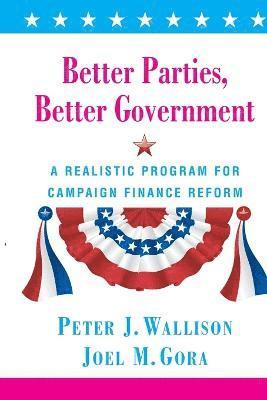
Better Parties, Better Government
A Realistic Program for Campaign Finance Reform
Av Peter J. Wallison, Joel Gora
Häftad, 2009
258 kr
Lägg i varukorg
Every federal campaign finance reform law enacted since 1971_ostensibly intended to keep politicians honest and limit the influence of contributors_has in reality protected incumbents by reducing the funds available to challengers. Although the courts have struck down many of the most egregious …
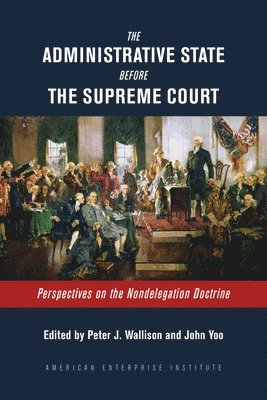
Administrative State Before the Supreme Court
Perspectives on the Nondelegation Doctrine
Av Peter J. Wallison, John Yoo
Inbunden, 2022
1059 kr
Lägg i varukorg
In The Administrative State Before the Supreme Court: Perspectives on the Nondelegation Doctrine, leading scholars consider a revival of the Constitution’s nondelegation doctrine—the separation-of-powers principle that bars Congress from transferring its legislative powers to the administrative …
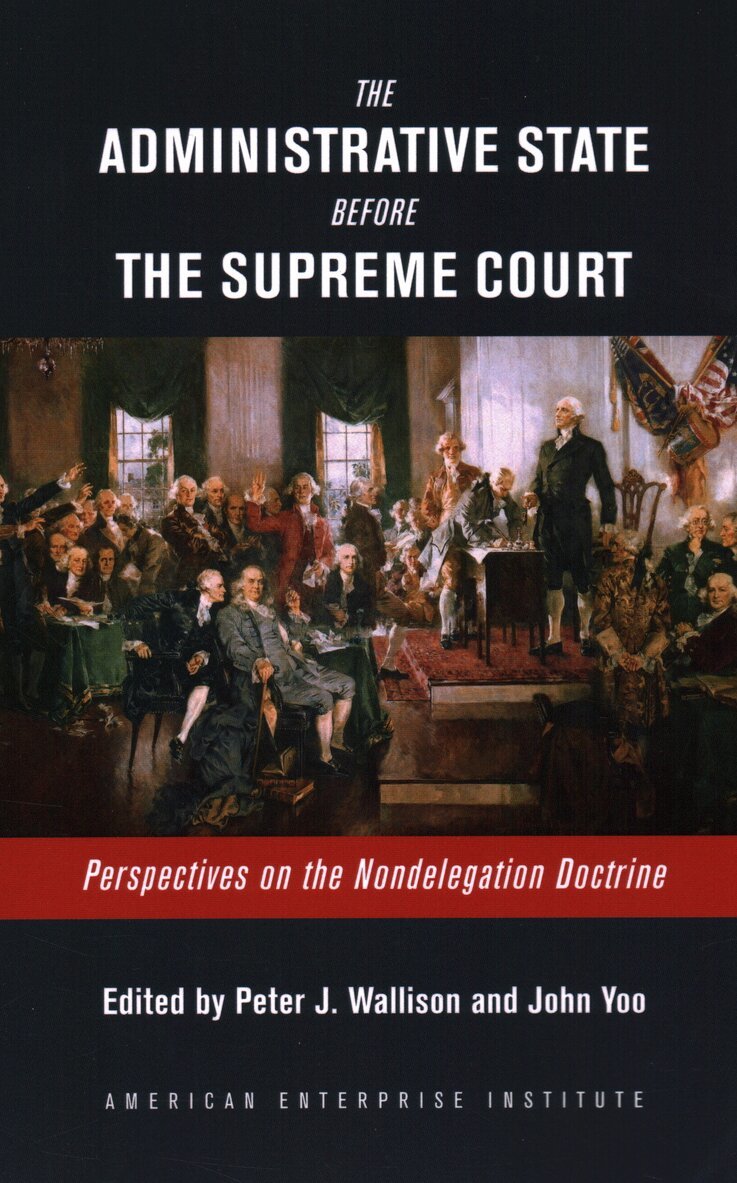
Administrative State Before the Supreme Court
Perspectives on the Nondelegation Doctrine
Av Peter J. Wallison, John Yoo
Häftad, 2022
454 kr
Lägg i varukorg
In The Administrative State Before the Supreme Court: Perspectives on the Nondelegation Doctrine, leading scholars consider a revival of the Constitution’s nondelegation doctrine—the separation-of-powers principle that bars Congress from transferring its legislative powers to the administrative …
Nationalizing Mortgage Risk
The Growth of Fannie Mae and Freddie Mac
Av Peter J. Wallison, Bert Ely
Häftad, 2000
144 kr
Lägg i varukorg
Fannie Mae and Freddie Mac have aggressively used their government support to achieve extraordinarily high profitability and domination of the residential mortgage market.
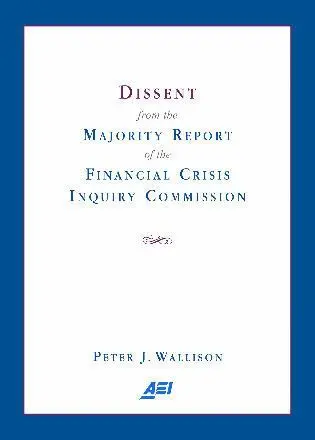
Dissent from the Majority Report of the Financial Crisis Inquiry Commission
Häftad, 2011
498 kr
Lägg i varukorg
Peter J. Wallison is the only member of the Financial Crisis Inquiry Commission (FCIC) to release a formal dissent to the FCIC’s official report on the causes of the financial crisis. Wallison, codirector of financial policy studies at the American Enterprise Institute, argues that the FCIC’s …
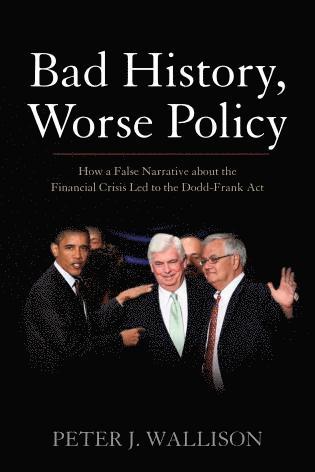
Bad History, Worse Policy
How a False Narrative About the Financial Crisis Led to the Dodd-Frank Act
Inbunden, 2013
1150 kr
Lägg i varukorg
This timely study focuses on how the government-constructed narratives surrounding the collapse of Fannie Mae and Freddie Mac and the 2008 financial crisis shaped the policymaking that led to the Dodd-Frank Act. The book shows that every major provision of the act can be traced directly to that …
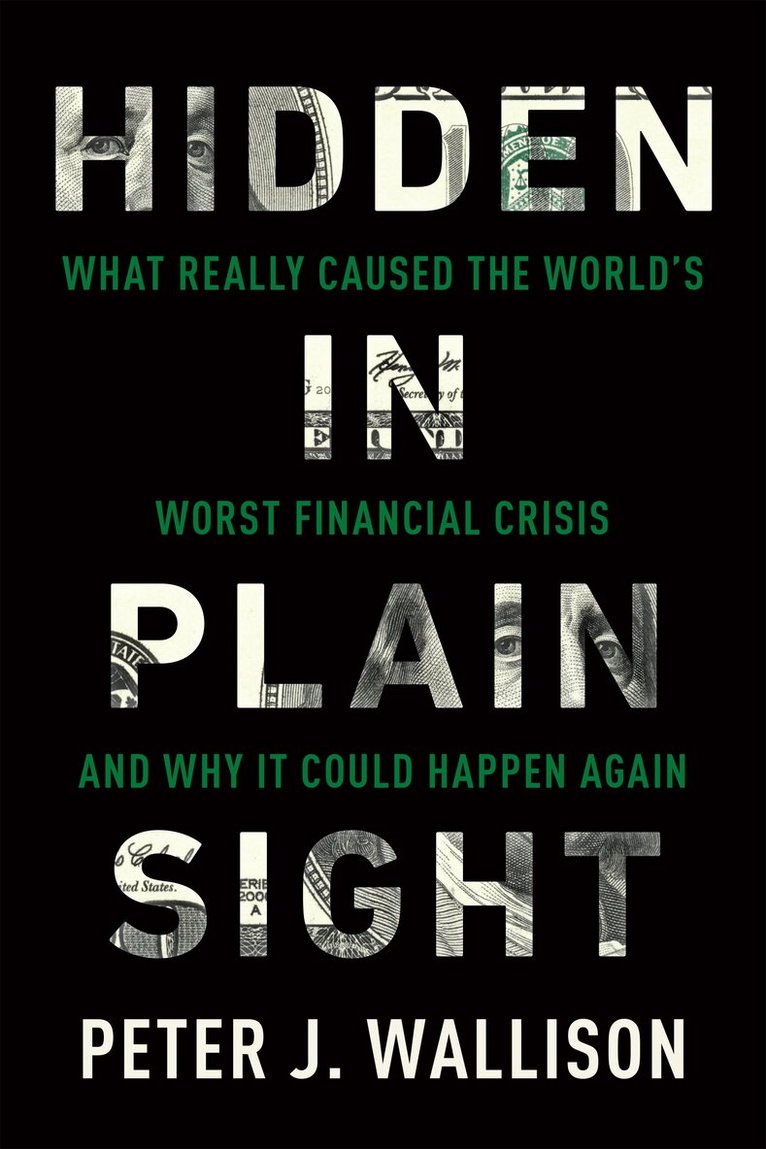
Hidden in Plain Sight
What Really Caused the World's Worst Financial Crisisand Why It Could Happen Again
Häftad, 2016
166 kr
Lägg i varukorg
The 2008 financial crisis--like the Great Depression--was a world-historical event. What caused it will be debated for years, if not generations. The conventional narrative is that the financial crisis was caused by Wall Street greed and insufficient regulation of the financial system. That …
Hidden in Plain Sight
What Really Caused the World''s Worst Financial Crisisand Why It Could Happen Again
E-bok, 2016
230 kr
Lägg i varukorg
The 2008 financial crisis—like the Great Depression—was a world-historical event. What caused it will be debated for years, if not generations. The conventional narrative is that the financial crisis was caused by Wall Street greed and insufficient regulation of the financial system. That narrative …
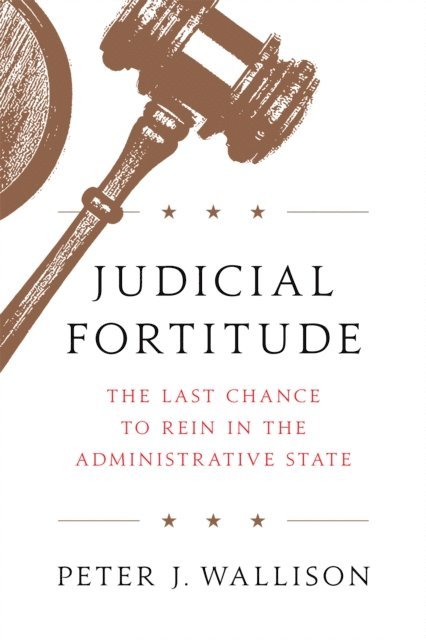
Judicial Fortitude
The Last Chance to Rein In the Administrative State
E-bok, 2018
293 kr
Lägg i varukorg
In this book, Peter J. Wallison argues that the administrative agencies of the executive branch have gradually taken over the legislative role of Congress, resulting in what many call the administrative state. The judiciary bears the major responsibility for this development because it has failed …
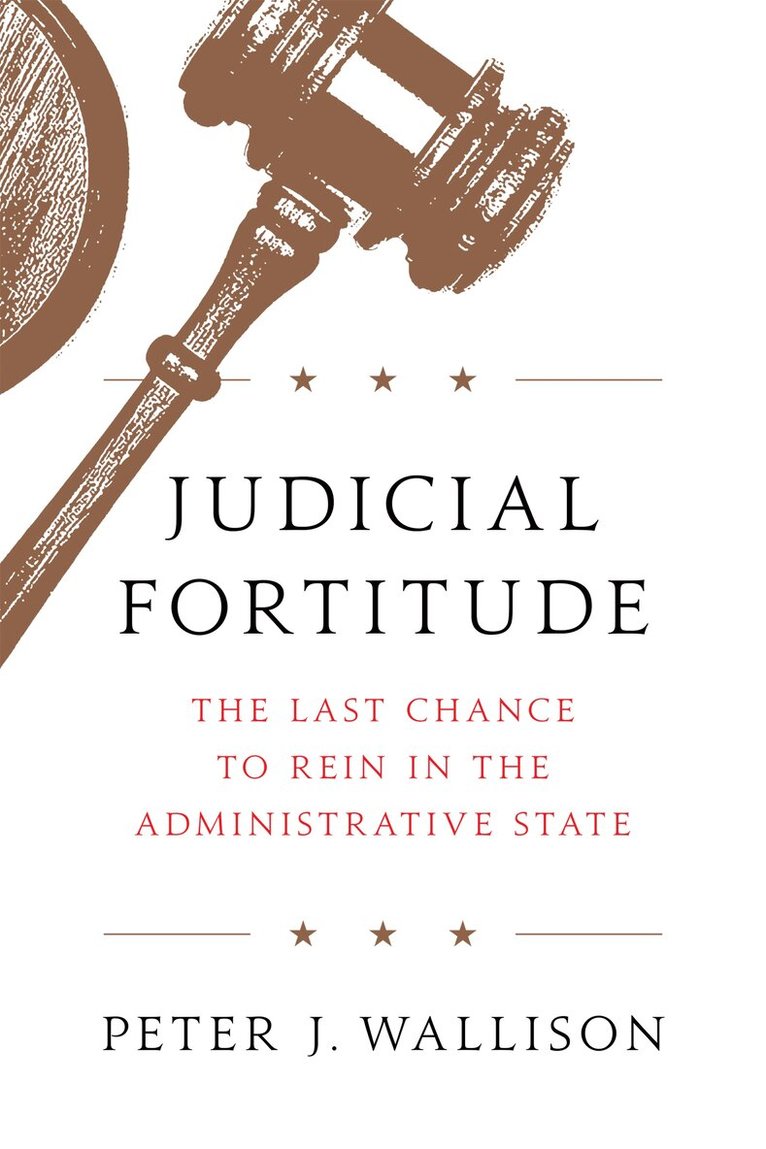
Judicial Fortitude
The Last Chance to Rein In the Administrative State
Inbunden, 2018
199 kr
Tillfälligt slut
In this book, Peter J. Wallison argues that the administrative agencies of the executive branch have gradually taken over the legislative role of Congress, resulting in what many call the administrative state. The judiciary bears the major responsibility for this development because it has failed …