Peter John Dye – författare
Visar alla böcker från författaren Peter John Dye. Handla med fri frakt och snabb leverans.
4 produkter
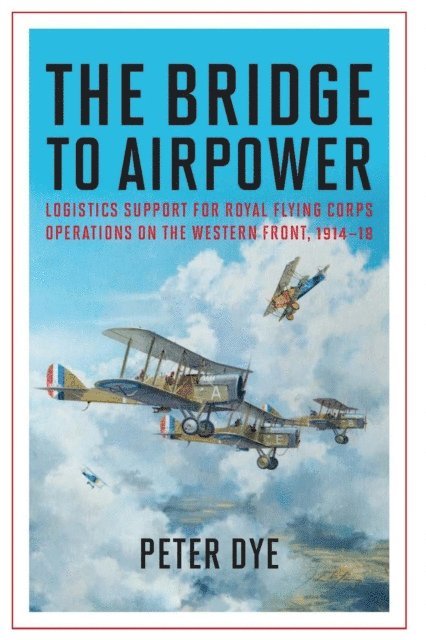
Bridge to Airpower
Logistic Support for Royal Flying Corps Operations on the Western Front, 1914-18
E-bok, 2015
627 kr
Lägg i varukorg
The Bridge to Air Power describes how the development of the air weapon on the Western Front during the First World War required a radical and unprecedented change in the way that national resources were employed to exploit a technological opportunity. By examining the performance of the Royal …
Birth of British Airpower
Hugh Trenchard, World War I, and the Royal Air Force
Inbunden, 2024
667 kr
Lägg i varukorg
This illuminating work explores the importance of senior leadership in the development of the British Royal Air Force, focusing on the role of friendship and the influence of personality and character in delivering effective leadership. The lessons have continuing relevance in the exercise of …
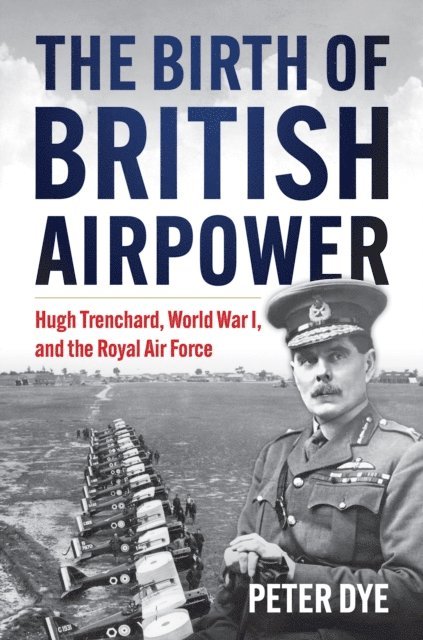
Birth of British Airpower
Hugh Trenchard, World War I, and the Royal Air Force
E-bok, 2024
409 kr
Lägg i varukorg
The Birth of British Airpower describes how Hugh Trenchard, a man with few leadership skills, became a much-loved and inspirational commander who laid the foundation for British airpower on the Western Front in World War I and created the preconditions for the establishment of the world’s first …
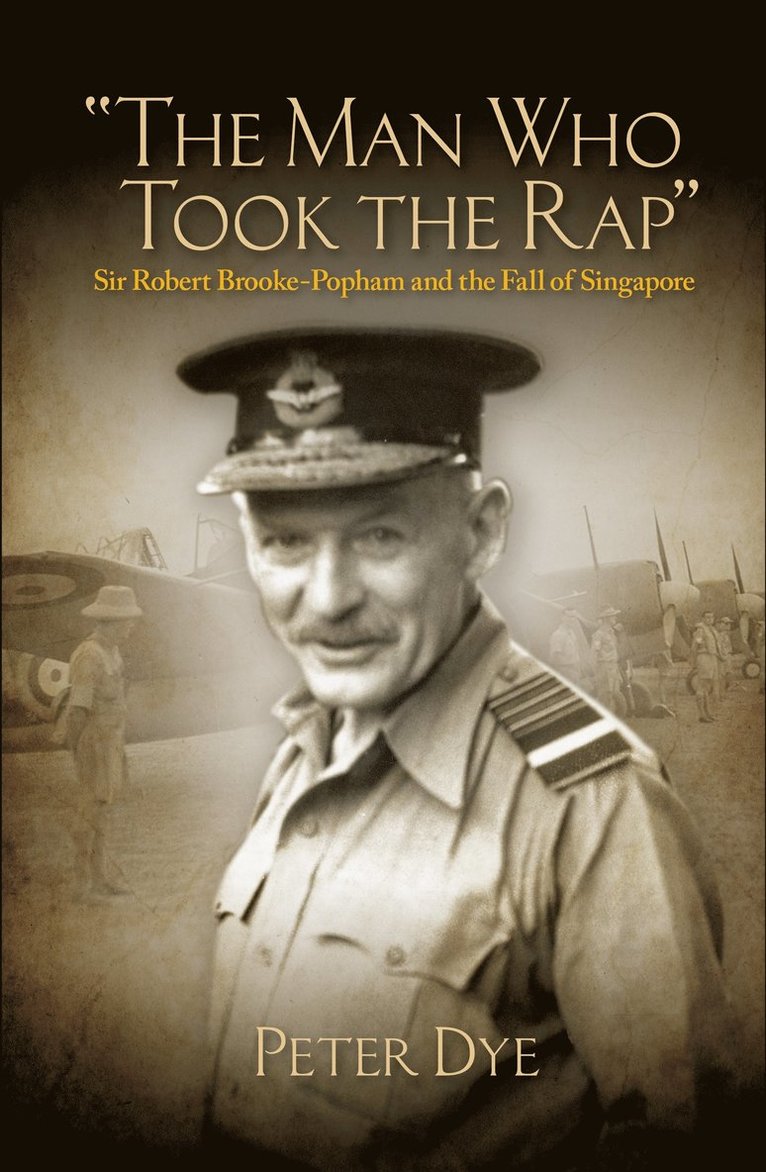
Man Who Took Rap
Sir Robert Brooke-Popham and the Fall of Singapore
Inbunden, 2018
419 kr
Tillfälligt slut
This is the first biography of Sir Robert Brooke-Popham, a key figure in the early development of airpower, whose significant and varied achievements have been overlooked because of his subsequent involvement in the fall of Singapore. It highlights Brooke-Popham's role in developing the first …