Peter Kosso – författare
Visar alla böcker från författaren Peter Kosso. Handla med fri frakt och snabb leverans.
12 produkter
Reading the Book of Nature
An Introduction to the Philosophy of Science
Av Peter Kosso
Inbunden, 1992
1644 kr
Lägg i varukorg
This is an introductory survey to the philosophy of science suitable for beginners and nonspecialists. Its point of departure is the question: why should we believe what science tells us about the world? In this attempt to justify the claims of science the book treats such topics as observation …
Reading the Book of Nature
An Introduction to the Philosophy of Science
Av Peter Kosso
Häftad, 1992
1025 kr
Lägg i varukorg
This is an introductory survey to the philosophy of science suitable for beginners and nonspecialists. Its point of departure is the question: why should we believe what science tells us about the world? In this attempt to justify the claims of science the book treats such topics as observation …
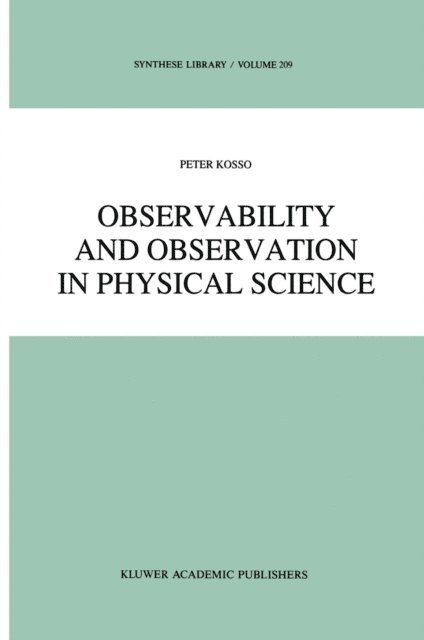
Observability and Observation in Physical Science
Av Peter Kosso
Inbunden, 1989
1098 kr
Lägg i varukorg
The concept of observability of entities in physical science is typically analyzed in terms of the nature and significance of a dichotomy between observables and unobservables. In this book, however, this categorization is resisted and observability is analyzed in a descriptive way in terms of the …
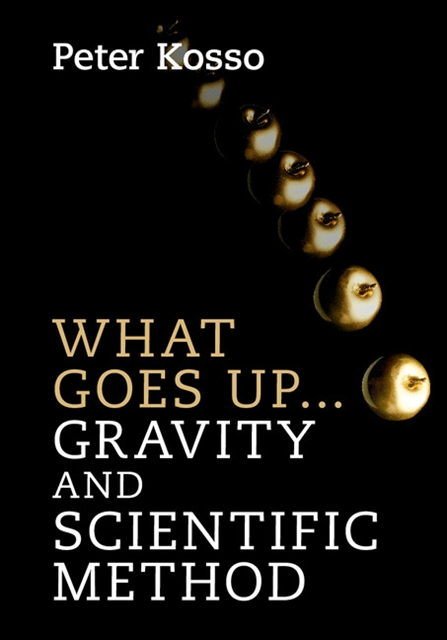
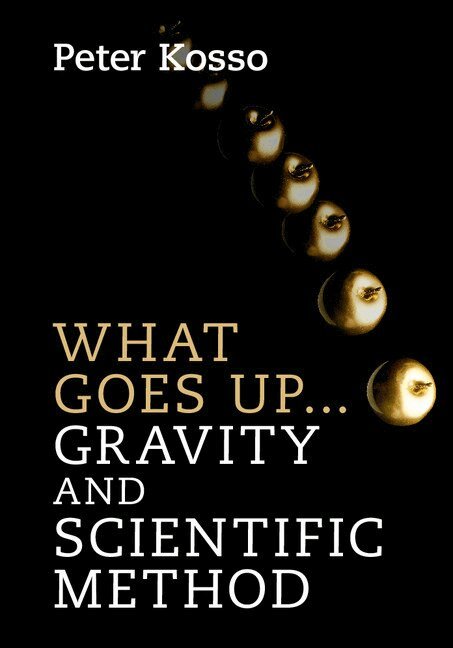
What Goes Up... Gravity and Scientific Method
Av Peter Kosso
E-bok, 2017
558 kr
Lägg i varukorg
The concept of gravity provides a natural phenomenon that is simultaneously obvious and obscure; we all know what it is, but rarely question why it is. The simple observation that ''what goes up must come down'' contrasts starkly with our current scientific explanation of gravity, which involves …
What Goes Up... Gravity and Scientific Method
Av Peter Kosso
E-bok, 2017
571 kr
Lägg i varukorg
The concept of gravity provides a natural phenomenon that is simultaneously obvious and obscure; we all know what it is, but rarely question why it is. The simple observation that ''what goes up must come down'' contrasts starkly with our current scientific explanation of gravity, which involves …
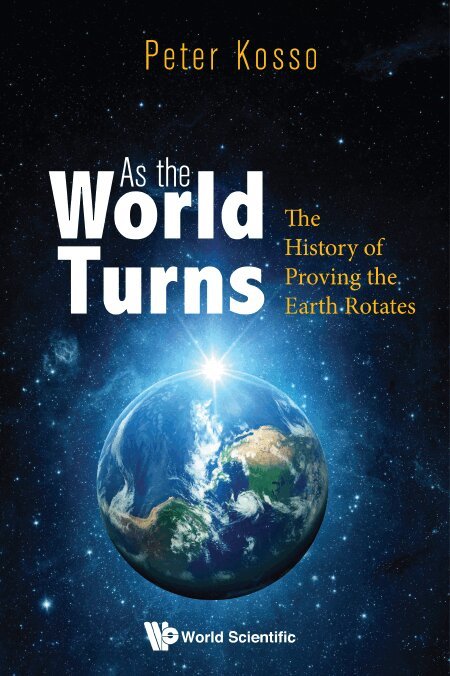
AS THE WORLD TURNS: THE HISTORY OF PROVING THE EARTH ROTATES
Av Peter Kosso
Inbunden, 2020
881 kr
Lägg i varukorg
"This book offers an excellent explanation of the scientific method and its use, through case studies from astronomy, physics, and philosophy. Summing Up: Recommended. Lower- and upper-division undergraduates. General readers."CHOICE"In summary this is a lovely, elegant book which reminds us that …
AS THE WORLD TURNS: THE HISTORY OF PROVING THE EARTH ROTATES
Av Peter Kosso
Häftad, 2020
378 kr
Lägg i varukorg
"This book offers an excellent explanation of the scientific method and its use, through case studies from astronomy, physics, and philosophy. Summing Up: Recommended. Lower- and upper-division undergraduates. General readers."CHOICE"In summary this is a lovely, elegant book which reminds us that …
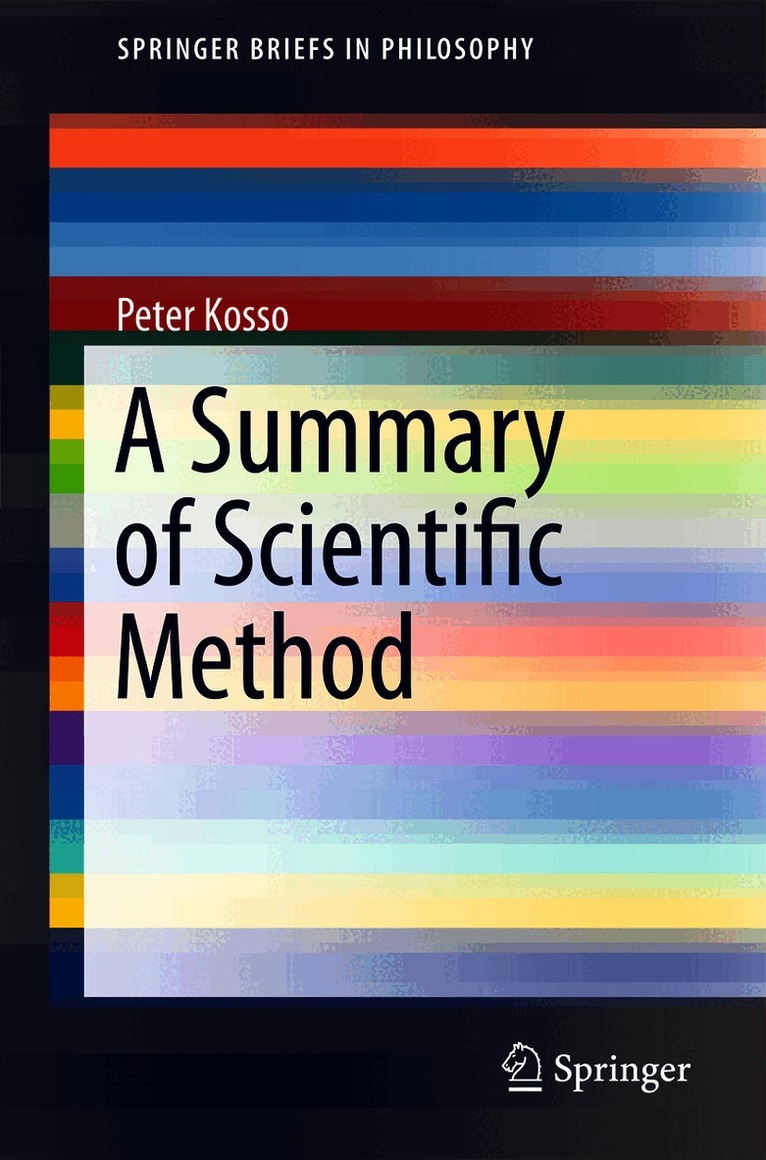
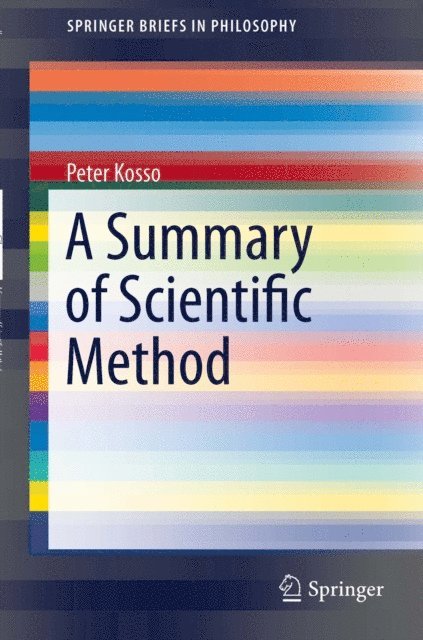
Summary of Scientific Method
Av Peter Kosso
Häftad, 2011
605 kr
Lägg i varukorg
A Summary of Scientific Method is a brief description of what makes science scientific. It is written in a direct, clear style that is accessible and informative for scientists and science students. It is intended to help science teachers explain how science works, highlighting strengths without …
Summary of Scientific Method
Av Peter Kosso
E-bok, 2011
789 kr
Lägg i varukorg
A Summary of Scientific Method is a brief description of what makes science scientific. It is written in a direct, clear style that is accessible and informative for scientists and science students. It is intended to help science teachers explain how science works, highlighting strengths without …
Observability and Observation in Physical Science
Av Peter Kosso
E-bok, 2012
1459 kr
Lägg i varukorg
The concept of observability of entities in physical science is typically analyzed in terms of the nature and significance of a dichotomy between observables and unobservables. In this book, however, this categorization is resisted and observability is analyzed in a descriptive way in terms of the …
Observability and Observation in Physical Science
Av Peter Kosso
Häftad, 2011
1094 kr
Lägg i varukorg
The concept of observability of entities in physical science is typically analyzed in terms of the nature and significance of a dichotomy between observables and unobservables. In this book, however, this categorization is resisted and observability is analyzed in a descriptive way in terms of the …
What Goes Up... Gravity and Scientific Method
Av Peter Kosso
Inbunden, 2017
492 kr
Tillfälligt slut
The concept of gravity provides a natural phenomenon that is simultaneously obvious and obscure; we all know what it is, but rarely question why it is. The simple observation that 'what goes up must come down' contrasts starkly with our current scientific explanation of gravity, which involves …