Peter M. Beattie - Böcker
Visar alla böcker från författaren Peter M. Beattie. Handla med fri frakt och snabb leverans.
4 produkter
4 produkter
425 kr
Skickas inom 7-10 vardagar
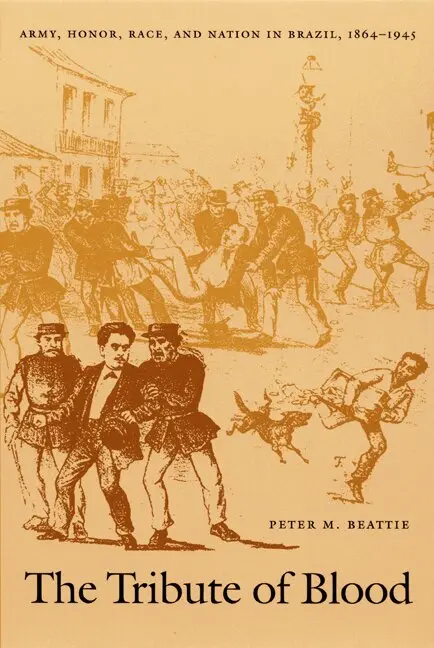
In The Tribute of Blood Peter M. Beattie analyzes the transformation of army recruitment and service in Brazil between 1864 and 1945, using this history of common soldiers to examine nation building and the social history of Latin America’s largest nation. Tracing the army’s reliance on coercive recruitment to fill its lower ranks, Beattie shows how enlisted service became associated with criminality, perversion, and dishonor, as nineteenth- and early-twentieth-century Brazilian officials rounded up the “dishonorable” poor-including petty criminals, vagrants, and “sodomites”-and forced them to serve as soldiers. Beattie looks through sociological, anthropological, and historical lenses to analyze archival sources such as court-martial cases, parliamentary debates, published reports, and the memoirs and correspondence of soldiers and officers. Combining these materials with a colorful array of less traditional sources-such as song lyrics, slang, grammatical evidence, and tattoo analysis-he reveals how the need to reform military recruitment with a conscription lottery became increasingly apparent in the wake of the Paraguayan War of 1865–1870 and again during World War I. Because this crucial reform required more than changing the army’s institutional roles and the conditions of service, The Tribute of Blood is ultimately the story of how entrenched conceptions of manhood, honor, race, citizenship, and nation were transformed throughout Brazil.Those interested in social, military, and South American history, state building and national identity, and the sociology of the poor will be enriched by this pathbreaking study.
Punishment in Paradise
Race, Slavery, Human Rights, and a Nineteenth-Century Brazilian Penal Colony
Inbunden, Engelska, 2015
1 273 kr
Skickas inom 7-10 vardagar
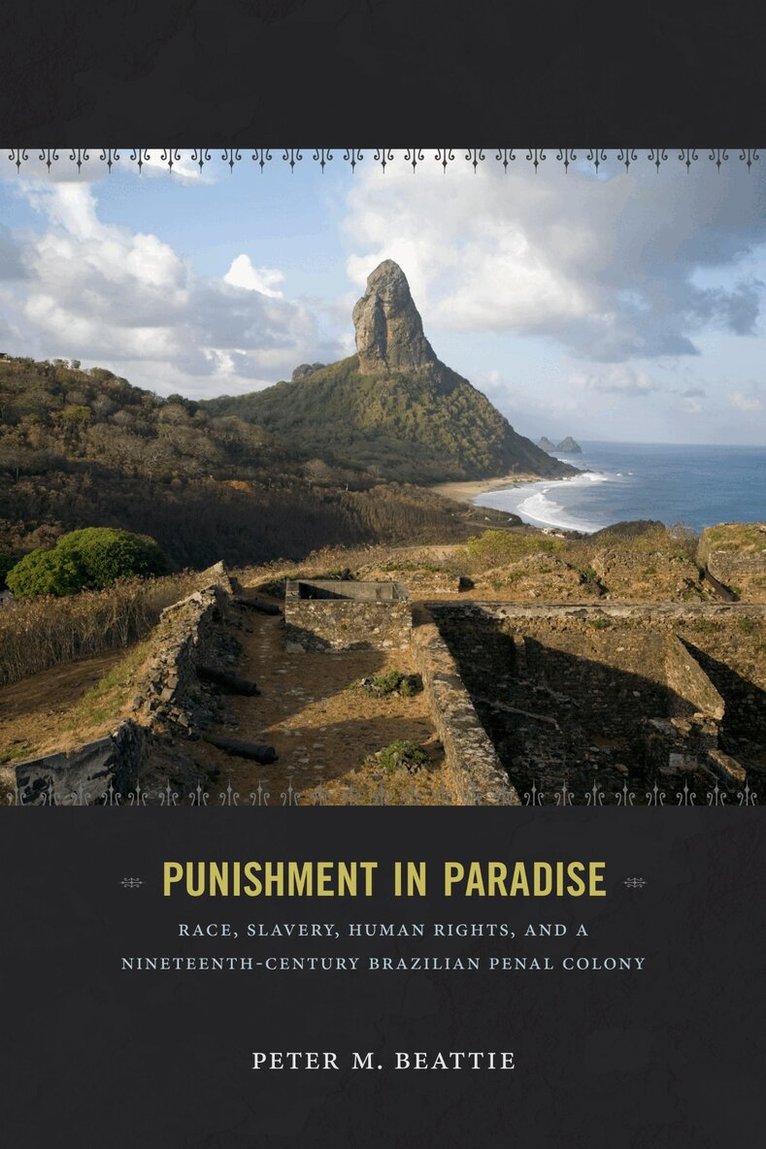
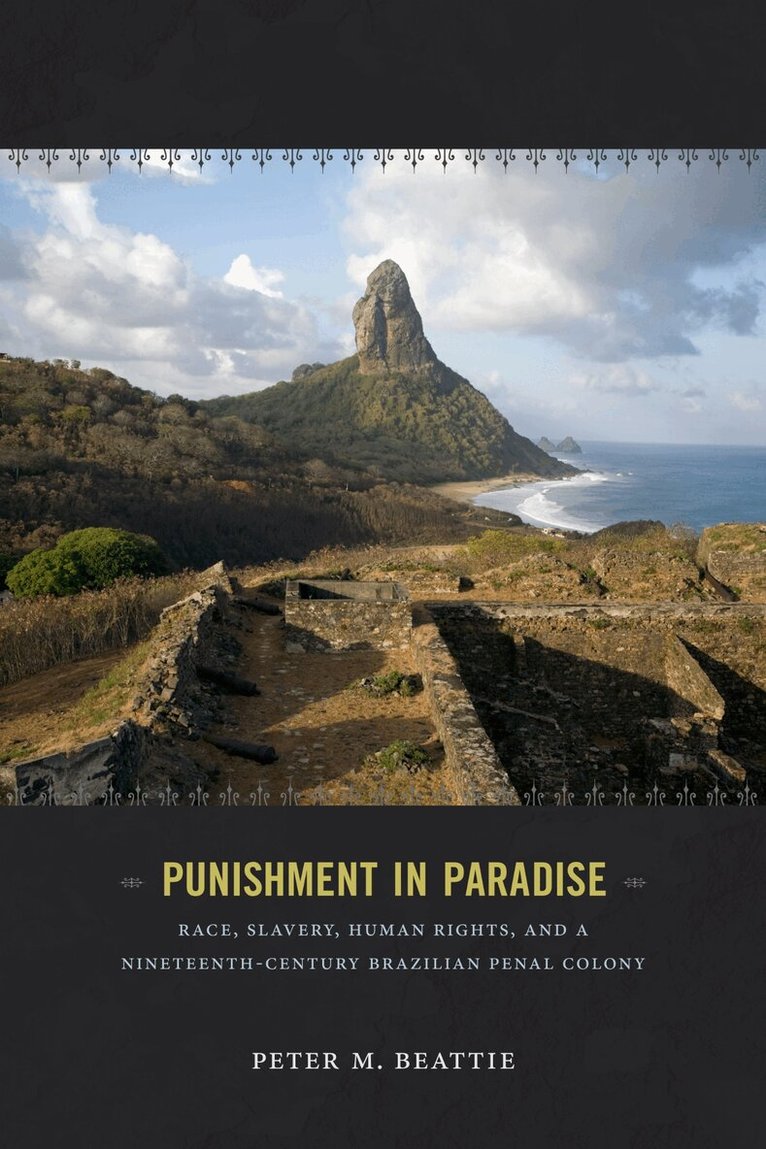
Throughout the nineteenth century the idyllic island of Fernando de Noronha, which lies two hundred miles off Brazil's northeastern coast, was home to Brazil's largest forced labor penal colony. In Punishment in Paradise Peter M. Beattie uses Noronha as a case study to understand nineteenth-century Brazil's varied social and cultural values, especially in relation to justice, class, color, civil condition, human rights and labor. As Brazil’s slave population declined after 1850, the use of colonial-era disciplinary practices at Noronha-such as flogging and forced labor-stoked anxieties about human rights and Brazil’s international image. Beattie contends that the treatment of slaves, convicts, and other social categories subject to coercive labor extraction were interconnected and that reforms that benefitted one of these categories made them harder to deny to others. In detailing Noronha's history and the end of slavery as part of an international expansion of human rights, Beattie places Brazil firmly in the purview of Atlantic history.
Punishment in Paradise
Race, Slavery, Human Rights, and a Nineteenth-Century Brazilian Penal Colony
Häftad, Engelska, 2015
425 kr
Skickas inom 7-10 vardagar
Throughout the nineteenth century the idyllic island of Fernando de Noronha, which lies two hundred miles off Brazil's northeastern coast, was home to Brazil's largest forced labor penal colony. In Punishment in Paradise Peter M. Beattie uses Noronha as a case study to understand nineteenth-century Brazil's varied social and cultural values, especially in relation to justice, class, color, civil condition, human rights and labor. As Brazil’s slave population declined after 1850, the use of colonial-era disciplinary practices at Noronha-such as flogging and forced labor-stoked anxieties about human rights and Brazil’s international image. Beattie contends that the treatment of slaves, convicts, and other social categories subject to coercive labor extraction were interconnected and that reforms that benefitted one of these categories made them harder to deny to others. In detailing Noronha's history and the end of slavery as part of an international expansion of human rights, Beattie places Brazil firmly in the purview of Atlantic history.
513 kr
Skickas inom 11-20 vardagar
The Human Tradition in Modern Brazil makes the last two centuries of Brazilian history come alive through the stories of mostly non-elite individuals. The pieces in this lively collection address how people experienced historical continuities and changes by exploring how they related to the rise of Brazilian national identity and the emergence of a national state. By including a broad array of historical actors from different regions, ethnicities, occupations, races, genders, and eras, The Human Tradition in Modern Brazil brings a human dimension to major economic, political, cultural, and social transitions. While many books on modern Brazilian history emphasize the growth of the state and the oscillations of nationalist sentiment by generalizing about groups of undifferentiated people such as slaves, industrial workers, army officers, Indians, and clerics, The Human Tradition in Modern Brazil brings a personal perspective to broad historical events and trends. Because these perspectives do not always fit with the generalizations made about the predominant attitudes, values, and beliefs of different groups, they bring a welcomed complexity to the understanding of Brazilian society and history. These original and gripping vignettes of life and society in Brazil are sure to engage readers with its colorful stories of Brazilians throughout the past.